Sinkhole Repair

Sinkhole Repair

When the ground drops out under a slab, a foundation, or a roadway, the cause is almost always raveling overburden draining into a dissolution channel in carbonate bedrock, or soil eroding into a void around a broken utility line. We diagnose with SPT borings, cone penetration testing, and ground penetrating radar, then match treatment to cause: compaction grouting, micropile underpinning, or a reinforced structural cap.

5
Repair Methods
100-600 psi
Compaction Grout Pressure
6 ft
Min Headroom
75+ yr
Design Life
Overview

Engineered Sinkhole Repair

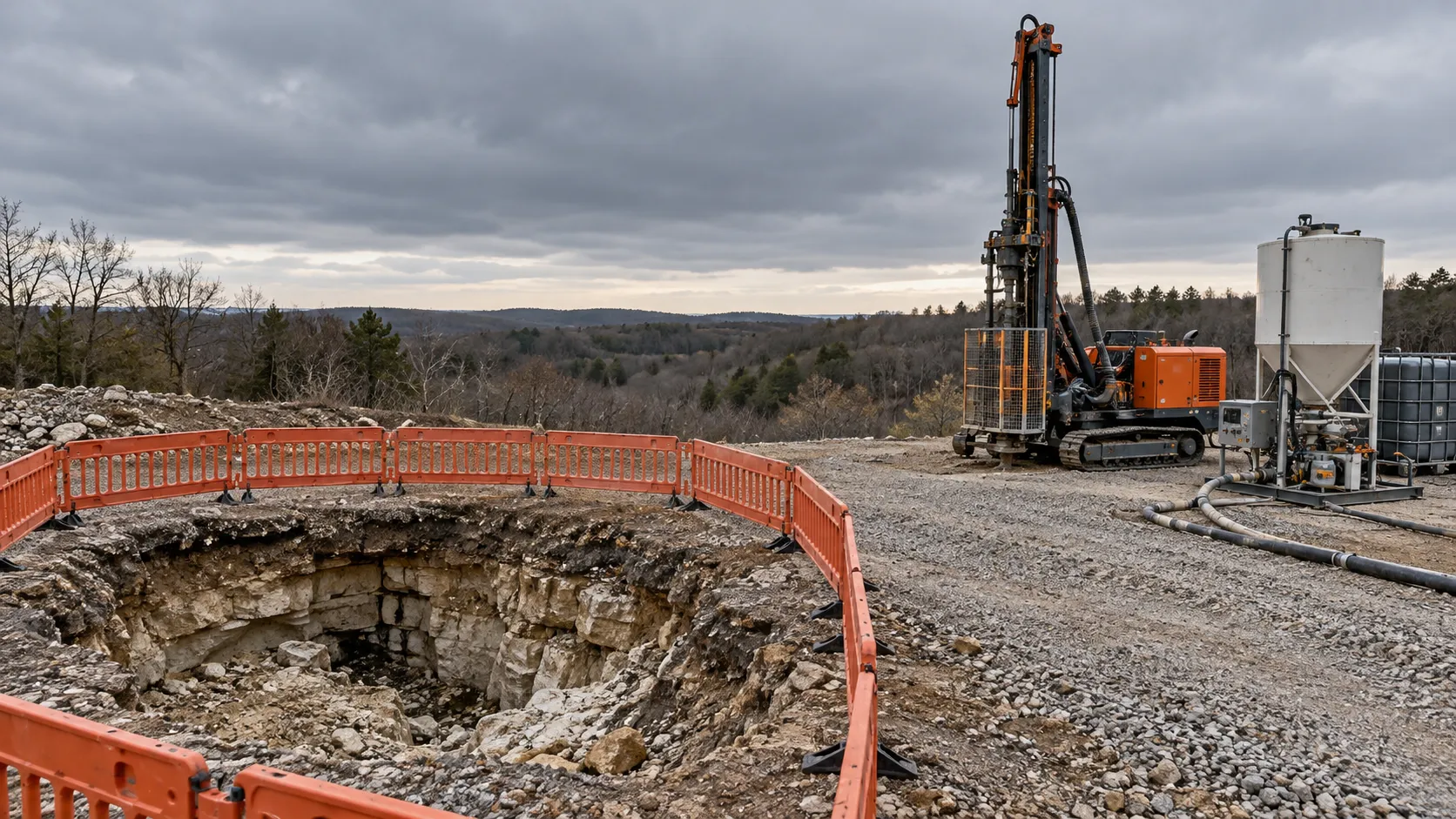
Sinkhole repair starts with a correct diagnosis. The same surface depression can come from cover-collapse over a karst throat, slow cover-subsidence over a raveling column, or a dropout caused by a broken sewer or stormwater line, and each diagnosis points to a different repair. We open every project with a geotechnical investigation: standard penetration test (SPT) borings on the affected pattern to locate raveling and competent bearing, cone penetration testing where soil response is needed in a continuous profile, and ground penetrating radar per ASTM D6432 to map shallow voids before we drill. The investigation report drives the treatment plan and the structural engineer's repair design.

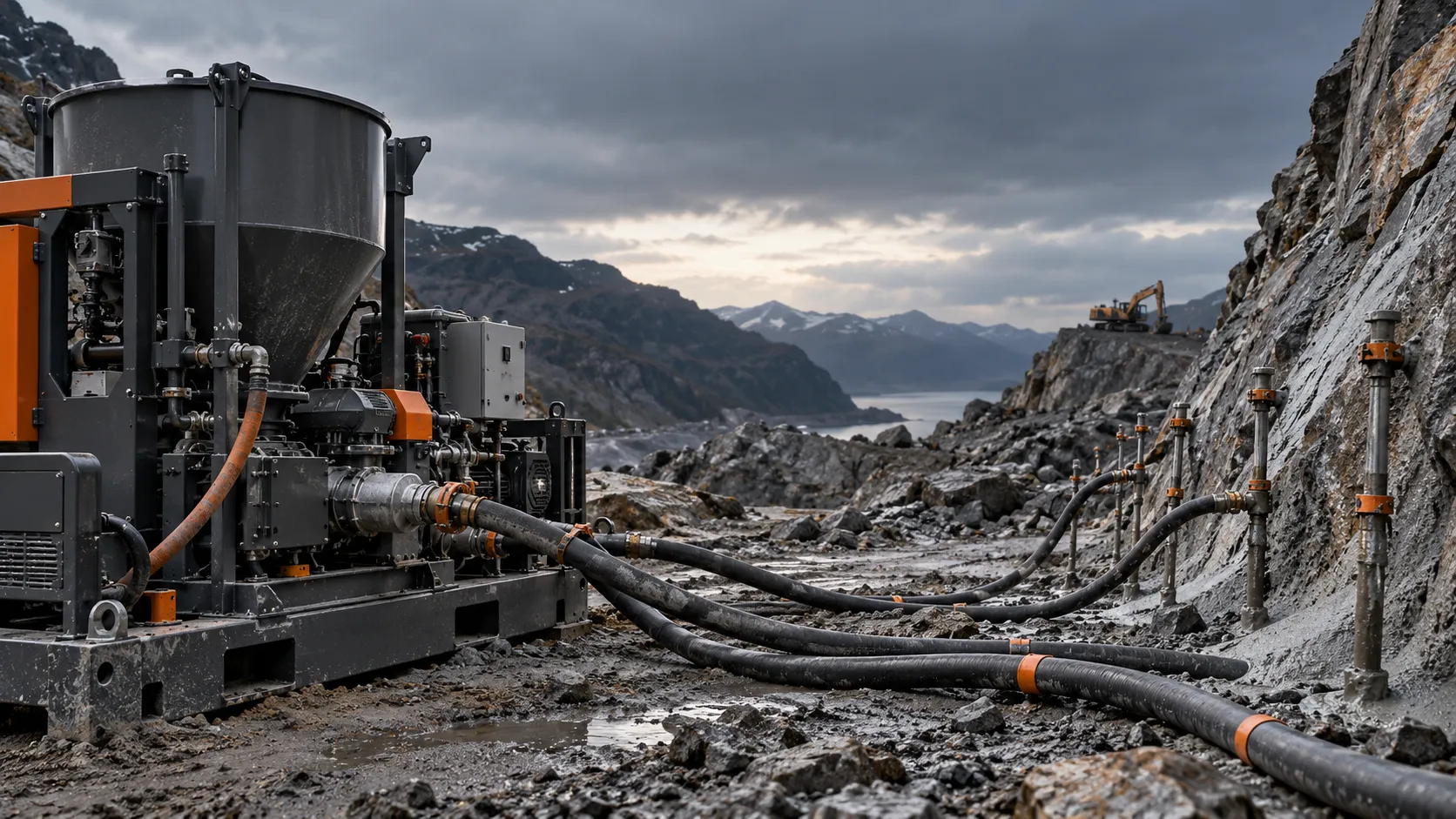
Compaction grouting is the workhorse. Low-mobility mortar, typically at a 1 to 3 inch slump, is staged bottom-up in 1 to 2 foot lifts at packer pressures of 100 to 600 psi, forming an expanding bulb at each injection point that displaces and densifies the surrounding ground. The grouted column blocks further raveling and re-establishes bearing capacity beneath the affected slab or footing. Real-time pressure, flow, and volume monitoring at each injection prevents surface heave and confirms the treated zone matches the design.

Where the diagnosis points to a connected dissolution channel in the underlying carbonate, cement or microfine permeation grouting seals the bedrock throat itself, cutting off the loss pathway that originated the failure. This is most common in Florida, the Tennessee Valley, central Pennsylvania, and other karst regions where dissolution features intersect overburden directly.

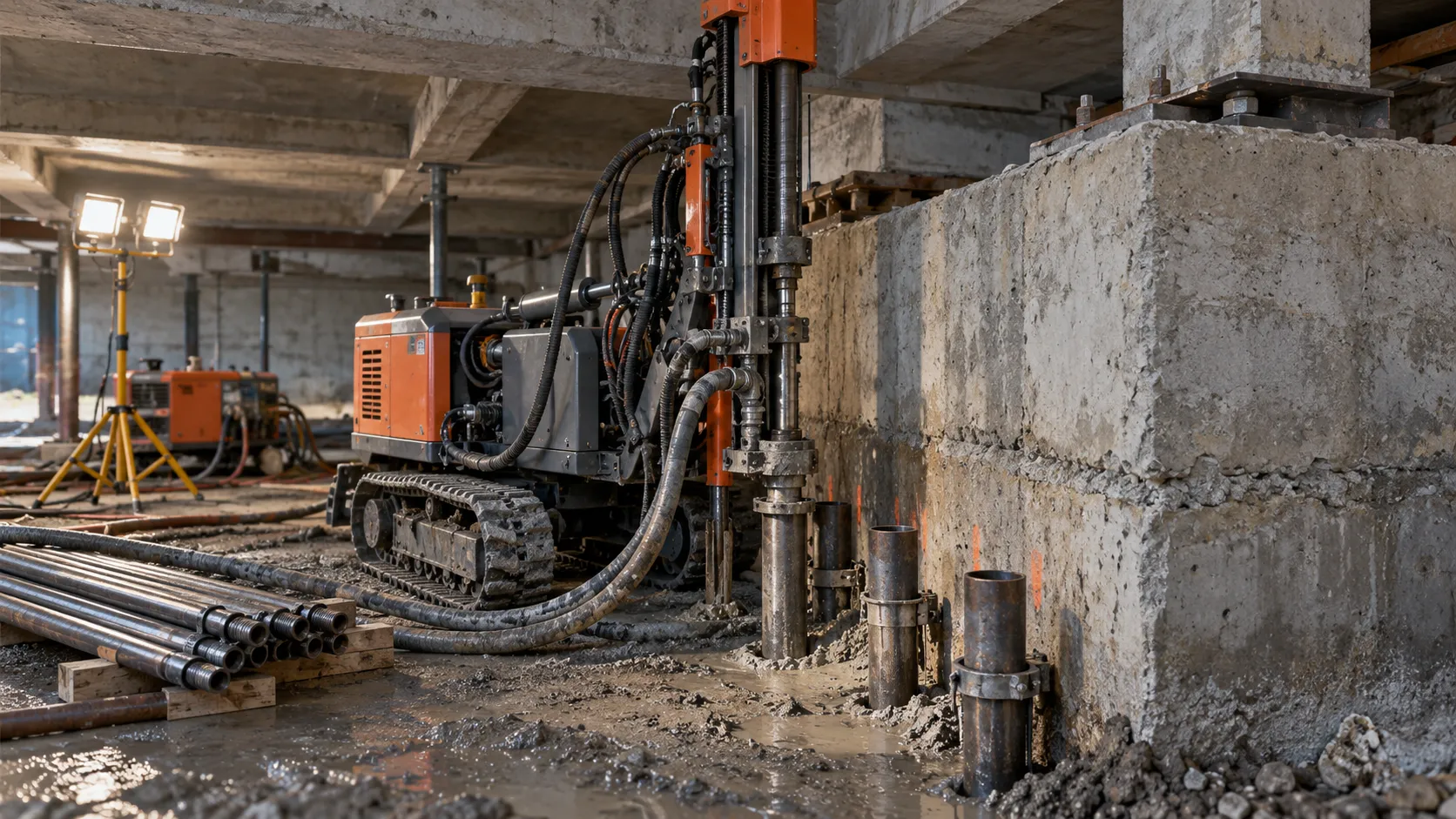
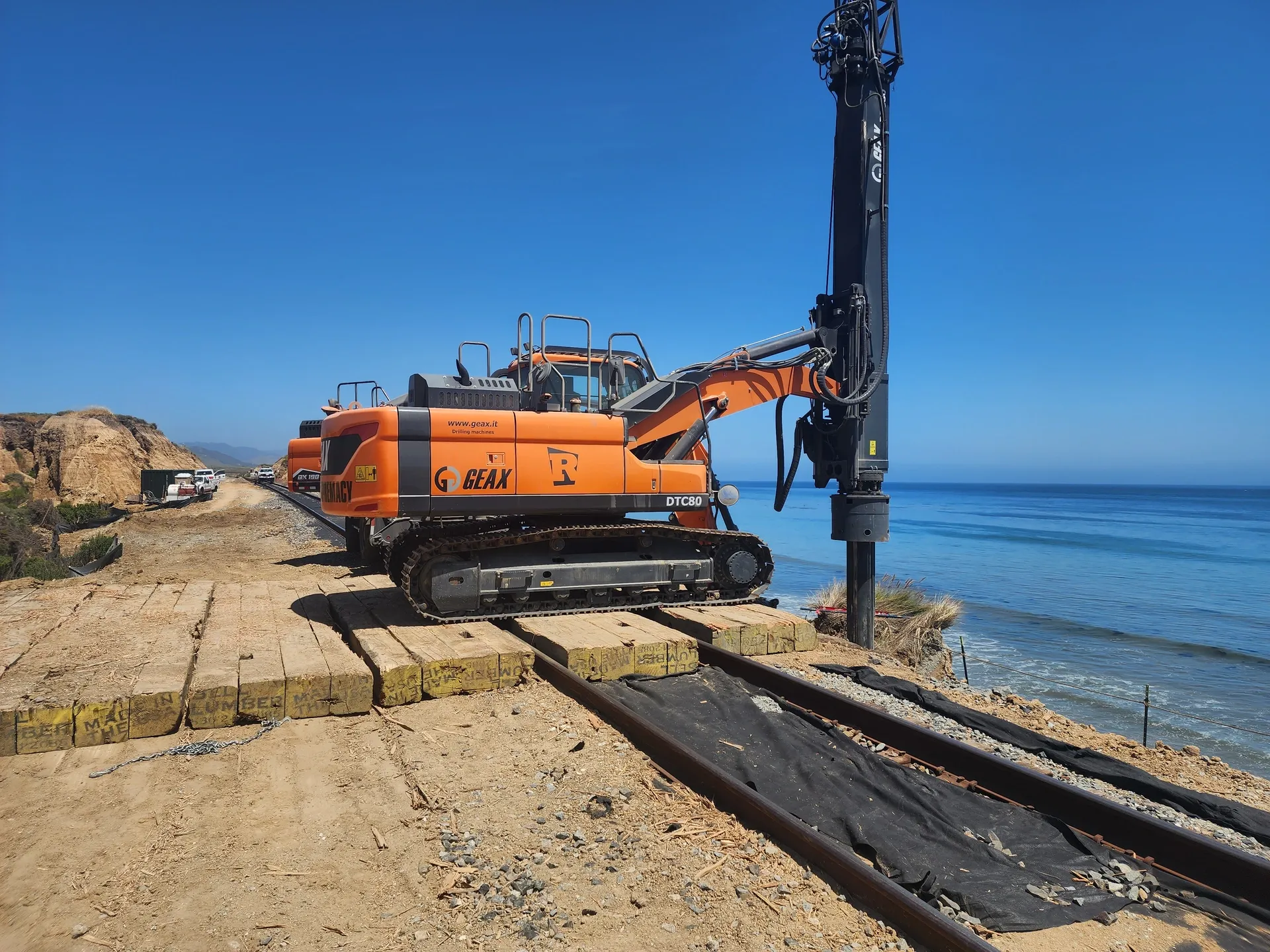
When the foundation has already dropped, compaction grouting alone will not restore structural support. We add micropile underpinning to transfer load past the disturbed zone into competent strata, with low-headroom drill rigs that operate inside finished basements in as little as 6 feet of clearance. Critical piles are load-tested per FHWA GEC-7 before final lock-off. Where the throat is too large or the structure too compromised for grouting and underpinning to work alone, a reinforced concrete structural cap bridges across the affected area and transfers load onto stable ground at the perimeter.

Shallow sinkholes, generally less than 10 feet deep with a clear bottom, are often best treated by excavation and replacement with flowable fill or engineered compacted fill, since the cost of mobilizing grout and drill equipment outweighs the simpler open-cut approach.

Every project closes with verification: post-treatment borings or pressure-test rounds confirm the treated column, micropile load tests document underpinning capacity, and a sealed engineering report covers the diagnosis, design, and field record. The package satisfies homeowners insurance neutral-evaluation requirements under Florida Statute Chapter 627 and equivalent procedures in other states, and gives the structural engineer of record what they need to certify the repair.

Equipment

Tools & Technology

We deploy specialized equipment matched to project requirements and site conditions.

High-pressure compaction grout pumps
Low-headroom drill rigs (6 ft clearance)
Ground penetrating radar (ASTM D6432)
Track-mounted SPT and CPT rigs
Real-time pressure and volume monitoring
Hydraulic jacking and load-test frames
Why Us

Why Choose Rock Supremacy for Sinkhole Repair

Diagnosis-first approach, treatment is designed to match the failure mode rather than applied as a default scope
All five remediation methods executed in-house: compaction grouting, throat sealing, underpinning, capping, and excavation with engineered fill
Real-time pressure, flow, and volume monitoring on every grout injection to prevent heave and confirm treated extent
Low-headroom drill rigs allow underpinning inside occupied homes and finished basements with 6 feet of clearance
Critical underpinning elements load-tested per FHWA GEC-7 before final lock-off
Documentation package suitable for homeowners insurance neutral evaluation and structural engineer of record
Sinkhole Repair project
Trusted by
Industry Leaders
Questions

Sinkhole Repair FAQ

Sinkhole repair is the engineered diagnosis, treatment, and verification of ground subsidence or collapse features caused by carbonate bedrock dissolution, raveling overburden, or man-made void formation around broken utility lines. Five remediation methods cover the great majority of installed work: compaction grouting, bedrock throat sealing, structural capping, micropile underpinning, and excavation with engineered fill. The correct combination is set by the geotechnical investigation, by the depth and geometry of the affected column, and by the condition of the structure above. Repair closes with verification borings or load tests and a sealed engineering report for insurance and structural records.
Most sinkholes form by dissolution of carbonate bedrock, primarily limestone and dolomite, by mildly acidic groundwater. Over time the dissolution opens channels and cavities in the rock. The overburden above either ravels gradually into those openings, producing slow surface settlement (cover-subsidence), or bridges over a pre-existing cavity until the bridge fails (cover-collapse). A separate failure mode, dropout, is driven by soil eroding into a broken sewer, stormwater, or water line and creating a void that eventually surfaces. Florida, the Tennessee Valley, central Pennsylvania, and large parts of the Southeast are the dominant US karst regions, but localized dropouts can occur anywhere with aging buried utilities.
Residential sinkhole repair falls into three industry-cited cost bands. Minor compaction grouting only, where the foundation has not moved and the throat is well-defined, typically runs $7,000 to $15,000. Compaction grouting plus structural underpinning, where the foundation has settled and load transfer is required, runs $15,000 to $50,000. Major repairs involving extensive capping, structural reconstruction, or large grouted volumes run $50,000 and up. Commercial and infrastructure projects vary widely with scope. The geotechnical investigation generally costs $2,000 to $7,000 and is a separate line item but is required to size the repair. Early treatment is almost always less expensive than waiting for conditions to worsen.
Yes, when the diagnosis is correct and the treatment is matched to it. Compaction grouting closes the raveled column and re-establishes bearing capacity. Permeation grouting at the bedrock interface seals the dissolution channel that drove the failure. Drilled-and-grouted micropile underpinning carries a 75 plus year design life per FHWA GEC-7 with corrosion-protected reinforcement. The repair is permanent for the treated area, but a sinkhole on one part of a parcel does not preclude another forming elsewhere on a karst lot. Where karst risk is widespread, surface drainage controls and monitoring are recommended in addition to the repair itself.
Compaction grouting injects a low-mobility mortar, typically at a 1 to 3 inch slump, into loose or raveled granular soil. The grout does not permeate the soil pores. Instead it forms an expanding bulb at the injection point, roughly 12 to 36 inches across, that displaces the surrounding ground radially and increases its relative density. Bulbs are staged bottom-up in 1 to 2 foot lifts at packer pressures of 100 to 600 psi, building a column of densified soil that closes the raveled overburden and seals the connection to the underlying dissolution channel. Compaction grouting is the standard method for residential and light commercial sinkhole repair in karst terrain.
We open every project with a geotechnical investigation that combines three tools. Standard penetration test (SPT) borings on a designed pattern locate the raveling column, identify any voids, and confirm depth to competent bearing material. Cone penetration testing produces a continuous profile of soil response where SPT spacing leaves gaps. Ground penetrating radar per ASTM D6432 maps shallow voids non-intrusively across the affected area. The structural engineer combines the geotechnical findings with a foundation assessment to set the treatment plan: which method or combination of methods, the injection pattern, the underpinning layout, and the verification protocol.
Coverage depends on your state and your policy. Florida homeowners insurance is governed by Florida Statute Chapter 627, which requires sinkhole loss coverage in catastrophic ground cover collapse and provides a neutral evaluation process for disputed claims. Other states do not mandate coverage and rely on policy language and endorsements. Our investigation and repair documentation is prepared to satisfy neutral evaluation and structural engineer of record requirements wherever they apply. Your insurance carrier or attorney is the right party to confirm what your specific policy covers, and we coordinate with them and with the engineer of record throughout the project.
A typical residential repair takes 2 to 6 weeks from mobilization to verified completion, depending on the depth of the raveled column, the number of injection or underpinning points, and access conditions. The geotechnical investigation typically takes 1 to 2 weeks. Compaction grouting on a single residence is usually completed in 3 to 7 working days. If micropile underpinning is added, the underpinning portion adds 1 to 2 weeks for drilling, grouting, and load testing. Verification borings and the final report close the schedule. Commercial and infrastructure projects scale with the affected area.
Foundation repair is the umbrella scope of work performed on a damaged or inadequate foundation, including underpinning, crack repair, slab leveling, and waterproofing. Sinkhole repair specifically addresses the subsurface void or raveling column that caused the foundation problem, by densifying overburden, sealing the bedrock throat, and restoring bearing capacity. The two scopes routinely combine. On a settled foundation over a karst feature, sinkhole repair densifies the raveled column and seals the throat, then [foundation underpinning](/techniques/foundation-underpinning) transfers the structural load past the disturbed zone into competent bearing material. Treating only the foundation symptom without addressing the subsurface cause leaves the failure mechanism intact.
Treat any new sinkhole, surface depression, or rapidly widening crack near the structure as a potential safety event. Evacuate the affected area, keep people and vehicles back from the rim, and call a licensed structural engineer and a sinkhole contractor for emergency response. Do not attempt to fill the depression with soil, debris, or concrete from the surface, since that can mask the true geometry of the failure and complicate later remediation. Photograph the feature from a safe distance, note the date and time it appeared, and contact your homeowners insurance carrier. Our emergency response coordinates with the structural engineer of record from the first call.
Testimonials

What Our Clients Say

We take pride in building lasting relationships with our clients through exceptional service and results.

"It amazes me how quick these guys adapt to challenging and seemingly overwhelming construction situations in the best, and most creative approach. Very smart, dedicated, hardworking group of brave workers in hazardous work sites. Not the type of work just anyone can do! Keep up the good work!"
A
Anthony Laitta
Google Review
"We've been doing business with Rock Supremacy for many years now. Rowan and the whole staff are true Professionals with highly skilled employees and specialty equipment. Highly recommend Rock Supremacy!"
D
Derrick Hough
Google Review
"We engaged Rock Supremacy for a very challenging cliffside project that involved the stabilization and reinforcement of a retaining wall which ultimately required a total of ten drilled horizontal rock anchors, multiple vertical stabilization pilings and encapsulation with concrete structural reinforcement. Even though my residential project, as large as it was to me, was of a much smaller scale than the company often deals with, it approached the task with all of the consideration and professionalism I could hope for. Notably, they were not hesitant to take on a challenging terrain even with its limited access. From the outset, Corey Muir was very engaged in the project and with finding workable solutions. He was eager to explore alternative options for accomplishing the goals and worked diligently with my engineering consultants to tweak the design for a practical, affordable solution. Throughout the planning process, he maintained excellent communications with myself and our structural engineers. Corey was careful to make sure, prior to our final agreement, that all details were fully understood. The company began the project exactly when anticipated. The on-site crew, David, Nate and Jules proved to be the "A" team. They are very skilled and professional. I found them considerate, easy to interact with, and flexible with regard to change possibilities. The team showed careful concern for my property and all possible avoidance of collateral damage while completing a job that involved some very heavy equipment. When the concrete supplier was unduly delayed, they took it in stride and made the best of the situation. The job was actually finished a little ahead of schedule. Definitely a five star rating for this group, I would be happy to further discuss my experience with anyone contemplating the use of Rock Supremacy's services."
D
David Stellway
Residential Client
Residential Slope Stabilization
Contact

Deploy Us

Ready to discuss your sinkhole repair needs? Our team can assess your site conditions and provide a custom solution.

Emergency (24/7)

(541) 383-7625

Bidding & Estimates

Info@RockSupremacy.com

Headquarters

Western Division (HQ)
65147 N Hwy 97
Bend, OR 97701
Eastern Division
915 Millennium Ct
Blountville, TN 37617

Licensed in CO, UT, WY, ID, MT, CA, WA, OR, TN, VA

Request Consultation

Get Started

Need Sinkhole Repair Services?

Our experienced crews are ready to mobilize. Contact us to discuss your project requirements.