Mechanically Stabilized Earth (MSE) Walls
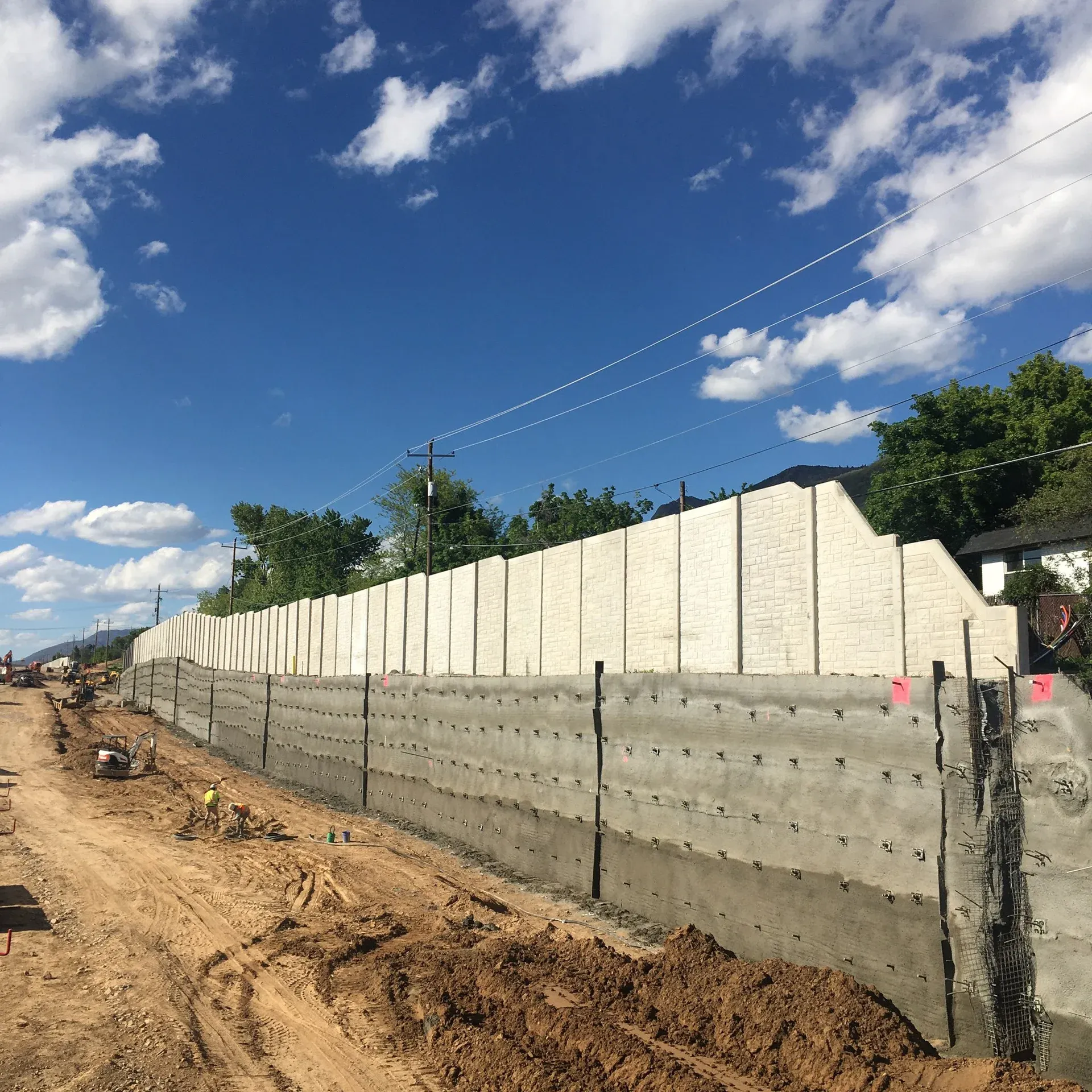
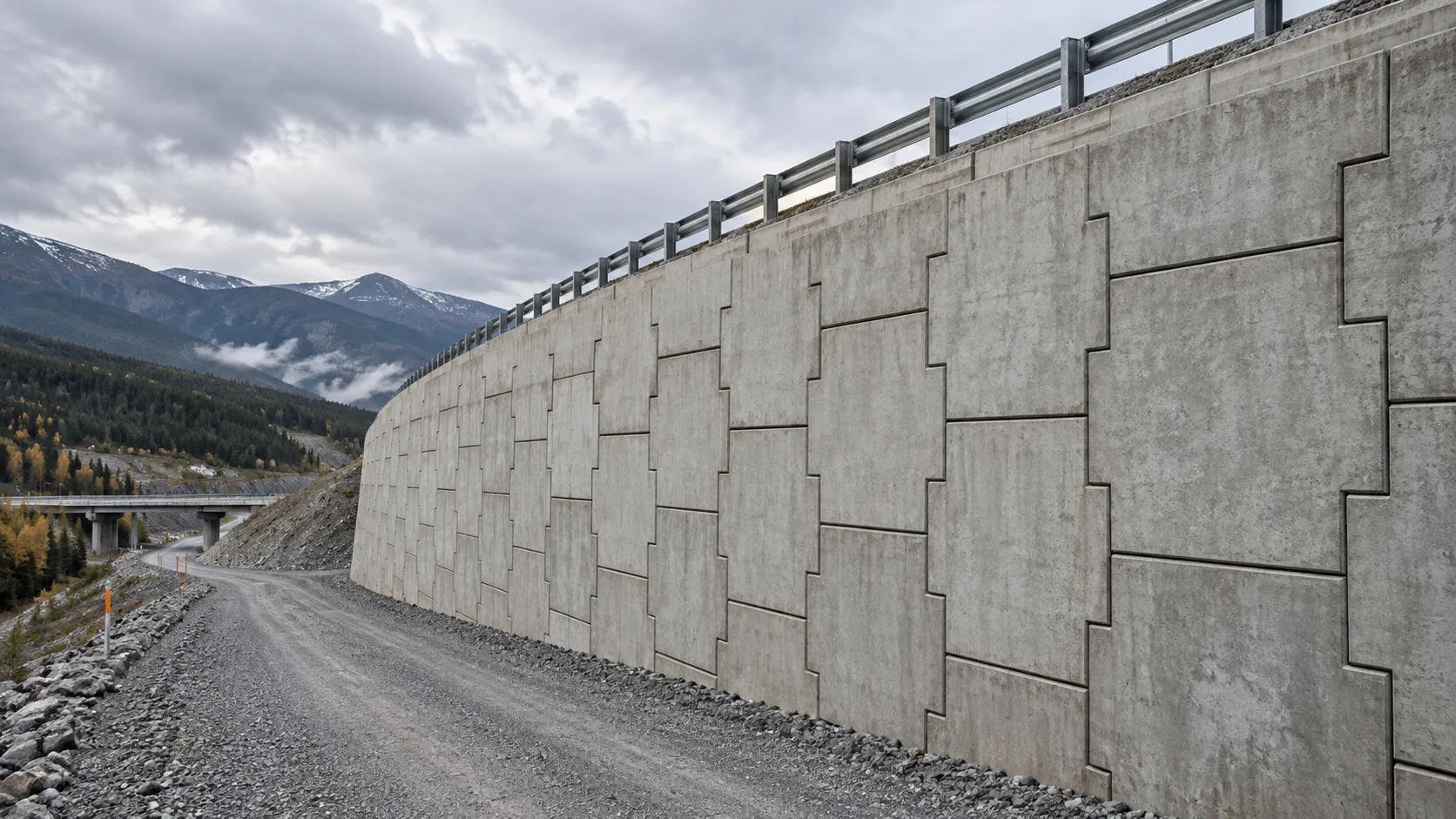
MSE walls are reinforced soil retaining structures built using engineered backfill and steel or geosynthetic reinforcement layers. Faced with precast panels, welded wire baskets, or vegetated facings, MSE walls provide cost-effective, flexible earth retention for infrastructure and commercial projects.
Understanding Mechanically Stabilized Earth (MSE) Walls
MSE walls are reinforced soil retaining structures built using engineered backfill and steel or geosynthetic reinforcement layers. Faced with precast panels, welded wire baskets, or vegetated facings, MSE walls provide cost-effective, flexible earth retention for infrastructure and commercial projects.
The reinforced soil mass acts as a unified, composite structure that resists lateral loads while tolerating settlement better than rigid concrete walls.
This technique is used in our services for:
Typical Applications
How It Works
Our proven methodology ensures consistent, high-quality results for every installation.
Foundation Preparation
Excavate and compact leveling pad to design grade for wall base.
Facing & Reinforcement
Set facing units and connect reinforcement layers extending into backfill zone.
Backfill Placement
Place and compact select granular backfill in controlled lifts.
Drainage Installation
Install drainage aggregate and collection system behind facing.
Key Advantages
Cost Effectiveness
MSE walls typically cost 30-50% less than equivalent cast-in-place concrete walls for heights over 10 feet.
Settlement Tolerance
The flexible nature of reinforced soil accommodates settlement without structural damage or cracking.
Rapid Construction
No concrete cure time—walls can be backfilled and loaded immediately, accelerating project schedules.
Aesthetic Options
Facing choices range from architectural precast panels to vegetated wire baskets for environmental integration.
Proven Performance
Thousands of MSE walls worldwide demonstrate excellent long-term performance with 75-100 year design life.
Technical Considerations
Soil/Rock Conditions
Foundation must support wall weight. Reinforced zone requires select granular backfill meeting gradation and friction requirements.
Groundwater
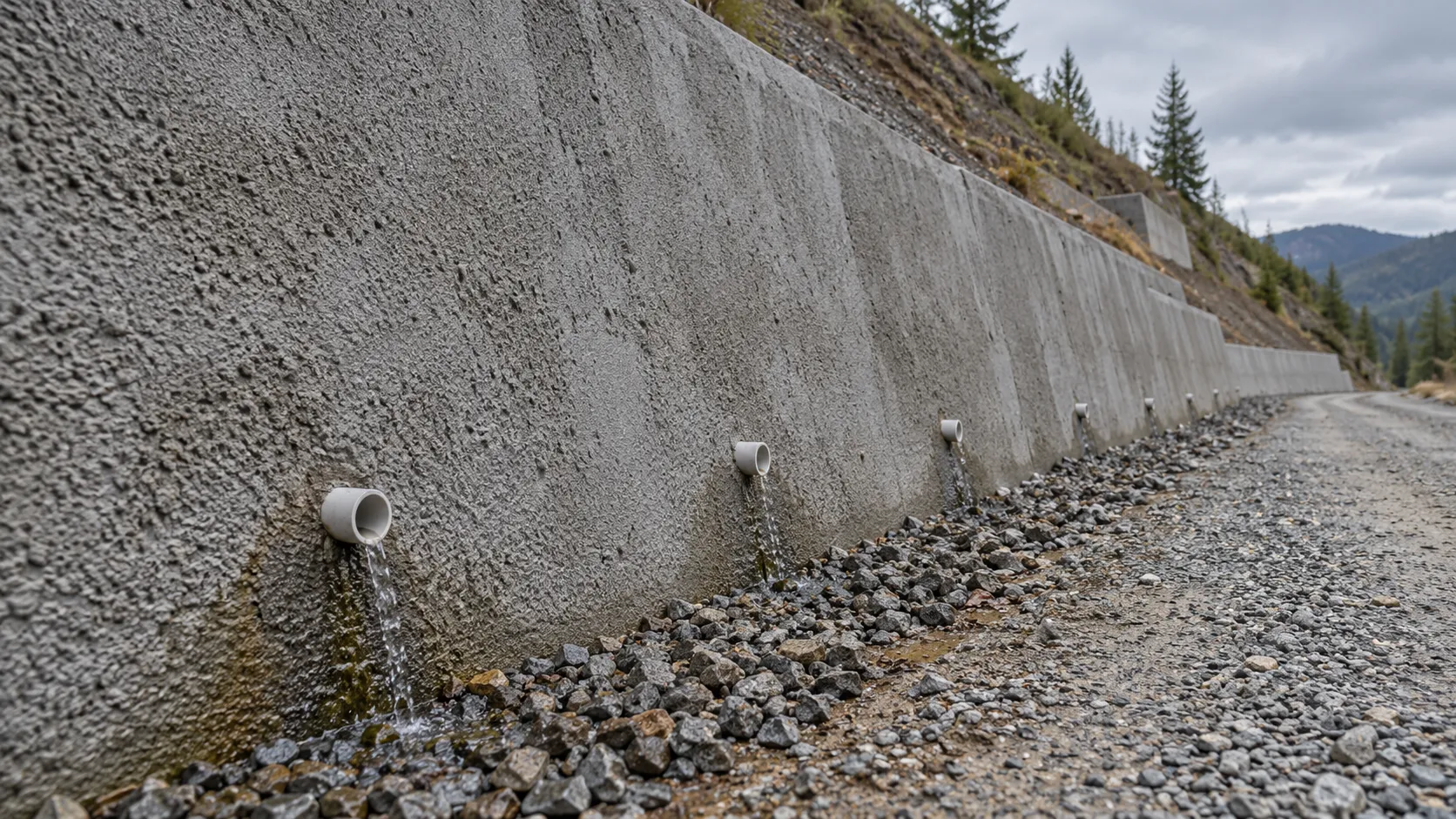
Drainage behind and below the wall is critical. Aggregate drainage blanket and outlet pipes prevent hydrostatic pressure buildup.
Load Capacity
Wall capacity determined by reinforcement type, length, and spacing. Global stability analysis ensures overall slope safety.
Spacing
Reinforcement spacing typically 1-2 ft vertically. Length typically 0.7 x wall height minimum.
Installation Method
Facing units placed, reinforcement connected, backfill placed and compacted in lifts, repeated to full height.
Equipment Used
- Excavation equipment
- Compaction equipment (vibratory roller, plate compactor)
- Facing unit handling equipment
- Survey and QC testing equipment
- Drainage materials
Limitations
- Requires quality select backfill
- Reinforcement zone extends behind wall
- Not suitable for submerged conditions
- Settlement may affect attached structures
Technical Specifications
System Variations
Precast Panel Walls
Concrete panels with architectural finishes for permanent, visible applications.
Best For:
- Highway walls
- Bridge abutments
- Commercial development
Wire-Faced Walls
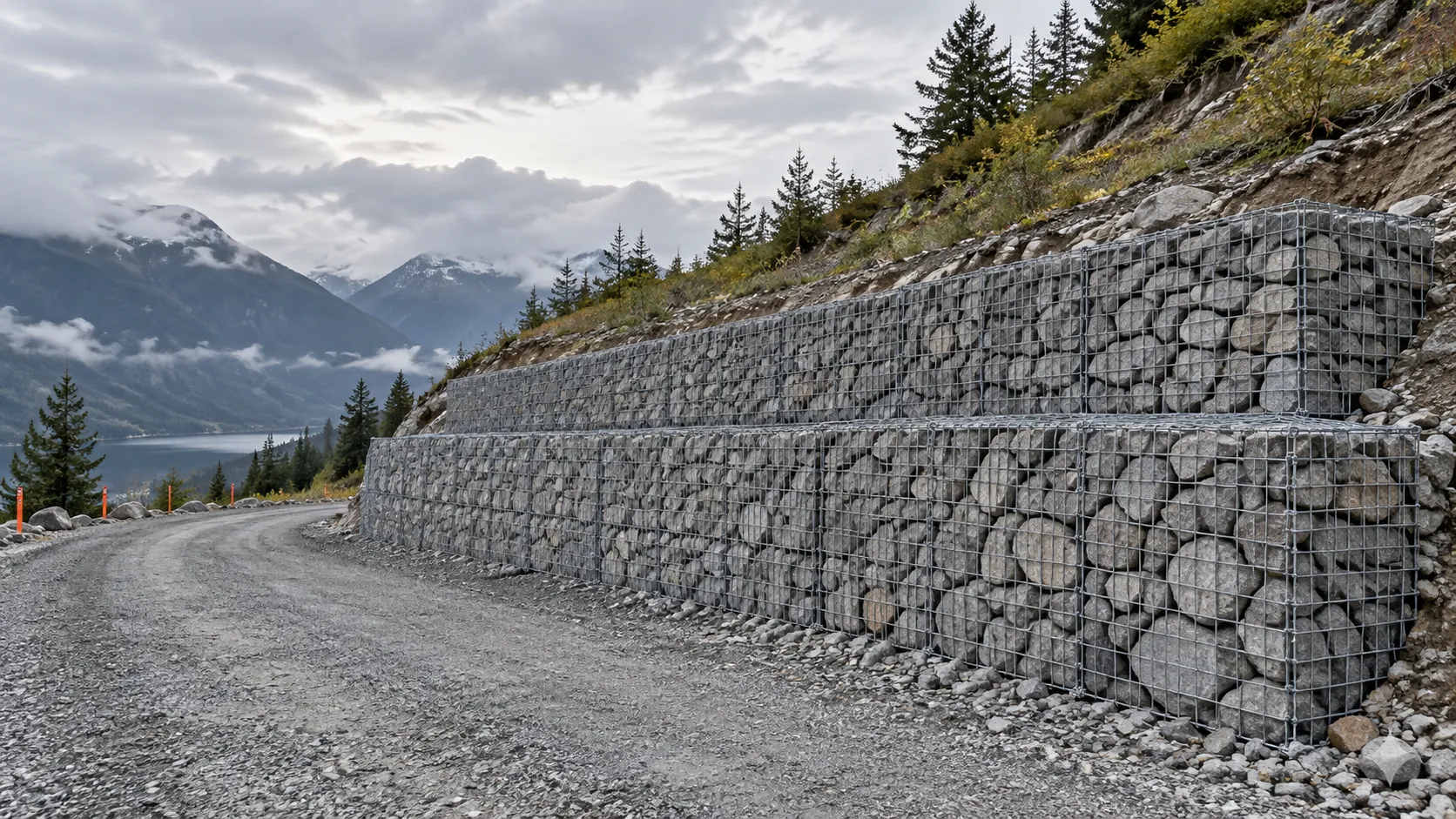
Welded wire baskets with rock or vegetated fill for natural appearance.
Best For:
- Environmental applications
- Temporary walls
- Vegetated slopes
Segmental Block Walls
Modular concrete blocks with geogrid reinforcement for residential and commercial use.
Best For:
- Residential retaining
- Commercial landscapes
- Moderate heights
Hybrid MSE Systems
MSE walls combined with soil nails or anchors for landslide repair.
Best For:
- Slope failures
- Landslide repair
- Complex geometries
Integration With Other Systems
Soil Nailing
Soil nails can reinforce the retained slope while MSE wall provides the facing and lower support.
Learn More
Horizontal Drains
Drains relieve groundwater pressure behind MSE walls for improved long-term performance.
Learn More
Weep Drains
Drainage outlets through facing prevent hydrostatic buildup behind the wall.
Learn More
Micropiles
Micropiles can support MSE wall foundations on weak soils or provide seismic reinforcement.
Learn MoreExample Project Types
- Highway embankment construction
- Bridge approach fills
- Grade separation walls
- Commercial site development
- Landslide repair
- Mining access roads
- Steep terrain roadways
Our Work in Action
Why Choose Rock Supremacy for MSE Walls
Complete Wall Solutions
We handle excavation, reinforcement, backfill, drainage, and facing for turnkey MSE wall construction.
Quality Control
Rigorous compaction testing and documentation ensure walls meet design requirements.
Integrated Geohazard Solutions
MSE walls combined with soil nails, drainage, and anchoring for complex slope stabilization.
Rapid Construction
Experienced crews deliver efficient MSE wall construction to meet aggressive schedules.
Design Assistance
We work with engineers to optimize designs for constructability and cost-effectiveness.
Our Work
See how we've applied this technique and others to solve real-world geotechnical challenges.

Bingham Canyon Mine Support
Highwall stabilization in one of the world's largest open-pit mines to ensure safe ongoing extraction.

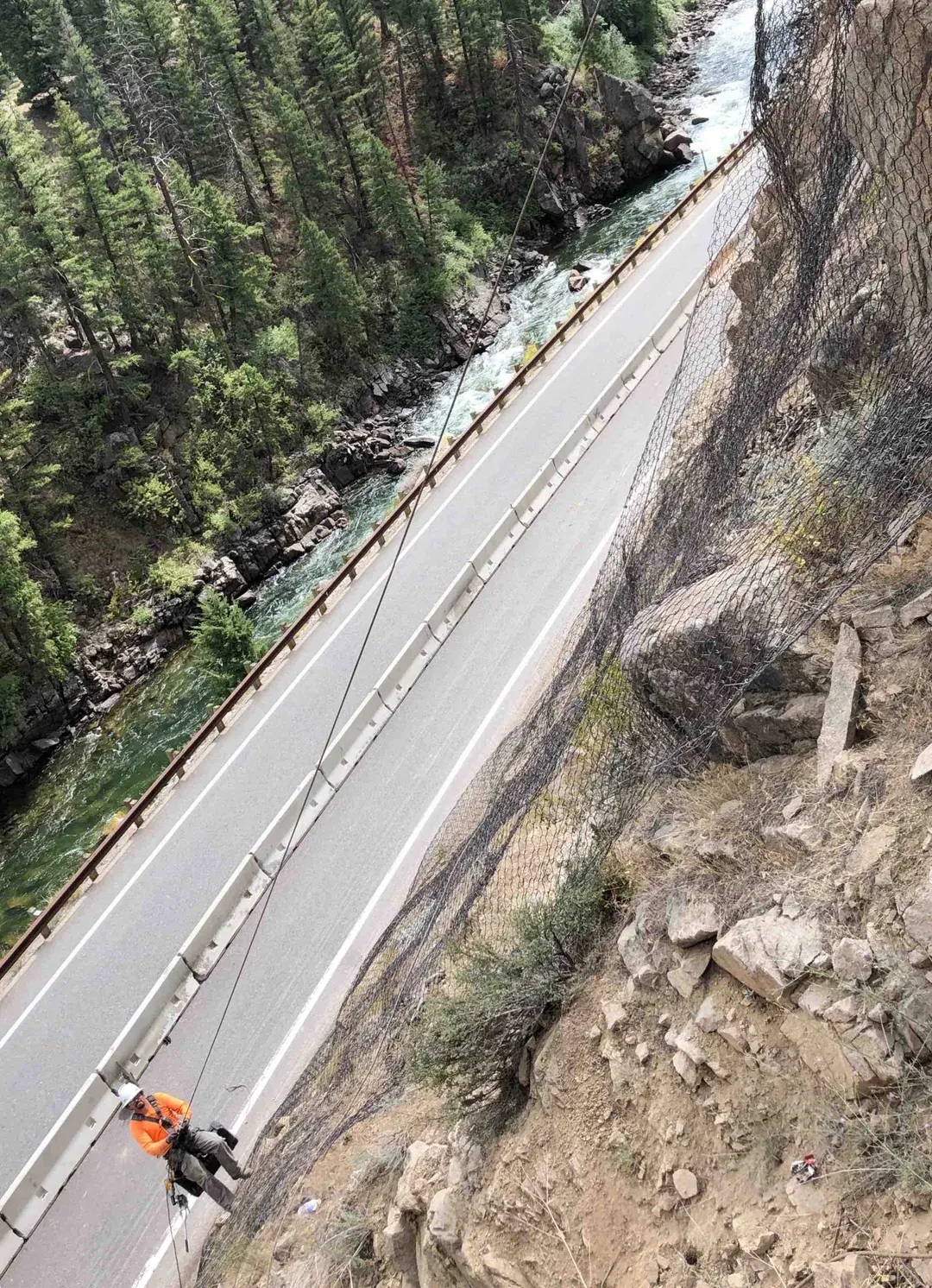
I-70 Corridor Stabilization
Installed 50,000 sq ft of high-tensile mesh and performed extensive scaling after a major weather event.

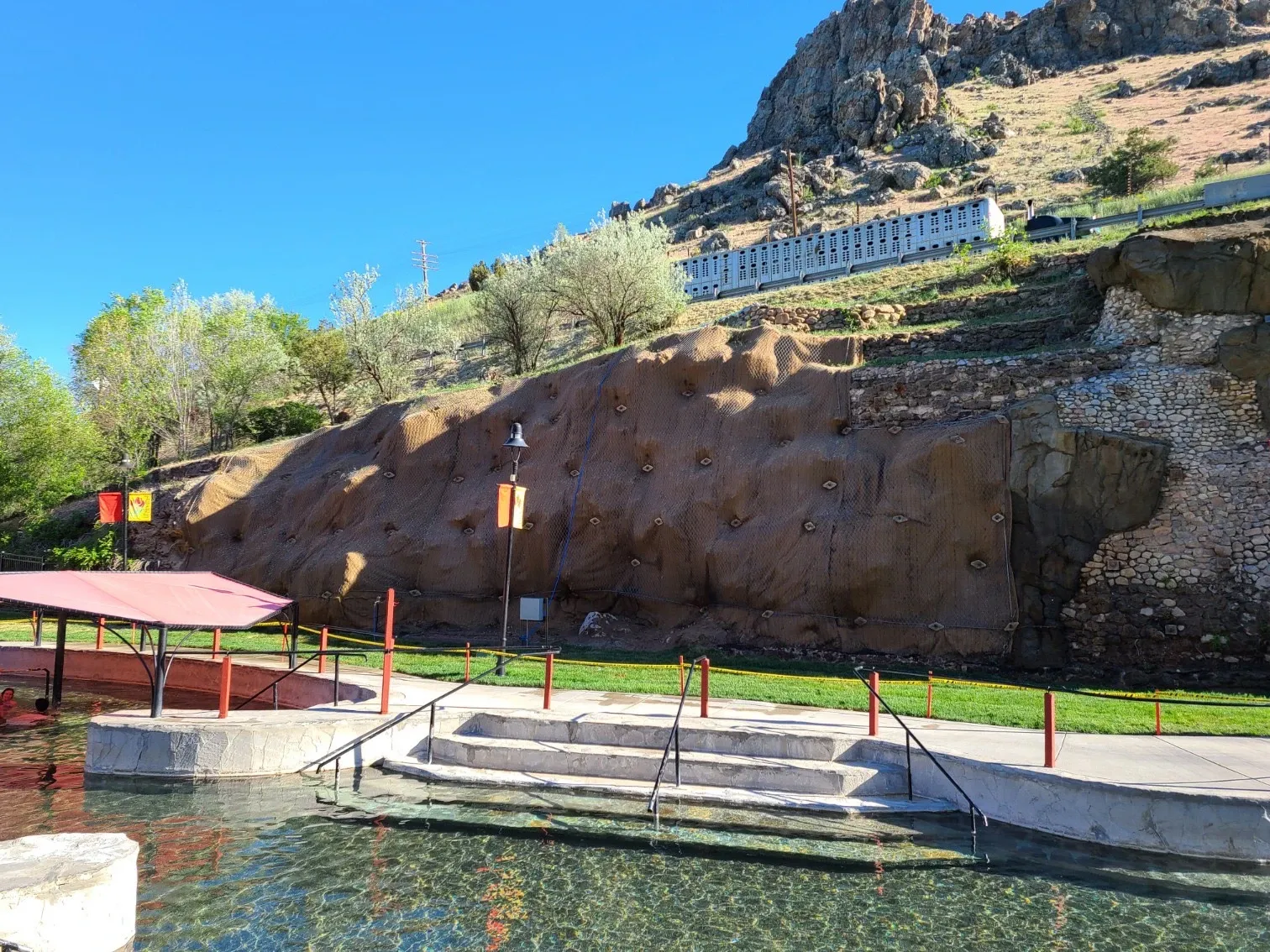
Lava Hot Springs Slope Stabilization
Multi-phase slope stabilization project protecting the historic hot springs resort and Highway 30 from an active landslide.
Mechanically Stabilized Earth (MSE) Walls FAQ
Client Testimonials
Trusted by DOTs, engineering firms, and property owners nationwide.
Deploy Us
Ready to discuss your project? Our team is standing by to assess your site conditions and develop a custom solution using Mechanically Stabilized Earth (MSE) Walls and other proven techniques.
Emergency (24/7)
(541) 383-7625Bidding & Estimates
Info@RockSupremacy.comHeadquarters
Licensed in CO, UT, WY, ID, MT, CA, WA, OR, TN, VA
Request Consultation
Related Techniques
Explore other engineering methods we use to deliver comprehensive geotechnical solutions.
Gabion Baskets
Gabion baskets are wire-mesh containers filled with rock that create flexible, permeable retaining structures. They're widely used for erosion control, slope stabilization, channel protection, and retaining walls where drainage and adaptability to settlement are essential.
Horizontal Drains
Horizontal drains are drilled drainage systems designed to lower groundwater pressure and improve the stability of slopes, embankments, and rock faces. By relieving pore pressure, these drains significantly reduce the risk of landslides, sloughing, and long-term slope movement.
Soil Nailing
Steel bars driven into soil to reinforce and stabilize loose ground or slope faces.
Weep Drains
Weep drains provide surface-level drainage relief by allowing water trapped behind shotcrete, retaining walls, or stabilized slopes to escape. These drains prevent hydrostatic pressure buildup, which can compromise structural stability.