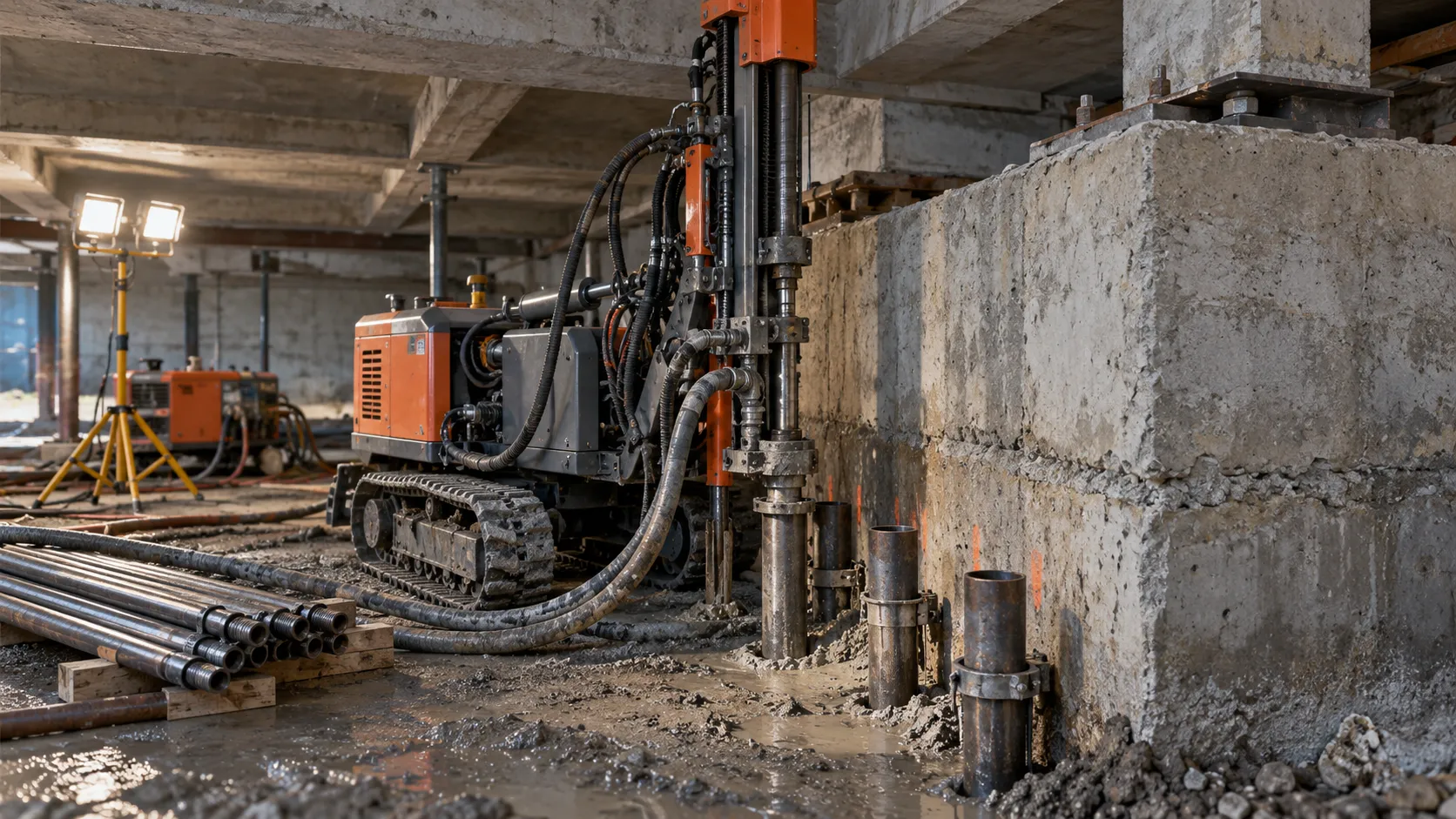
Foundation Repair
When cracks keep widening, doors stop closing, and floors slope toward one corner, the foundation has moved and the soil under it won't stabilize on its own. We install micropile underpinning, helical piers, and pressure grouting to transfer load past the failure to stable ground below.
Complete Foundation Repair Solutions
Foundation repair requires understanding why your foundation is failing and designing a solution that addresses the root cause. Our approach combines thorough assessment with proven repair techniques that provide permanent stabilization.
Micropiles are our most versatile foundation repair solution. These small-diameter drilled piles develop high capacity through friction in dense soil or rock bond. Low-headroom drilling can allow micropile underpinning inside existing structures. Pile capacity and testing requirements follow the project design.
Helical piers are ideal for lighter residential foundations. These screw-in piles install quickly without the spoils and vibration of drilled systems. We use helical piers for single-family homes, additions, and structures on soft soils.
Pressure grouting addresses foundation problems caused by voids or loose soil. Compaction grouting densifies weak soils; permeation grouting stabilizes sandy or gravelly materials; compensation grouting can lift settled foundations back toward original grade.
For basement walls that are bowing or cracking from lateral earth pressure, tieback anchors provide the restraint needed to stabilize and straighten the wall. We drill through the wall into stable soil beyond, then tension high-strength anchors to hold the wall in place.
Every foundation repair project includes a thorough assessment of existing conditions, subsurface investigation to determine soil properties and depth to stable bearing material, engineered design by licensed professionals, installation by experienced crews, load testing to verify capacity, and documentation for insurance, resale, and peace of mind.
If your project concerns changed structural loads or support during new construction, explore our foundation and infrastructure support scope. Share the available foundation plans, geotechnical information, and construction requirements with our team.
This service supports our solutions for:
 Foundation & Infrastructure Support
  Landslide Remediation
  Slope Stabilization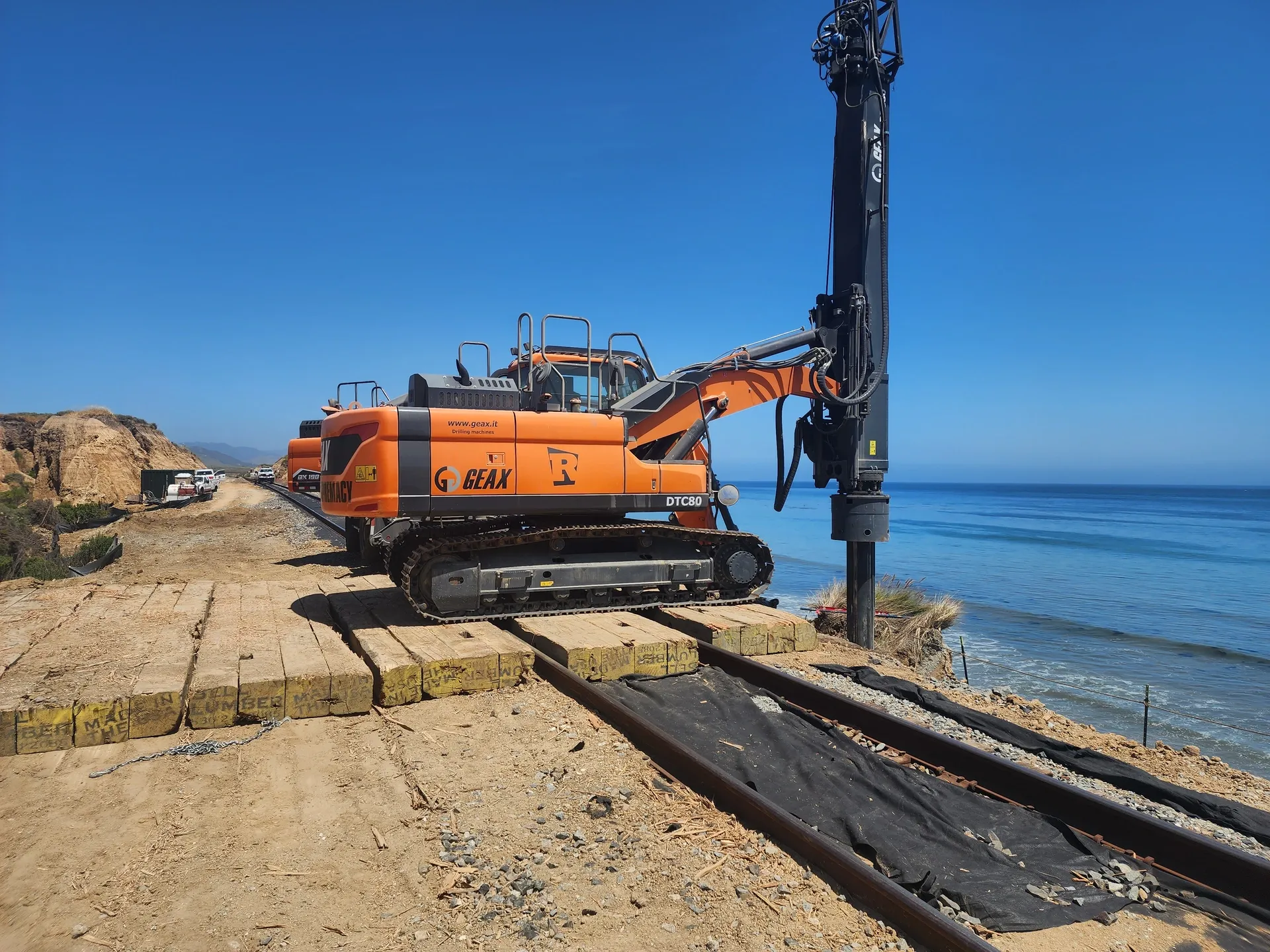
Tools & Technology
We deploy specialized equipment matched to project requirements and site conditions.
How We Do It
Proven methods and specialized techniques that deliver reliable, long-lasting results.

Micropile Underpinning
Micropile underpinning adds support beneath an existing structure using small drilled piles. Connections transfer the foundation load to suitable ground below.
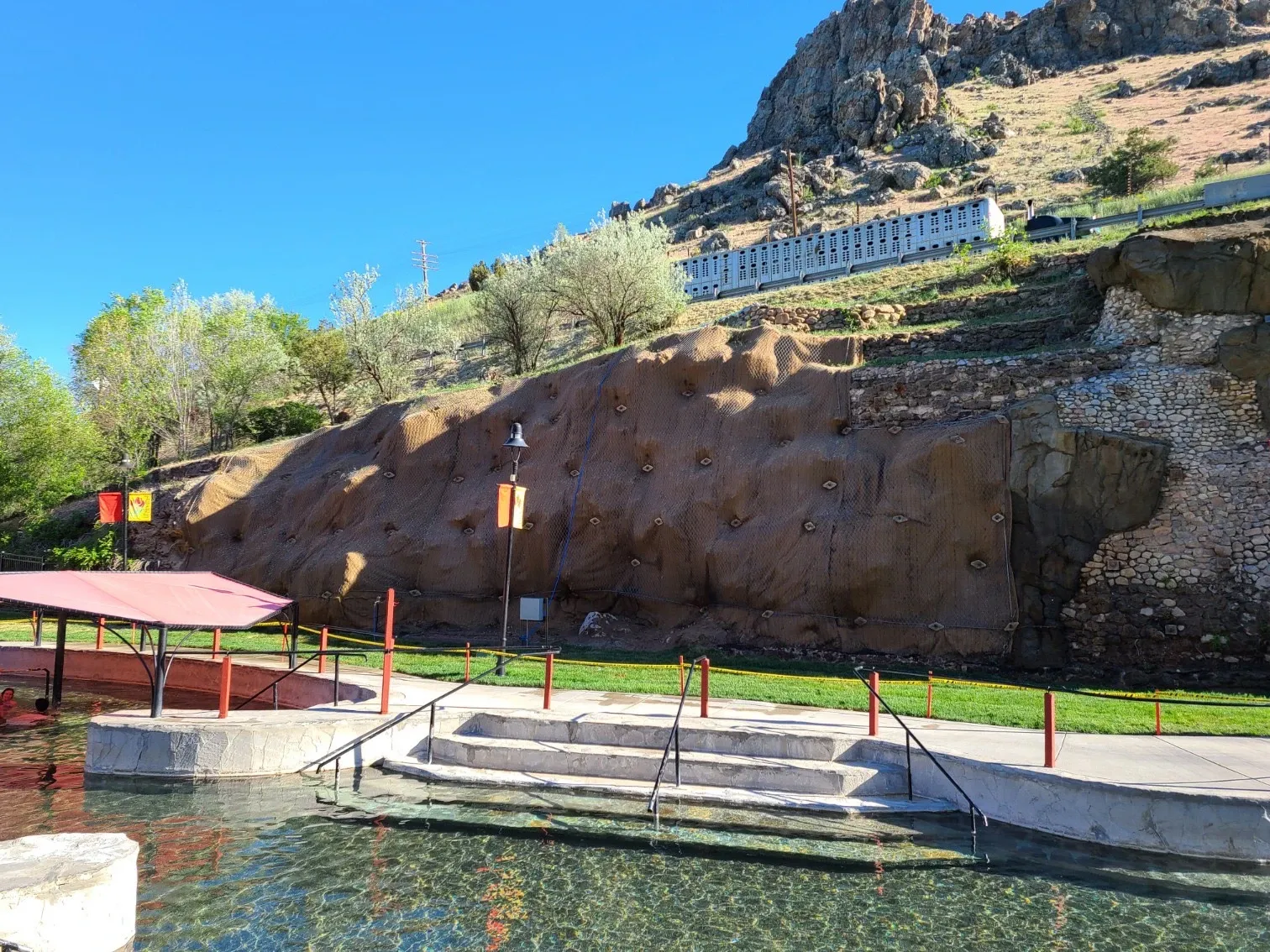

Horizontal Drains
Explore drilled drainage for slopes and landslide repair, then discuss installation access, ground conditions, and the drainage scope for your project.
Micropiles
Micropiles are small drilled foundation elements that transfer structural loads into suitable ground. They are useful where access is restricted or an existing foundation needs additional support.
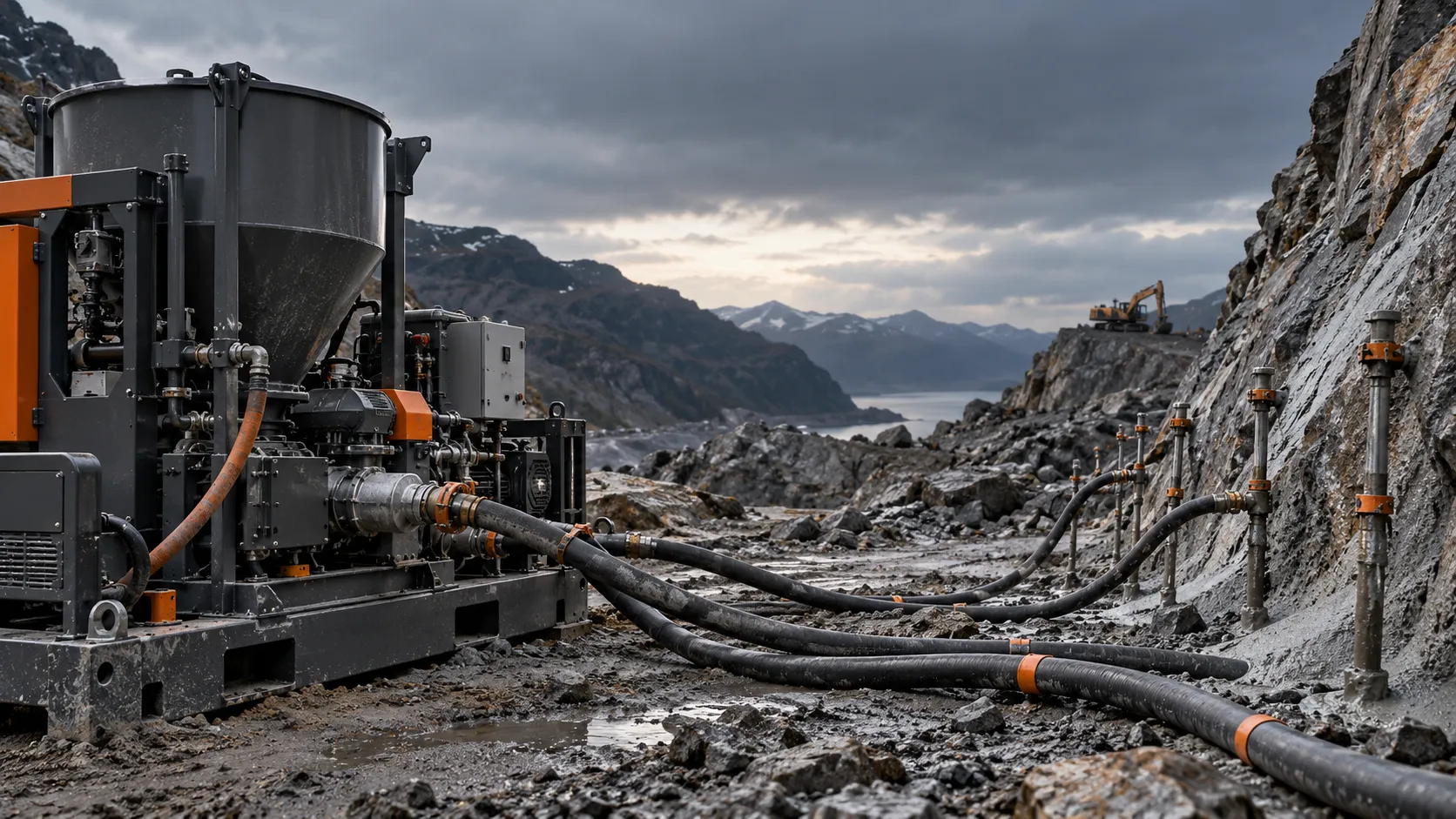

Pressure Grouting
Pressure grouting places grout into the ground to fill voids, strengthen weak areas, or control water movement. The material and installation method depend on the ground and the purpose of the treatment.
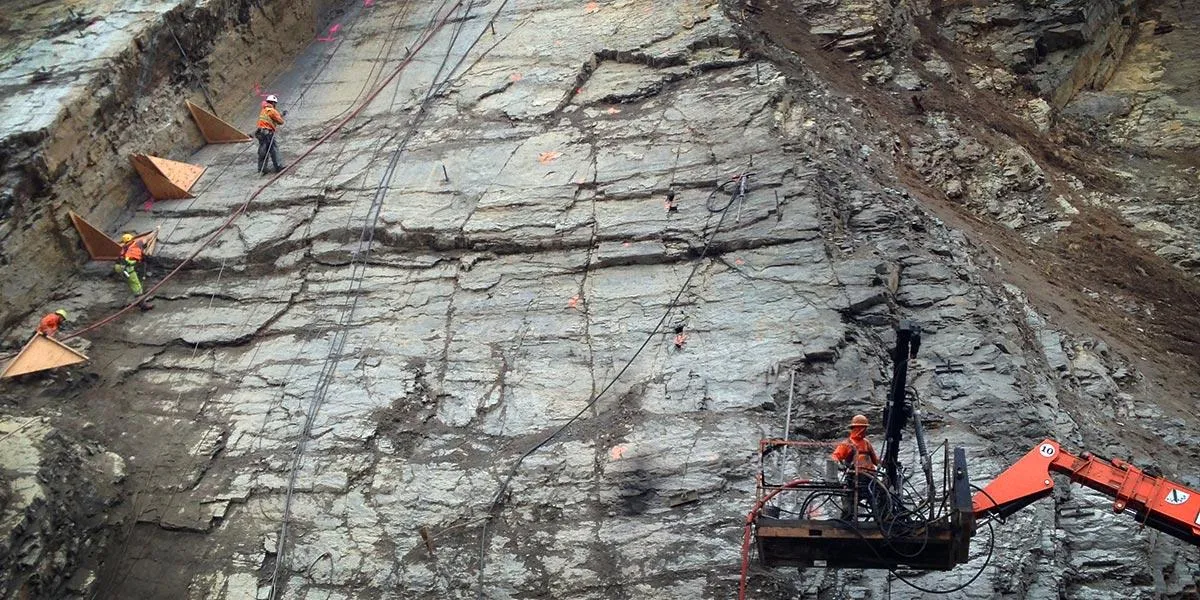

Tieback Anchors
Geotechnical tieback anchors transfer loads from retaining walls and excavation support into stable ground. Explore how drilled-and-grouted anchors work, or discuss installation requirements for your project.
Why Choose Rock Supremacy for Foundation Repair
Our Work in Action
Foundation Repair FAQ
What Our Clients Say
We take pride in building lasting relationships with our clients through exceptional service and results.
"It amazes me how quick these guys adapt to challenging and seemingly overwhelming construction situations in the best, and most creative approach. Very smart, dedicated, hardworking group of brave workers in hazardous work sites. Not the type of work just anyone can do! Keep up the good work!"
"When it comes to heavy foundation anchoring and stabilization projects, these guys are superb. Although the majority of the company's jobs involve heavy civil work, my project required their skills and specialized equipment for a challenging residential cliffside application. After careful review and critique of our plans, as well as assuring that expectations were fully understood, the work began on time and was completed ahead of schedule with minimal trauma along the way. In all, the job required the installation of ten horizontal deep rock anchors, several vertical piles, and shotcrete encapsulation. I highly recommend Rock Supremacy's services and would definitely use them again."
"We engaged Rock Supremacy for a very challenging cliffside project that involved the stabilization and reinforcement of a retaining wall which ultimately required a total of ten drilled horizontal rock anchors, multiple vertical stabilization pilings and encapsulation with concrete structural reinforcement. Even though my residential project, as large as it was to me, was of a much smaller scale than the company often deals with, it approached the task with all of the consideration and professionalism I could hope for. Notably, they were not hesitant to take on a challenging terrain even with its limited access. From the outset, Corey Muir was very engaged in the project and with finding workable solutions. He was eager to explore alternative options for accomplishing the goals and worked diligently with my engineering consultants to tweak the design for a practical, affordable solution. Throughout the planning process, he maintained excellent communications with myself and our structural engineers. Corey was careful to make sure, prior to our final agreement, that all details were fully understood. The company began the project exactly when anticipated. The on-site crew, David, Nate and Jules proved to be the "A" team. They are very skilled and professional. I found them considerate, easy to interact with, and flexible with regard to change possibilities. The team showed careful concern for my property and all possible avoidance of collateral damage while completing a job that involved some very heavy equipment. When the concrete supplier was unduly delayed, they took it in stride and made the best of the situation. The job was actually finished a little ahead of schedule. Definitely a five star rating for this group, I would be happy to further discuss my experience with anyone contemplating the use of Rock Supremacy's services."
Deploy Us
Ready to discuss your foundation repair needs? Our team can assess your site conditions and provide a custom solution.
Include any licensing, insurance, and crew qualification requirements in your inquiry so we can review them for the project.
Request Consultation
Need Foundation Repair Services?
Our experienced crews are ready to mobilize. Contact us to discuss your project requirements.