Pressure Grouting

Pressure Grouting

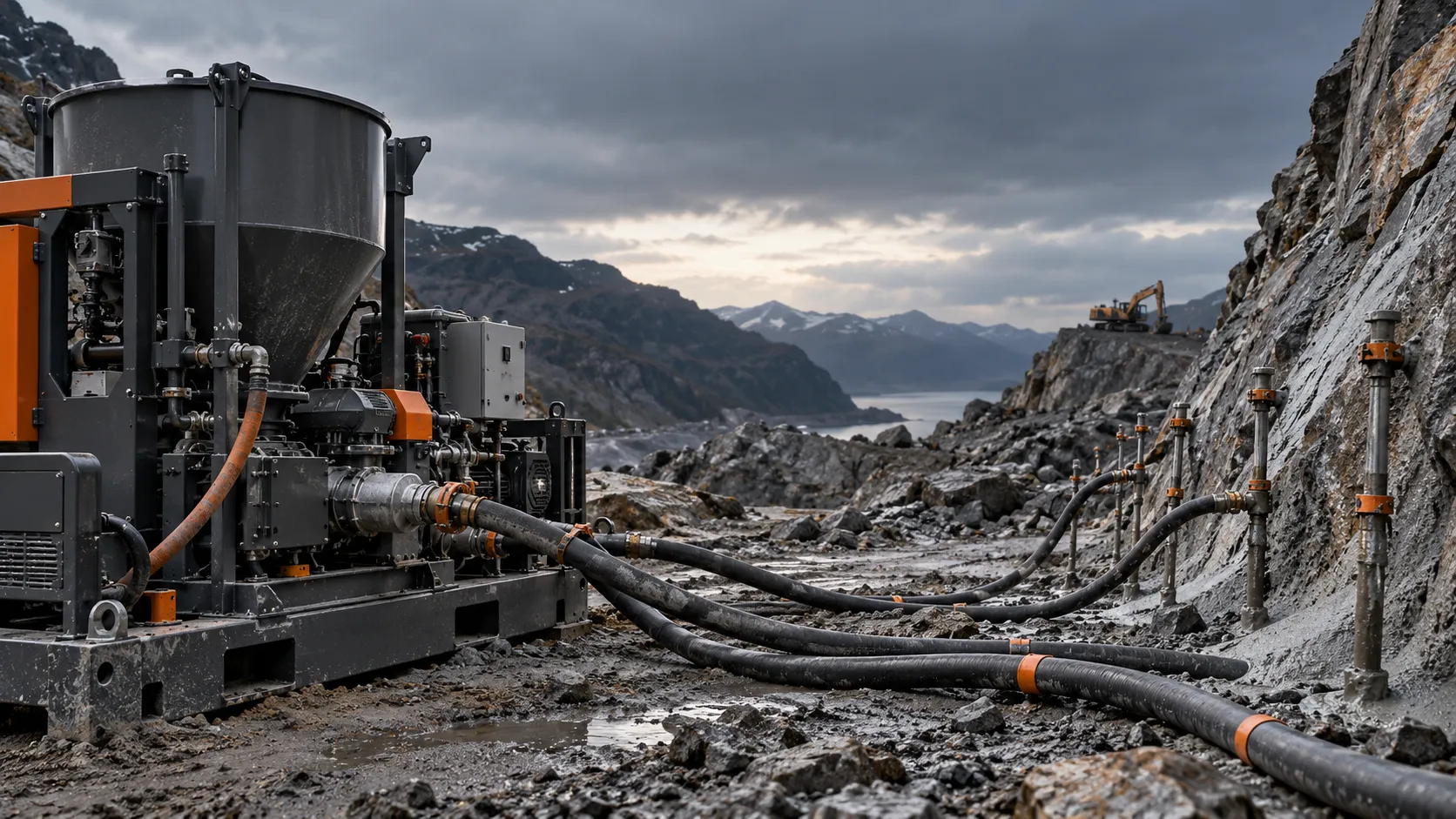
Pressure grouting strengthens ground, fills voids, and reduces water infiltration by injecting grout into soil, fractured rock, or void spaces. This technique supports slope stabilization, foundation improvement, landslide remediation, and structural repairs.

200+
PSI Pressure
Deep
Ground Treatment
Seals
Water Pathways
In-Situ
Improvement
Overview

Understanding Pressure Grouting

Pressure grouting strengthens ground, fills voids, and reduces water infiltration by injecting grout into soil, fractured rock, or void spaces. This technique supports slope stabilization, foundation improvement, landslide remediation, and structural repairs.

By improving ground properties in-situ, grouting provides solutions where excavation and replacement are impractical.

Increases soil stiffness and strength
Reduces water flow through weak zones
Fills voids or underground cavities
Can be performed in difficult-access areas
Minimal surface disturbance

This technique is used in our services for:

Pressure Grouting
Use Cases

Typical Applications

Filling voids or sinkholes
Slope stabilization
Underpinning foundations
Sealing water pathways in fractured rock
Increasing bearing capacity
Mitigating settlement or ground loss
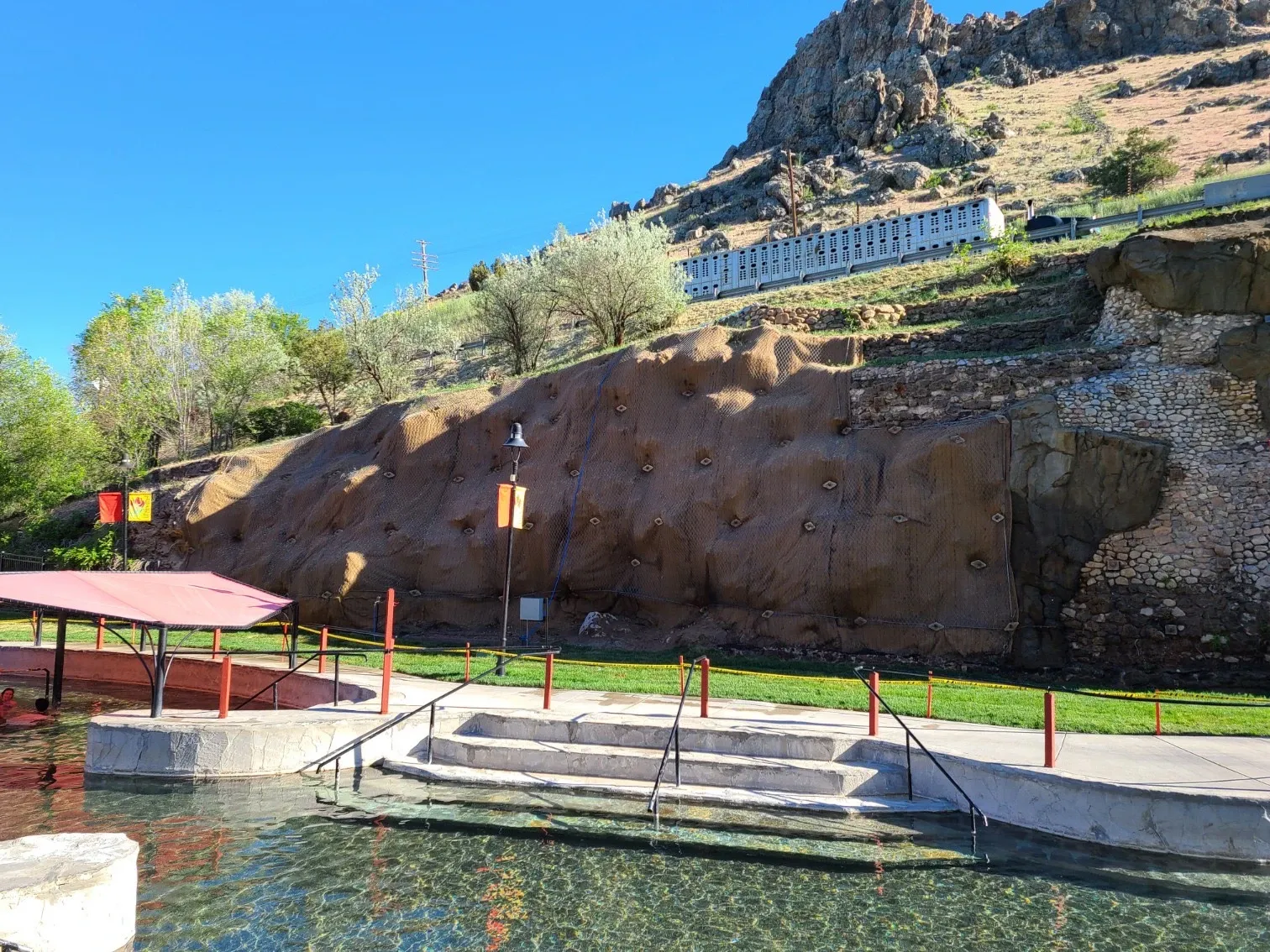
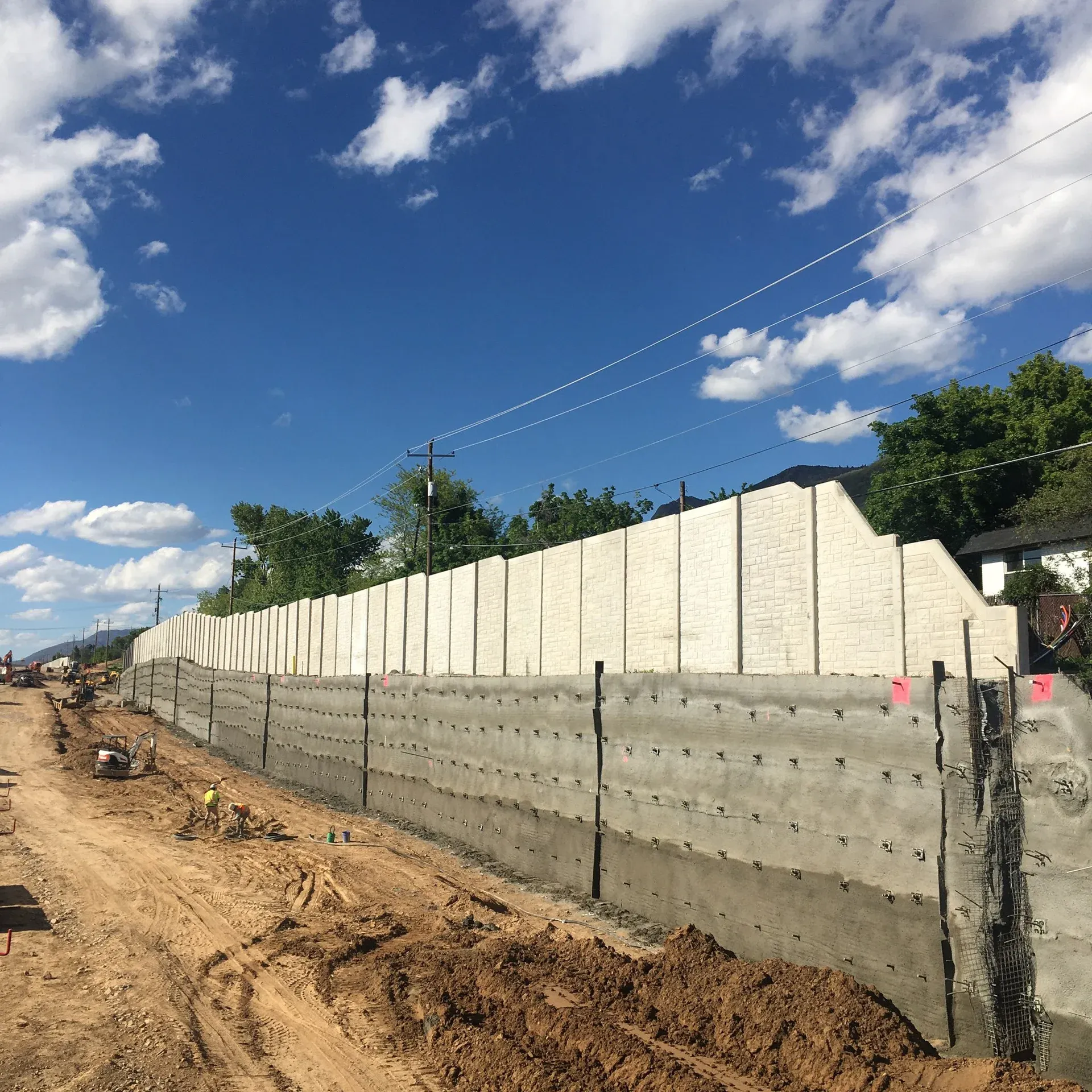
Pressure Grouting - Image 1
Process

How It Works

Our proven methodology ensures consistent, high-quality results for every installation.

1

Hole Drilling

Drill injection holes into the target zone at designed spacing and depth.

2

Packer Installation

Install mechanical or inflatable packers to isolate treatment zones.

3

Grout Injection

Pump grout at controlled pressures while monitoring take and ground response.

4

Verification

Confirm treatment effectiveness through water testing, coring, or monitoring.

Benefits

Key Advantages

In-Situ Treatment

Improves ground properties without excavation, ideal for sites with existing structures or access constraints.

Water Control

Seals fractures and voids that allow water infiltration, protecting structures and improving stability.

Void Filling

Addresses sinkholes, abandoned utilities, and subsurface voids that threaten surface structures.

Versatile Application

Multiple grout types and injection methods allow treatment of diverse ground conditions.

Immediate Results

Ground improvement is achieved during injection; results can be verified immediately.

Engineering

Technical Considerations

Soil/Rock Conditions

Grout type and injection method selected based on soil/rock permeability. Fine soils require chemical or microfine grouts; coarse soils accept cement grout.

Groundwater

Grouting can seal water pathways but must account for groundwater flow during injection. Water testing verifies treatment effectiveness.

Load Capacity

Compaction grouting densifies loose soils to increase bearing capacity. Design loads verified through testing.

Spacing

Hole spacing depends on grout travel distance and treatment objectives. Typical grids range from 3-10 ft.

Installation Method

Staged injection from bottom-up controls grout placement. Pressure monitoring prevents hydraulic fracturing or unintended ground displacement.

Equipment Used

  • Drill rigs for hole installation
  • Grout mixing and pumping plants
  • Mechanical or inflatable packers
  • Pressure gauges and flow meters
  • Monitoring equipment

Limitations

  • Grout travel unpredictable in highly fractured rock
  • Pressure limits required to prevent heave
  • Temperature affects cure time
  • May require multiple injection stages

Technical Specifications

Grout Types
Cement / Microfine / Chemical
Pressure
10 to 200+ psi
Hole Spacing
3 ft to 10 ft grid
Applications
Permeation / Compaction / Fracture
Options

System Variations

Compaction Grouting

Dense, low-mobility grout displaces and densifies loose soil without permeating the soil matrix.

Best For:

  • Settlement remediation
  • Sinkhole treatment
  • Foundation improvement

Permeation Grouting

Low-viscosity grout permeates soil pores without displacement, strengthening the soil mass.

Best For:

  • Water control
  • Fine soil stabilization
  • Contamination barriers

Fracture Grouting

Controlled fracturing and grout injection to improve rock mass properties and seal water paths.

Best For:

  • Dam foundations
  • Rock fracture sealing
  • Tunnel waterproofing

Chemical Grouting

Reactive chemical grouts for fine soils and rapid water control applications.

Best For:

  • Emergency water cutoff
  • Fine-grained soil treatment
  • Rapid-set requirements
Experience

Example Project Types

  • Foundation repair and underpinning
  • Sinkhole remediation
  • Dam foundation treatment
  • Tunnel waterproofing
  • Landslide stabilization
  • Mine void filling
  • Soil improvement for construction
Gallery

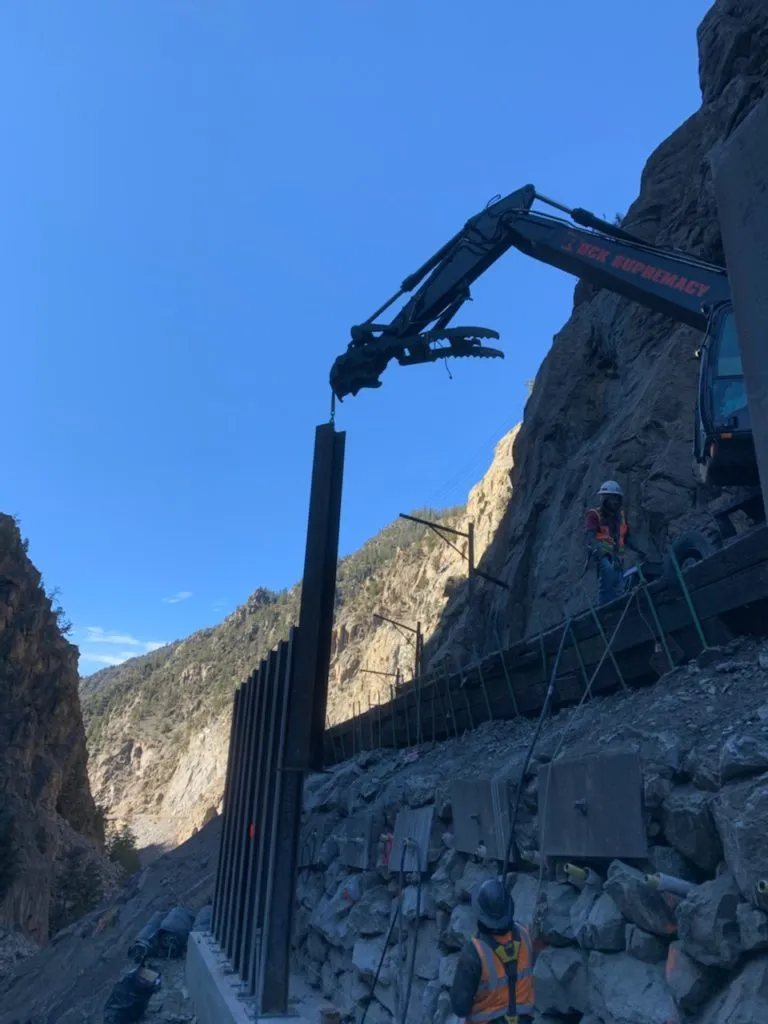
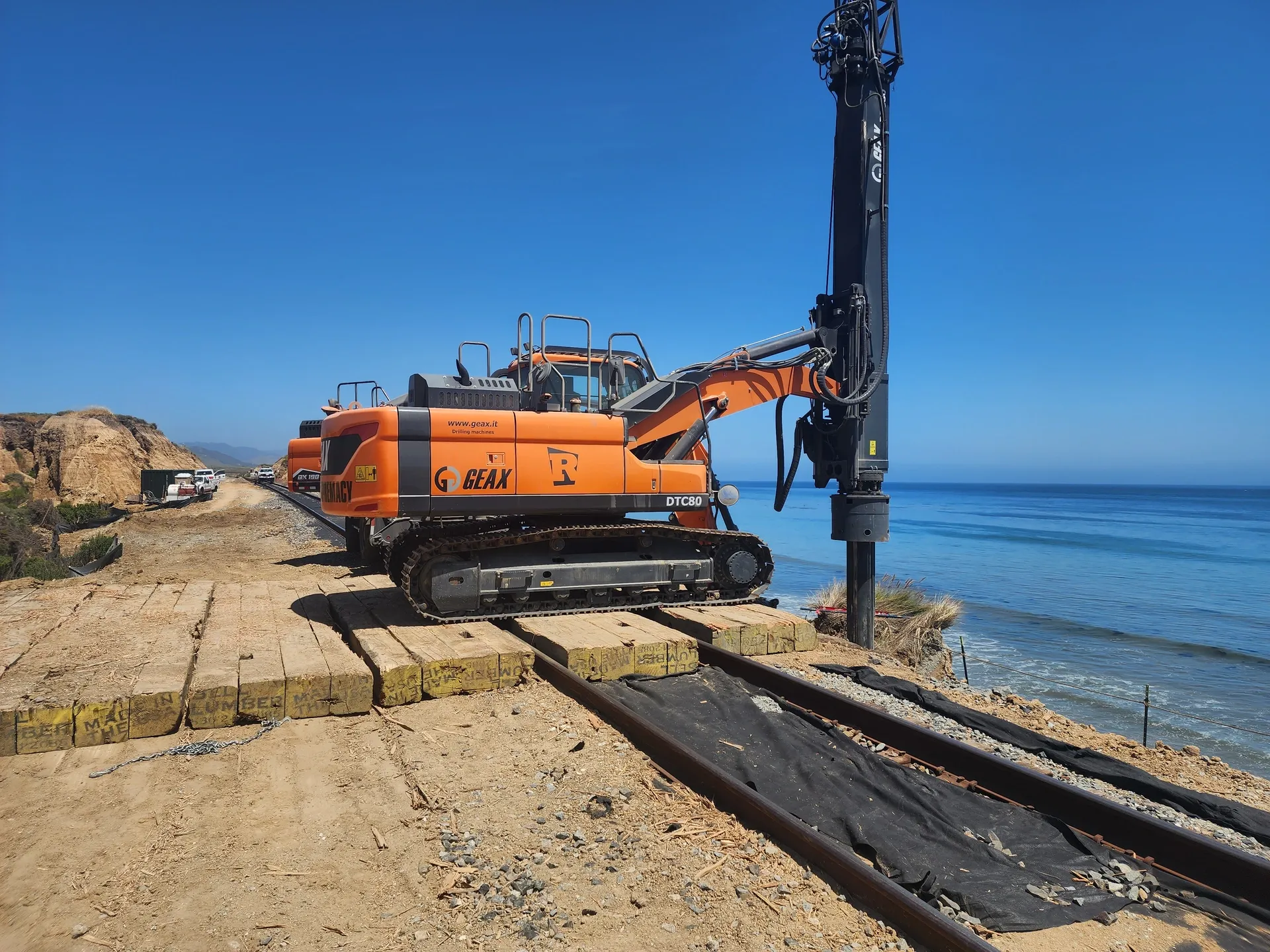
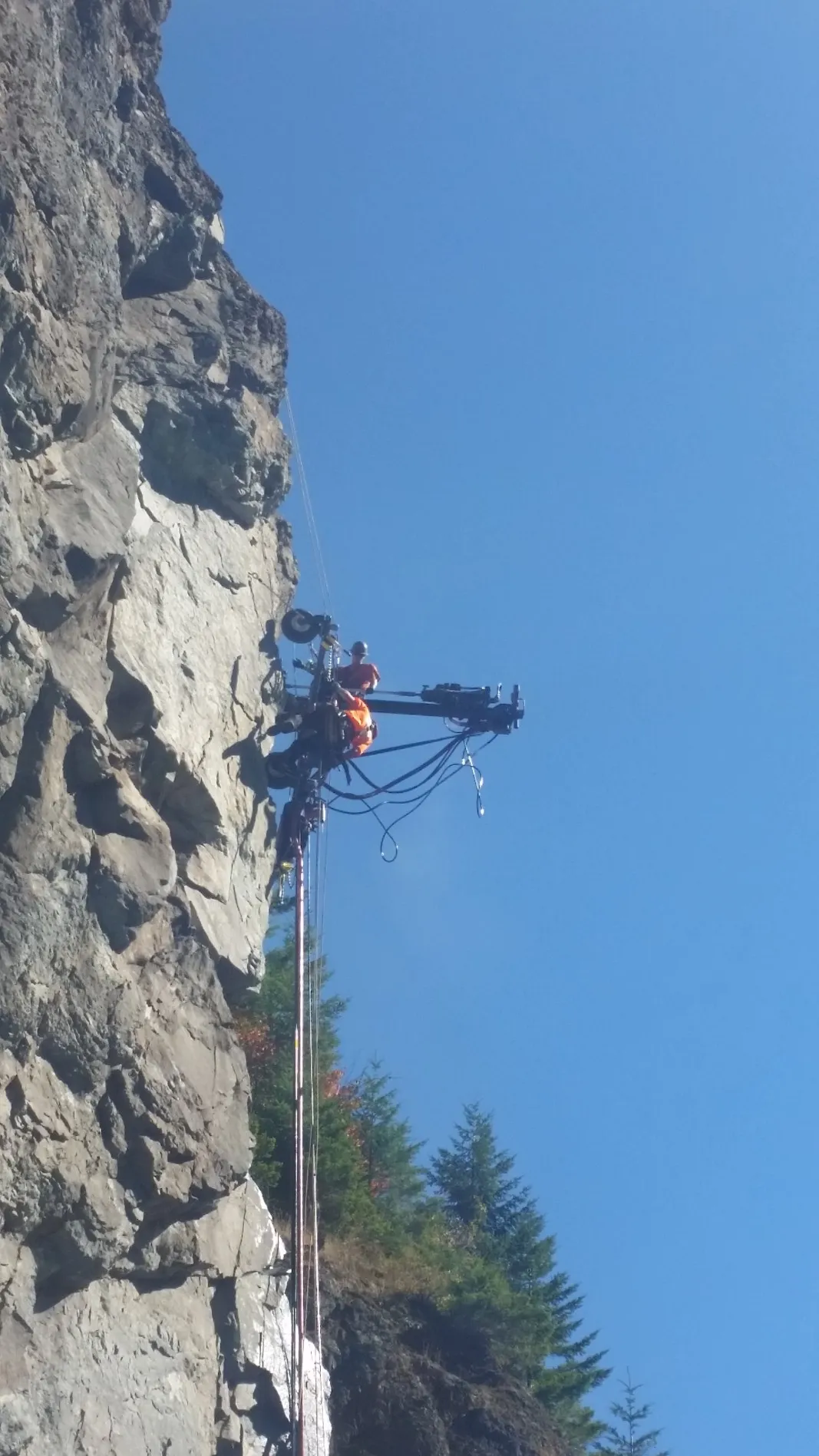
Our Work in Action

Expertise

Why Choose Rock Supremacy for Pressure Grouting

Specialized Crews

Our grouting teams have extensive experience with controlled pressure injection in varied geological settings.

Field Instrumentation

Real-time pressure and flow monitoring ensures treatment effectiveness and prevents ground damage.

Multiple Grout Types

We select cement, microfine, or chemical grouts based on ground conditions and project objectives.

Verification Testing

Water testing, coring, and monitoring confirm treatment effectiveness before project completion.

Integrated Solutions

Grouting is combined with drainage, anchoring, and other techniques for comprehensive stabilization.

Questions

Pressure Grouting FAQ

Common grout types include cement grout for coarse soils and rock fractures, microfine cement for finer soils, and chemical grouts (polyurethane, acrylic) for fine soils and rapid water control.
Injection pressure, grout viscosity, and staged grouting control grout travel. Packers isolate treatment zones, and pressure monitoring prevents unintended displacement.
Yes, excessive pressure can cause surface heave. We monitor injection pressure and ground movement to stay within safe limits. Compaction grouting intentionally displaces ground in a controlled manner.
Water pressure testing before and after treatment, core sampling of grouted zones, and surface monitoring verify that treatment objectives have been achieved.
Yes, cement and chemical grouts provide permanent ground improvement. Grout durability depends on ground chemistry and groundwater conditions.
Testimonials

Client Testimonials

Trusted by DOTs, engineering firms, and property owners nationwide.

Contact

Deploy Us

Ready to discuss your project? Our team is standing by to assess your site conditions and develop a custom solution using Pressure Grouting and other proven techniques.

Emergency (24/7)

(541) 383-7625

Bidding & Estimates

Info@RockSupremacy.com

Headquarters

Western Division (HQ)
65147 N Hwy 97
Bend, OR 97701
Eastern Division
915 Millennium Ct
Blountville, TN 37617

Licensed in CO, UT, WY, ID, MT, CA, WA, OR, TN, VA

Request Consultation