Horizontal Drains
Horizontal drains are drilled drainage systems designed to lower groundwater pressure and improve the stability of slopes, embankments, and rock faces. By relieving pore pressure, these drains significantly reduce the risk of landslides, sloughing, and long-term slope movement.
Understanding Horizontal Drains
Horizontal drains are drilled drainage systems designed to lower groundwater pressure and improve the stability of slopes, embankments, and rock faces. By relieving pore pressure, these drains significantly reduce the risk of landslides, sloughing, and long-term slope movement.
They're one of the most effective—and often most overlooked—geotechnical mitigation tools available.
This technique is used in our services for:
Typical Applications
How It Works
Our proven methodology ensures consistent, high-quality results for every installation.
Site Investigation
Drill a horizontal or sub-horizontal borehole into the slope toward the suspected groundwater source.
Pipe Installation
Install perforated PVC or HDPE pipe to allow water inflow along the drain length.
Outlet Construction
Create an outlet at the slope face for free drainage to daylight or collection system.
Pressure Relief
As groundwater enters the drain, pore pressure decreases, improving slope stability.
Key Advantages
Passive Operation
Once installed, horizontal drains work continuously without pumps, power, or active management.
Cost-Effective
Drainage often provides more stability improvement per dollar than structural reinforcement alone.
Addresses Root Cause
Rather than resisting failure forces, drains eliminate the groundwater that causes instability.
Long Service Life
Properly designed drains with filter protection provide 50+ years of reliable service.
Minimal Footprint
Small outlet pipes have minimal visual impact compared to surface drainage systems.
Technical Considerations
Soil/Rock Conditions
Drain effectiveness depends on soil/rock permeability. Highly permeable zones drain effectively; clay soils may require closer spacing or longer drains.
Groundwater
Target the water-bearing zone based on piezometer data or seepage observations. Drains must intercept the groundwater source to be effective.
Load Capacity
Not applicable—drains provide stability improvement through pore pressure reduction, not structural reinforcement.
Spacing
Drain spacing typically 25-100 ft depending on soil permeability and required drawdown. Closer spacing in low-permeability soils.
Installation Method
Directional drilling at slight upward angle (2-10°) to promote gravity drainage. Slotted PVC with filter sock prevents clogging.
Equipment Used
- Track-mounted drill rigs
- Directional drilling equipment
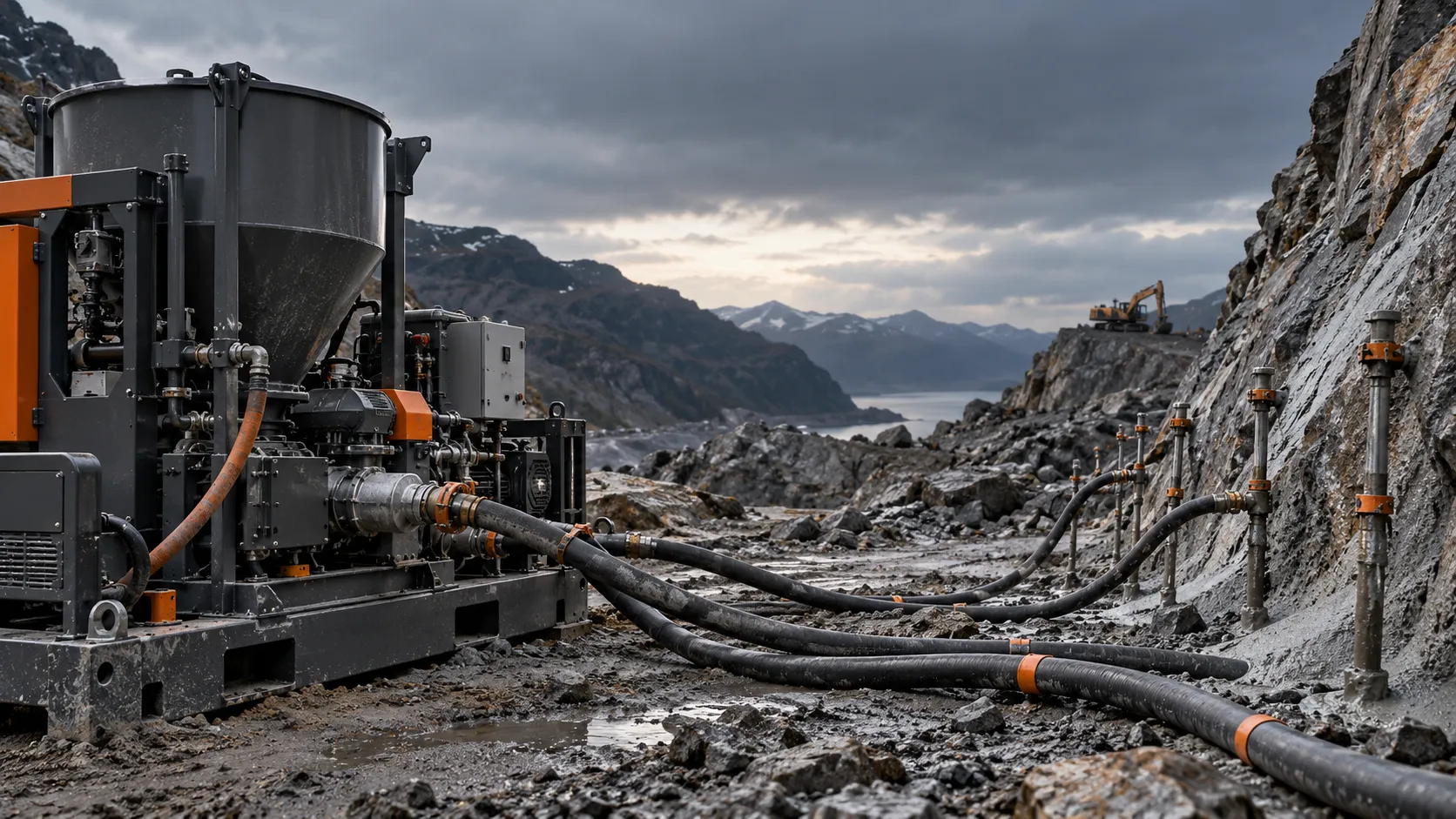
- Slotted PVC or HDPE pipe
- Filter sock material
- Piezometers for monitoring
Limitations
- Requires permeable ground to be effective
- May need periodic flushing to prevent clogging
- Seasonal groundwater fluctuations affect flow
- Not effective for perched water tables above drain elevation
Technical Specifications
System Variations
Single Drain Arrays
Individual drains targeting specific seepage zones or groundwater sources.
Best For:
- Localized seepage
- Point source drainage
- Spot treatment
Multi-Drain Fan Arrays
Multiple drains installed from a single drilling location to maximize coverage.
Best For:
- Large slope areas
- Deep-seated failures
- Comprehensive drainage
Pump-Assisted Drains
Drains with pumping capability for situations where gravity drainage is insufficient.
Best For:
- Low-permeability soils
- Emergency dewatering
- Active landslides
Drain Galleries
Underground tunnels or adits providing access for multiple horizontal drains.
Best For:
- Dam abutments
- Large landslide complexes
- Mining operations
Integration With Other Systems
Soil Nailing
Drains relieve groundwater pressure while soil nails provide structural reinforcement.
Learn More
Shotcrete Facing
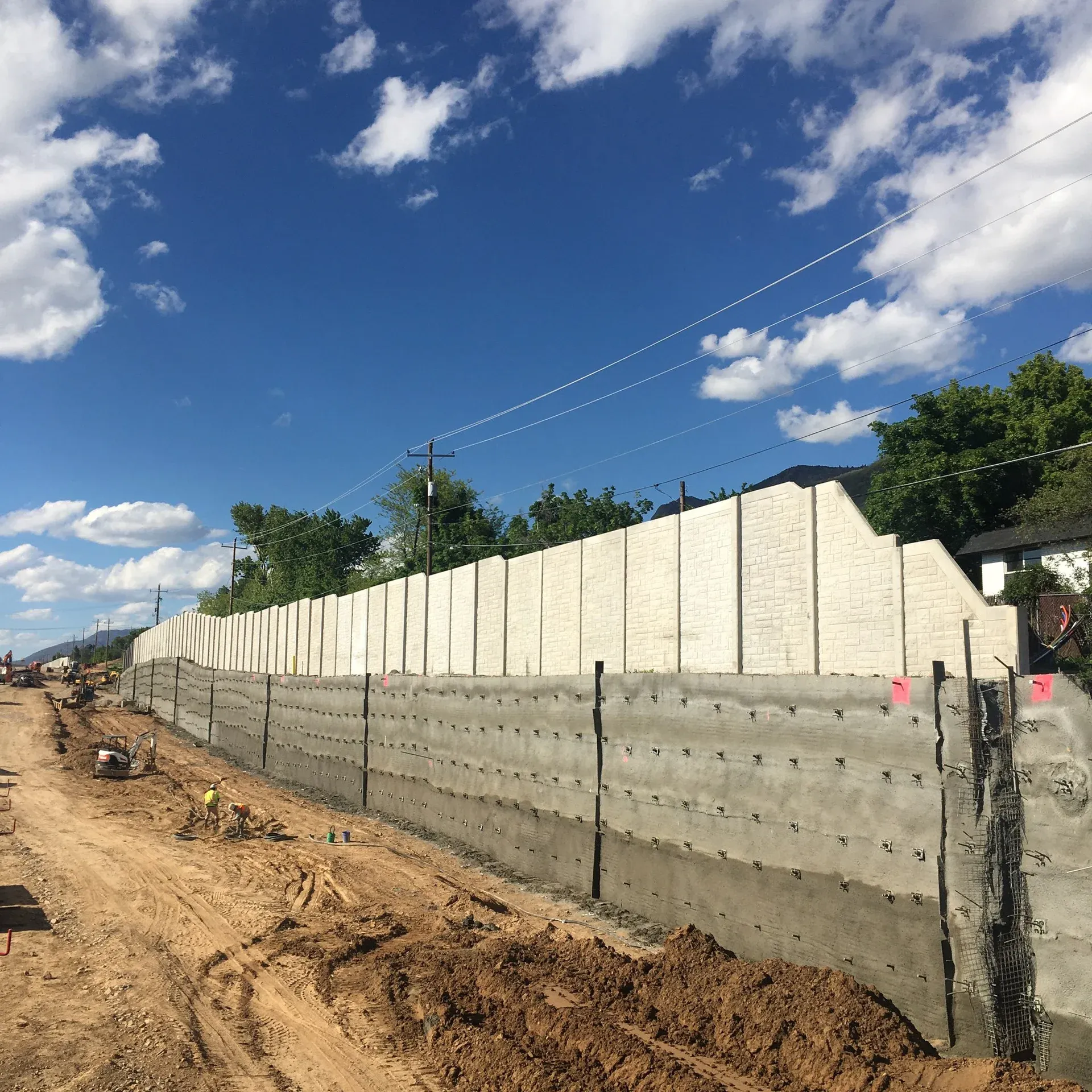
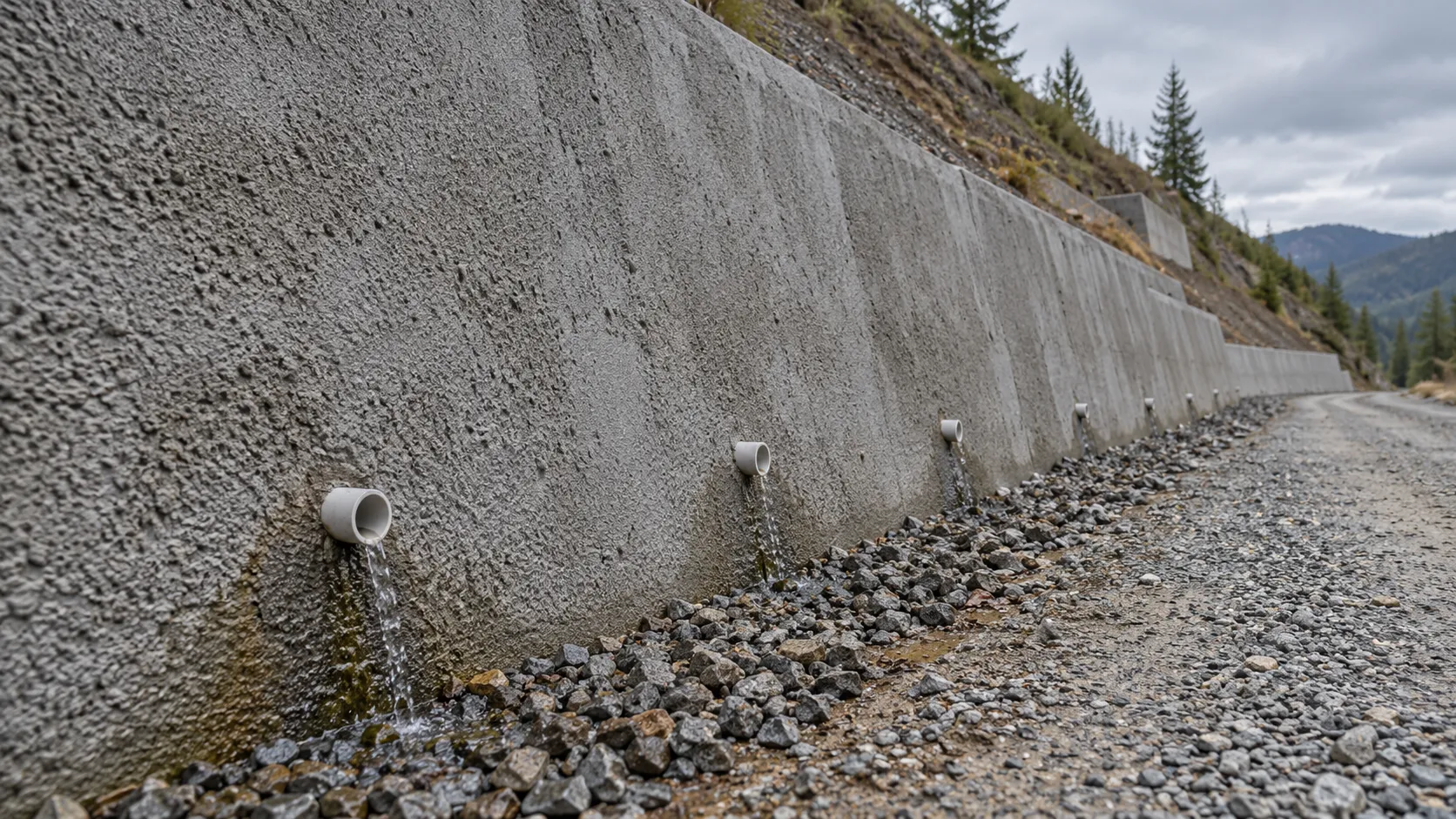
Drains outlet through shotcrete facing via weep drains to prevent hydrostatic buildup.
Learn More
Weep Drains
Surface weep drains complement horizontal drains for comprehensive water management.
Learn More
Rock Bolting
Drainage improves effective stress while bolts provide mechanical reinforcement.
Learn MoreExample Project Types
- Landslide remediation
- Highway cut slope stabilization
- Railroad embankment drainage
- Dam abutment dewatering
- Mining highwall stabilization
- Tunnel portal drainage
- Retaining wall backfill drainage
Our Work in Action
Why Choose Rock Supremacy for Horizontal Drains
Precision Drilling
Our experienced crews deliver accurate drain placement in soft or fractured ground conditions.
Difficult Access Capability
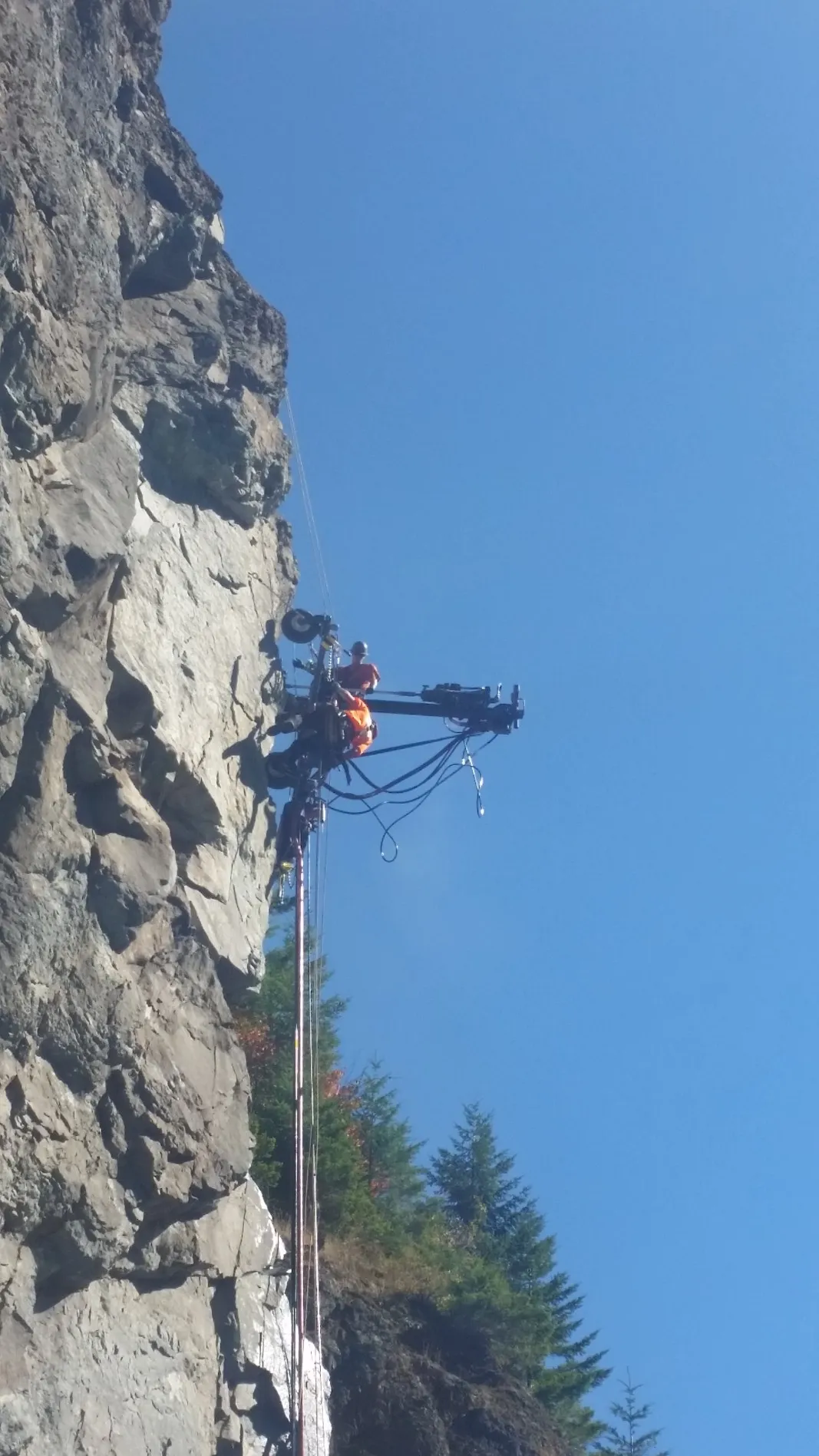
In-house rigs designed for steep terrain and remote sites where standard equipment cannot operate.
High-Angle Expertise
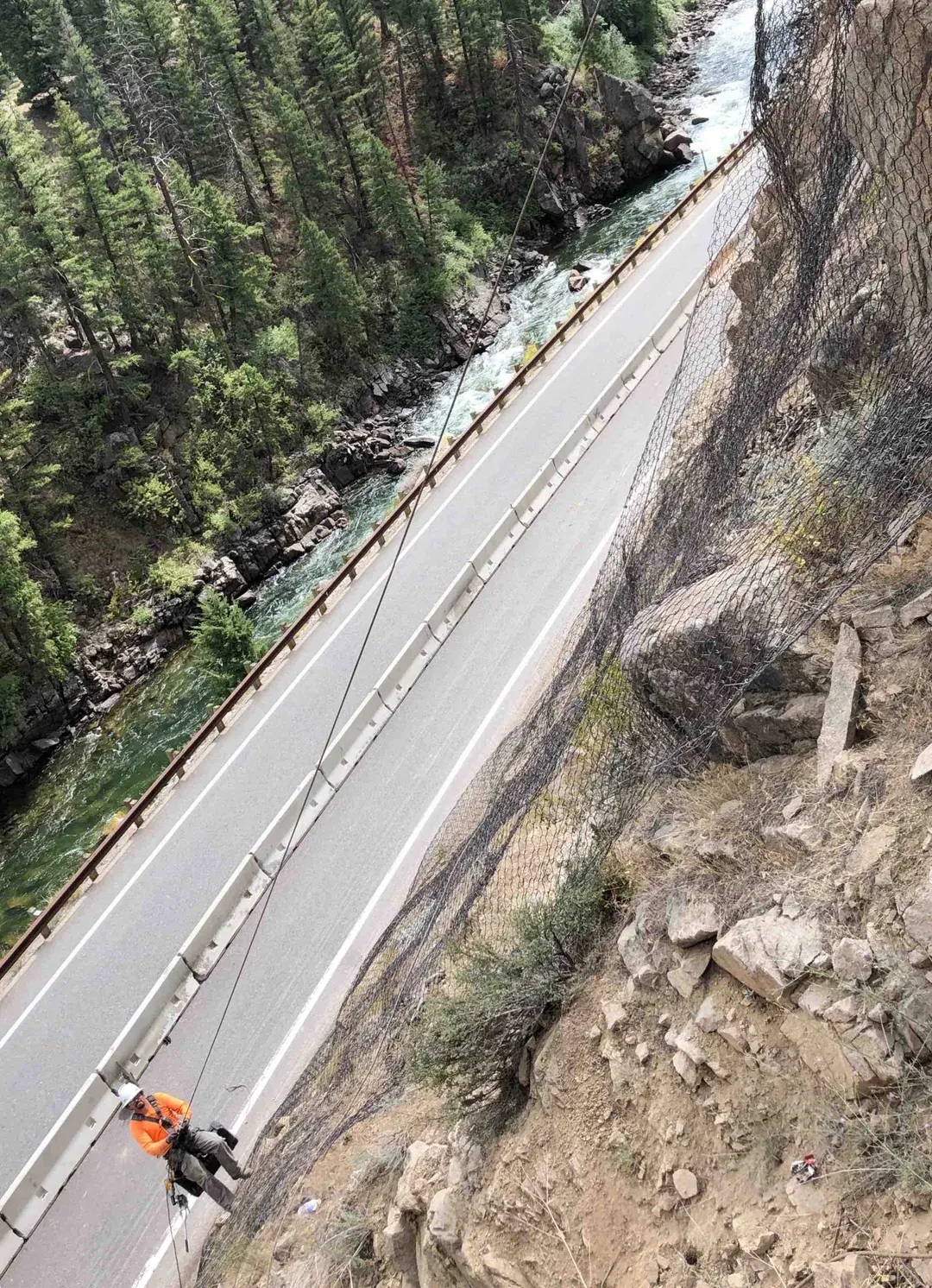
Special expertise in installing drains from rope-access positions on vertical and near-vertical faces.
Integrated Solutions
We combine drainage with structural stabilization for comprehensive slope remediation.
Monitoring Integration
Piezometer installation and flow monitoring verify drain effectiveness over time.
Our Work
See how we've applied this technique and others to solve real-world geotechnical challenges.

Bingham Canyon Mine Support
Highwall stabilization in one of the world's largest open-pit mines to ensure safe ongoing extraction.

I-70 Corridor Stabilization
Installed 50,000 sq ft of high-tensile mesh and performed extensive scaling after a major weather event.

Lava Hot Springs Slope Stabilization
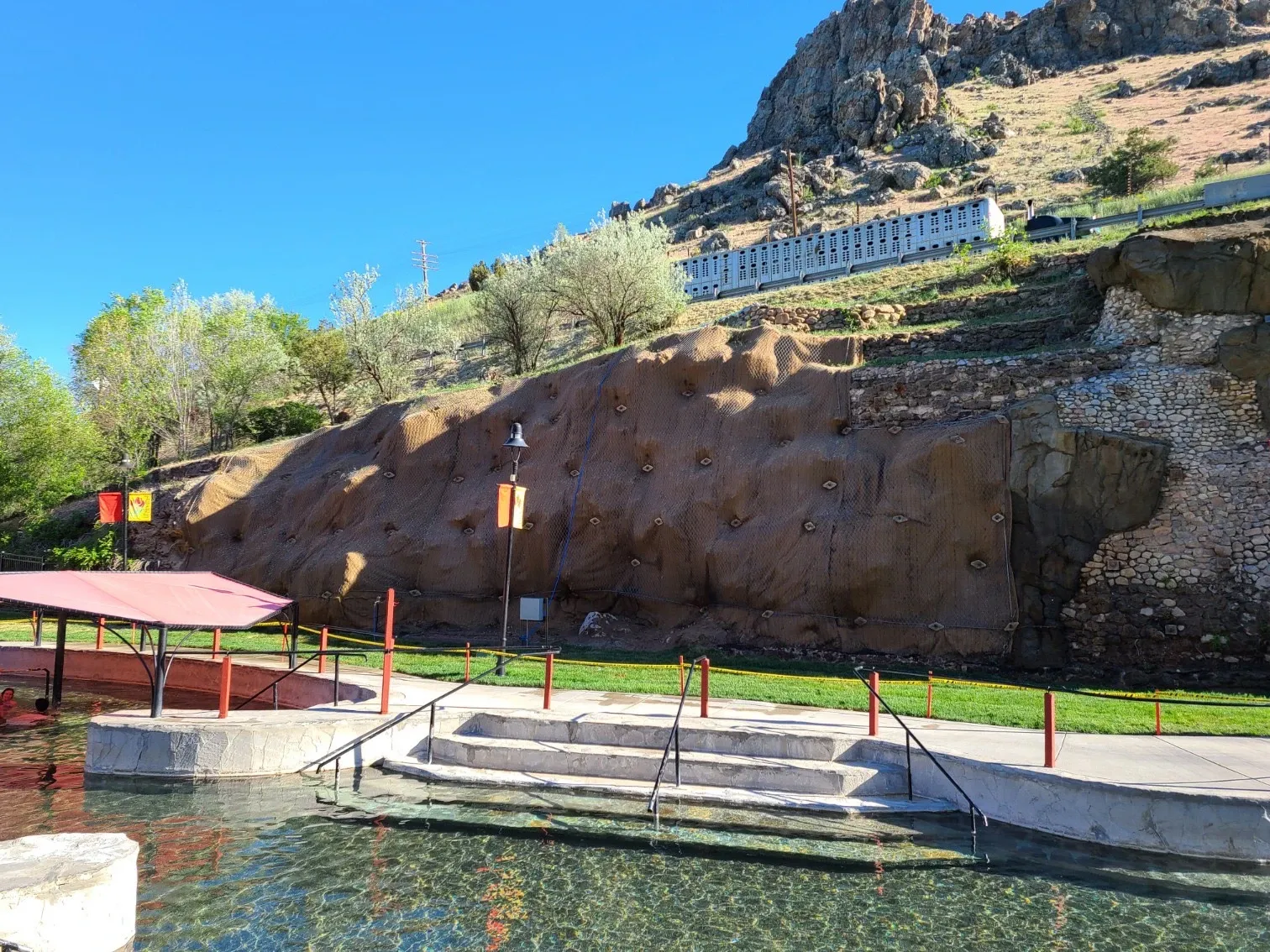
Multi-phase slope stabilization project protecting the historic hot springs resort and Highway 30 from an active landslide.
Horizontal Drains FAQ
Client Testimonials
Trusted by DOTs, engineering firms, and property owners nationwide.
Deploy Us
Ready to discuss your project? Our team is standing by to assess your site conditions and develop a custom solution using Horizontal Drains and other proven techniques.
Emergency (24/7)
(541) 383-7625Bidding & Estimates
Info@RockSupremacy.comHeadquarters
Licensed in CO, UT, WY, ID, MT, CA, WA, OR, TN, VA
Request Consultation
Related Techniques
Explore other engineering methods we use to deliver comprehensive geotechnical solutions.
Pressure Grouting
Pressure grouting strengthens ground, fills voids, and reduces water infiltration by injecting grout into soil, fractured rock, or void spaces. This technique supports slope stabilization, foundation improvement, landslide remediation, and structural repairs.
Rock Bolting
Rock bolting stabilizes fractured, jointed, or unstable rock masses by anchoring steel bars deep into competent rock. By tying loose blocks back to stable substrate, rock bolts improve the overall strength and cohesion of slopes, cuts, tunnels, and vertical faces.
Soil Nailing
Steel bars driven into soil to reinforce and stabilize loose ground or slope faces.
Weep Drains
Weep drains provide surface-level drainage relief by allowing water trapped behind shotcrete, retaining walls, or stabilized slopes to escape. These drains prevent hydrostatic pressure buildup, which can compromise structural stability.