Micropile Underpinning
Micropile underpinning strengthens existing foundations by transferring loads into deeper, more competent soil or rock. This technique is essential for repairing settlement, stabilizing structures in landslide areas, or supporting new loads for renovations and expansions.
Understanding Micropile Underpinning
Micropile underpinning strengthens existing foundations by transferring loads into deeper, more competent soil or rock. This technique is essential for repairing settlement, stabilizing structures in landslide areas, or supporting new loads for renovations and expansions.
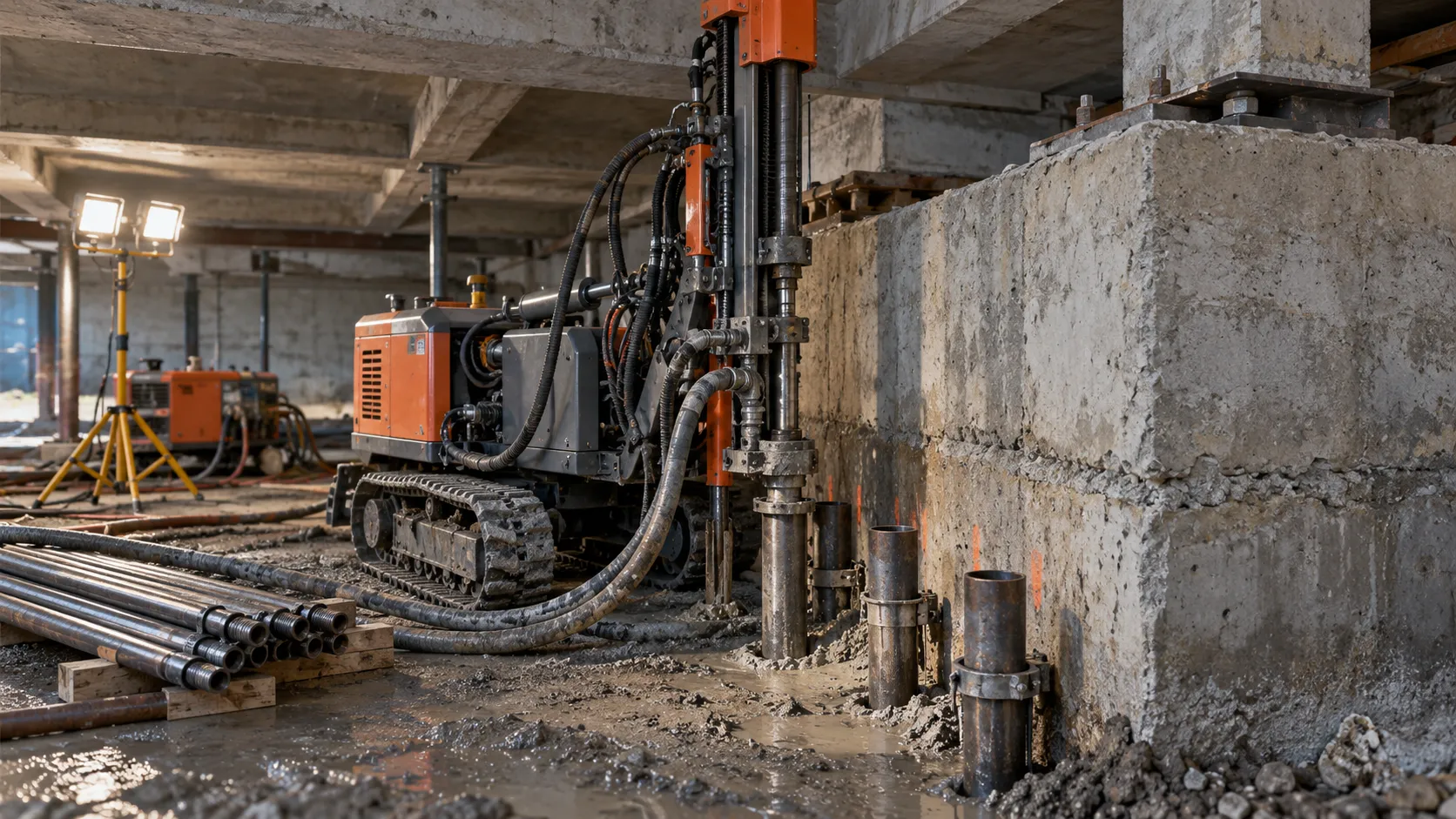
Our low-headroom equipment and experienced crews work inside existing structures, minimizing disruption while restoring foundation integrity.
Typical Applications
How It Works
Our proven methodology ensures consistent, high-quality results for every installation.
Foundation Evaluation
Assess existing foundation conditions and determine load requirements.
Access Preparation
Create access through floor slabs or from building exterior as needed.
Micropile Installation
Drill and grout micropiles adjacent to or through existing footings.
Load Transfer Connection
Construct pile caps or brackets to transfer loads from foundation to piles.
Key Advantages
Low-Headroom Capability
Specialized equipment operates in spaces as low as 6 feet, allowing work inside basements and under existing structures.
Minimal Vibration
Drilled installation produces no damaging vibration—safe for historic buildings and adjacent structures.
High Capacity
Micropiles develop capacities up to 500 kips, supporting heavy loads from small-diameter elements.
Settlement Arrest
Load transfer to deep bearing strata stops ongoing settlement and can lift structures back toward original grade.
Universal Application
Works in any soil or rock condition from soft clay to hard granite, adapting to variable subsurface conditions.
Technical Considerations
Soil/Rock Conditions
Piles extend to competent bearing strata. Bond zone in rock or dense soil develops design capacity.
Groundwater
Grouting methods adapted for wet conditions. Hollow-bar systems allow drilling and grouting in difficult ground.
Load Capacity
Capacity depends on pile diameter, reinforcement, grout strength, and bond length. All piles load-tested to verify performance.
Spacing
Pile configuration determined by existing foundation geometry and required load distribution.
Installation Method
Piles drilled adjacent to or through existing footings. Structural connection via pile caps, brackets, or grade beams.
Equipment Used
- Low-headroom drill rigs
- Grout mixing and pumping equipment
- High-strength reinforcing steel
- Pile cap formwork and reinforcement
- Load testing equipment
Limitations
- Requires access for drilling equipment
- Structural connection design critical
- Competent bearing material required at depth
- Cost higher than shallow foundation repair
Technical Specifications
System Variations
Compression Underpinning
Piles designed for vertical compression loads from structure weight.
Best For:
- Settlement repair
- Load increase
- Standard underpinning
Tension Underpinning
Piles designed for uplift resistance in expansive soils or seismic applications.
Best For:
- Expansive soils
- Seismic retrofit
- Uplift loads
Lateral Resistance
Battered pile groups providing lateral load capacity for slope movement.
Best For:
- Landslide areas
- Lateral loads
- Slope stabilization
Lift and Stabilize
Piles combined with jacking to restore structure to original grade.
Best For:
- Severe settlement
- Structure releveling
- Complete restoration
Integration With Other Systems
Pressure Grouting
Grouting can fill voids and improve soil around foundations in conjunction with underpinning.
Learn More
Horizontal Drains
Drainage addresses groundwater contributing to settlement or slope movement affecting foundations.
Learn More
Soil Nailing
Slope stabilization protects underpinned structures from ongoing earth movement.
Learn MoreStructural Repair
Foundation crack repair and waterproofing complement underpinning for complete restoration.
Example Project Types
- Residential foundation repair
- Commercial building stabilization
- Historic structure preservation
- Bridge pier reinforcement
- Industrial equipment foundations
- Landslide-affected structures
- Seismic retrofit
Our Work in Action
Why Choose Rock Supremacy for Micropile Underpinning
Low-Headroom Expertise
Specialized equipment and experienced crews work inside basements and confined spaces.
Structural Integration
We design and construct load transfer connections that integrate with existing foundations.
Complete Testing
All piles load-tested to verify capacity with documentation for engineer and owner records.
Minimal Disruption
Low-vibration installation and clean work practices minimize impact on building occupants.
Integrated Solutions
Underpinning combined with drainage, slope stabilization, and structural repair for complete foundation restoration.
Our Work
See how we've applied this technique and others to solve real-world geotechnical challenges.

Bingham Canyon Mine Support
Highwall stabilization in one of the world's largest open-pit mines to ensure safe ongoing extraction.

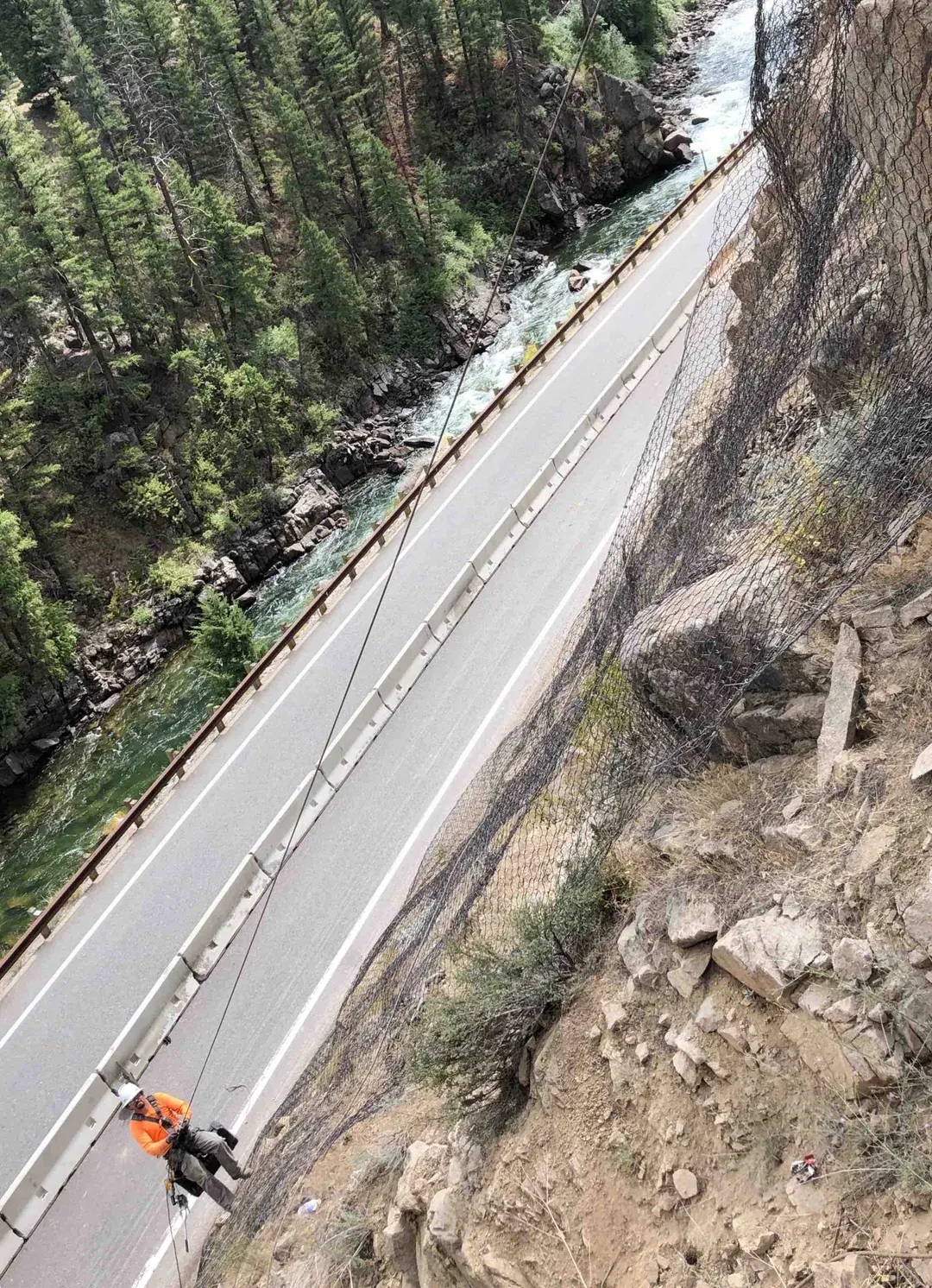
I-70 Corridor Stabilization
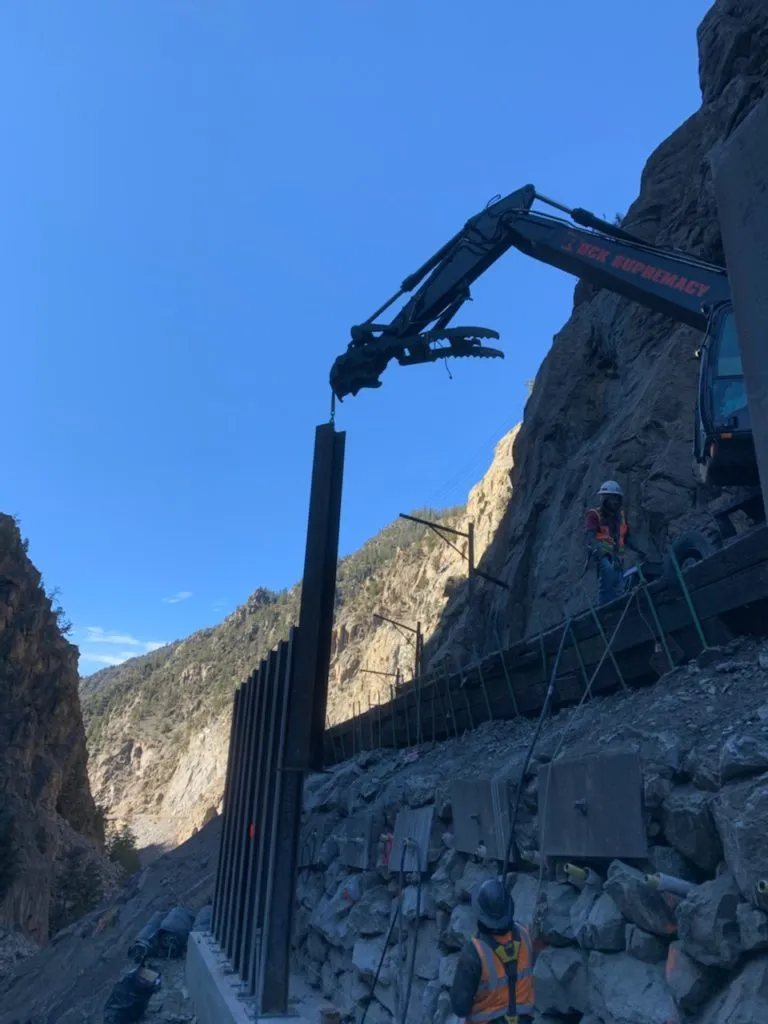
Installed 50,000 sq ft of high-tensile mesh and performed extensive scaling after a major weather event.

Lava Hot Springs Slope Stabilization
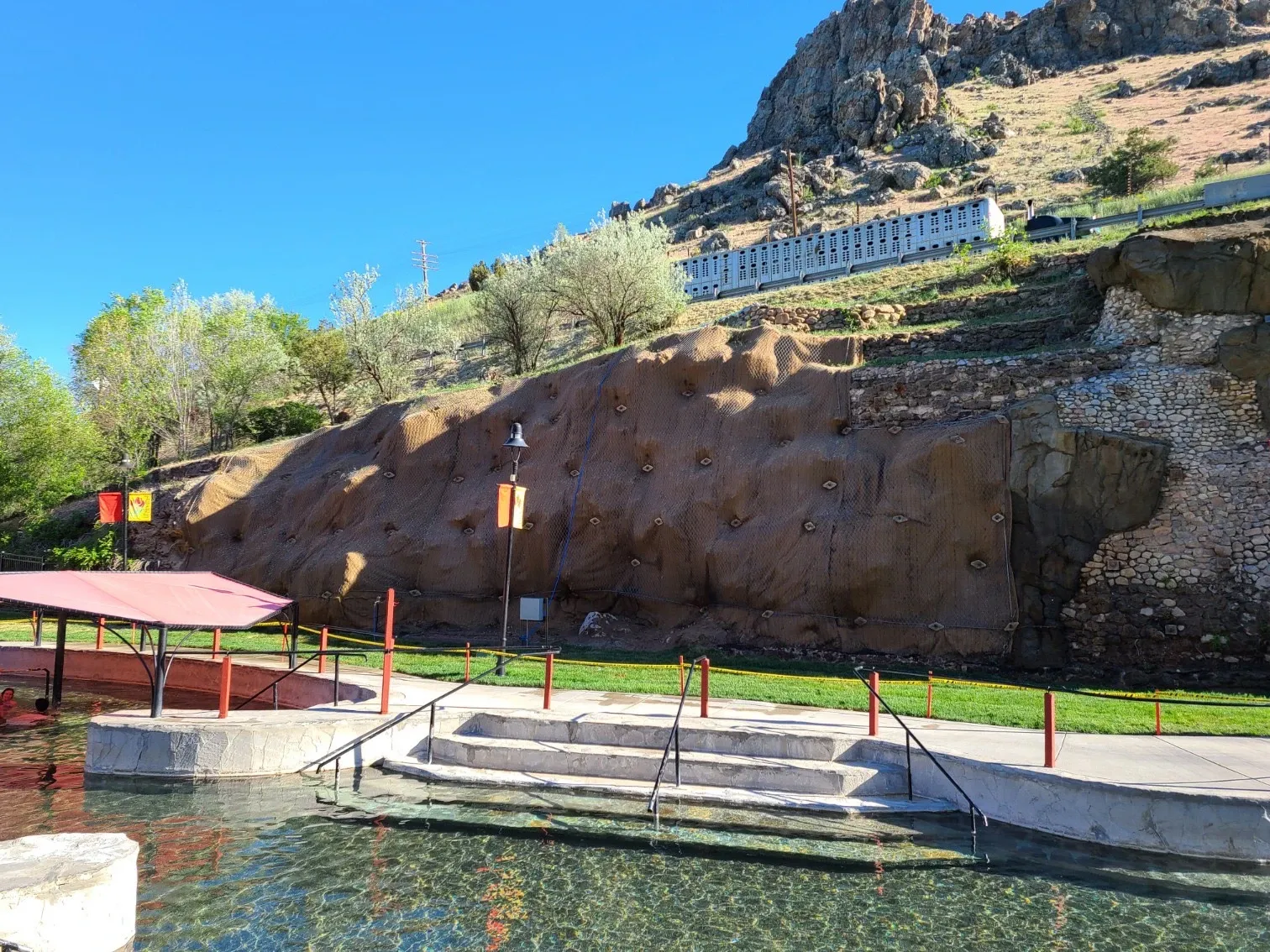
Multi-phase slope stabilization project protecting the historic hot springs resort and Highway 30 from an active landslide.
Micropile Underpinning FAQ
Client Testimonials
Trusted by DOTs, engineering firms, and property owners nationwide.
Deploy Us
Ready to discuss your project? Our team is standing by to assess your site conditions and develop a custom solution using Micropile Underpinning and other proven techniques.
Emergency (24/7)
(541) 383-7625Bidding & Estimates
Info@RockSupremacy.comHeadquarters
Licensed in CO, UT, WY, ID, MT, CA, WA, OR, TN, VA
Request Consultation
Related Techniques
Explore other engineering methods we use to deliver comprehensive geotechnical solutions.
Horizontal Drains
Horizontal drains are drilled drainage systems designed to lower groundwater pressure and improve the stability of slopes, embankments, and rock faces. By relieving pore pressure, these drains significantly reduce the risk of landslides, sloughing, and long-term slope movement.
Micropiles
Micropiles are small-diameter, high-strength deep foundation elements used to transfer loads into competent ground. Their versatility makes them ideal for underpinning, slope stabilization, and situations with limited access or difficult geology.
Pressure Grouting
Pressure grouting strengthens ground, fills voids, and reduces water infiltration by injecting grout into soil, fractured rock, or void spaces. This technique supports slope stabilization, foundation improvement, landslide remediation, and structural repairs.
Soil Nailing
Steel bars driven into soil to reinforce and stabilize loose ground or slope faces.