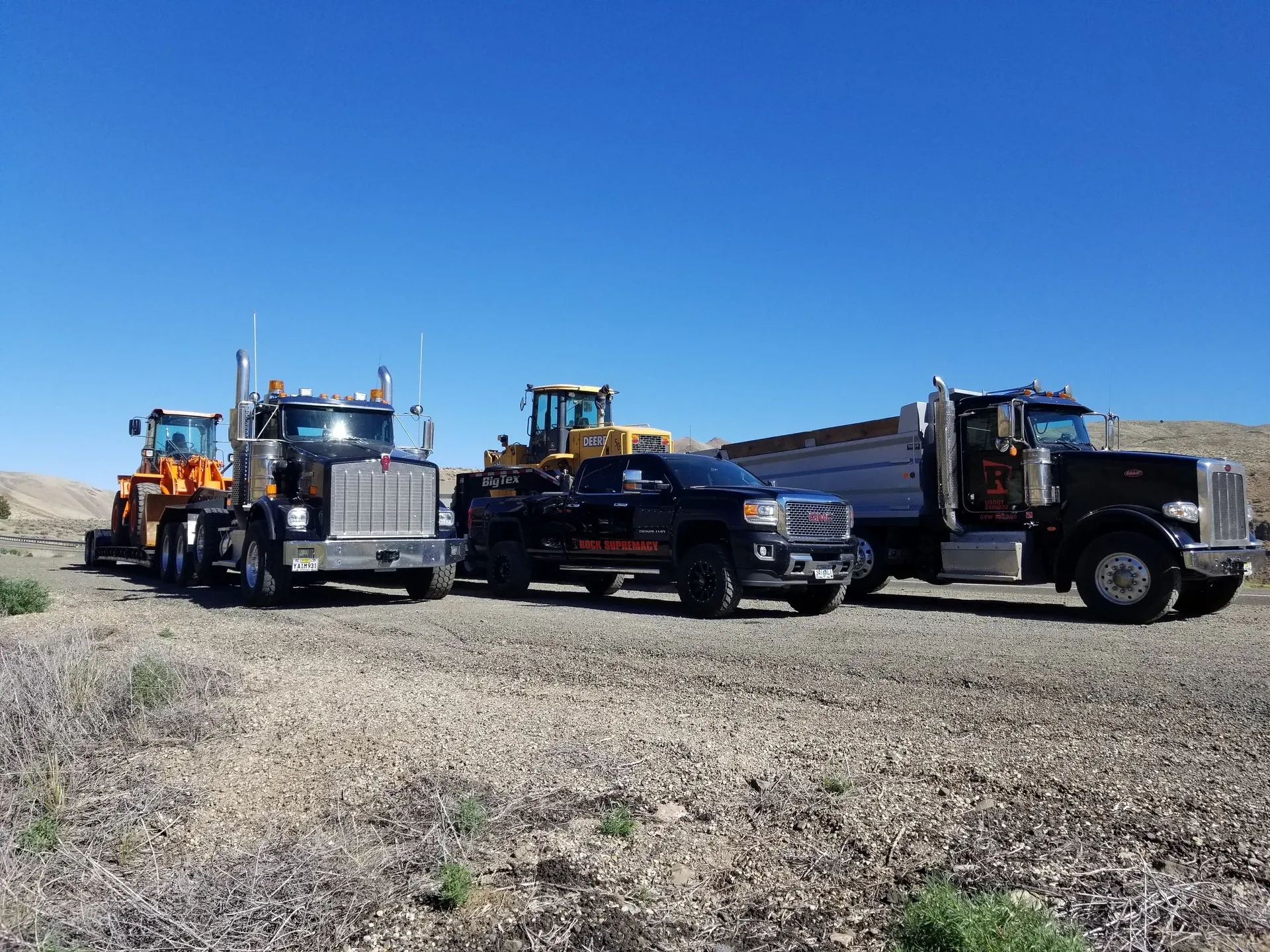
Emergency Response & Rapid Mobilization
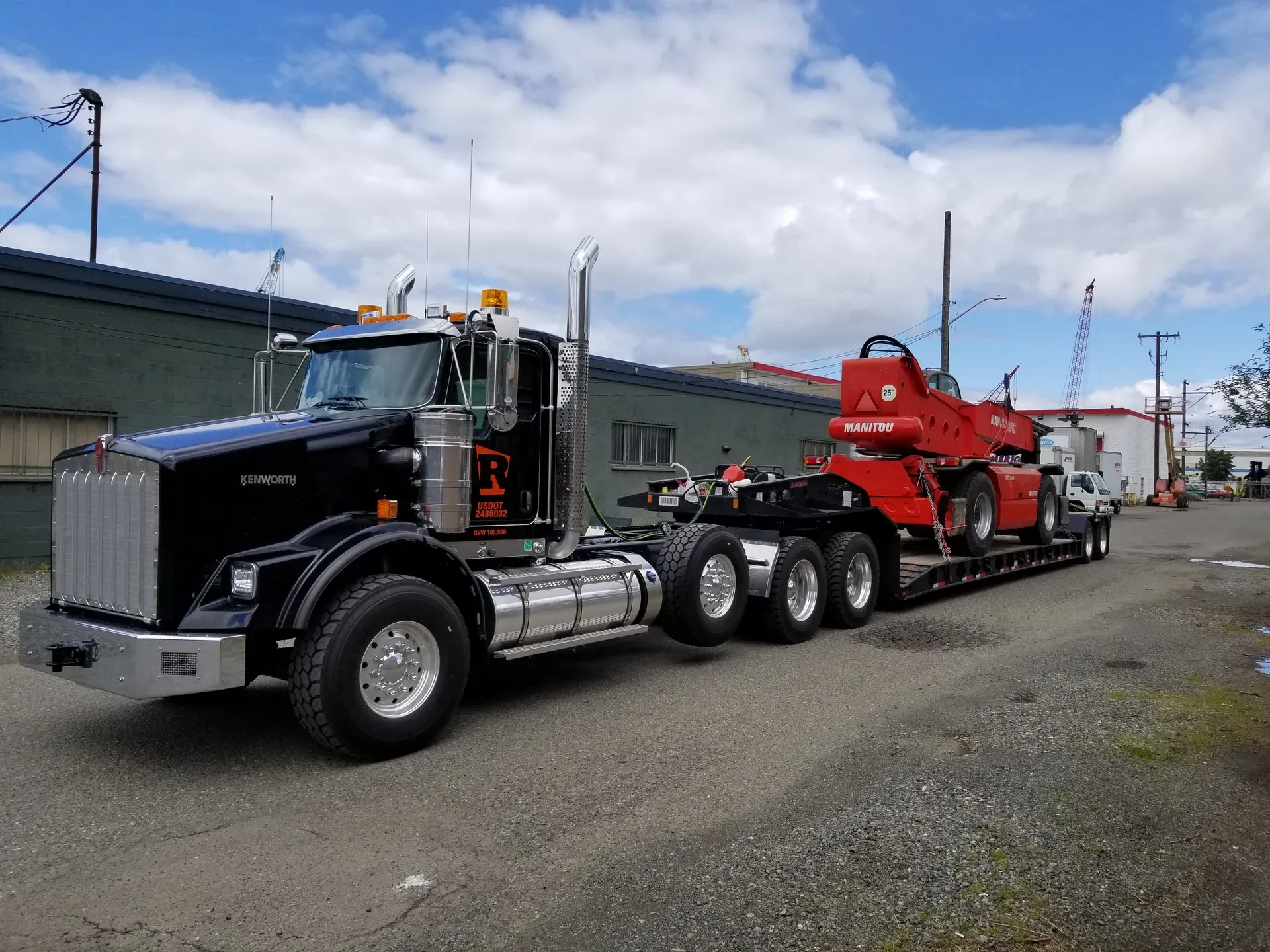
Immediate emergency response for landslides, rockfall events, slope failures, and infrastructure emergencies with rapid mobilization crews and equipment available around the clock.
Understanding Emergency Response & Rapid Mobilization
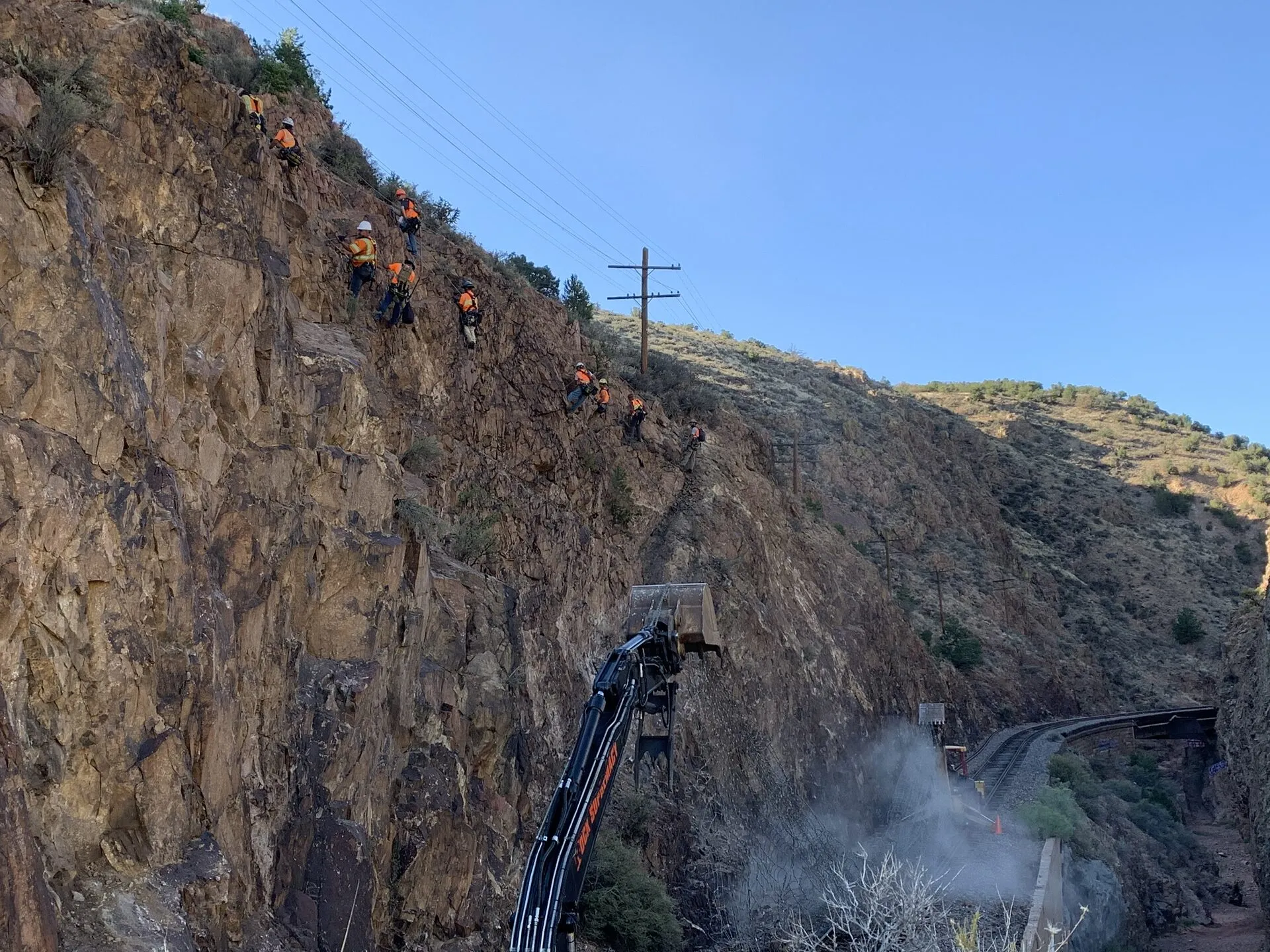
Emergency response is about more than fast arrival. It's about having the expertise and equipment to actually solve the problem. Our emergency teams include experienced geologists who can assess hazards accurately, supervisors who've managed dozens of emergency projects, and crews trained in high-angle, confined space, and hazardous conditions work.
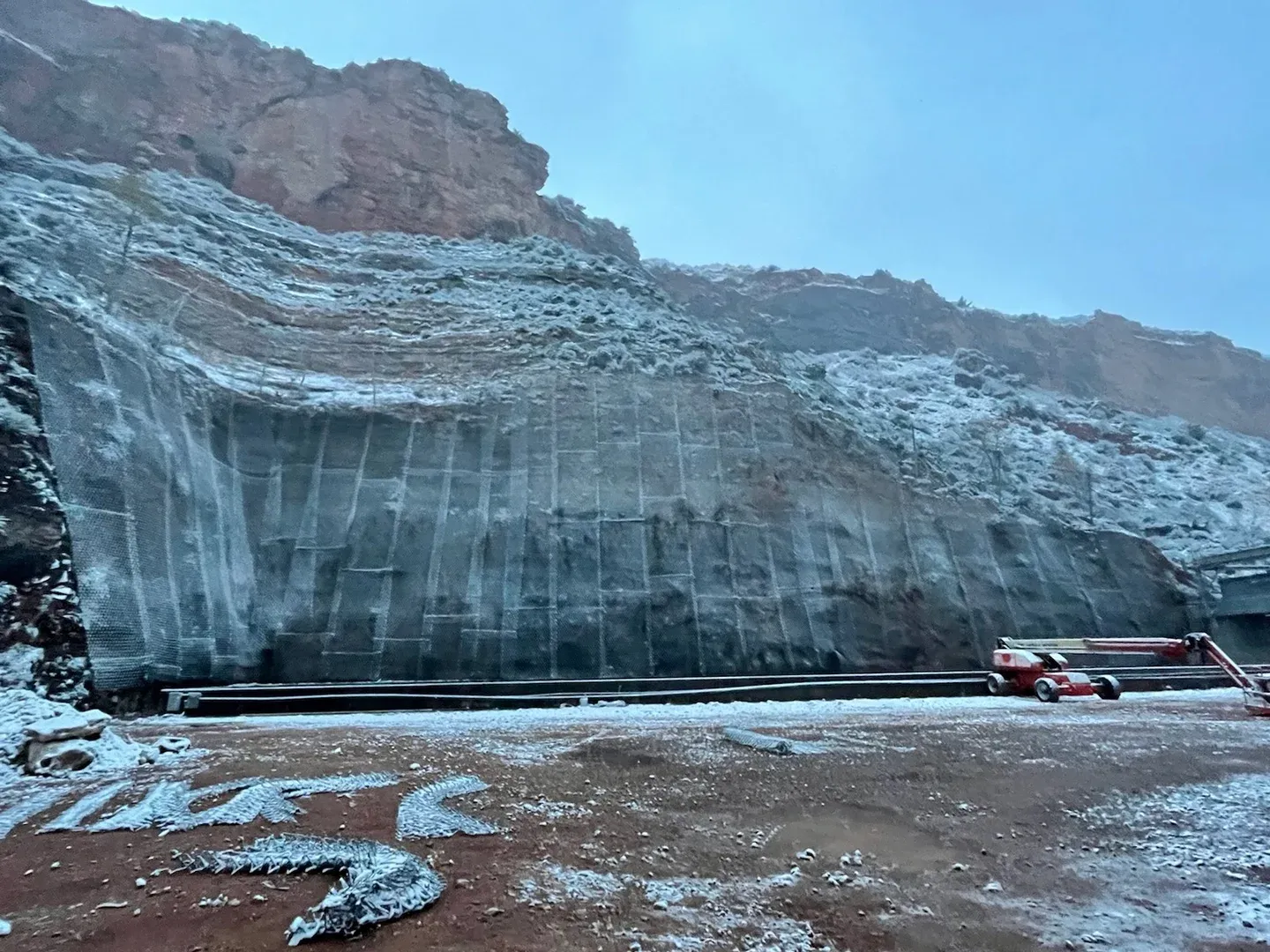
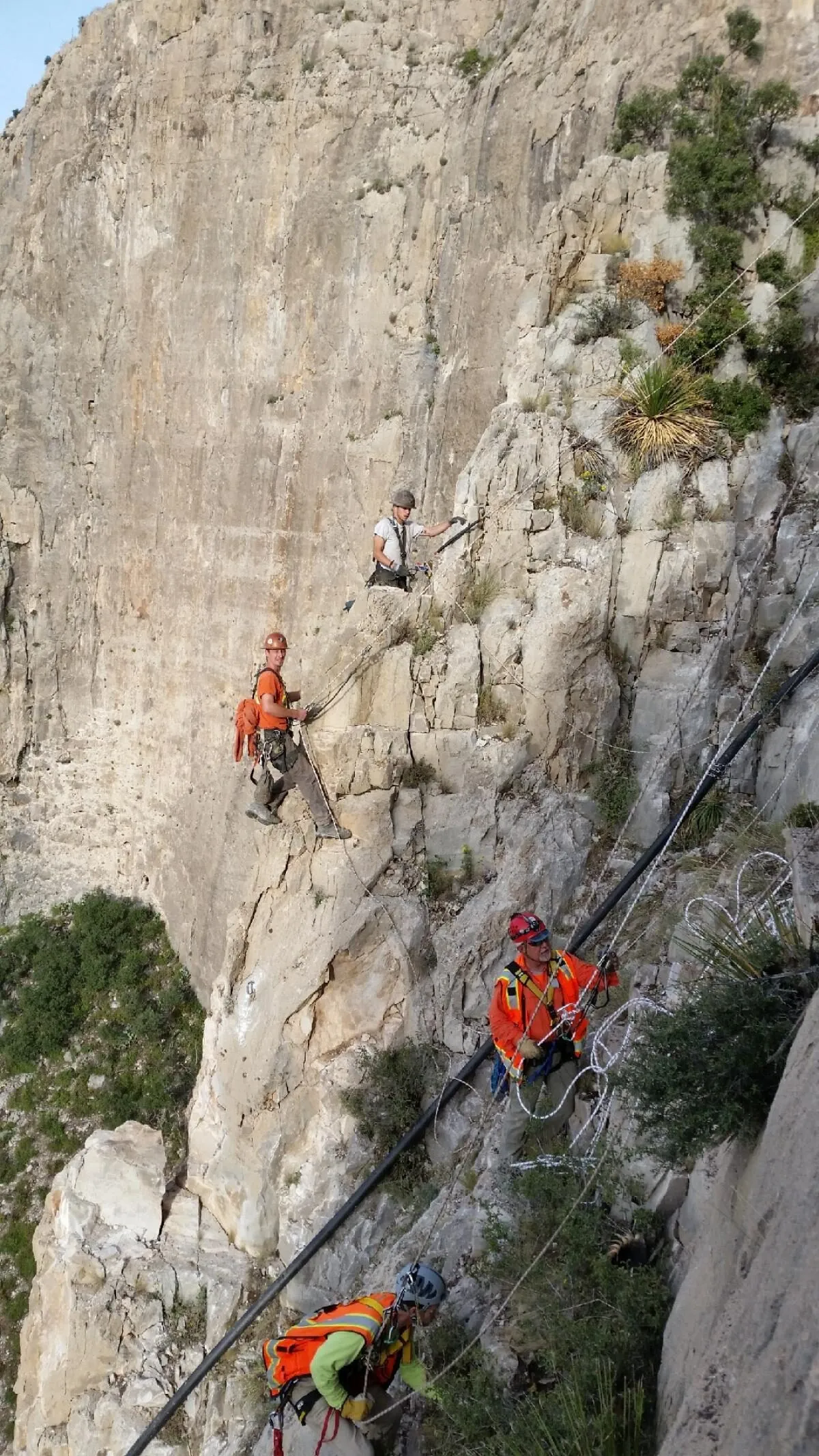
For rockfall emergencies, our rock scaling crews deploy with rope access equipment to remove immediate hazards. Temporary rockfall barriers protect corridors while permanent solutions are designed. Draped mesh systems can be installed quickly to contain ongoing hazards.
Landslide emergencies require rapid assessment and strategic intervention. Horizontal drains can relieve groundwater pressure within days, often slowing or stopping active movement. Emergency soil nailing or soldier pile installation provides immediate support. Our slope monitoring equipment establishes whether movement is accelerating, stable, or responding to emergency measures.
Post-wildfire situations require special urgency: debris flow barriers must be installed before the first significant rainfall. We maintain barrier inventory for rapid deployment and have experience with emergency contracts that allow work to begin immediately.
For tunnel emergencies, we review confined-space access, rescue planning, and required crew qualifications for the underground work. Structural shotcrete, rock bolting, and steel support systems provide rapid ground control.
Throughout emergency projects, communication is continuous. You'll have a single point of contact who knows the project status and can answer questions day or night. We coordinate with traffic control, utilities, adjacent property owners, and regulatory agencies. When funding involves FEMA or emergency appropriations, we understand the documentation requirements and help navigate the process.
When Emergency Response Is Needed
Call immediately if you observe: active or recent rockfall onto roads, tracks, or work zones; slopes showing new cracks, bulging, or sudden movement; landslides or debris covering roadways; erosion or washouts threatening foundations or embankments; fire-damaged slopes shedding debris or rock; retaining walls leaning, cracking, or failing under load; or blocked drainage or unexpected water flow at slope faces. Unstable slopes rarely fix themselves, early action prevents escalation.
Without proper intervention, these conditions typically worsen over time. Early assessment and appropriate remediation can prevent costly emergency repairs and protect the assets and people that depend on stable ground.
Common Causes
- Severe storm events or rapid snowmelt
- Wildfire damage causing slope destabilization
- Earthquakes or heavy vibration
- Undercutting from flood events
- Rockfall impacting roads or rail lines
- Construction activities altering slope geometry
- Dam or spillway emergencies
- Post-wildfire debris flow threats
- Tunnel collapses or structural failures
- Infrastructure failures requiring immediate stabilization
Rapid Response Protocol
Our emergency response follows a proven protocol developed over decades of urgent projects. We mobilize immediately, assess rapidly, stabilize effectively, and transition smoothly to permanent repairs. Communication is continuous, you know the situation and the plan at every step.
Immediate Mobilization
Emergency call triggers immediate response. Assessment teams deploy as site conditions and crew availability allow, often from multiple locations simultaneously. Equipment is staged for rapid dispatch. Initial contact establishes scope, access, and priorities.
Rapid Assessment
On-site assessment documents conditions, identifies immediate hazards, evaluates risk to people and infrastructure, and determines required interim measures. Assessment considers both emergency stabilization and path to permanent repair.
Interim Stabilization
Emergency crews implement immediate stabilization, scaling loose rock, installing temporary barriers, placing drainage, or shoring unstable ground. Goal is reducing immediate risk while allowing access for permanent repairs.
Engineering Evaluation
While interim measures provide protection, engineers evaluate long-term requirements. Rapid investigation may include emergency borings, monitoring installation, and preliminary design. This parallel approach saves critical time.
Permanent Repair Design
Based on investigation and site conditions, engineers design permanent stabilization. Emergency projects often use pre-engineered solutions that can be modified for site-specific conditions, accelerating design timeline.
Construction & Completion
Permanent repairs proceed as soon as design is complete, often while interim measures remain in place. Experienced crews work around the clock when required. Project transitions from emergency to completed stabilization.
How We Deliver
Our field services deliver comprehensive solutions tailored to your specific site conditions and requirements.
Why Choose Rock Supremacy
Techniques We Use
Proven engineering methods that deliver long-term stability and protection.
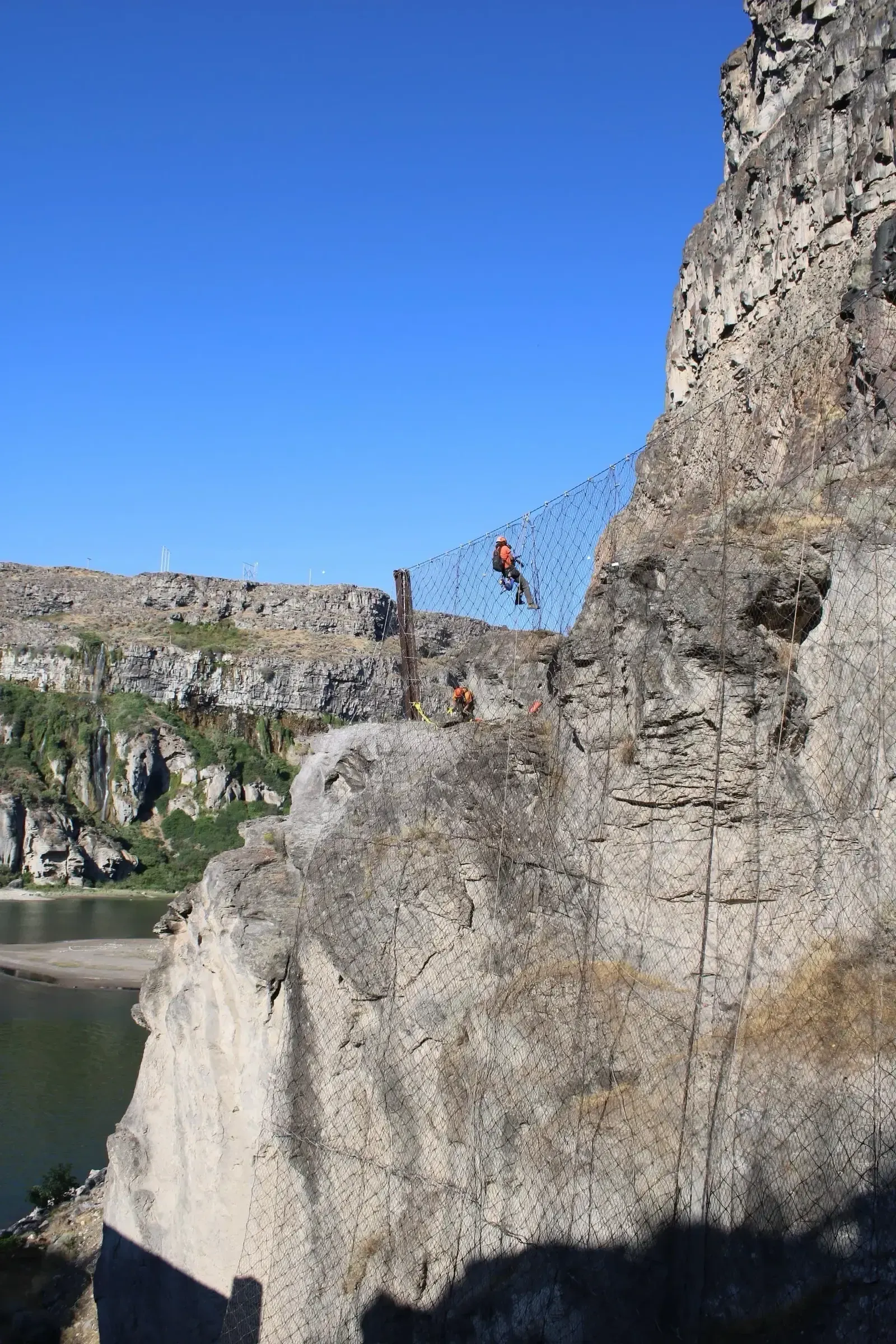

Draped Mesh Systems
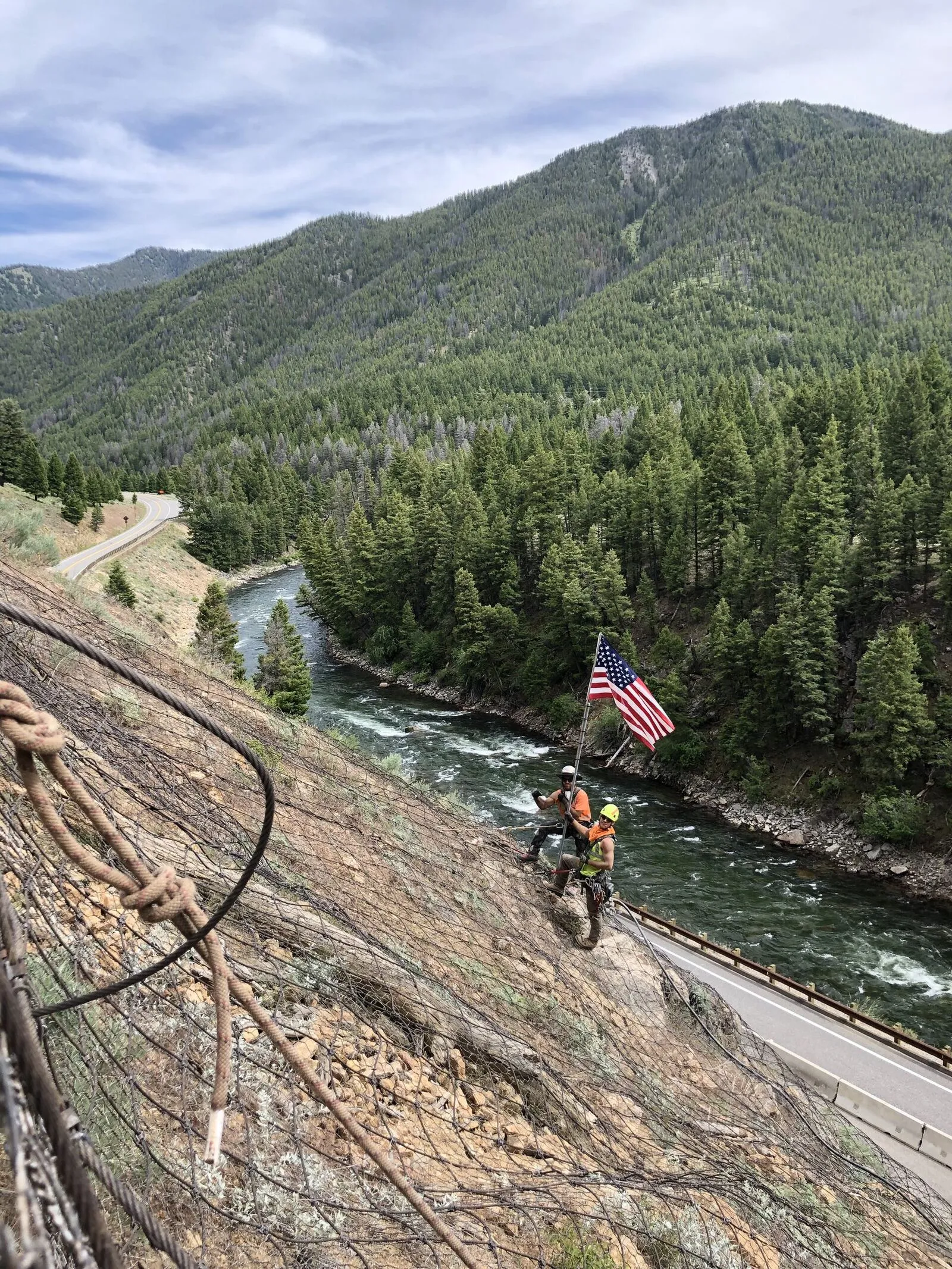
Draped mesh hangs over a rock slope to guide detached rock toward a collection area at the bottom. It requires space for that collection area and access to remove accumulated material.
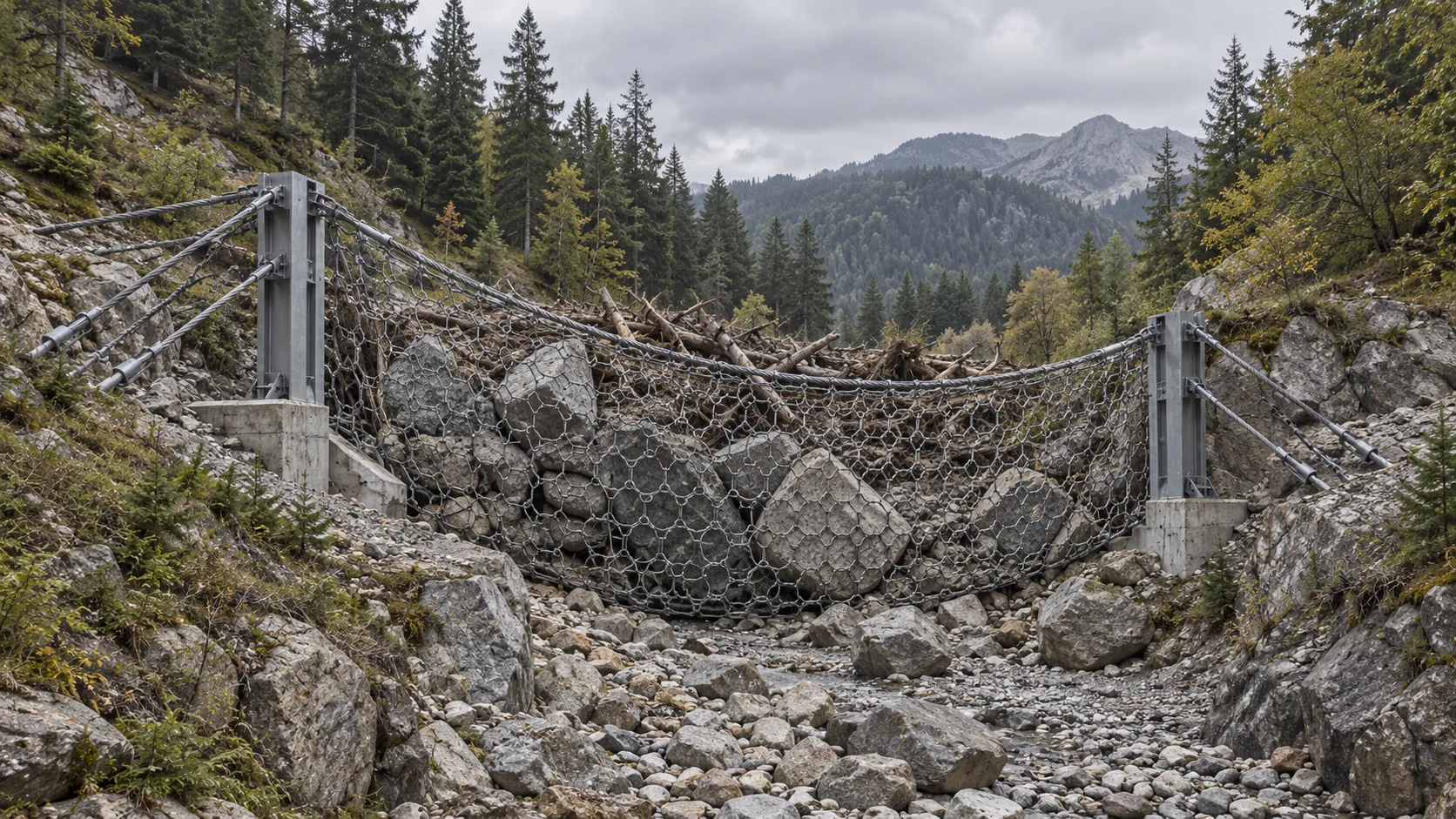

Debris Flow Barriers
Engineered catch systems installed across drainage channels to retain post-wildfire and torrent debris flows. Flexible ring-net kits absorb a fluidized surge plus boulder impact through brake-element deformation, with a basal opening that passes normal water and sediment between events.
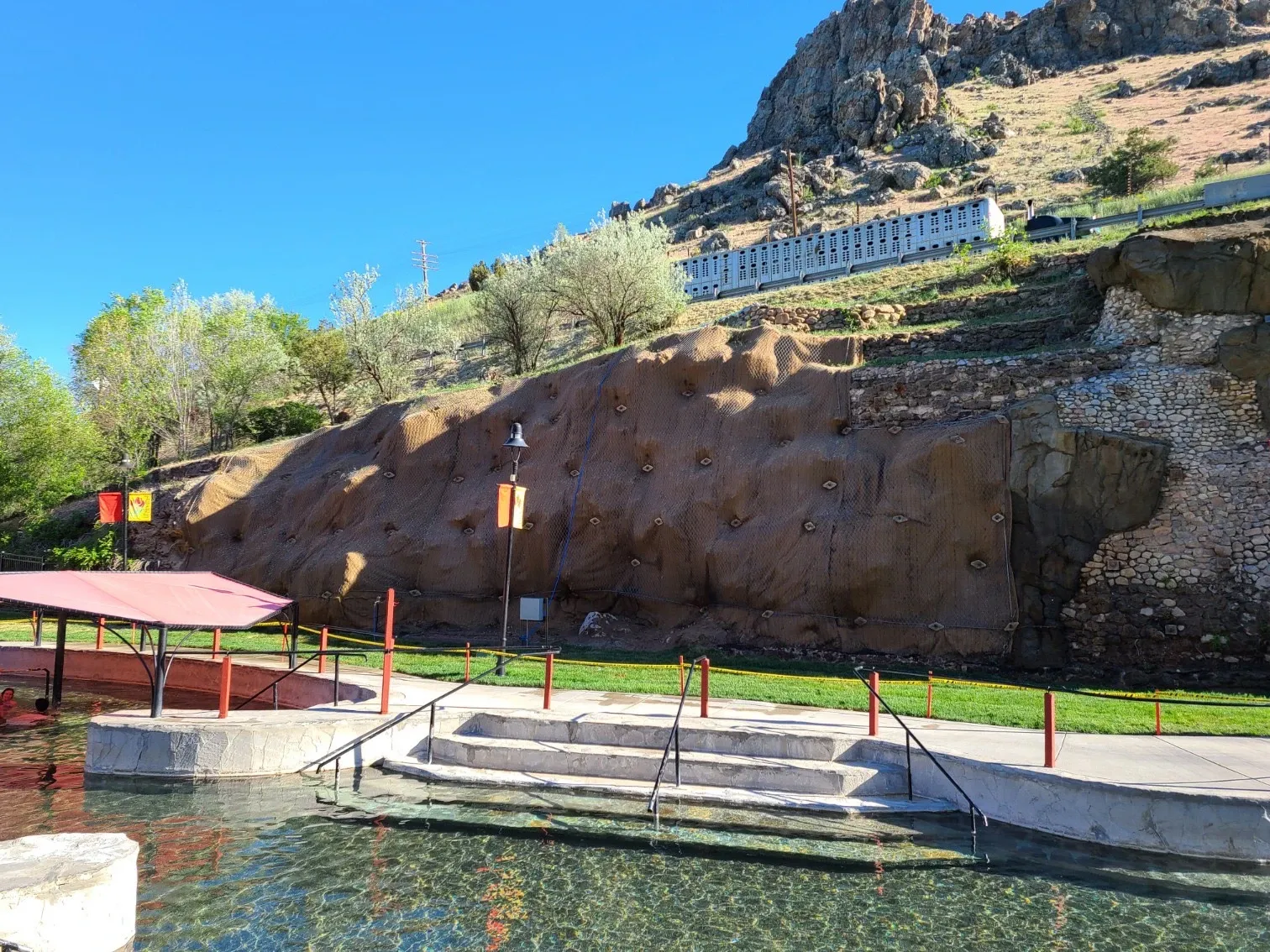

Horizontal Drains
Explore drilled drainage for slopes and landslide repair, then discuss installation access, ground conditions, and the drainage scope for your project.
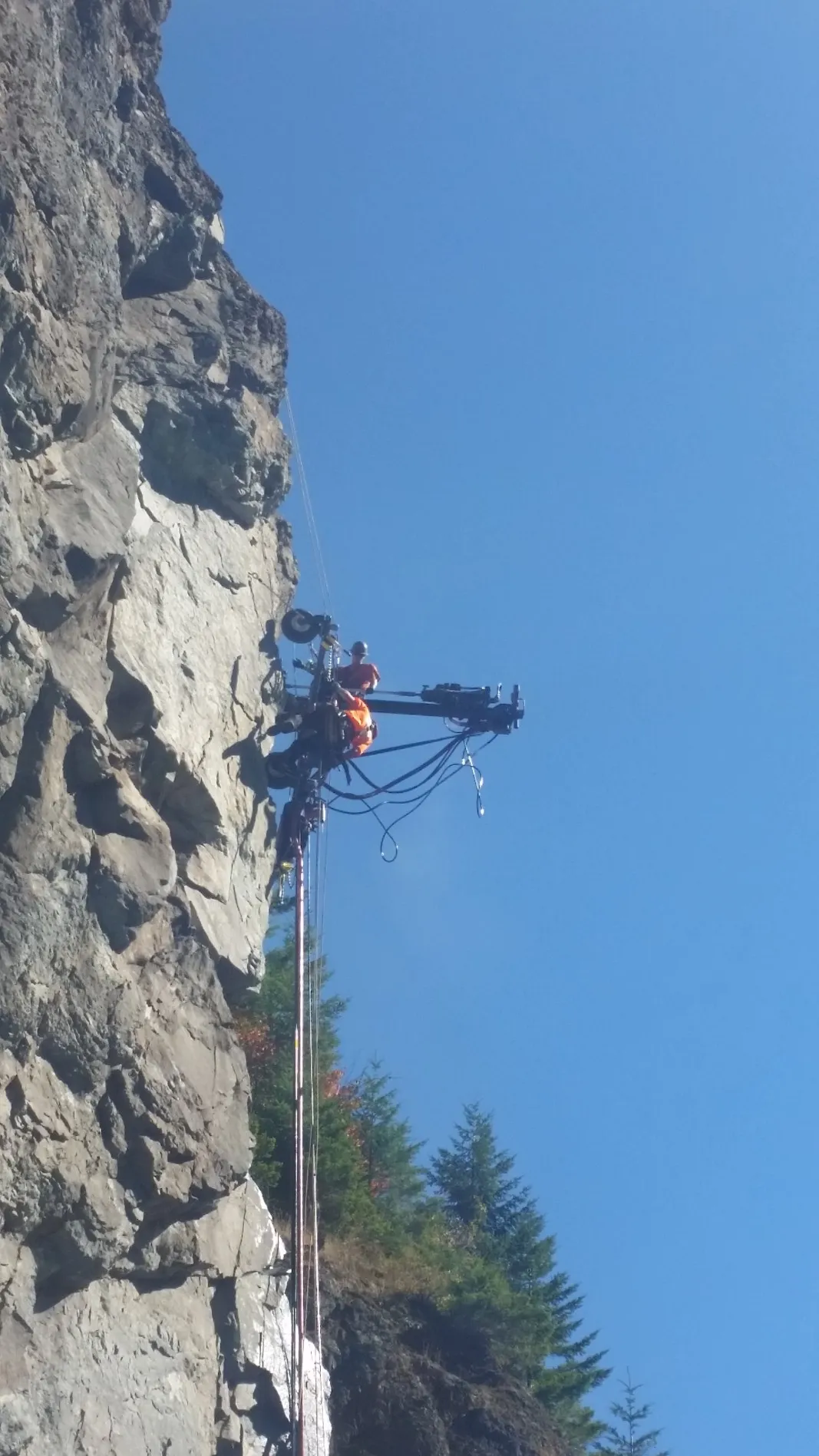

Rock Bolting
Rock bolting stabilizes fractured, jointed, or unstable rock masses by anchoring steel bars deep into competent rock. By tying loose blocks back to stable substrate, rock bolts improve the overall strength and cohesion of slopes, cuts, tunnels, and vertical faces.
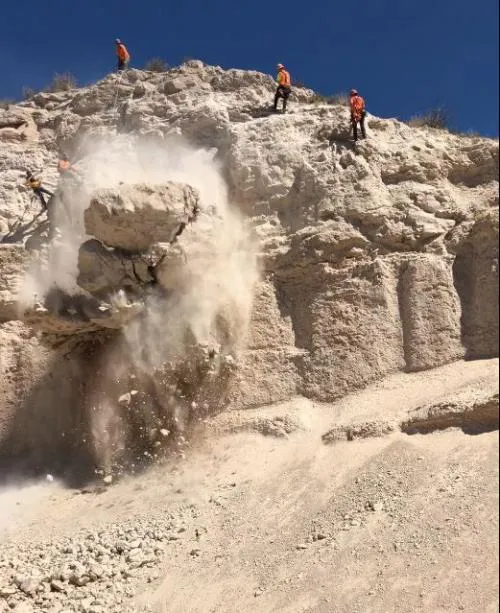

Rock Scaling
Rock scaling removes loose or unstable rock from slopes, cuttings, and highwalls. Explore manual and mechanical methods, their applications, and how scaling fits into a rockfall mitigation project.
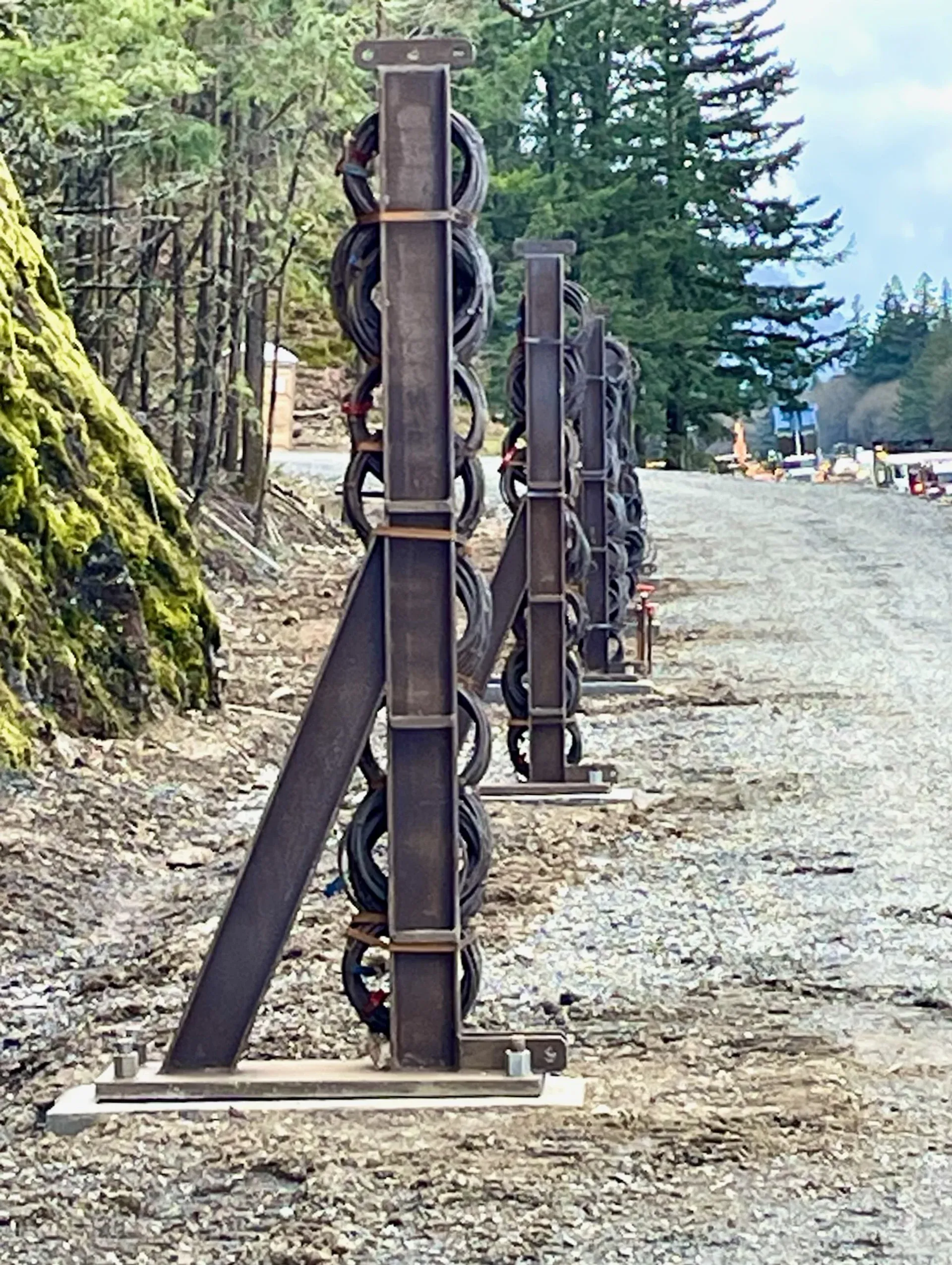
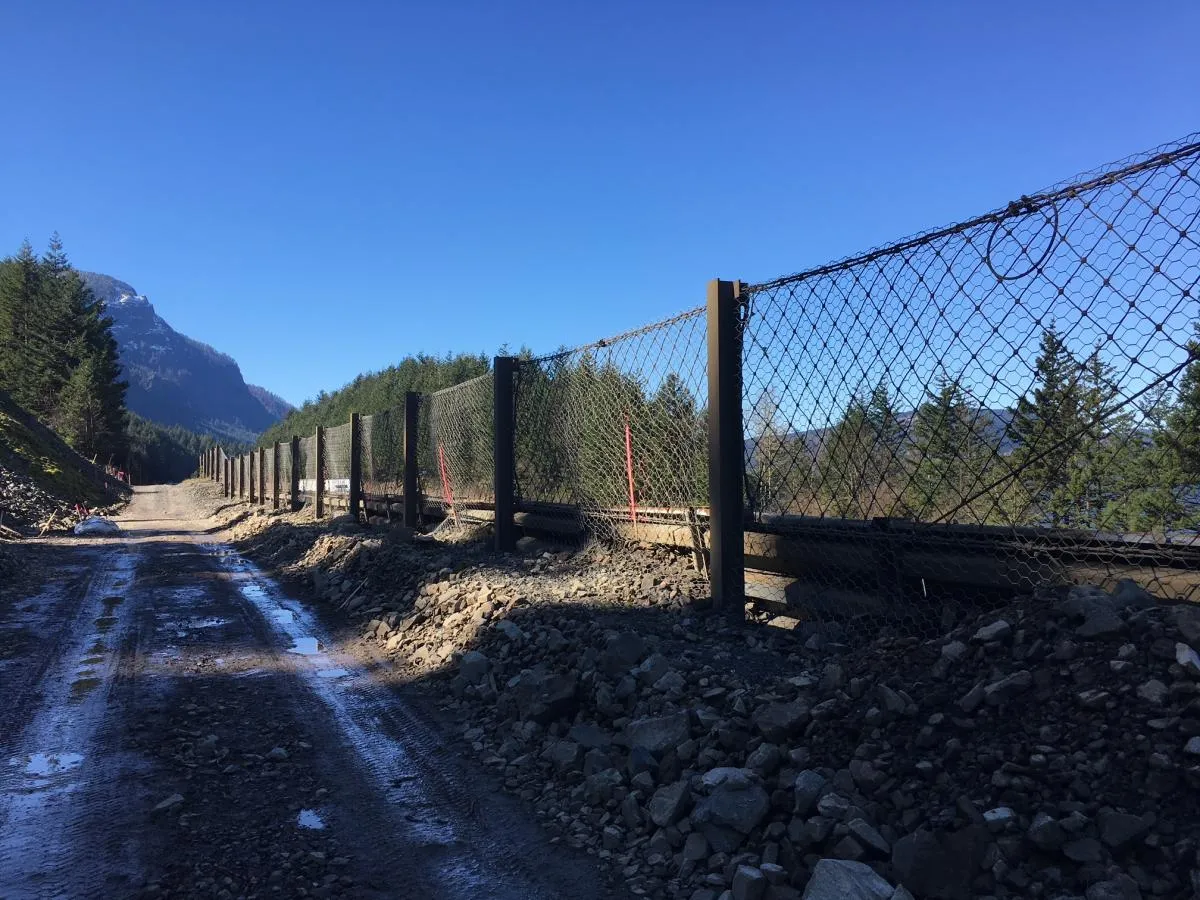
Rockfall Barriers & Fences
Engineered catch systems that intercept falling rock before it reaches roadways, railways, or infrastructure. Flexible posts, energy-absorbing brake elements, and ring or cable nets dissipate impact energy through controlled deformation.
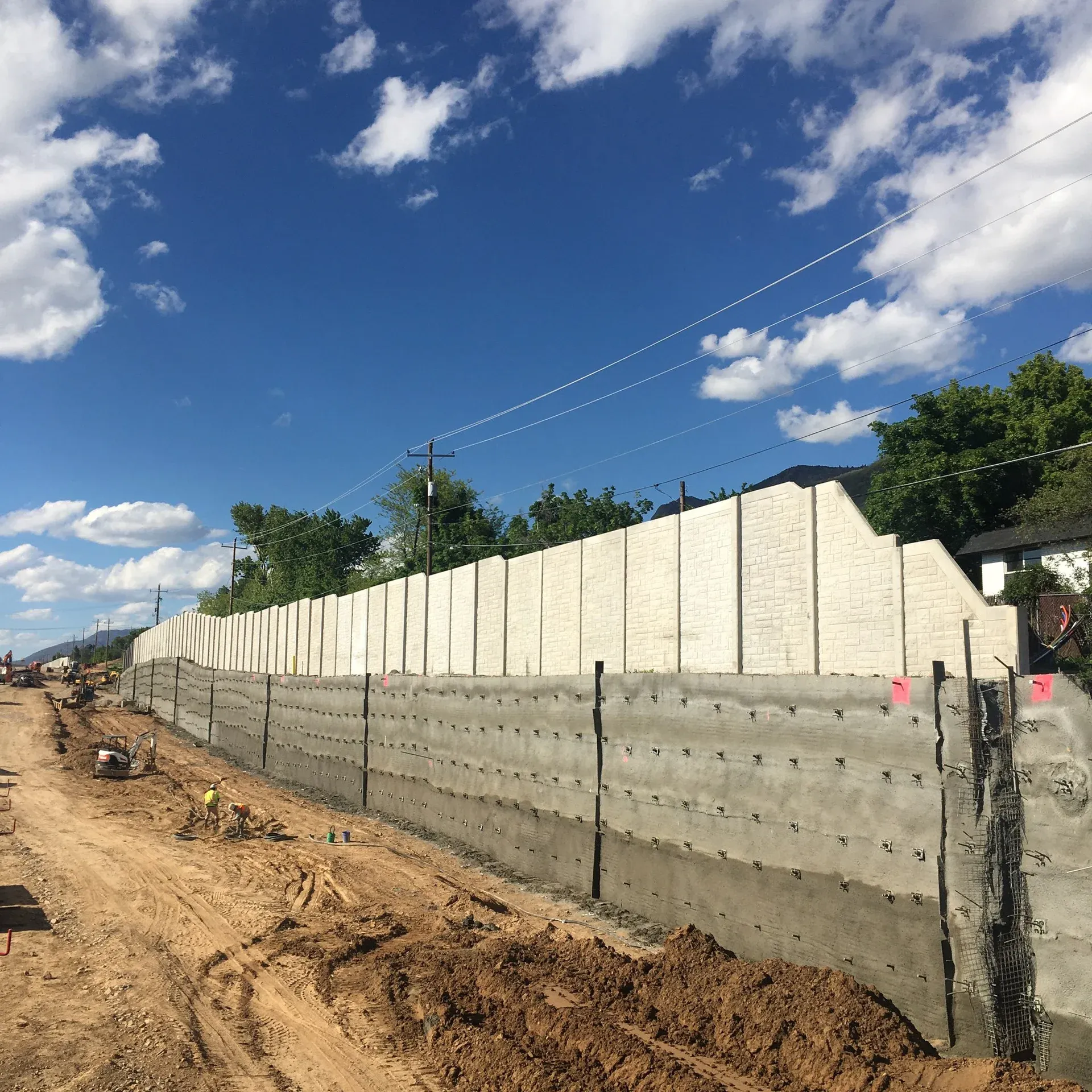

Soil Nailing
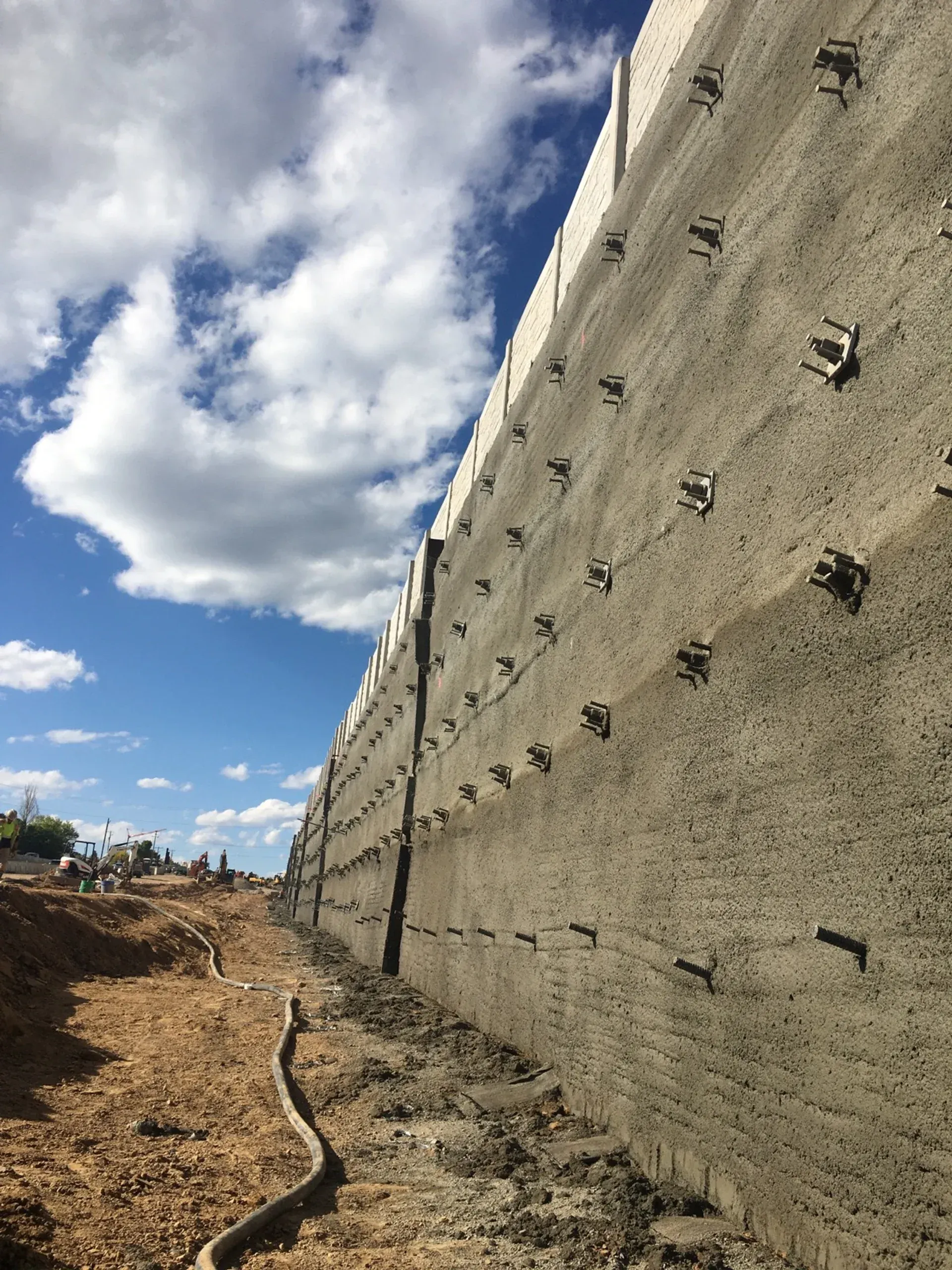
Learn how soil nails, grout, facing, and drainage form an earth retention system. Explore construction methods and design considerations, or discuss soil nail installation for your project.
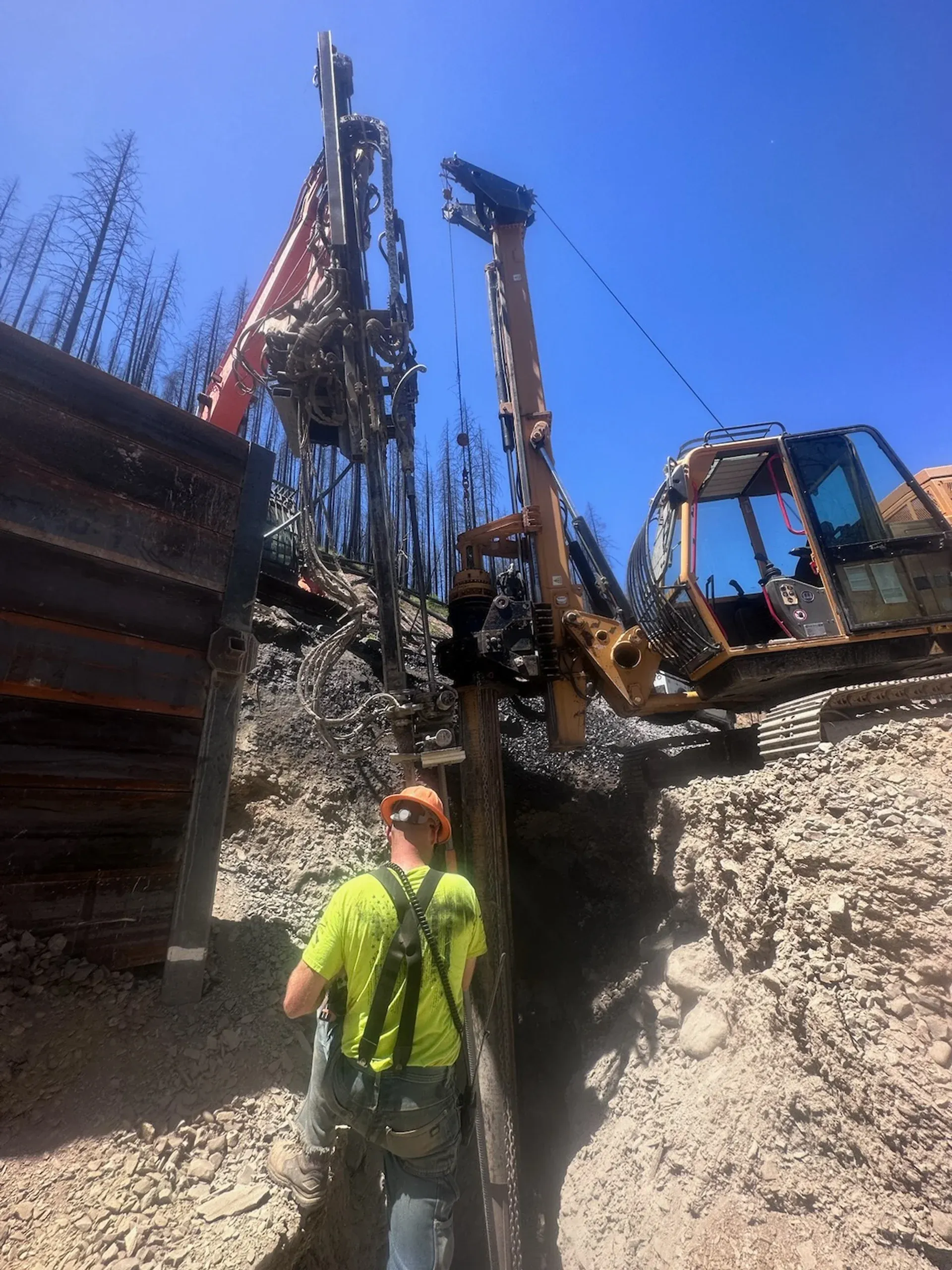

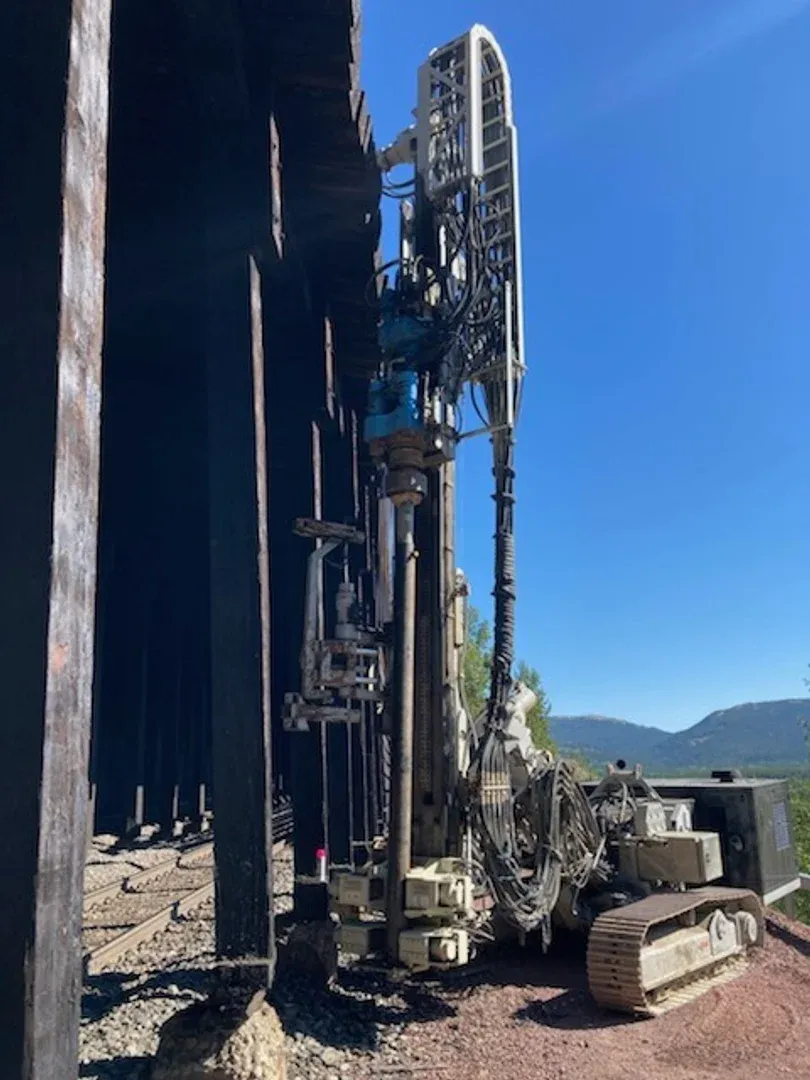
Soldier Pile Walls
Soldier pile walls are proven earth retention systems for stabilizing deep excavations and steep slopes. Steel beams installed at intervals with lagging placed between them provide flexible, economical support that adapts to site constraints.
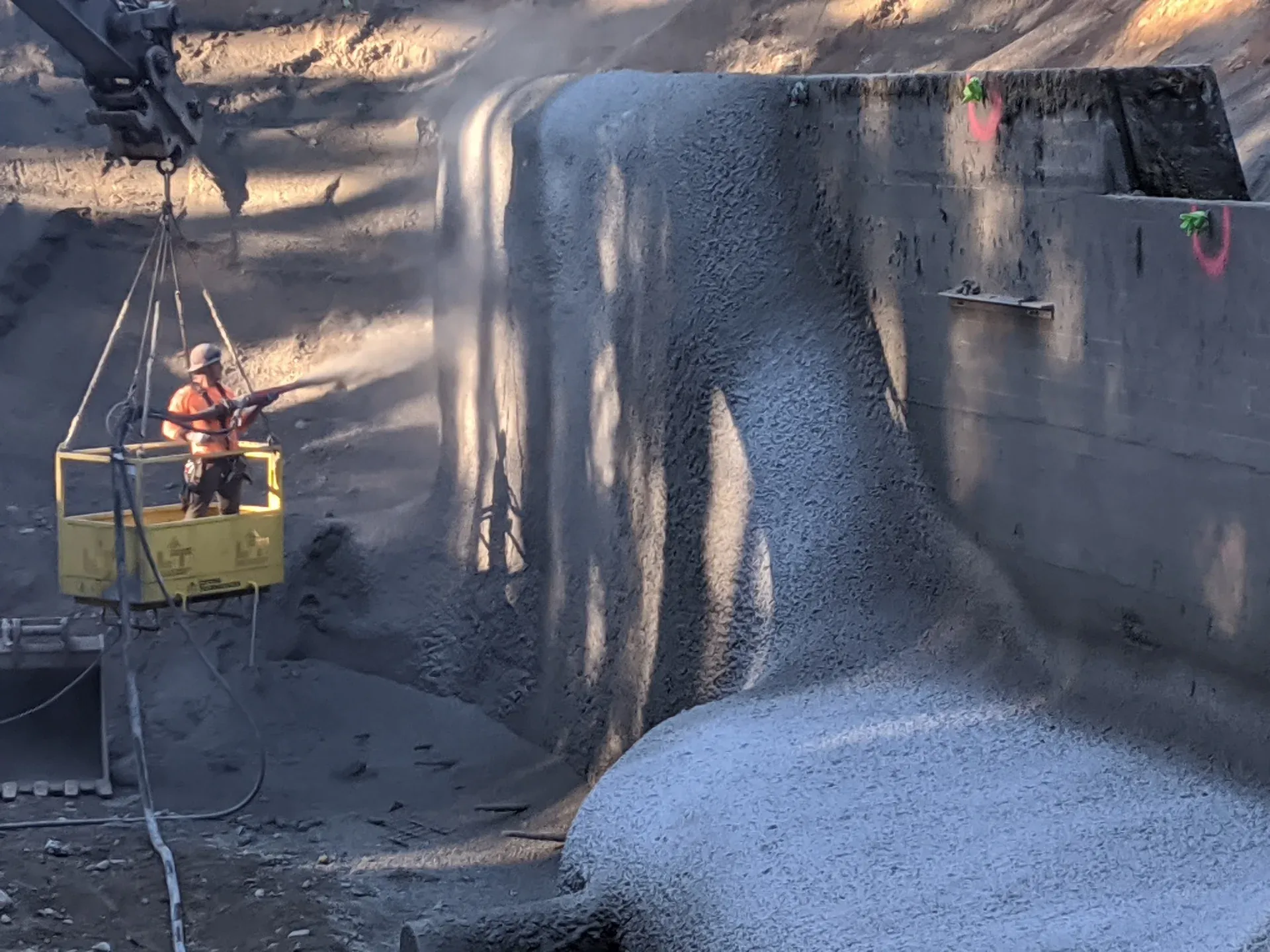

Structural Shotcrete
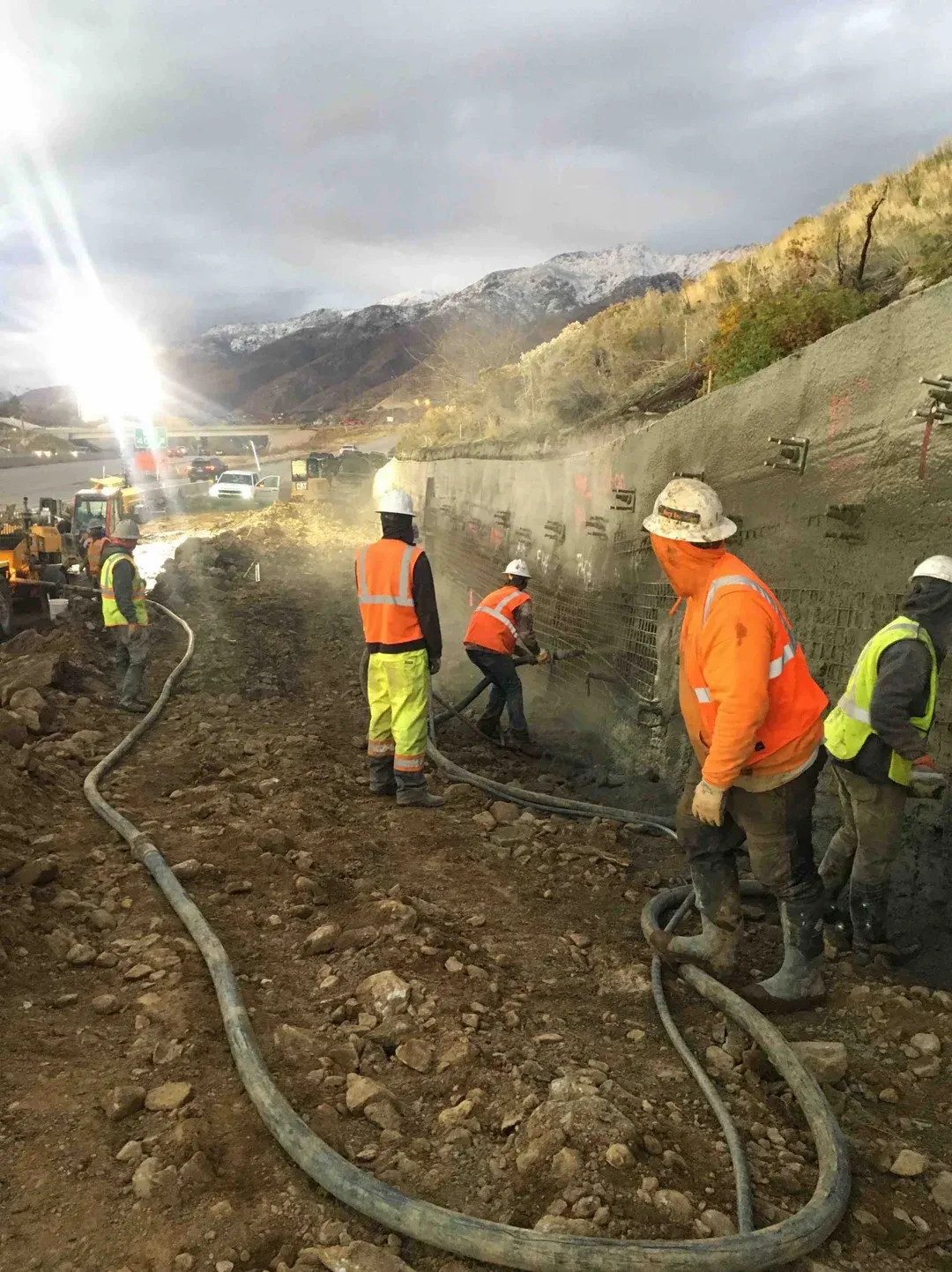
Structural shotcrete is concrete sprayed into place and designed to carry loads. It is used in retaining walls, tunnel linings, and other structures where the concrete needs to follow an irregular surface.
Industries Impacted
We serve these sectors with specialized expertise in their unique challenges and regulatory requirements.

Our Work
See how we've delivered this solution for clients across the country.
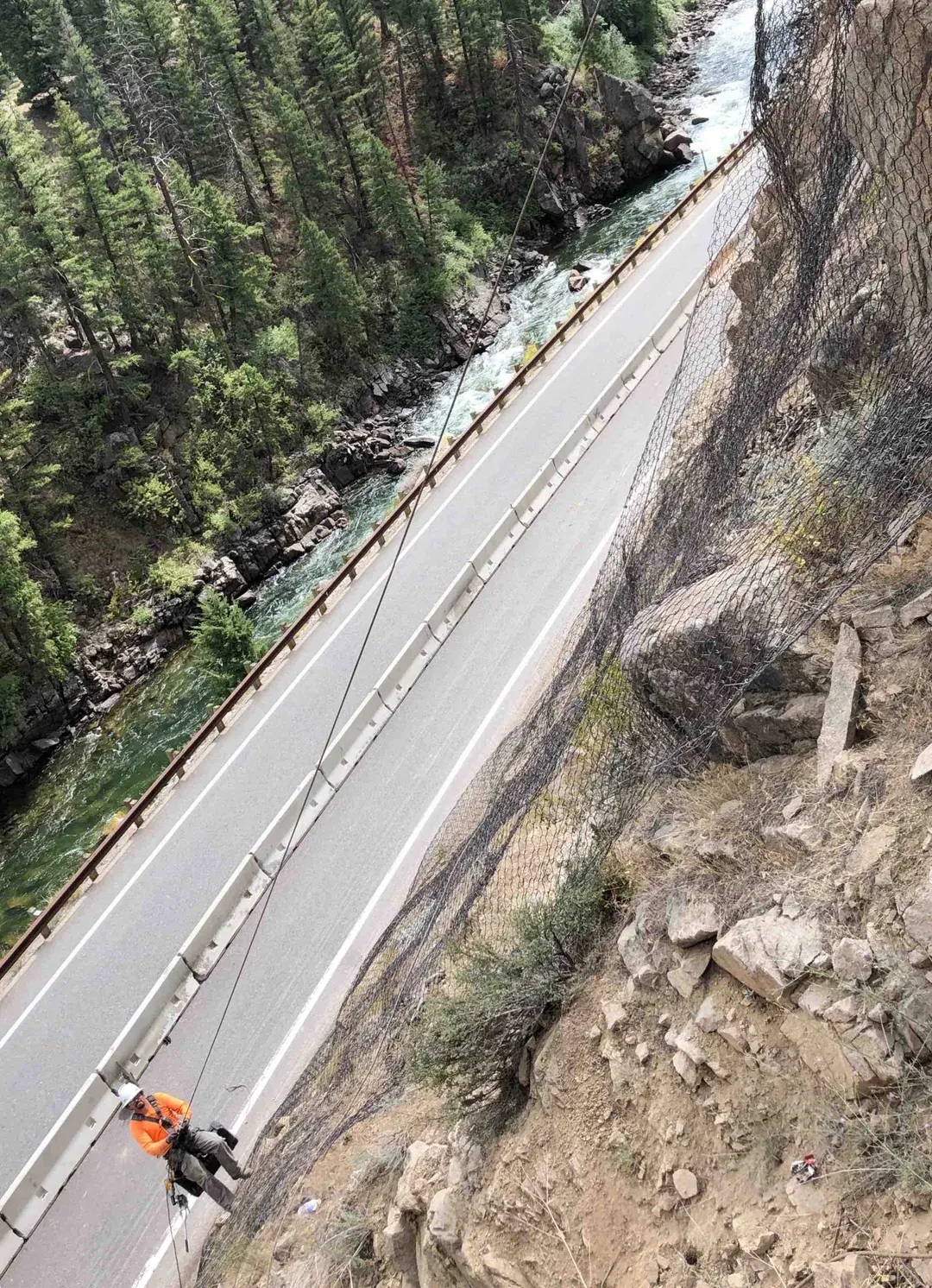
I-70 Corridor Stabilization
Installed 50,000 sq ft of high-tensile mesh and performed extensive scaling after a major weather event.
Ketchum-Challis Highway Scaling
Large-scale rock scaling and mesh installation along 3 miles of Highway 75 through the Sawtooth Mountains.
Lava Hot Springs Slope Stabilization
Multi-phase slope stabilization project protecting the historic hot springs resort and Highway 30 from an active landslide.
Emergency Response & Rapid Mobilization FAQ
Our Service Area
Rock Supremacy supports projects across the United States from divisions in Bend, Oregon, and Blountville, Tennessee. Contact us to discuss your location, access, and scheduling needs.
For an active incident, call our team. Dispatch and arrival depend on the hazards, location, access, equipment needs, and crew availability.
Western Division (HQ)
Eastern Division
About Rock Supremacy
Founded in 2011, Rock Supremacy specializes in rockfall mitigation, slope stabilization, and geotechnical construction.
From the steep canyons of Colorado to the coastal bluffs of California, we've developed proven methodologies for stabilizing slopes and protecting critical infrastructure. Our crews are trained to work in the most demanding vertical environments.
Learn More About Us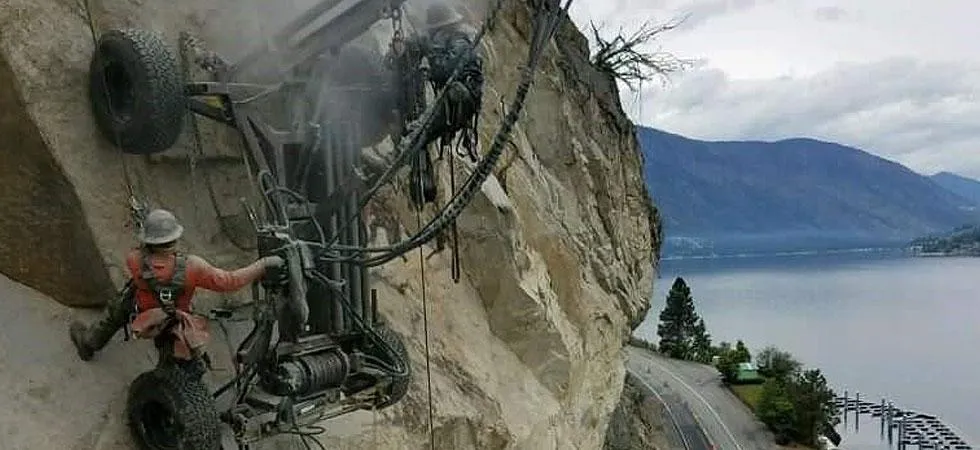
Planning for Safe Work
Site hazards, access, rescue arrangements, and nearby operations shape the work plan. Our crews use safety briefings and equipment inspections to prepare for the work ahead.
Include site induction, training, and crew qualification requirements with your project information. We review these with the owner and construction team before mobilization.
Our Safety ProgramClient Testimonials
Trusted by DOTs, engineering firms, and property owners nationwide.
Deploy Us
Ready to discuss your project? Our team is standing by to assess your site conditions and develop a custom emergency response & rapid mobilization solution.
Include any licensing, insurance, and crew qualification requirements in your inquiry so we can review them for the project.
Request Consultation
Ready to Get Started?
Our team is standing by 24/7 for emergency response or to schedule a site assessment for your next project.