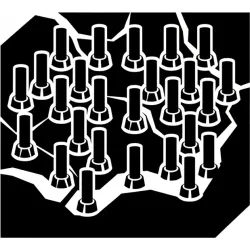
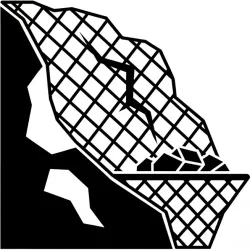
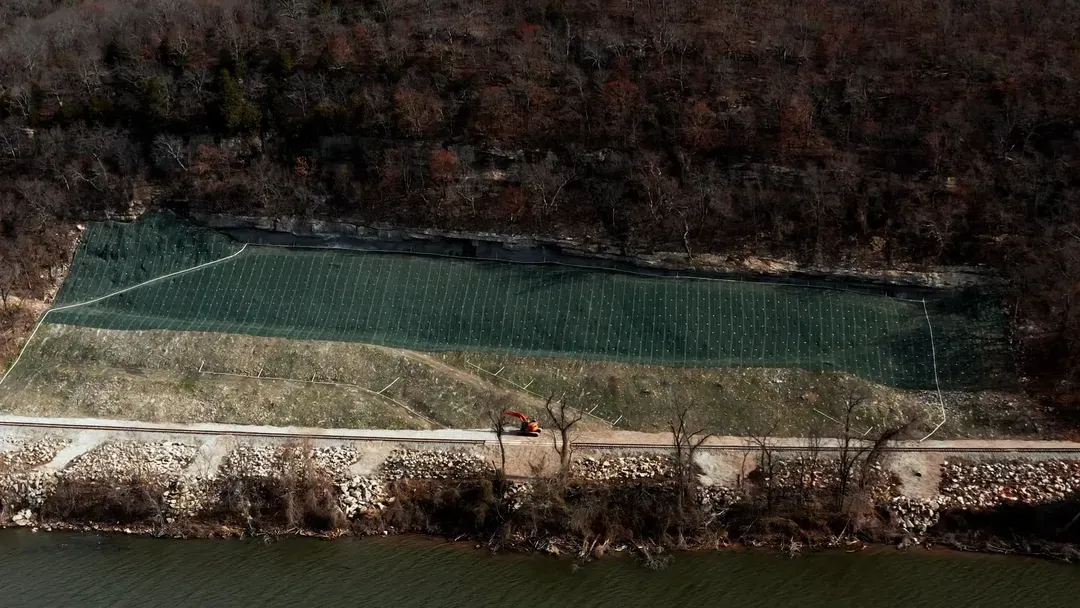
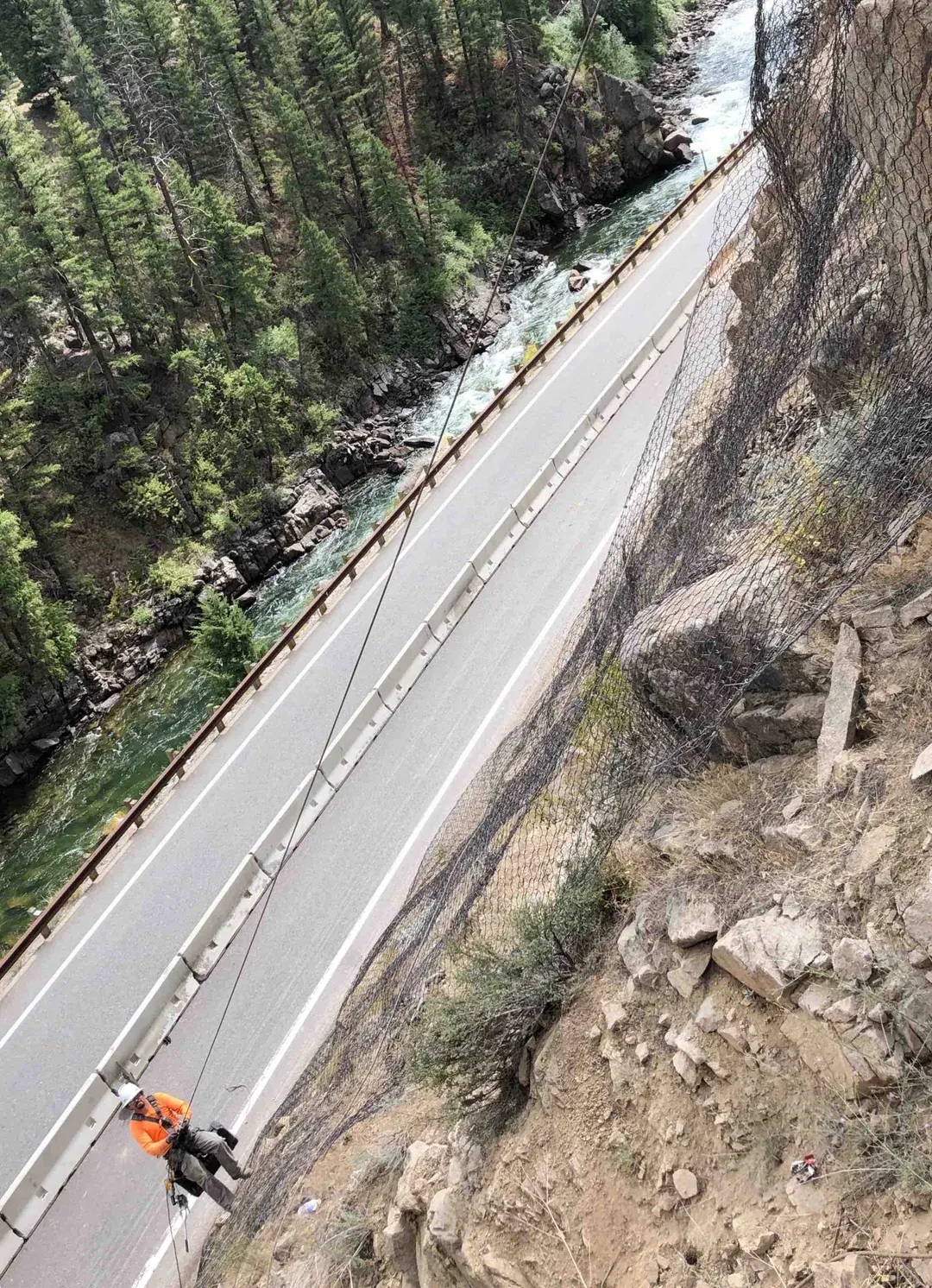
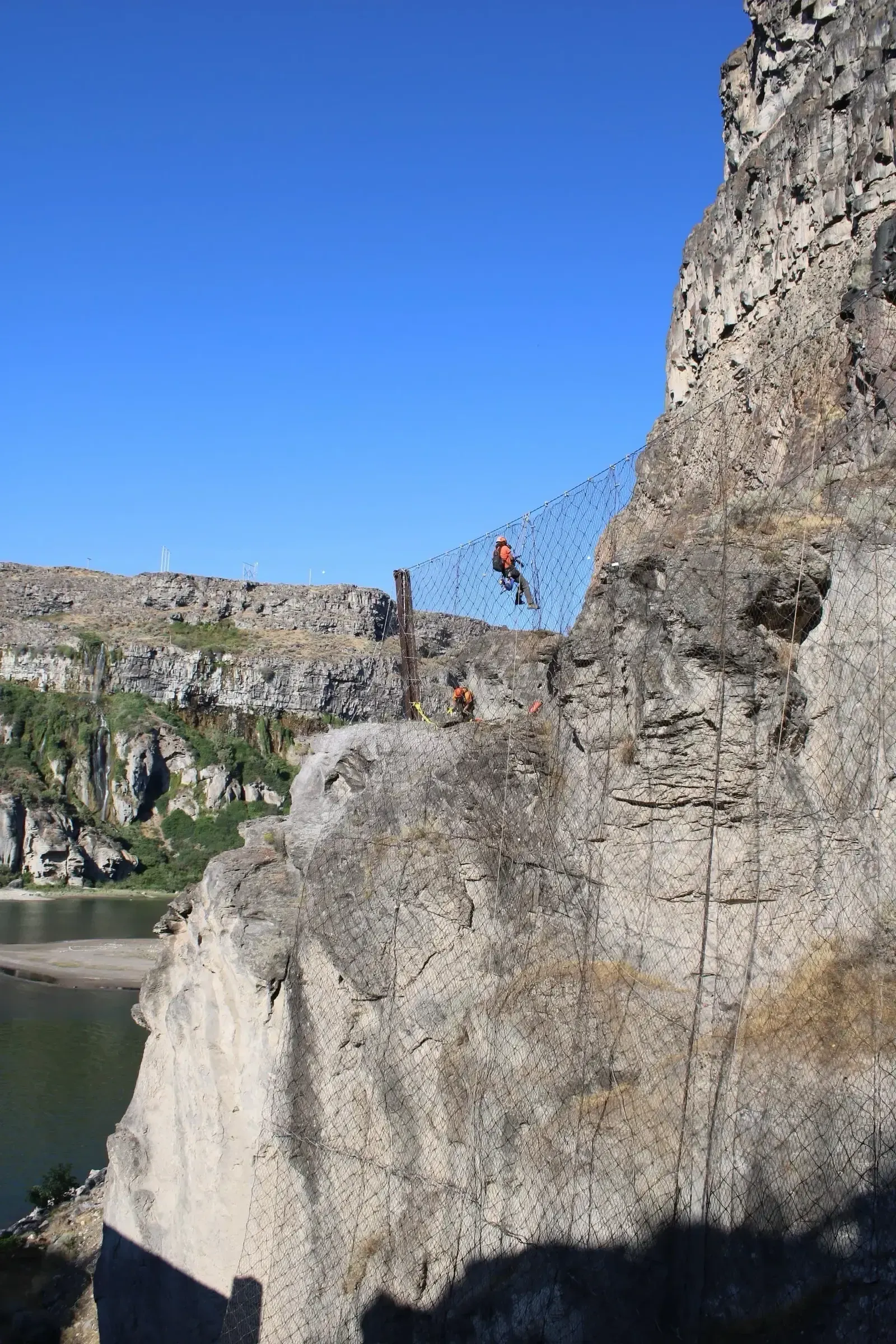
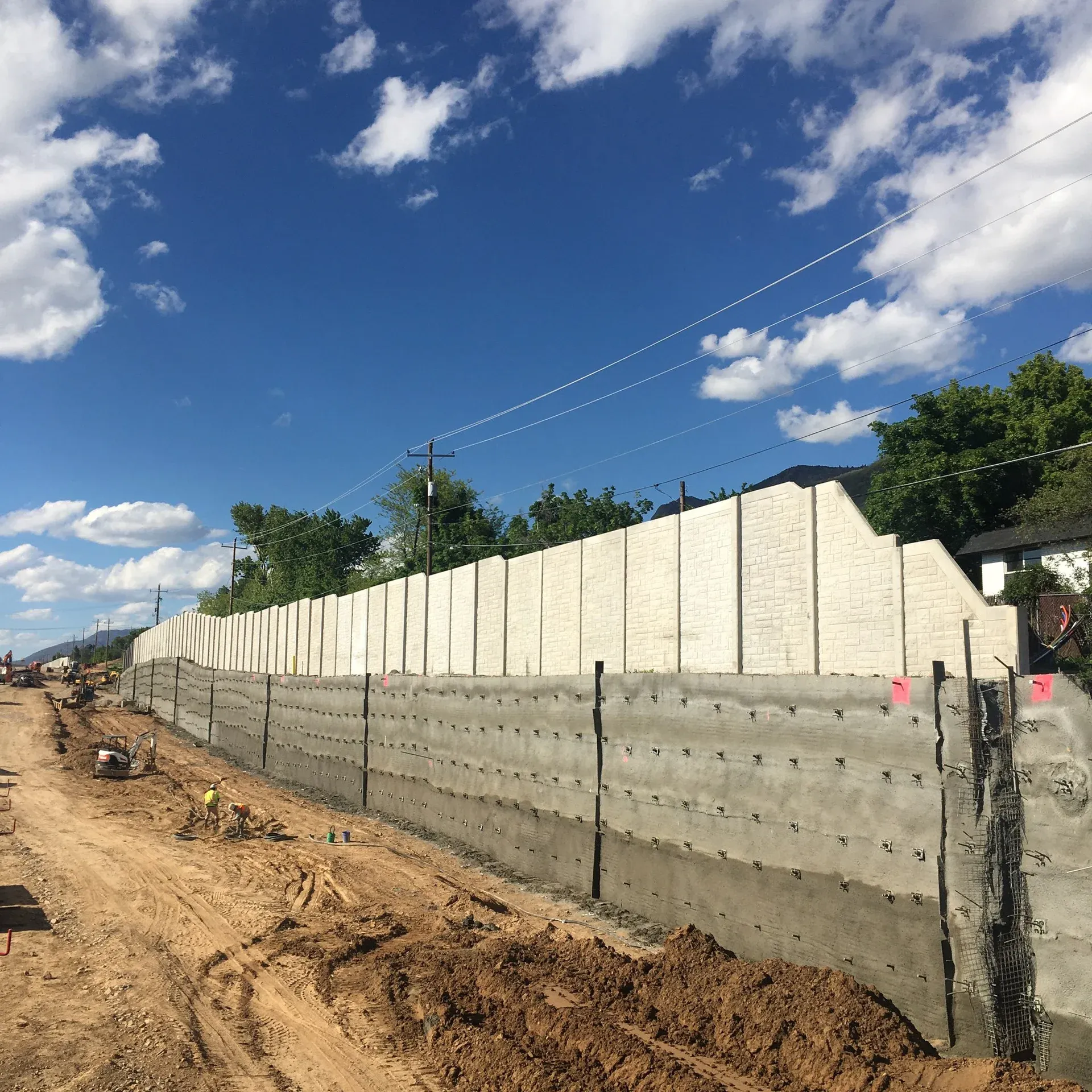
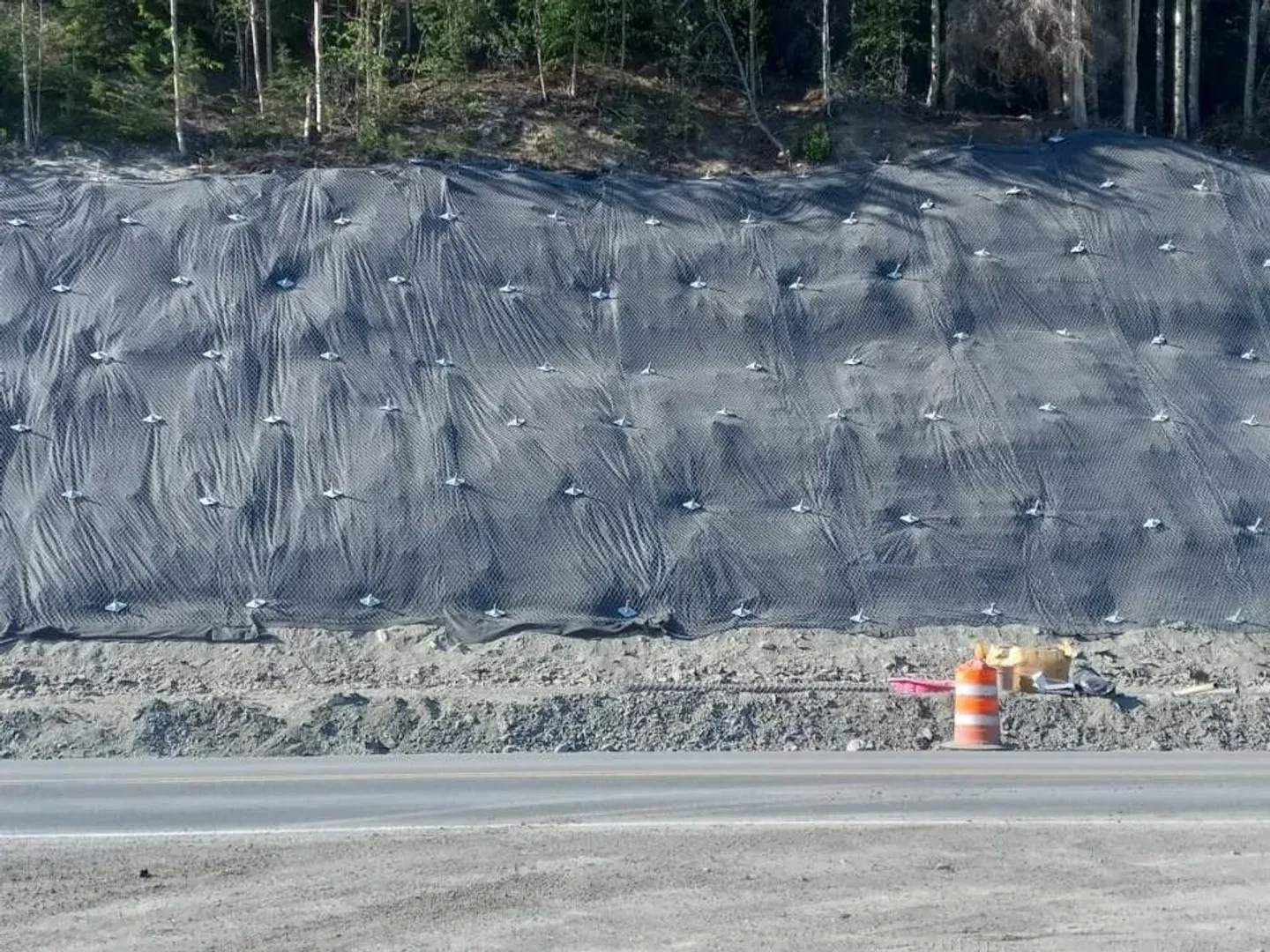
State DOT highway rock cuts with constrained catchment-ditch geometry are the dominant US application. Where alignment, right-of-way, or topography limits the toe ditch, drapery is not feasible and active restraint at the source is the only way to keep blocks off the travel lane. Pinned mesh on a soil nail or rock bolt grid sized by RUVOLUM and AASHTO LRFD §11.12 is the standard treatment for these constrained-toe corridors.
Mining highwalls under active production are the second heavy market. Crews working beneath a face require that surface release be restrained at the source rather than caught at the toe, so high-tensile pinned mesh with pre-tensioned spike plates is the routine specification on Class I metals and aggregates pits where the highwall is in long-term service.
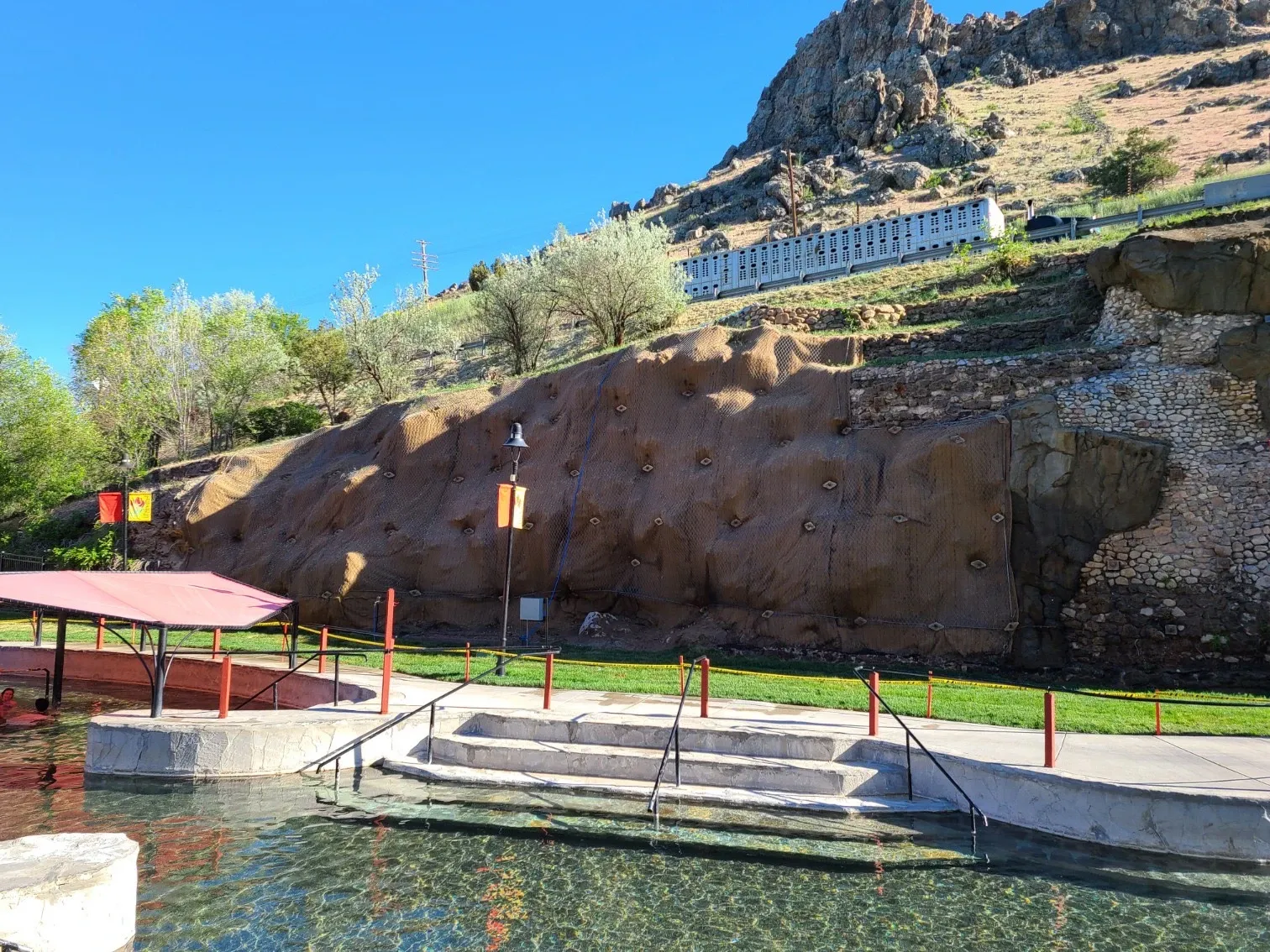
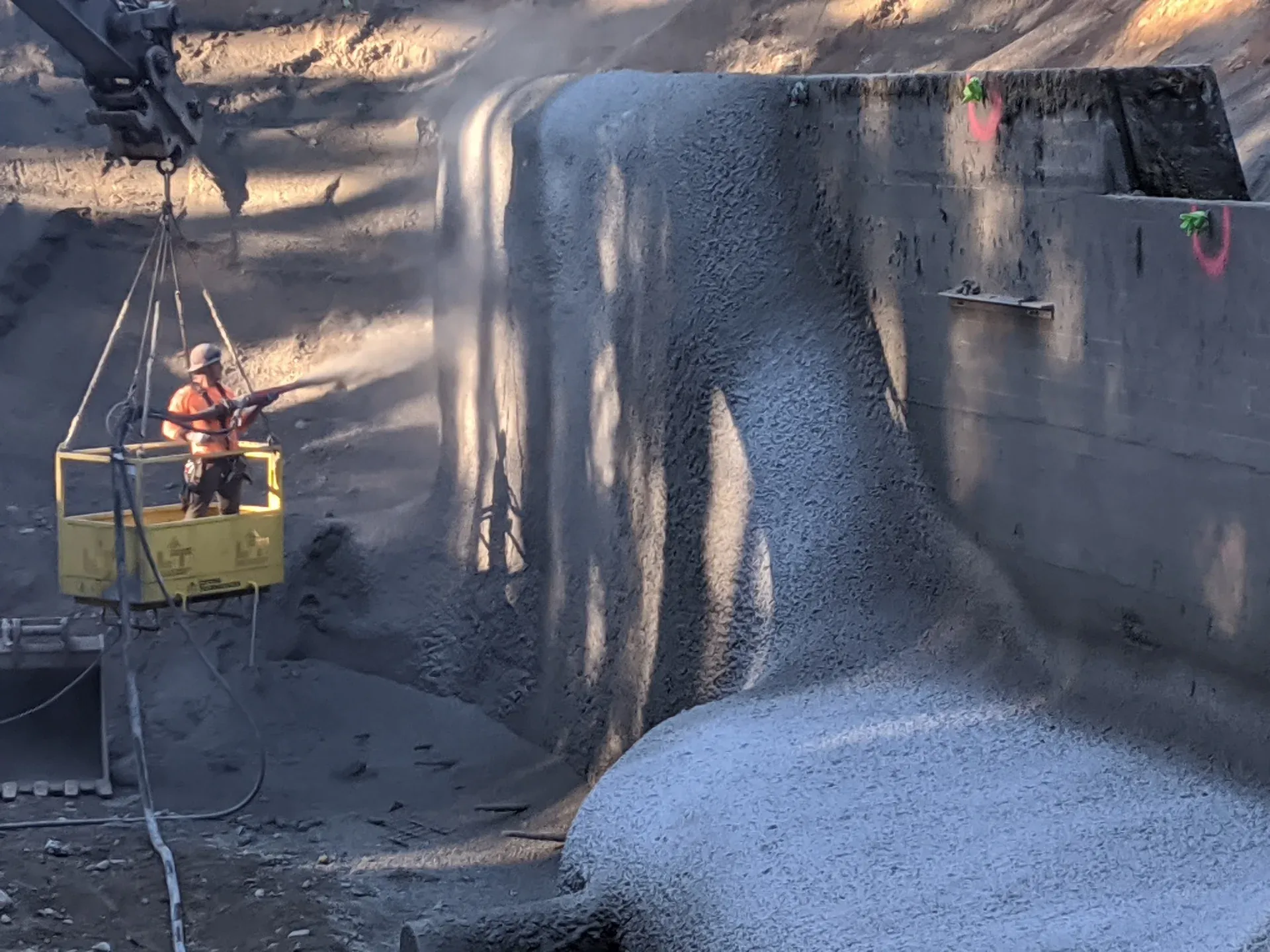
Tunnel portals and bridge abutments use pinned mesh when the slope above critical structure cannot tolerate blocks of any size releasing onto the asset. The configuration pairs naturally with structural shotcrete facing when surface weathering protection is also required, with the mesh acting as flexible reinforcement under the shotcrete shell.
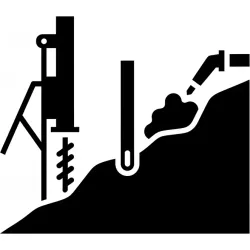
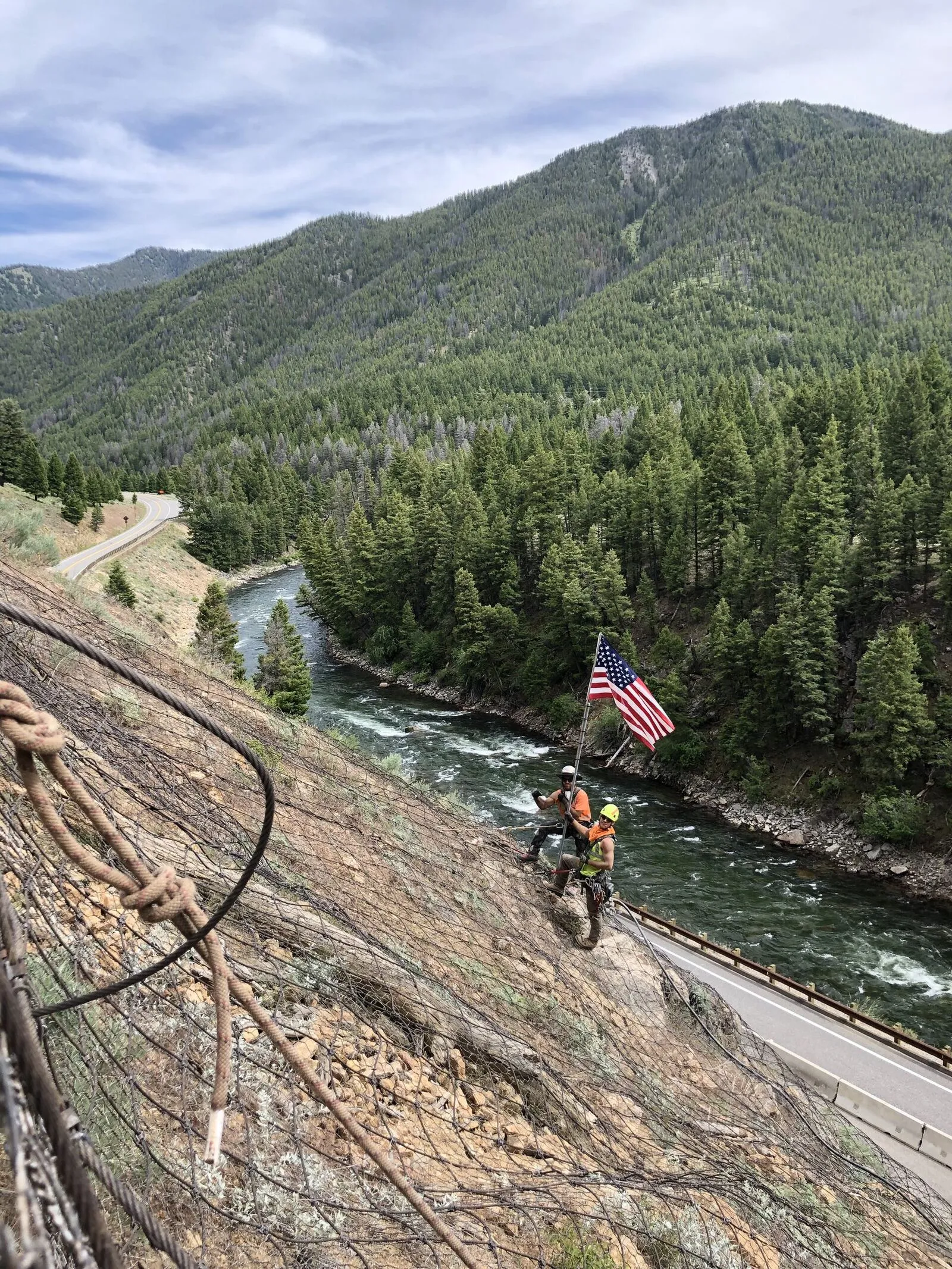
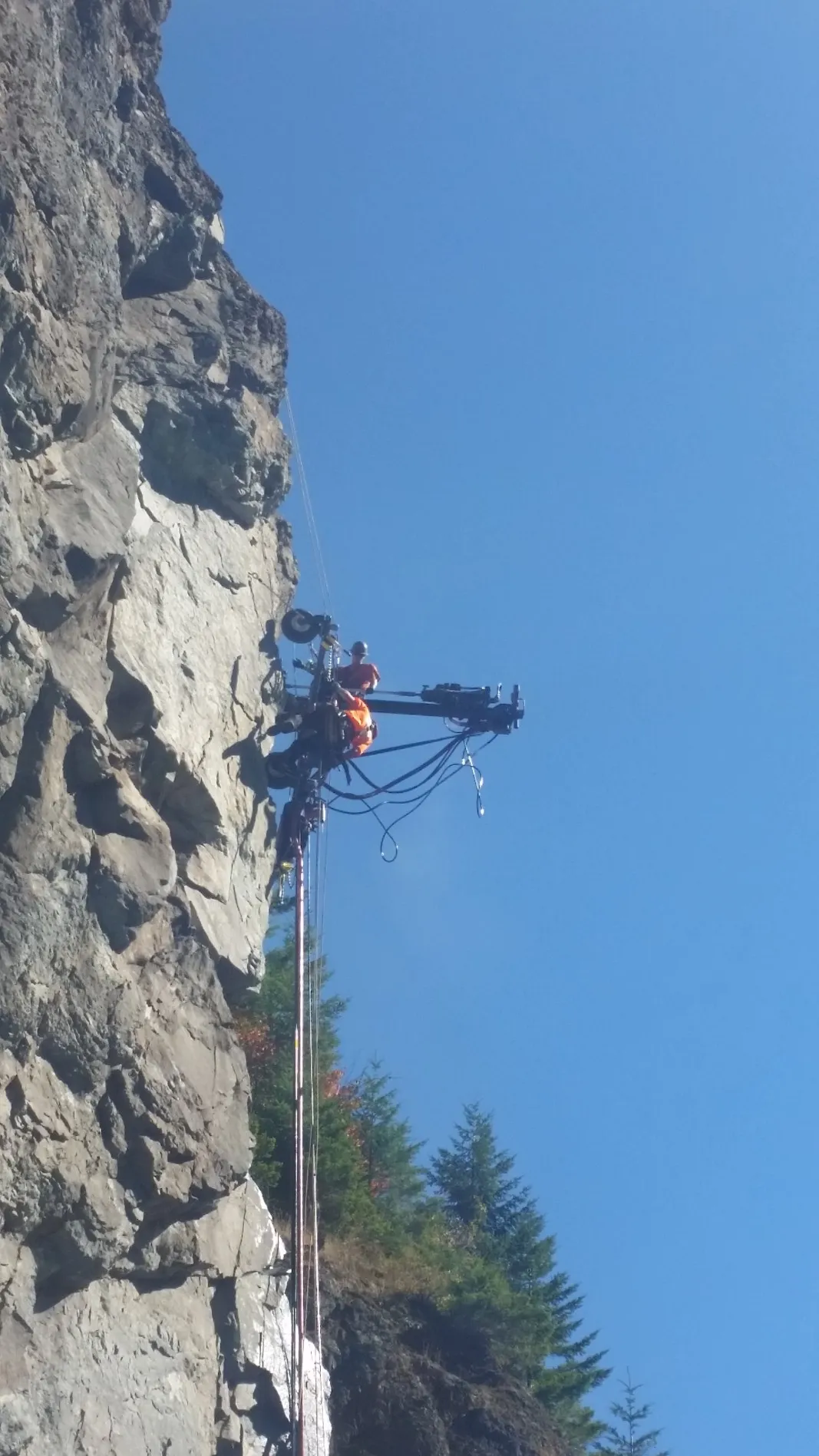
Steep, rope-access-only terrain is the fourth common case. SPRAT and IRATA crews can drill nails, hang mesh, and torque spike plates on vertical and overhanging faces where vehicle-mounted drilling is impossible, including canyon rail corridors, port rockfall sites, and remote mountain highways. The same access methods carry through to hybrid drape-and-pinned configurations on tall slopes where the upper face is draped and the lower face adjacent to infrastructure is pinned.
 Drilling
  Mesh & Barrier Systems
  Rope Access
  Rock Anchoring