Tunnel Rehabilitation Contractor
Tunnel rehabilitation, concrete repair, and underground stabilization for rail and highway infrastructure, with construction planned around access and operating windows.
Plan Your Tunnel Rehabilitation Work
Rock Supremacy works with infrastructure owners, operators, and general contractors on tunnel rehabilitation and underground stabilization. Bring your inspection findings and repair scope to discuss concrete repair, shotcrete placement, rock reinforcement, ground support, and water management.
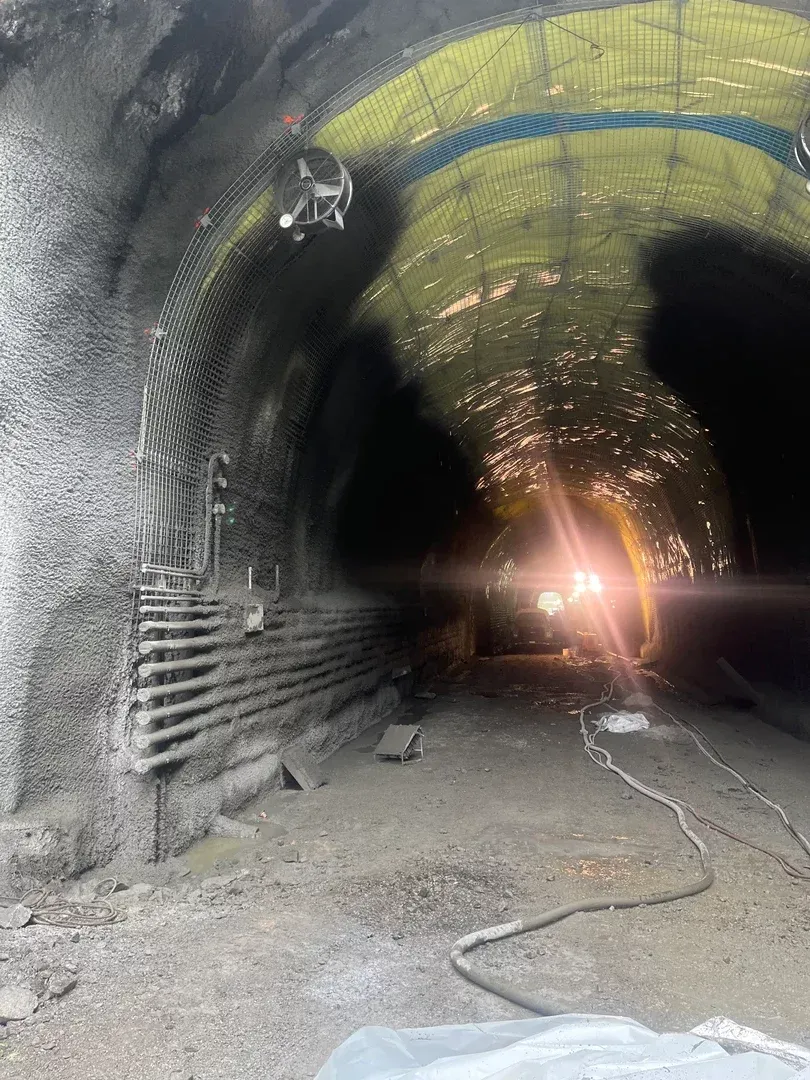
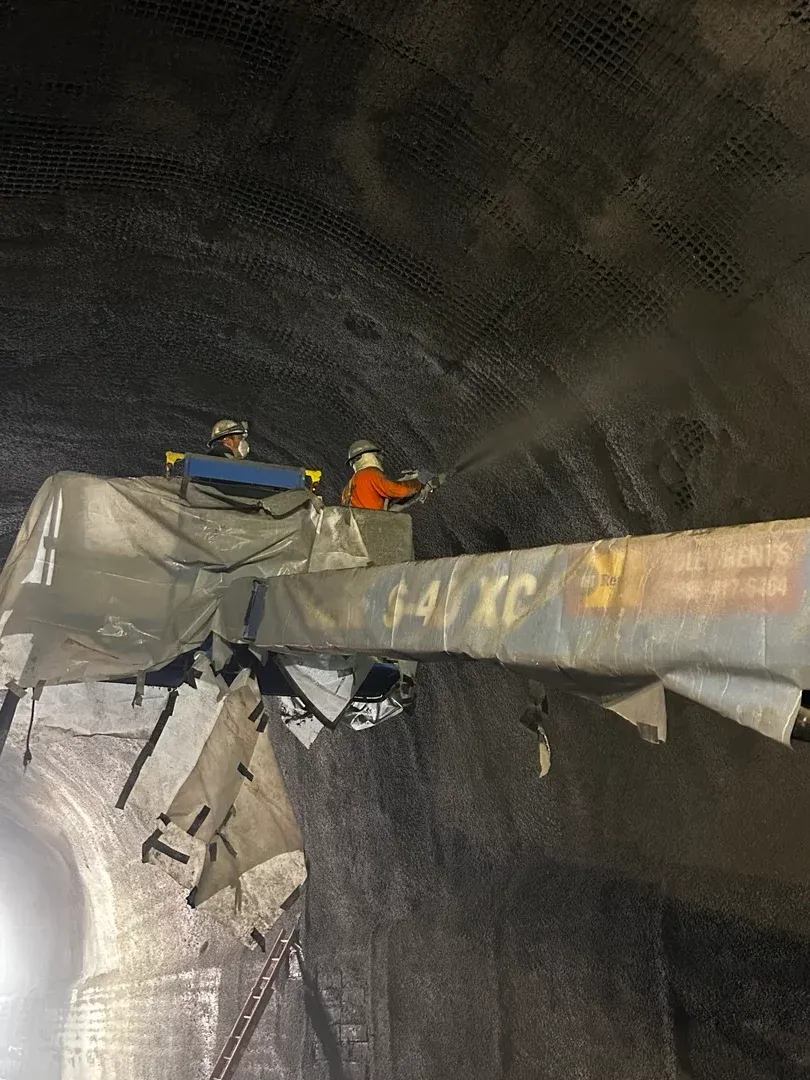
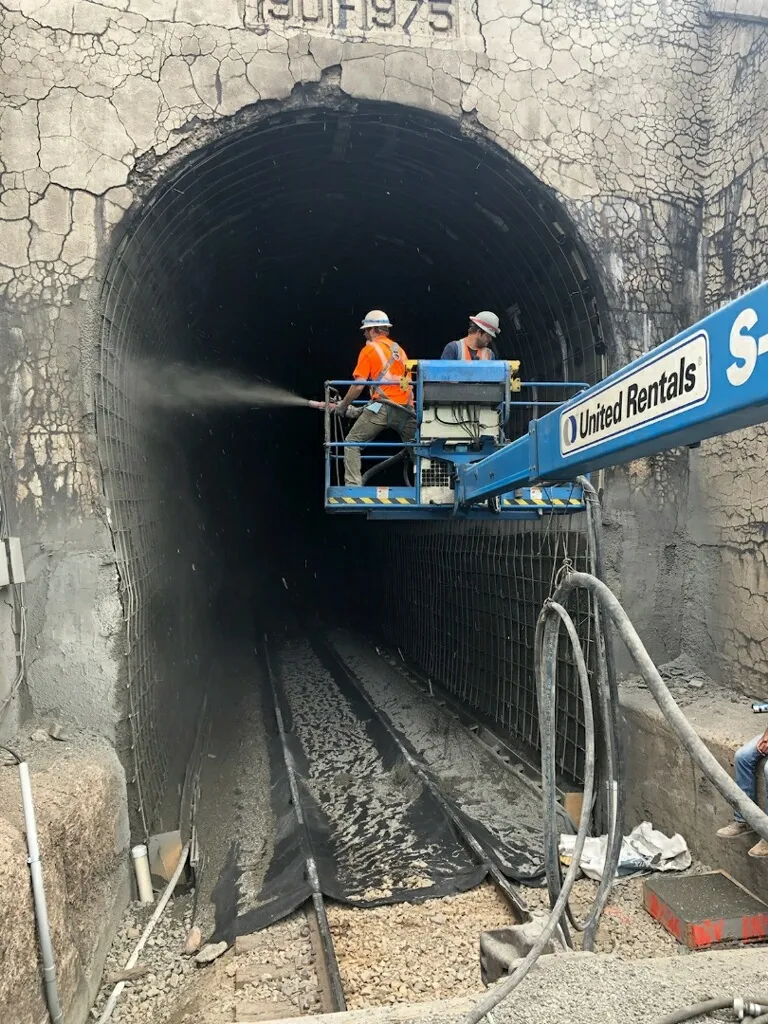
At the Roseville Rail Yard tunnel, crews installed steel sets and applied shotcrete to address crown deterioration during scheduled nighttime railroad work windows. Access, setup, work sequencing, and returning the corridor to the operator all matter when planning a rehabilitation package.
The construction scope may combine rock bolting, tunnel support systems, structural shotcrete, and pressure grouting. Discuss the project engineer's repair requirements, existing lining condition, water inflows, and site constraints with our team before defining the installation scope.
For a proposal discussion, send the tunnel location and use, inspection reports and photographs, available repair drawings, dimensions and clearances, and the intended bid and construction dates. Identify operating windows, equipment access, staging space, operator requirements, and known water or ground conditions. Tell us which design decisions are still in progress.
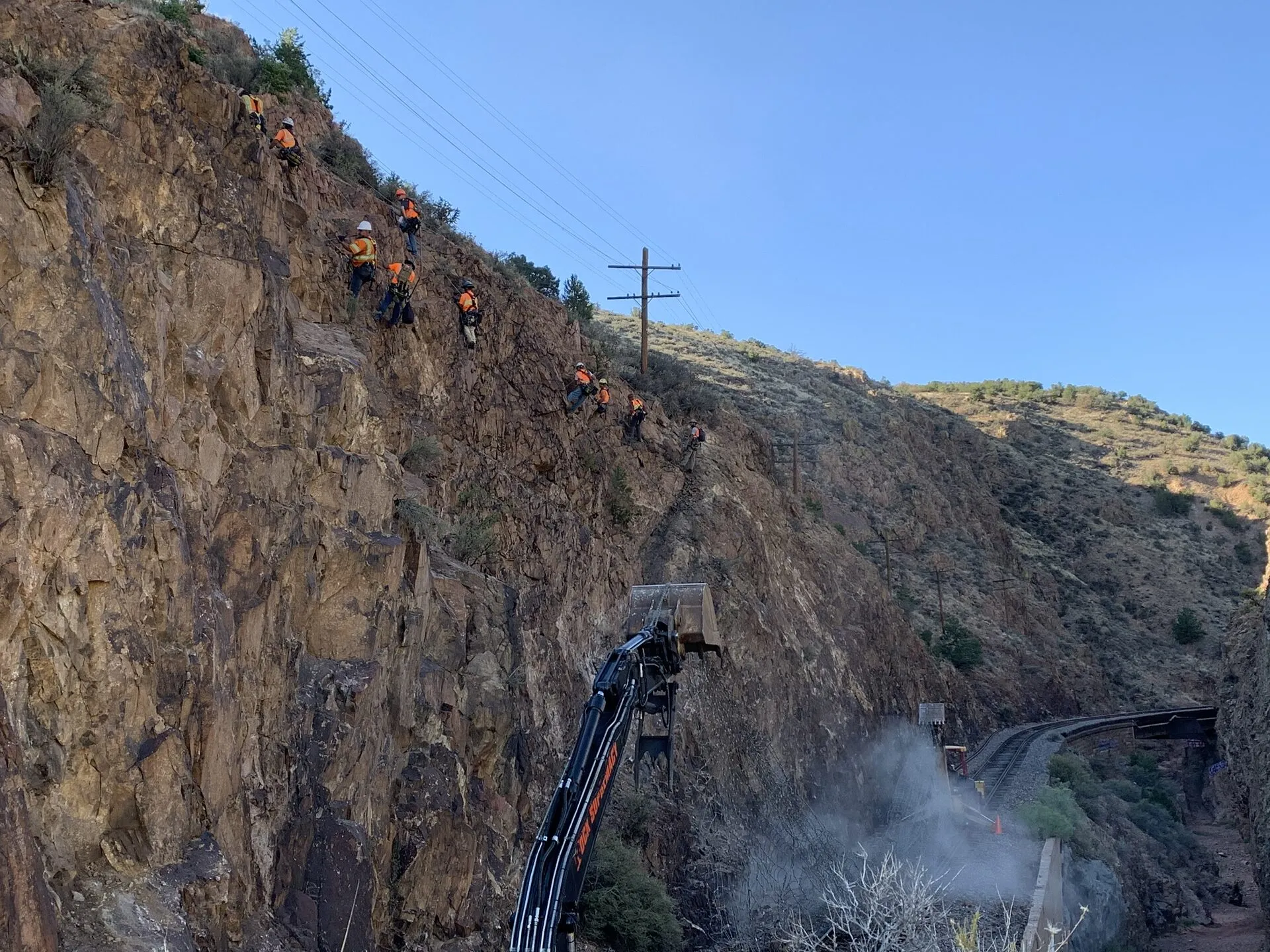
Contact our tunnel rehabilitation team to discuss the work package and site constraints. For slopes or rockfall hazards at a portal or approach, also review our rockfall mitigation services.
When Tunnel Stabilization Is Needed
You may require tunnel or portal stabilization when you observe: loose rock or overbreak at the crown or ribs; water infiltration or seepage staining; stress fractures, cracking, or block separation; spalling or deterioration of existing support; portal instability at the slope interface; rusted or failing rock bolts, sets, or mesh; or undermining or erosion near the tunnel entrance. Any change in rock mass behavior underground can escalate quickly, stabilization ensures continued safe operation.
Without proper intervention, these conditions typically worsen over time. Early assessment and appropriate remediation can prevent costly emergency repairs and protect the assets and people that depend on stable ground.
Common Causes
- Stress redistribution or blasting-induced fractures
- Groundwater pressure and seepage infiltration
- Weathered or weak rock zones
- Portal interaction with unstable surface slopes
- Aging, corroded, or undersized support elements
- Construction vibration and modern load demands
- Freeze-thaw damage and reinforcement corrosion
- Chemical attack from aggressive groundwater
- Original construction deficiencies
- Deferred maintenance and accumulated deterioration
Complete Underground Solutions
From initial assessment through final restoration, we provide comprehensive tunnel services that address both immediate structural concerns and long-term durability requirements. Our approach integrates structural repair with waterproofing and ground improvement for rehabilitations that outperform original construction.
Condition Assessment & Documentation
Detailed inspection and documentation of existing conditions including concrete delamination mapping, water infiltration tracking, structural deficiency identification, and ground support evaluation. Assessment establishes baseline conditions and prioritizes rehabilitation needs.
Engineering Analysis & Design
Structural evaluation determines load-carrying capacity and identifies required repairs. Design specifies lining thickness, reinforcement, waterproofing, and ground support to restore full structural capacity with appropriate safety factors. Analysis considers construction constraints of the operating environment.
Surface Preparation
Hydrodemolition or mechanical removal of deteriorated concrete to expose sound substrate for rehabilitation. Preparation removes contaminated material, undercuts reinforcing steel for proper encasement, and creates surface profile for shotcrete bond.
Ground Support Installation
Rock bolts, steel sets, lattice girders, or spiling stabilize loose ground and provide support for new lining. Ground support addresses the root cause of many tunnel failures, inadequate original support or deterioration over time.
Structural Repair & Lining
Application of shotcrete lining, installation of steel ribs, or placement of cast-in-place concrete restores structural integrity. Fiber reinforcement, welded wire fabric, or conventional rebar provides tensile capacity. Multiple layers achieve design thickness.
Waterproofing & Drainage
Installation of membrane systems, injection grouting, and drainage provisions prevents future water infiltration. Waterproofing protects the rehabilitated structure from the deterioration mechanisms that damaged the original.
How We Deliver
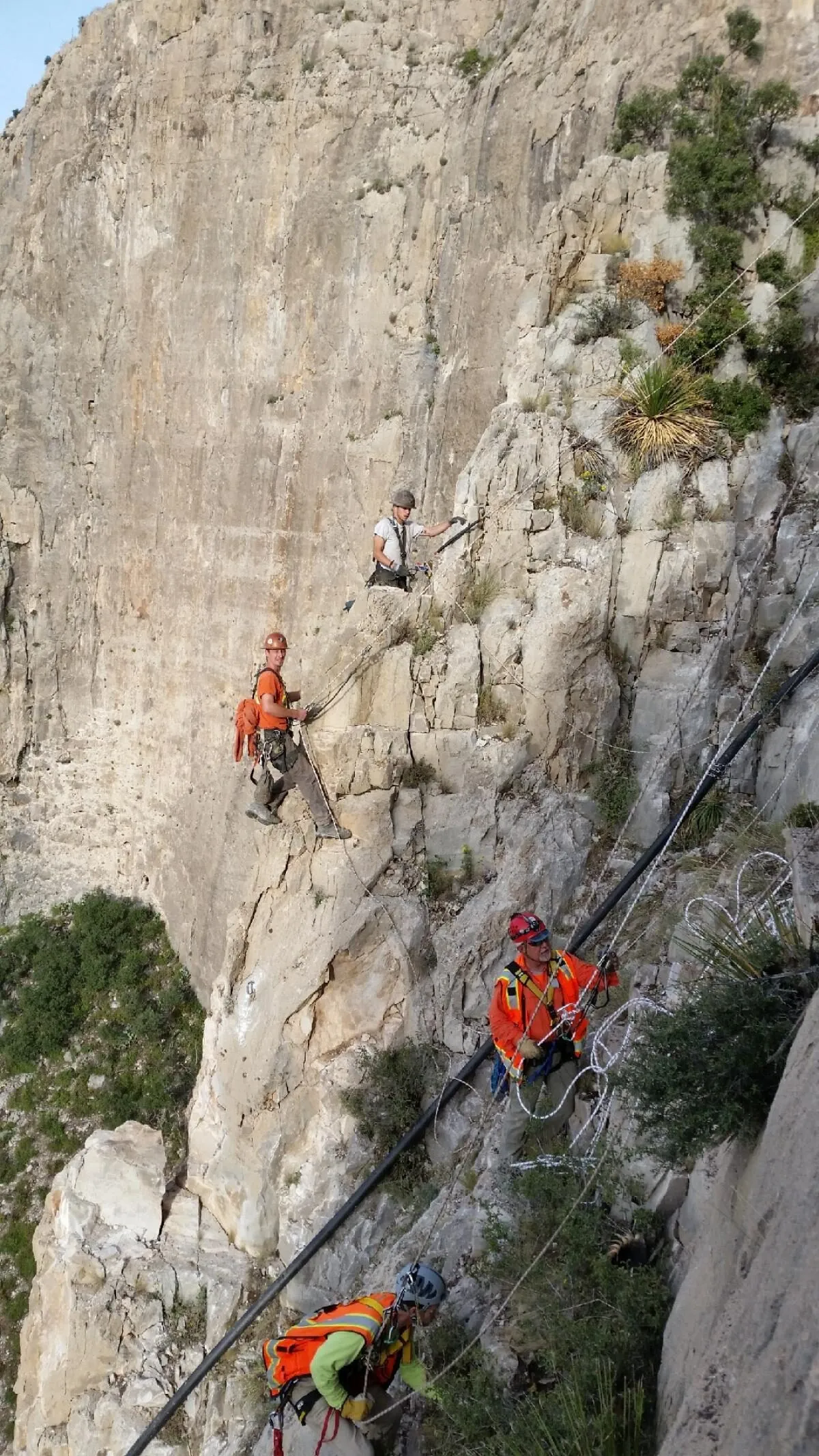
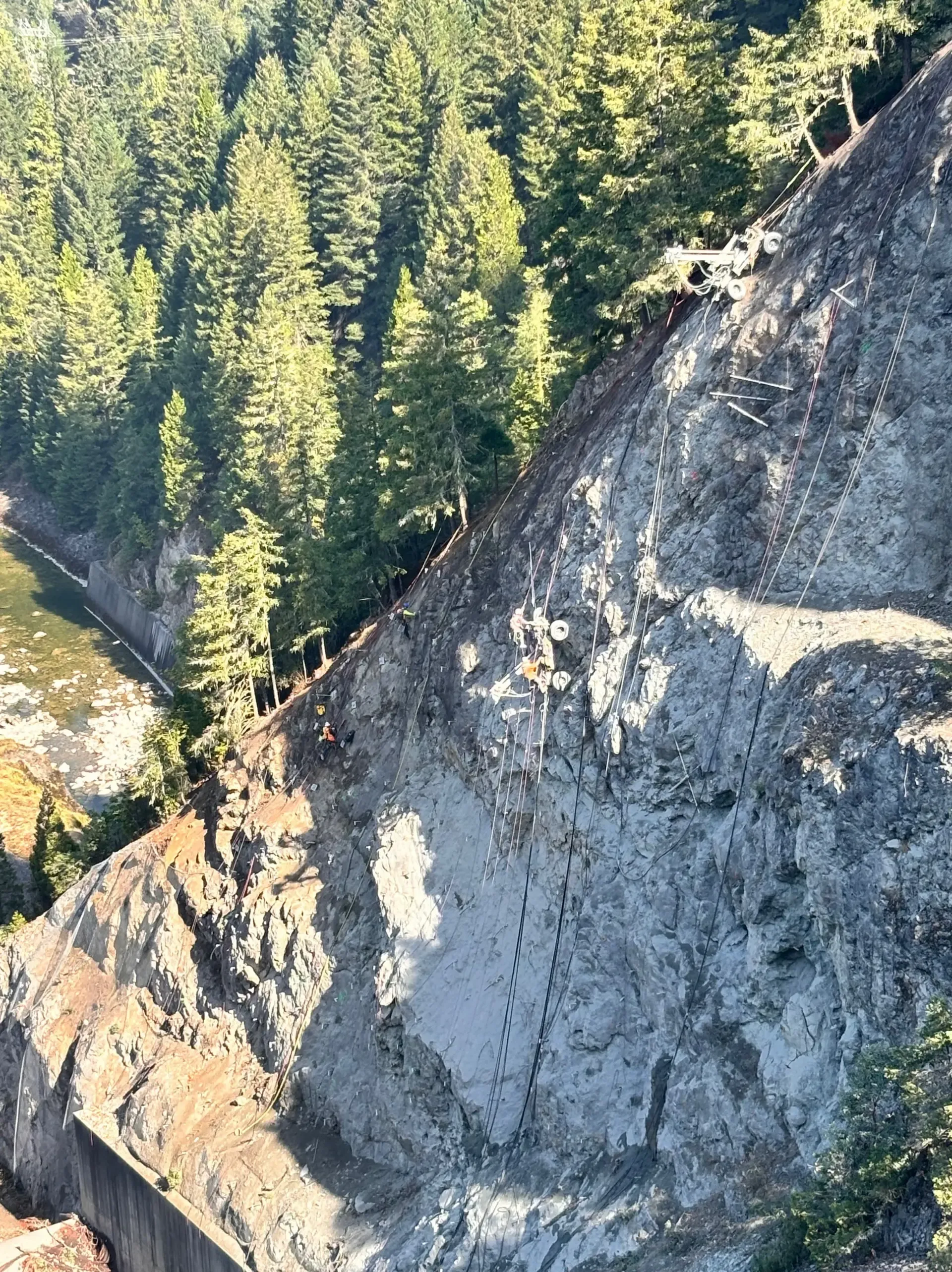
Our field services deliver comprehensive solutions tailored to your specific site conditions and requirements.
Why Choose Rock Supremacy
Techniques We Use
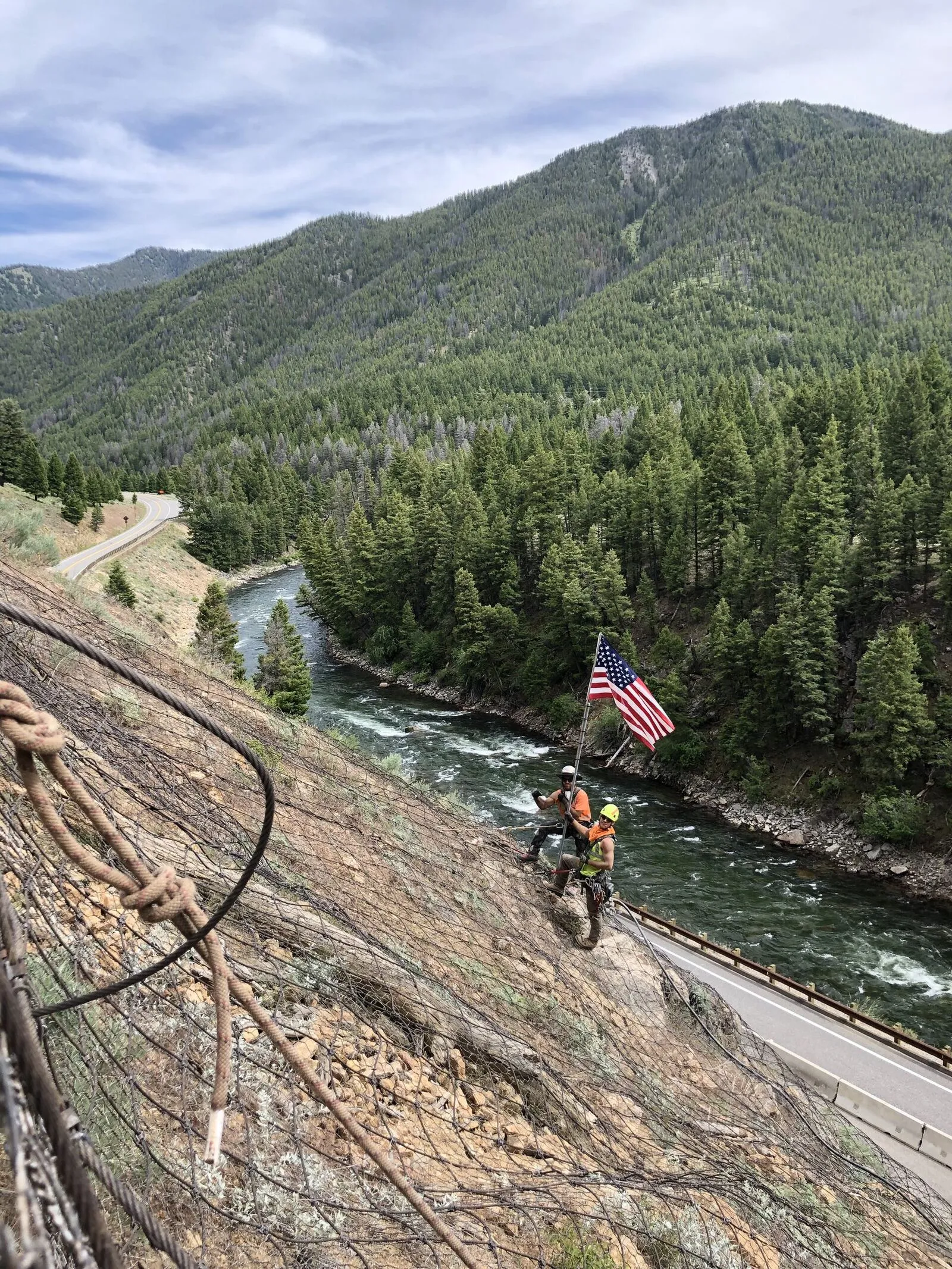
Proven engineering methods that deliver long-term stability and protection.
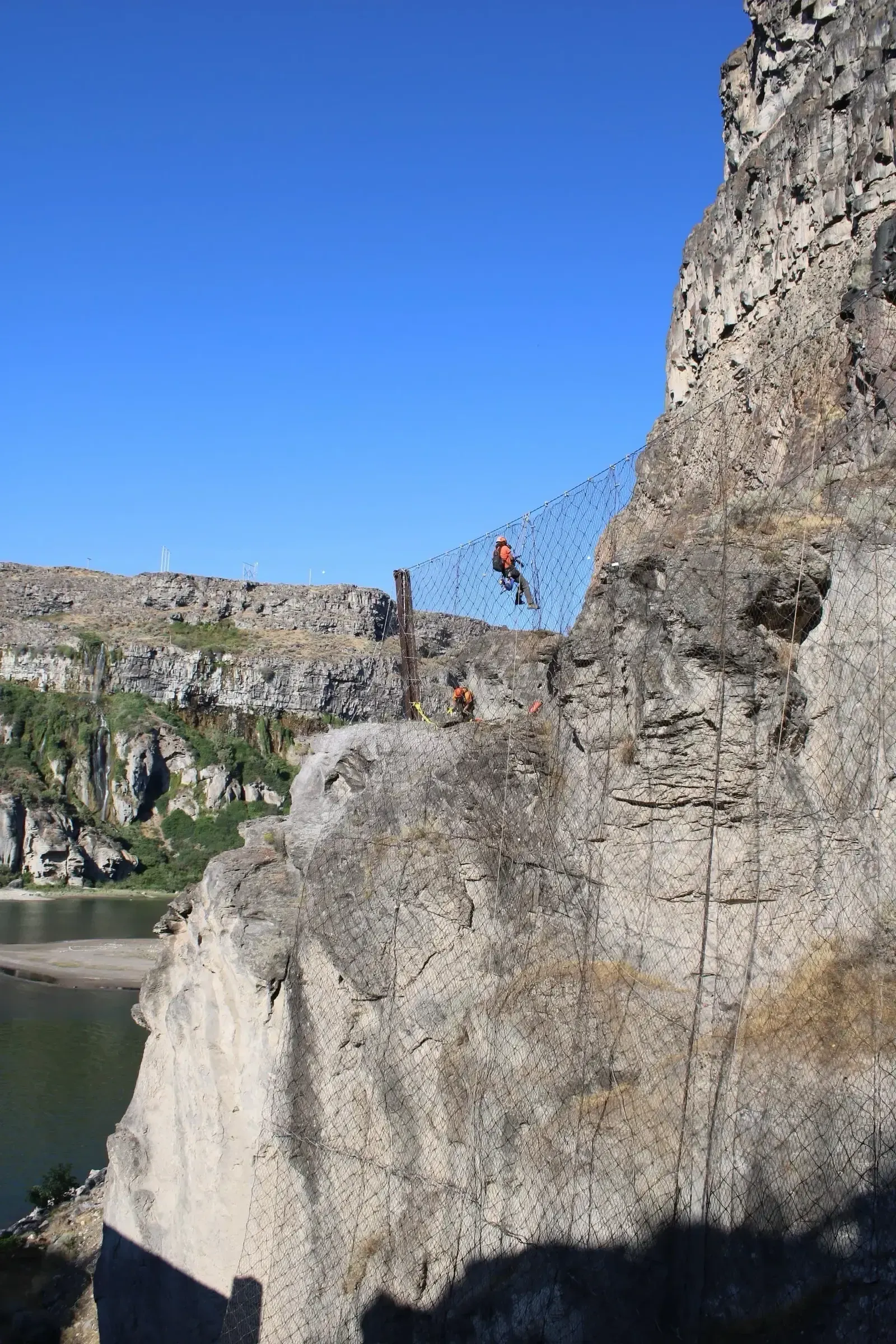

Draped Mesh Systems
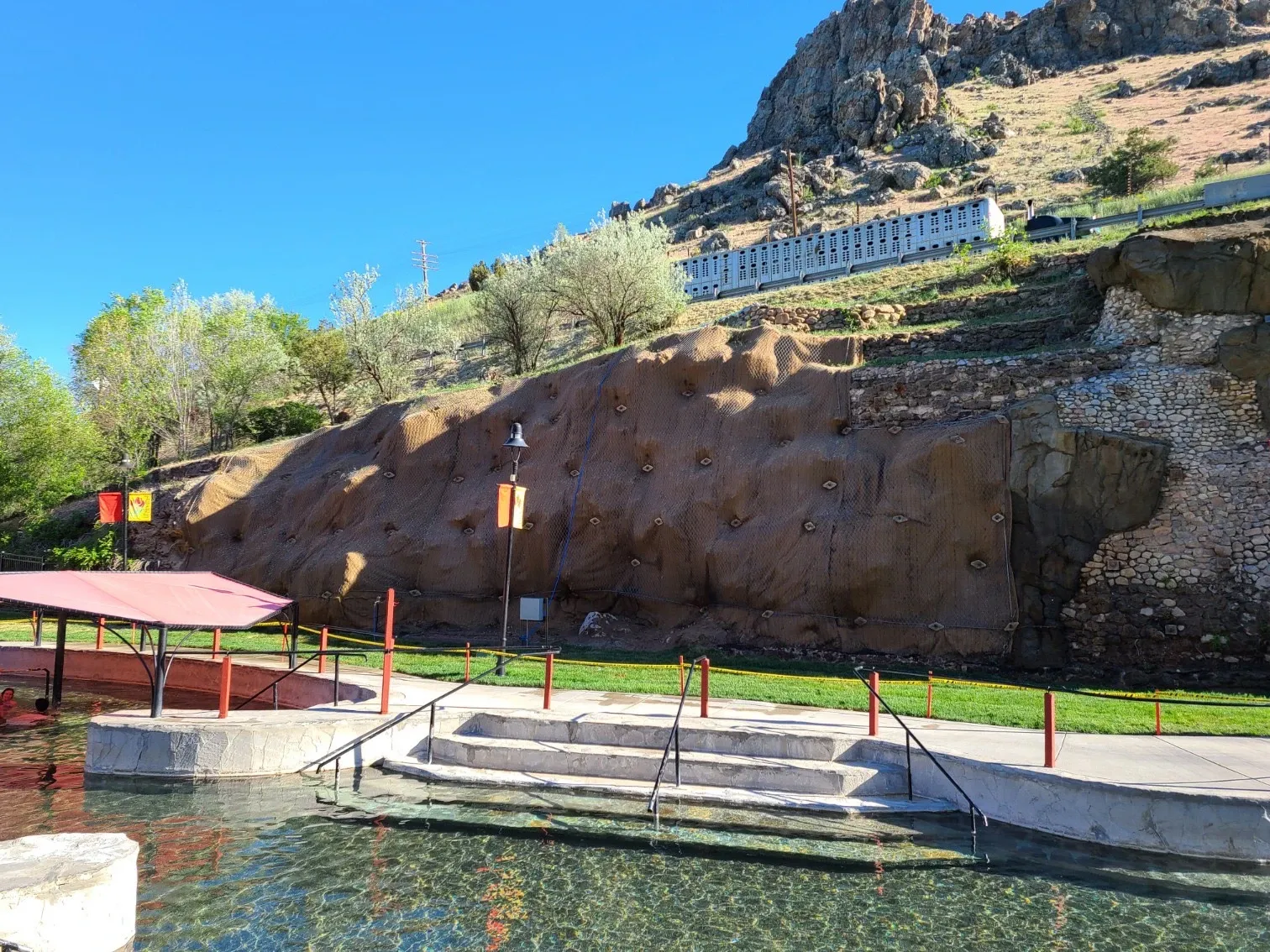
Draped mesh hangs over a rock slope to guide detached rock toward a collection area at the bottom. It requires space for that collection area and access to remove accumulated material.

Horizontal Drains
Explore drilled drainage for slopes and landslide repair, then discuss installation access, ground conditions, and the drainage scope for your project.

Pressure Grouting
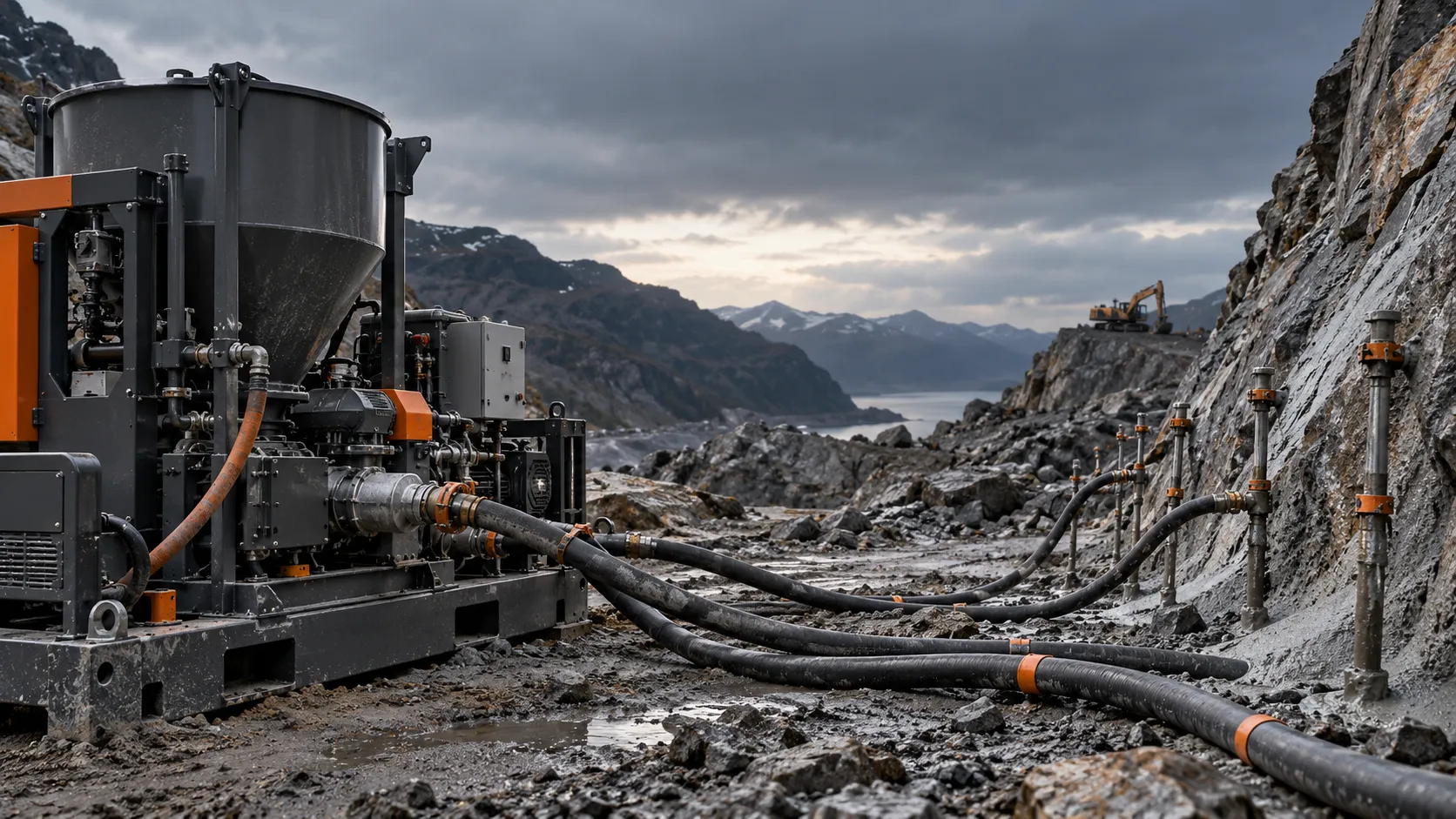
Pressure grouting places grout into the ground to fill voids, strengthen weak areas, or control water movement. The material and installation method depend on the ground and the purpose of the treatment.

Pinned Mesh Systems
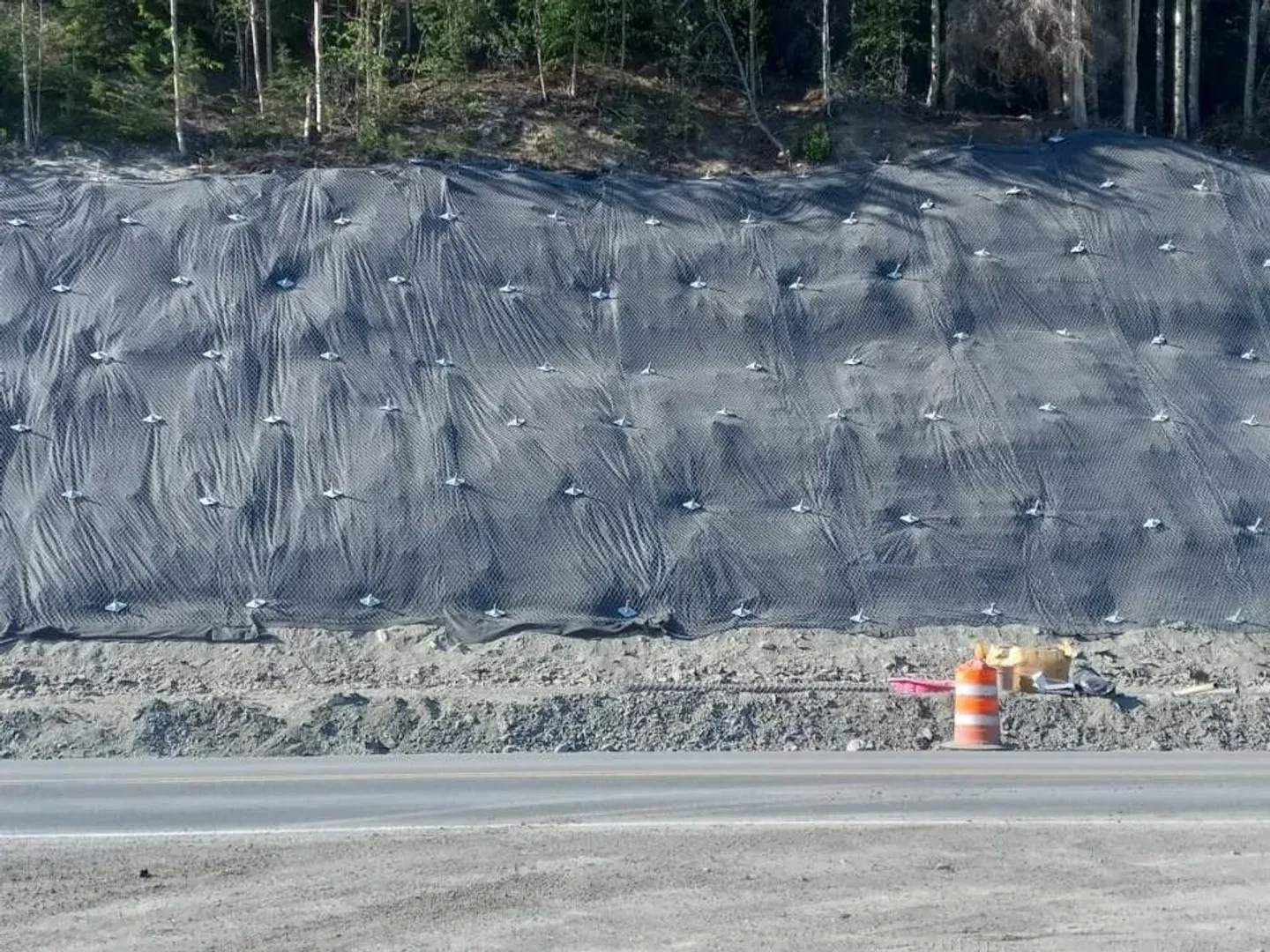
Pinned mesh holds loose rock and soil against a slope using steel mesh secured with nails or bolts. It helps control material before it falls toward the area below.

Rock Bolting
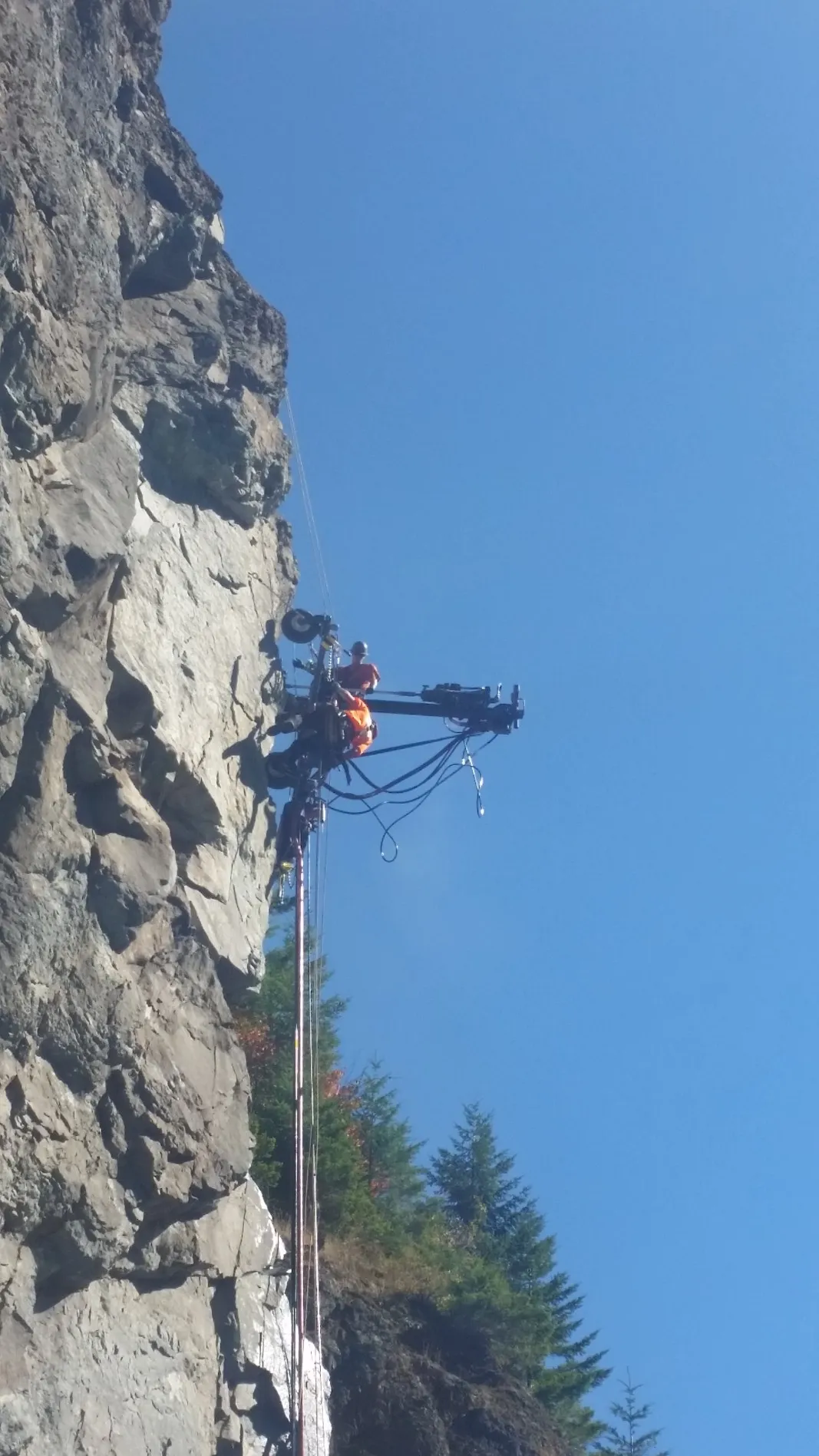
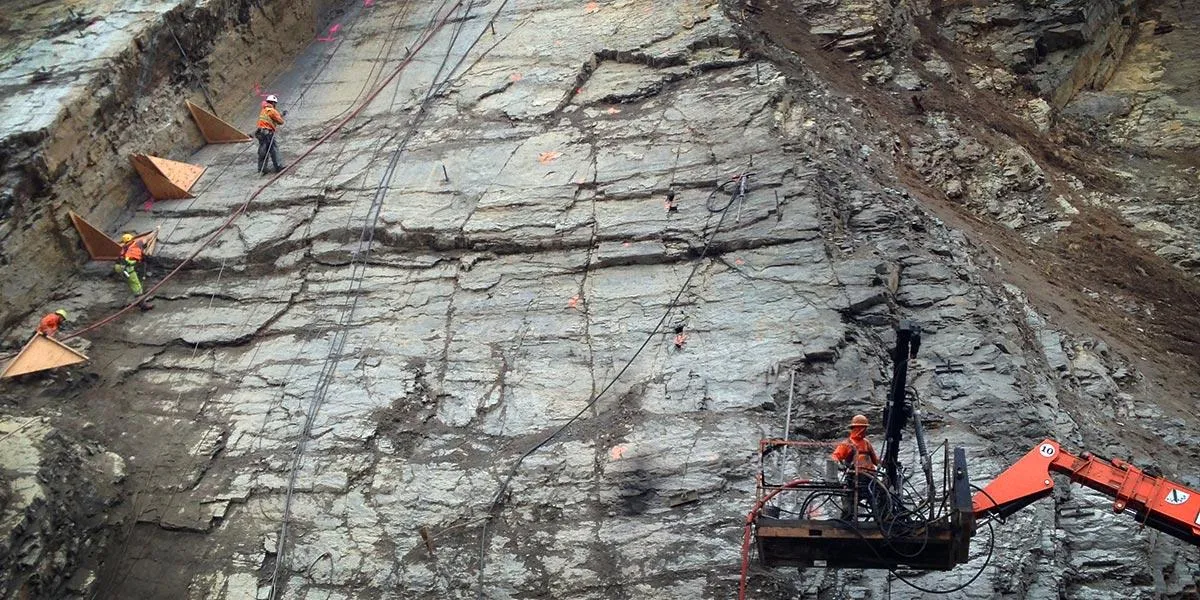
Rock bolting stabilizes fractured, jointed, or unstable rock masses by anchoring steel bars deep into competent rock. By tying loose blocks back to stable substrate, rock bolts improve the overall strength and cohesion of slopes, cuts, tunnels, and vertical faces.

Rock Dowels
Rock dowels are steel bars grouted into rock to help hold fractured sections together. They resist movement as the surrounding rock begins to shift.

Rockfall Barriers & Fences
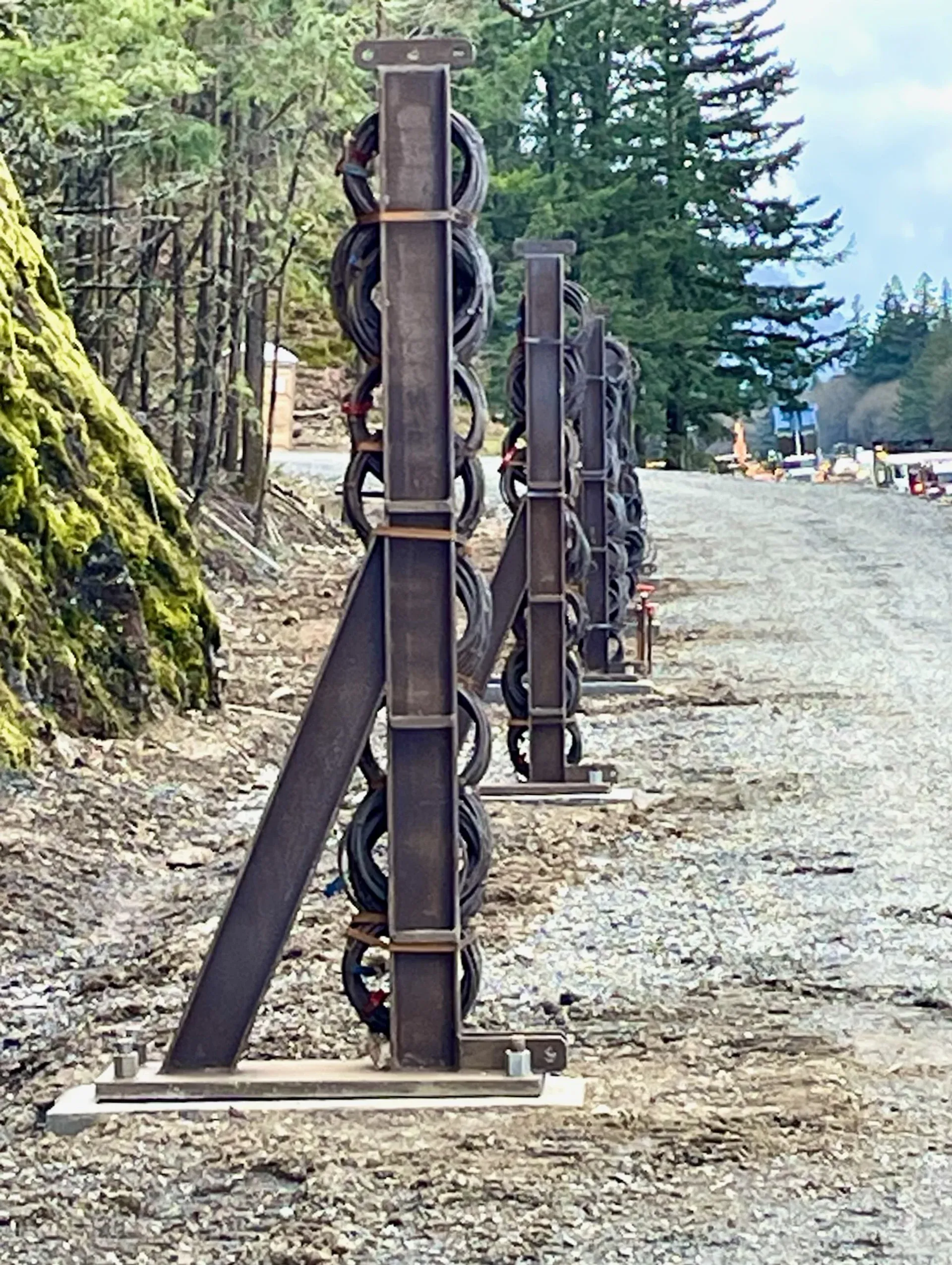
Engineered catch systems that intercept falling rock before it reaches roadways, railways, or infrastructure. Flexible posts, energy-absorbing brake elements, and ring or cable nets dissipate impact energy through controlled deformation.

Shotcrete (Dry Mix)
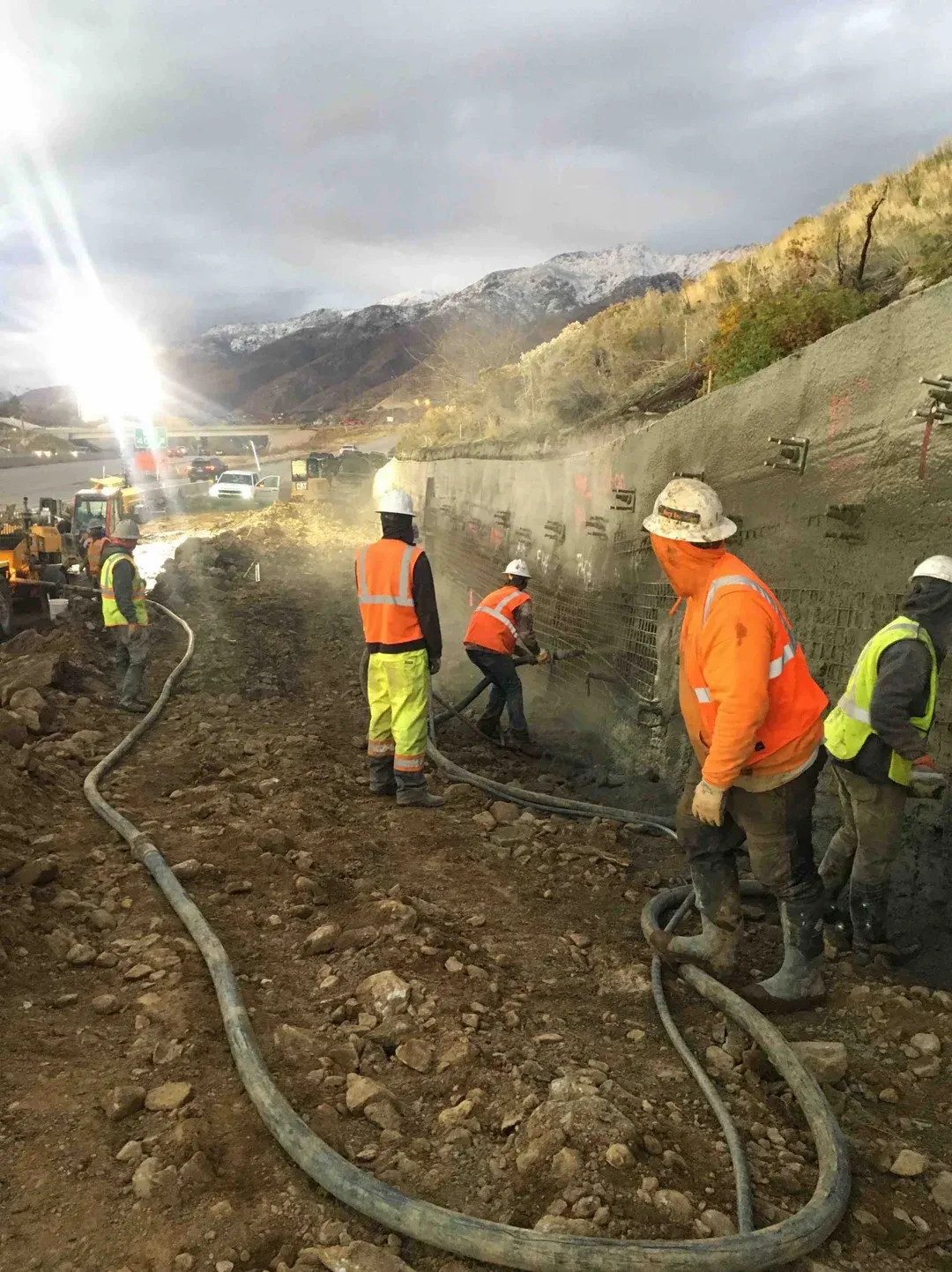
Dry-mix shotcrete carries dry material through a hose and adds water at the nozzle as it is sprayed into place. It can suit repairs, remote sites, and work with frequent starts and stops.

Shotcrete (Wet Mix)
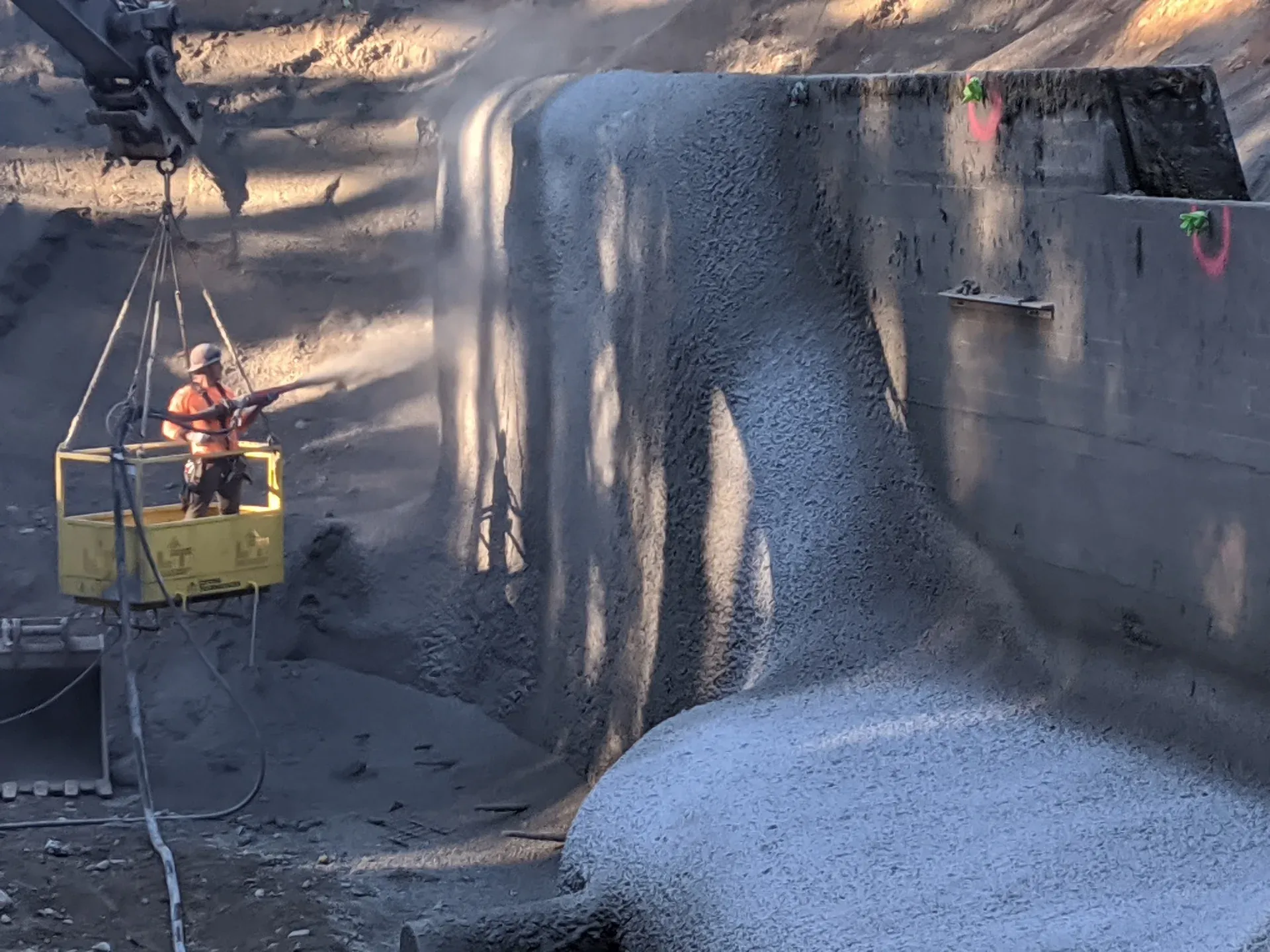
Wet-mix shotcrete is concrete mixed with water before it is pumped through a hose and sprayed into place. It is used for wall facings, tunnel linings, and other concrete work where conventional formwork is difficult.
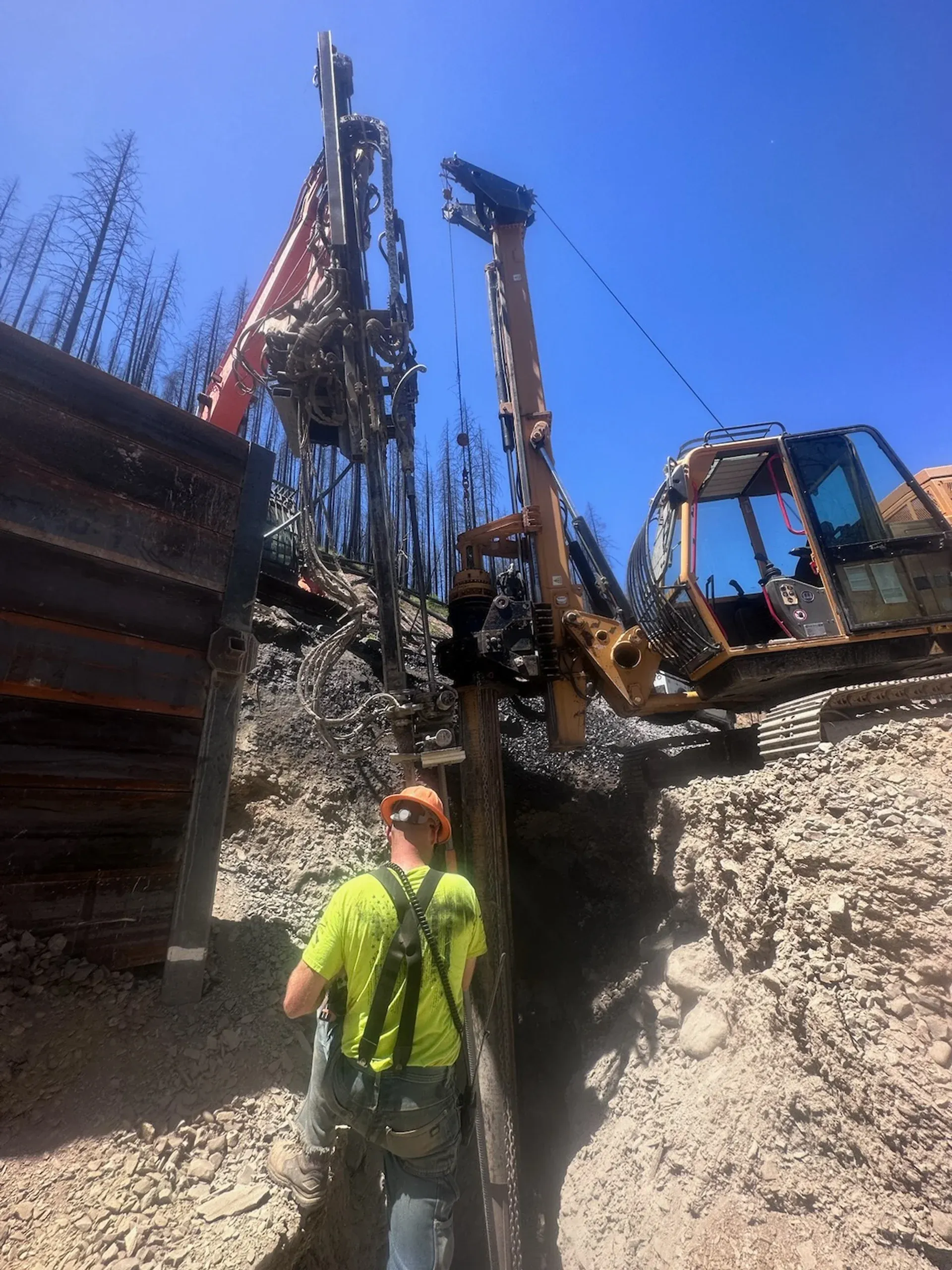

Soldier Pile Walls
Soldier pile walls are proven earth retention systems for stabilizing deep excavations and steep slopes. Steel beams installed at intervals with lagging placed between them provide flexible, economical support that adapts to site constraints.

Structural Shotcrete
Structural shotcrete is concrete sprayed into place and designed to carry loads. It is used in retaining walls, tunnel linings, and other structures where the concrete needs to follow an irregular surface.
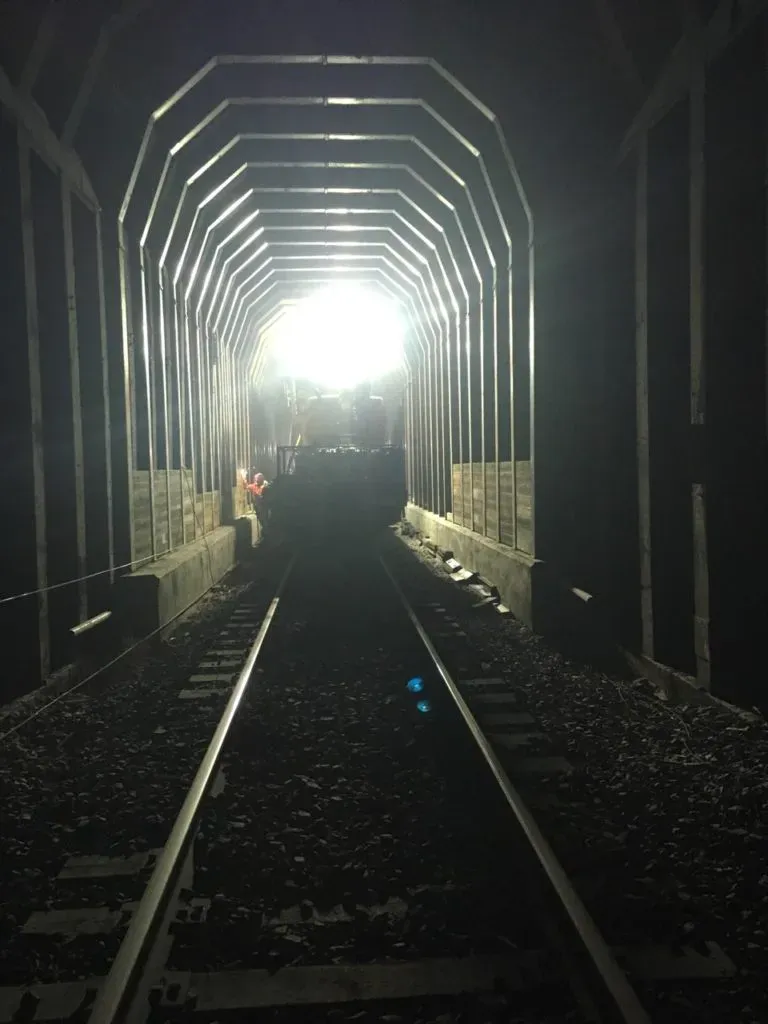

Tunnel Support Systems
Tunnel support systems help keep an underground opening stable during excavation and service. Steel supports, rock bolts, mesh, and shotcrete can be combined to suit the ground and the work sequence.
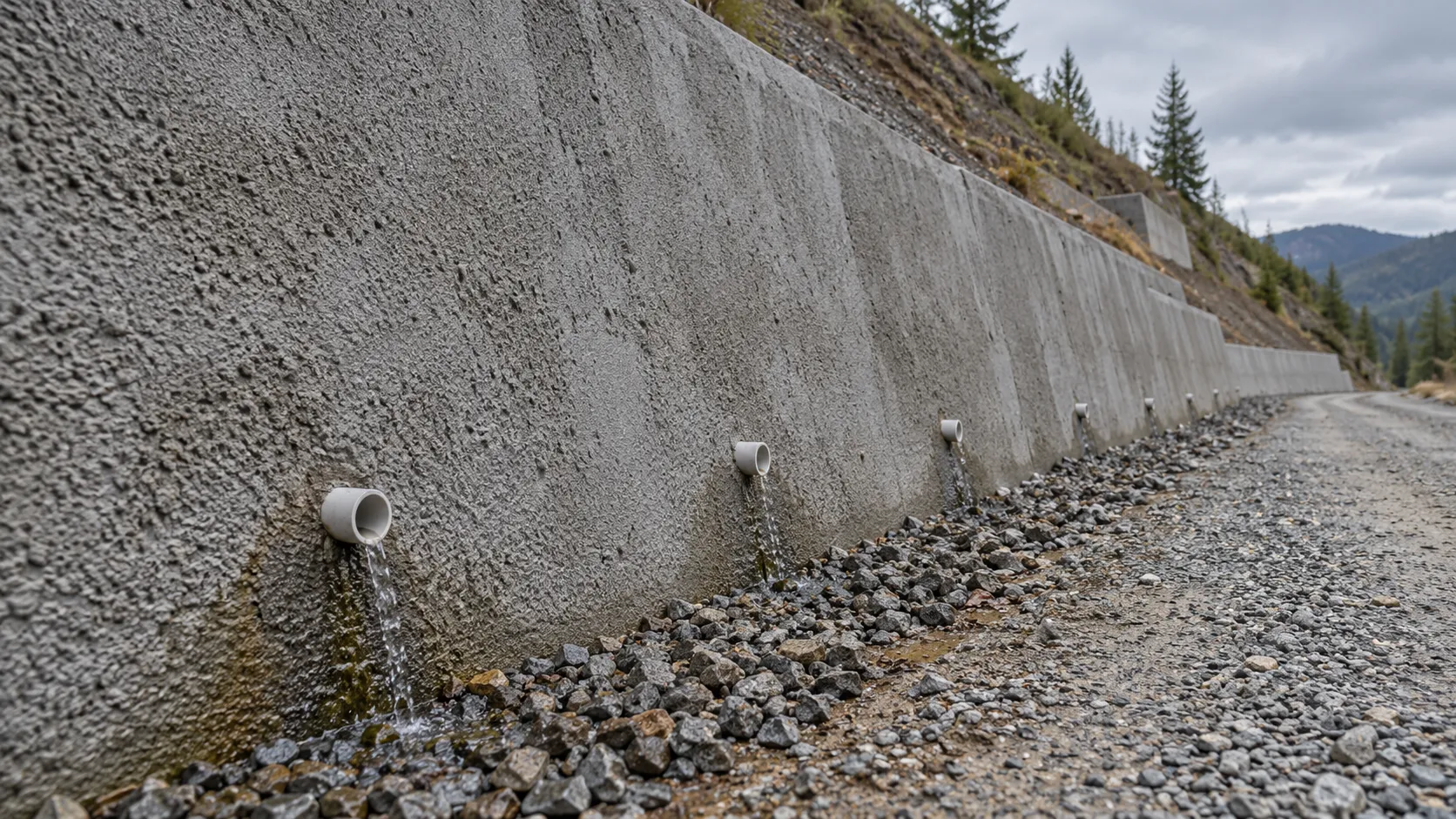

Weep Drains
Weep drains provide outlets for water behind retaining walls and concrete facings. They form part of the drainage system that helps limit water pressure against the structure.
Industries Impacted
We serve these sectors with specialized expertise in their unique challenges and regulatory requirements.
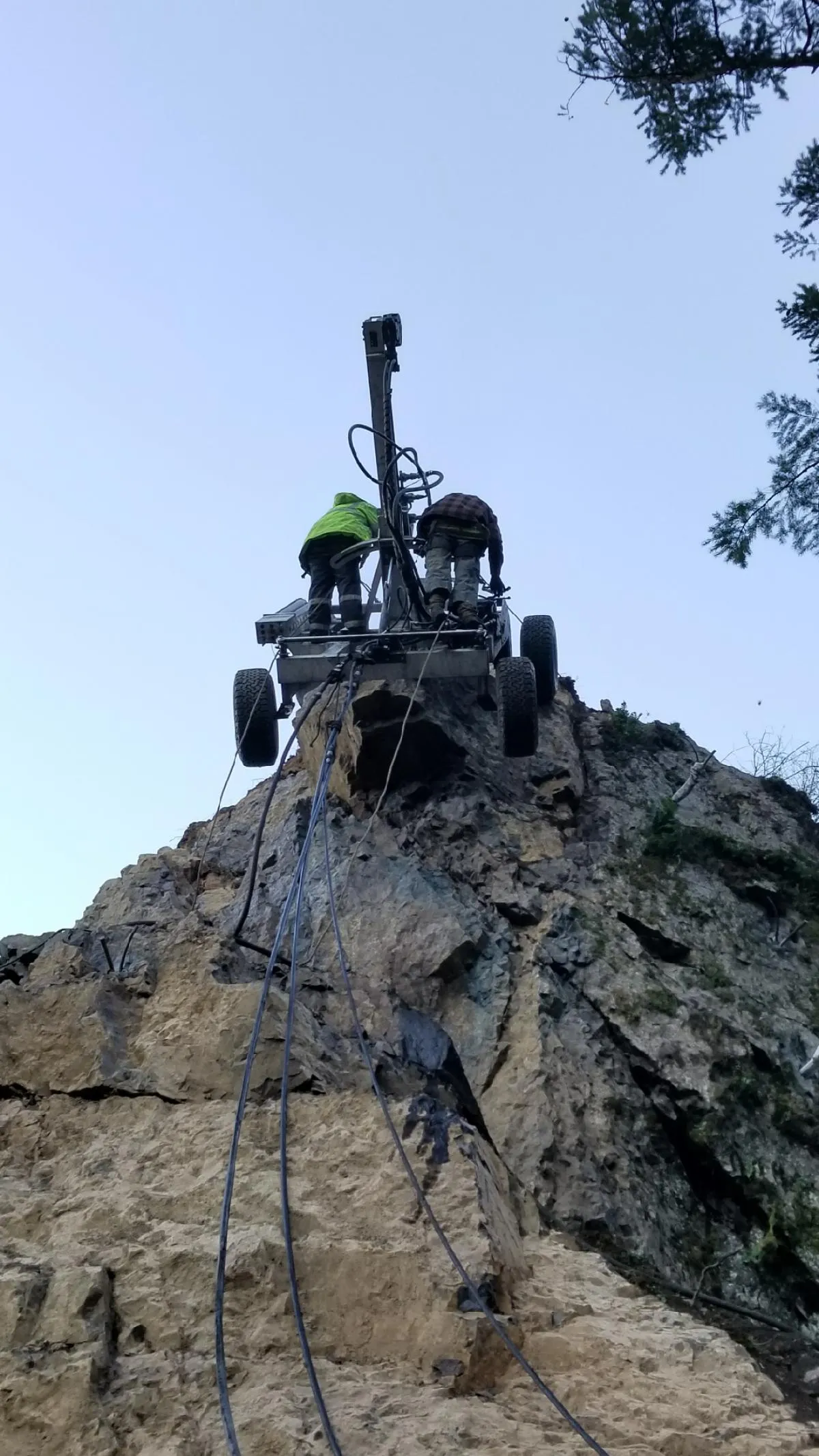
Our Work
See how we've delivered this solution for clients across the country.
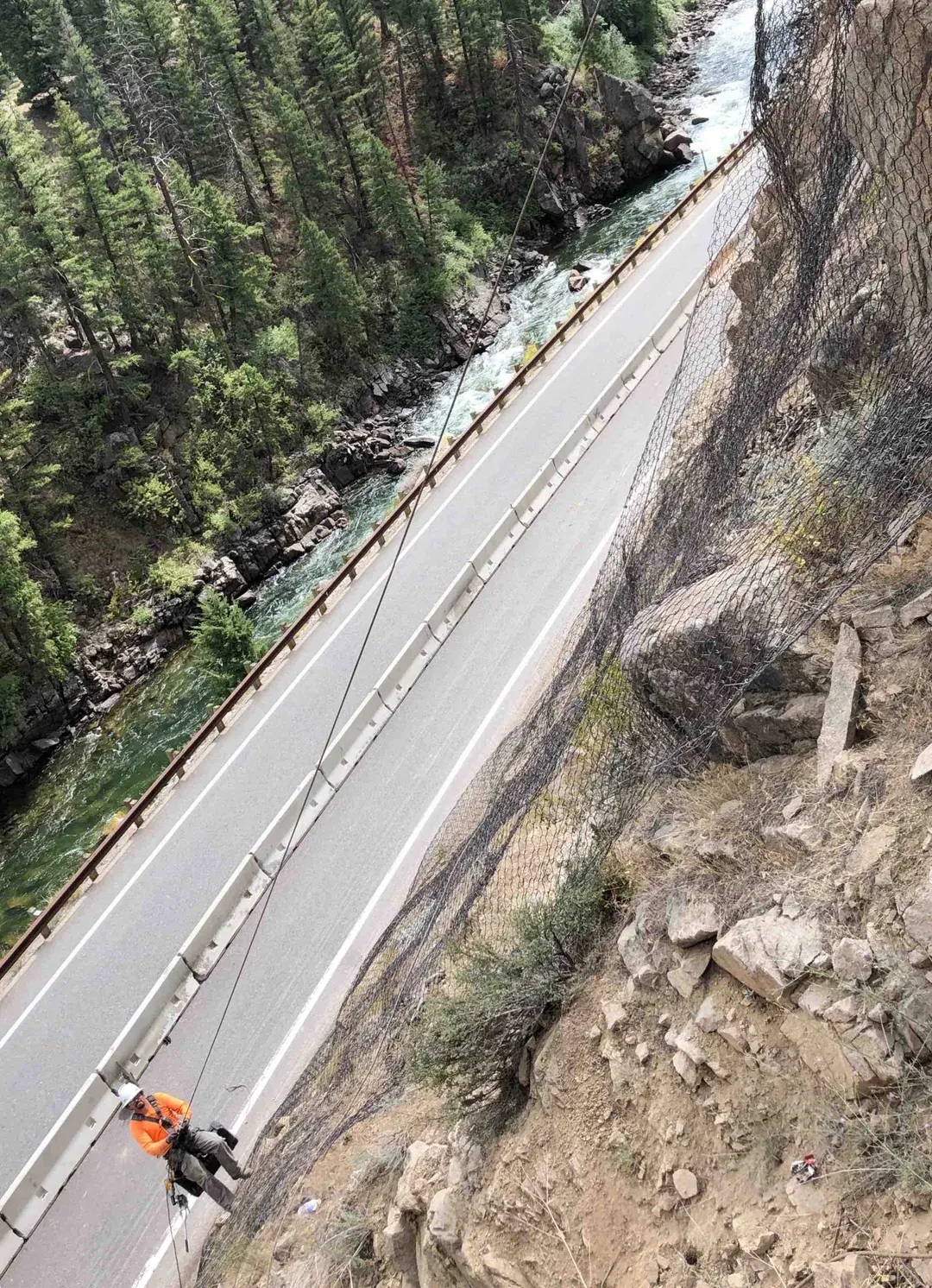
I-70 Corridor Stabilization
Installed 50,000 sq ft of high-tensile mesh and performed extensive scaling after a major weather event.
Ketchum-Challis Highway Scaling
Large-scale rock scaling and mesh installation along 3 miles of Highway 75 through the Sawtooth Mountains.
Lava Hot Springs Slope Stabilization
Multi-phase slope stabilization project protecting the historic hot springs resort and Highway 30 from an active landslide.
Tunnel & Underground Stabilization FAQ
Our Service Area
Rock Supremacy supports projects across the United States from divisions in Bend, Oregon, and Blountville, Tennessee. Contact us to discuss your location, access, and scheduling needs.
For an active incident, call our team. Dispatch and arrival depend on the hazards, location, access, equipment needs, and crew availability.
Western Division (HQ)
Eastern Division
About Rock Supremacy
Founded in 2011, Rock Supremacy specializes in rockfall mitigation, slope stabilization, and geotechnical construction.
From the steep canyons of Colorado to the coastal bluffs of California, we've developed proven methodologies for stabilizing slopes and protecting critical infrastructure. Our crews are trained to work in the most demanding vertical environments.
Learn More About Us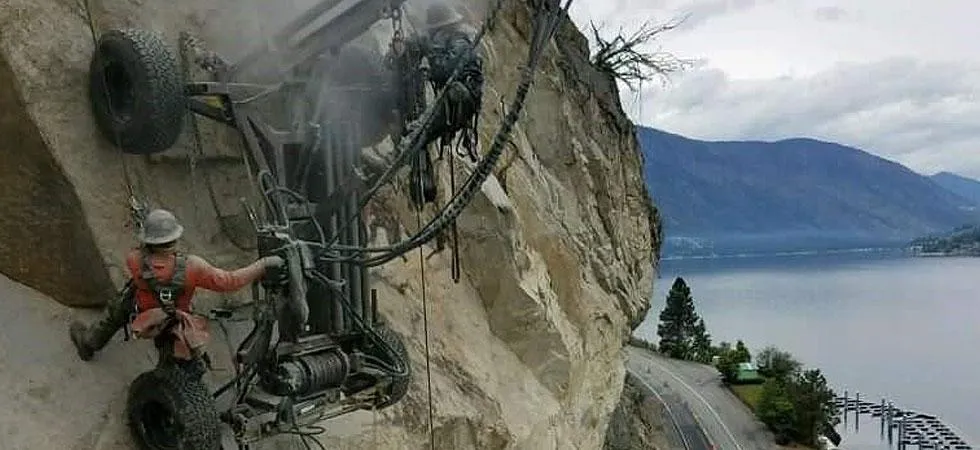
Planning for Safe Work
Site hazards, access, rescue arrangements, and nearby operations shape the work plan. Our crews use safety briefings and equipment inspections to prepare for the work ahead.
Include site induction, training, and crew qualification requirements with your project information. We review these with the owner and construction team before mobilization.
Our Safety ProgramClient Testimonials
Trusted by DOTs, engineering firms, and property owners nationwide.
Deploy Us
Ready to discuss your project? Our team is standing by to assess your site conditions and develop a custom tunnel & underground stabilization solution.
Include any licensing, insurance, and crew qualification requirements in your inquiry so we can review them for the project.
Request Consultation
Ready to Get Started?
Our team is standing by 24/7 for emergency response or to schedule a site assessment for your next project.