Soldier Pile Walls
Soldier pile walls are proven earth retention systems for stabilizing deep excavations and steep slopes. Steel beams installed at intervals with lagging placed between them provide flexible, economical support that adapts to site constraints.
Understanding Soldier Pile Walls
Soldier pile walls are proven earth retention systems for stabilizing deep excavations and steep slopes. Steel beams installed at intervals with lagging placed between them provide flexible, economical support that adapts to site constraints.
This versatile system works in tight urban spaces, accommodates existing utilities, and can be designed for temporary or permanent applications.
This technique is used in our services for:
Typical Applications
How It Works
Our proven methodology ensures consistent, high-quality results for every installation.
Pile Installation
Drill and set steel soldier piles at design spacing, typically 5-10 ft on center.
Initial Excavation
Excavate first lift below pile tops, exposing pile flanges for lagging.
Lagging Installation
Place horizontal lagging between pile flanges to retain soil as excavation proceeds.
Tieback Installation
Install and stress anchors at each support level as required by design.
Key Advantages
Design Flexibility
Cantilever, single-braced, or multi-tiered anchor systems adapt to any excavation depth and site constraint.
Utility Accommodation
Pile spacing adjusts around existing utilities; lagging can be modified to provide access for utility work.
Rapid Construction
Top-down construction proceeds quickly—lagging installed as excavation advances without waiting for concrete cure.
Cost Effective
Less material than continuous walls; timber lagging provides economical temporary support.
Permanent or Temporary
Systems can be designed for construction-phase support or permanent earth retention with appropriate materials.
Technical Considerations
Soil/Rock Conditions
Works in most soil conditions. Pile embedment into competent material provides passive resistance. May need casing in caving soils during drilling.
Groundwater
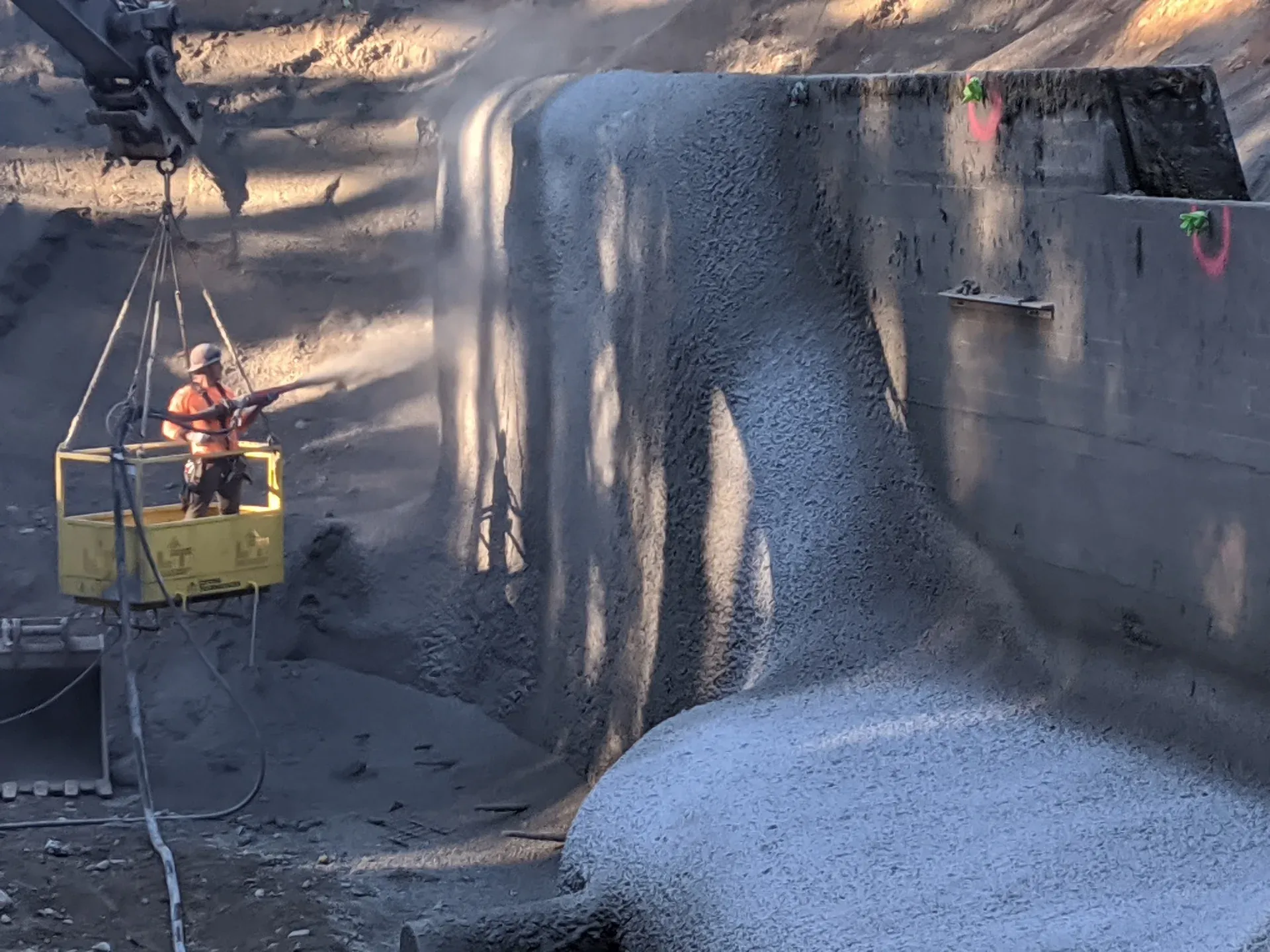
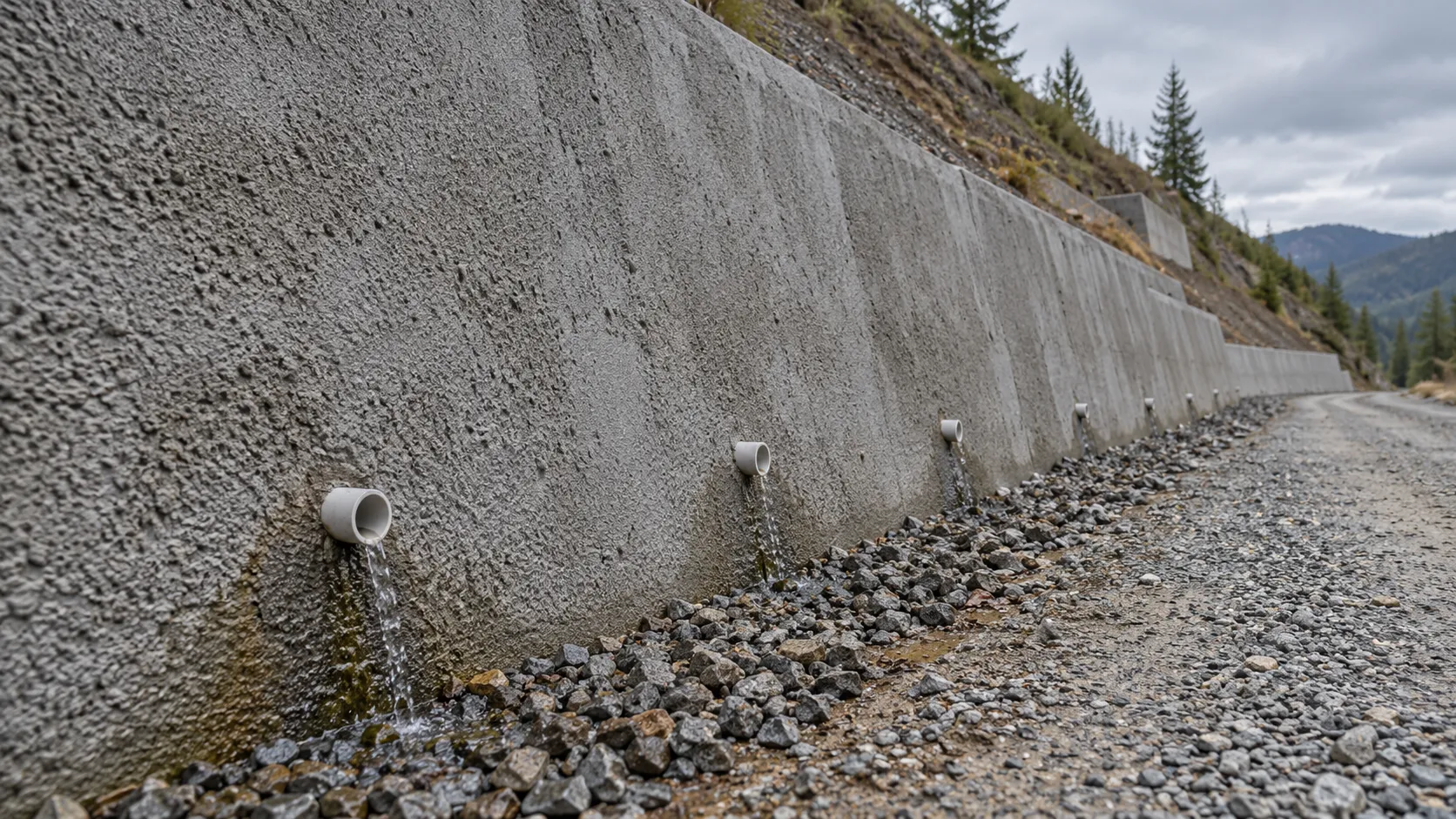
Lagging allows some drainage; continuous shotcrete facing with weep drains used in high groundwater conditions.
Load Capacity
Pile section size and spacing determined by lateral earth pressure, surcharge loads, and support spacing.
Spacing
Typical pile spacing 5-10 ft. Closer spacing for higher loads or deeper excavations. Tieback spacing matches pile locations.
Installation Method
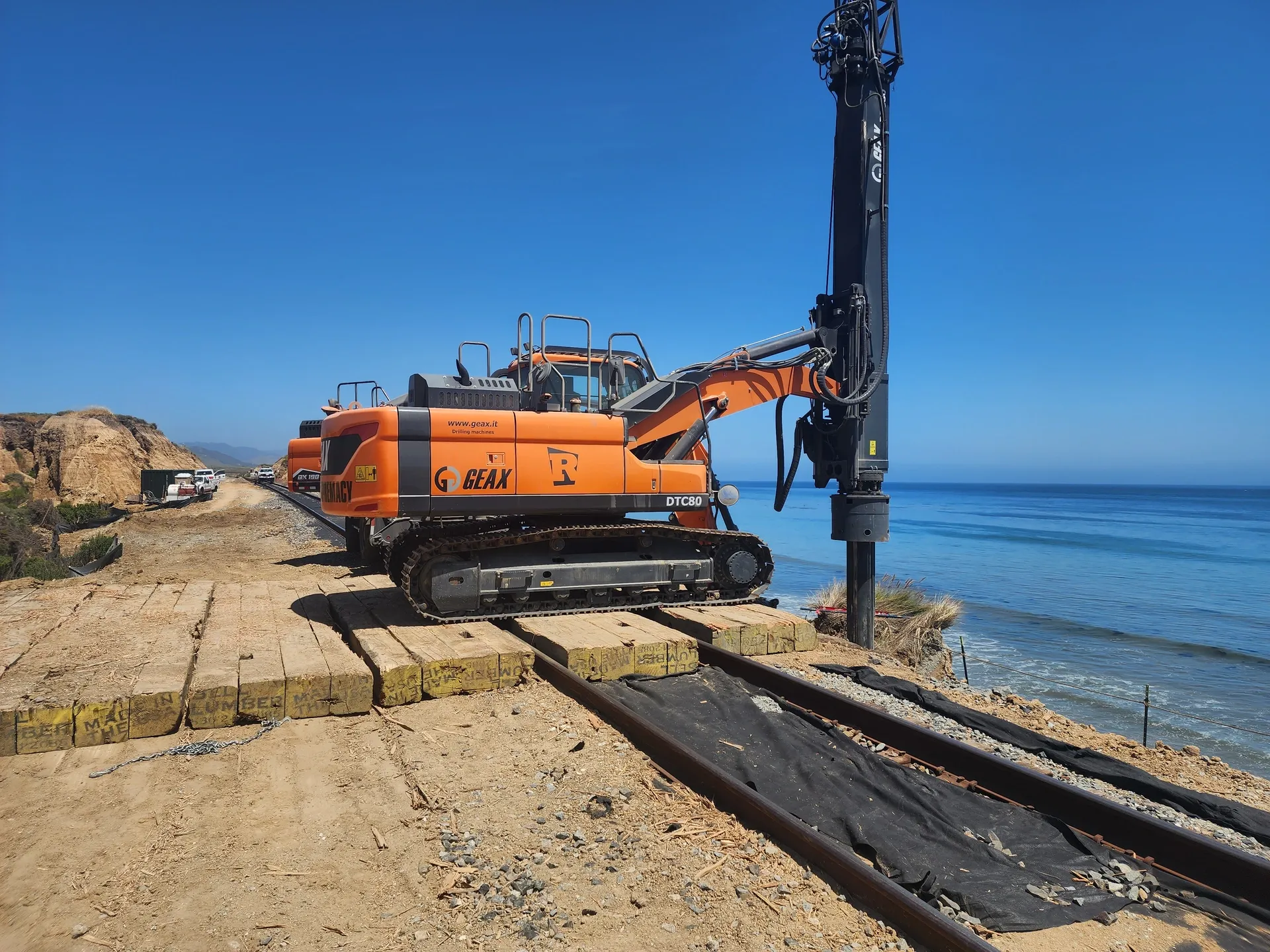
Piles installed by drilling and setting or driving. Excavation proceeds in lifts with lagging installed as soil is exposed.
Equipment Used
- Drill rigs or pile drivers
- Excavation equipment
- Tieback drilling rigs
- Lagging handling equipment
- Stressing jacks for tiebacks
Limitations
- Not watertight without additional treatment
- Limited passive resistance in soft soils
- Tieback easements may be required
- Timber lagging has limited service life
Technical Specifications
System Variations
Cantilever Walls
Piles designed as cantilevers without lateral support for shallow excavations.
Best For:
- Shallow cuts
- Low-height walls
- Temporary excavations
Tieback-Anchored Walls
Multiple rows of tiebacks provide lateral support for deep excavations.
Best For:
- Deep basements
- Multi-level parking
- High retaining walls
Internally Braced Walls
Cross-lot bracing or rakers provide lateral support without tiebacks.
Best For:
- Property line constraints
- No easement available
- Wide excavations
Shotcrete-Faced Walls
Structural shotcrete replaces timber lagging for permanent applications.
Best For:
- Permanent walls
- Wet conditions
- Long-term service
Integration With Other Systems
Tieback Anchors
Tiebacks provide lateral support for soldier piles in deep excavation applications.
Learn More
Micropiles
Micropiles can serve as soldier piles in confined spaces or difficult access conditions.
Learn More
Structural Shotcrete
Shotcrete facing provides permanent, watertight lagging for long-term applications.
Learn More
Weep Drains
Drainage through lagging or facing prevents hydrostatic pressure buildup behind wall.
Learn MoreExample Project Types
- Commercial building excavations
- Highway widening and realignment
- Bridge approach construction
- Urban infrastructure projects
- Slope stabilization
- Utility protection
- Temporary construction access
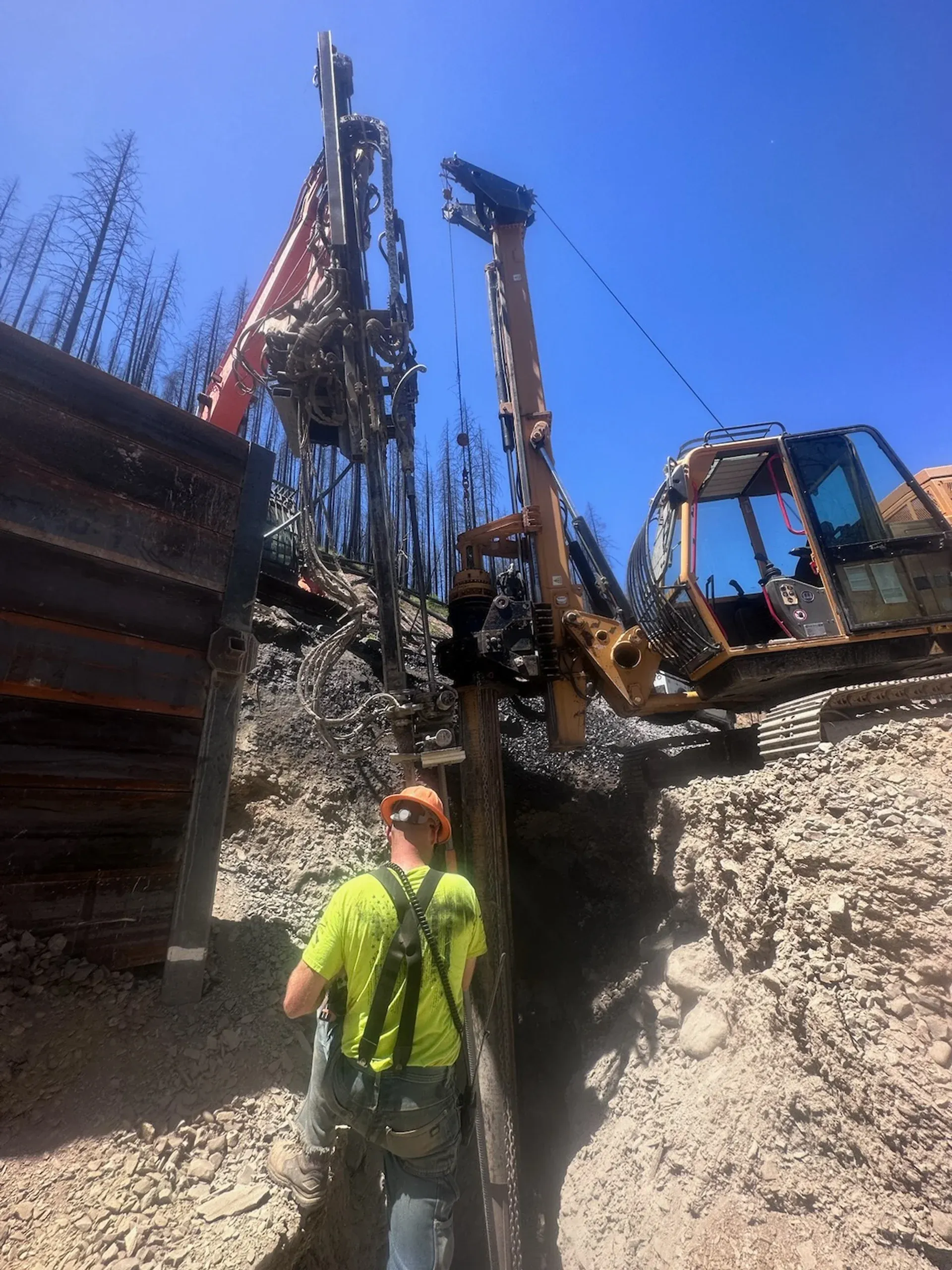
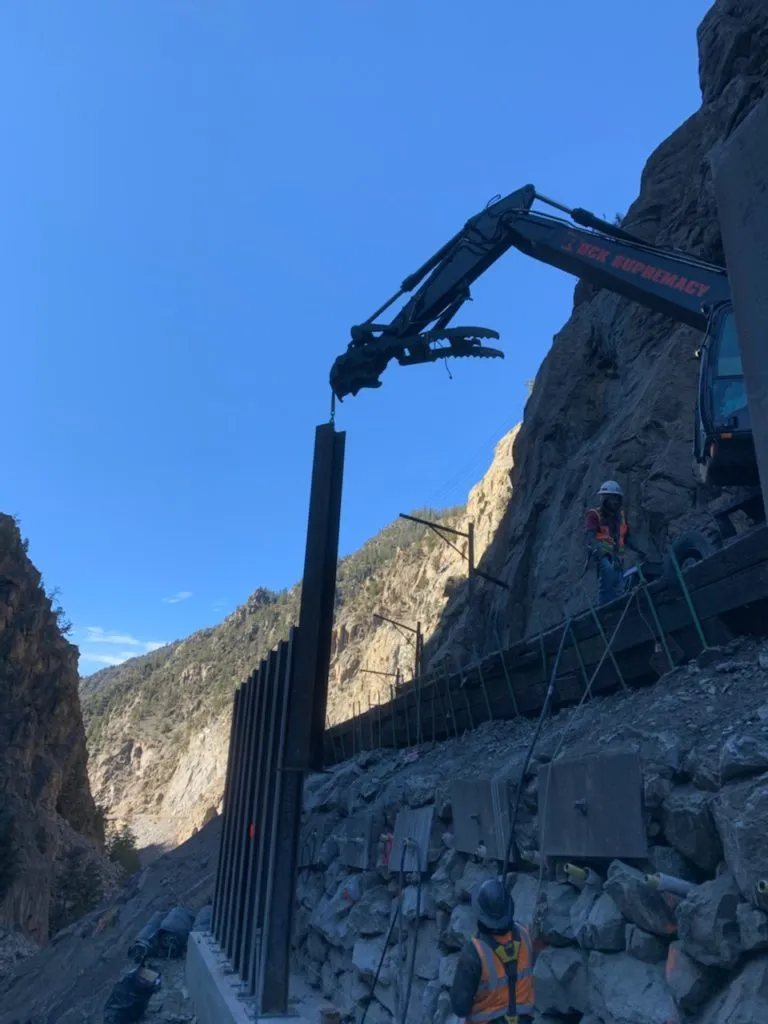
Our Work in Action
Why Choose Rock Supremacy for Soldier Pile Walls
Integrated Installation
We install piles, tiebacks, and facing with our own crews for seamless coordination and quality control.
Urban Experience
Extensive experience in constrained urban sites with utility conflicts and adjacent structure protection.
Flexible Equipment
Multiple drill rigs from compact to heavy-duty allow efficient installation in any site condition.
Design Assistance
We work with engineers to optimize designs for constructability and cost-effectiveness.
Complete Solutions
Soldier pile walls combined with drainage, waterproofing, and facing for permanent applications.
Our Work
See how we've applied this technique and others to solve real-world geotechnical challenges.

Bingham Canyon Mine Support
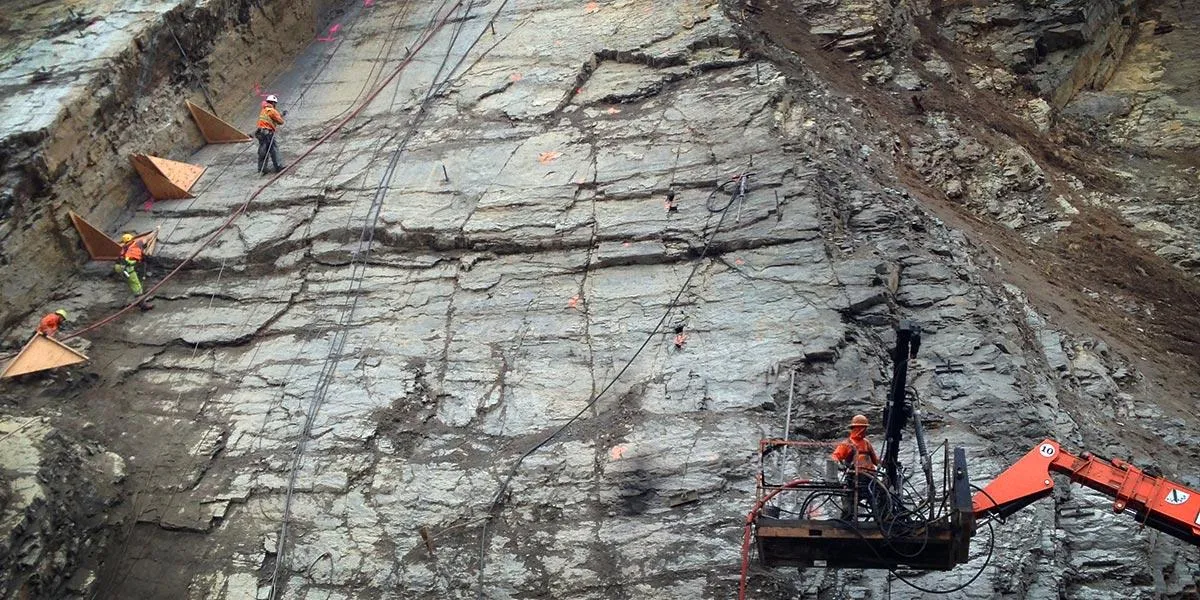
Highwall stabilization in one of the world's largest open-pit mines to ensure safe ongoing extraction.

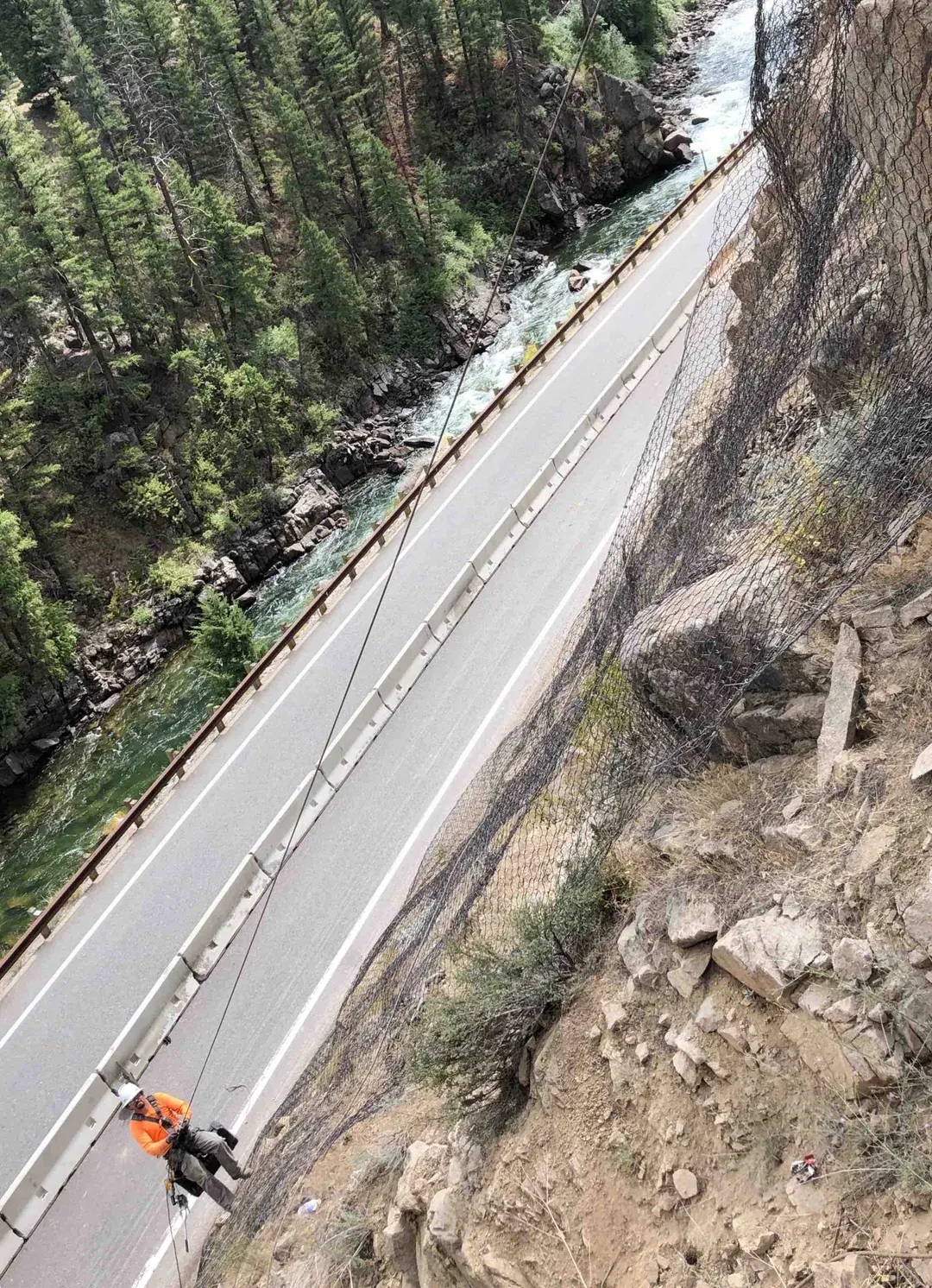
I-70 Corridor Stabilization
Installed 50,000 sq ft of high-tensile mesh and performed extensive scaling after a major weather event.

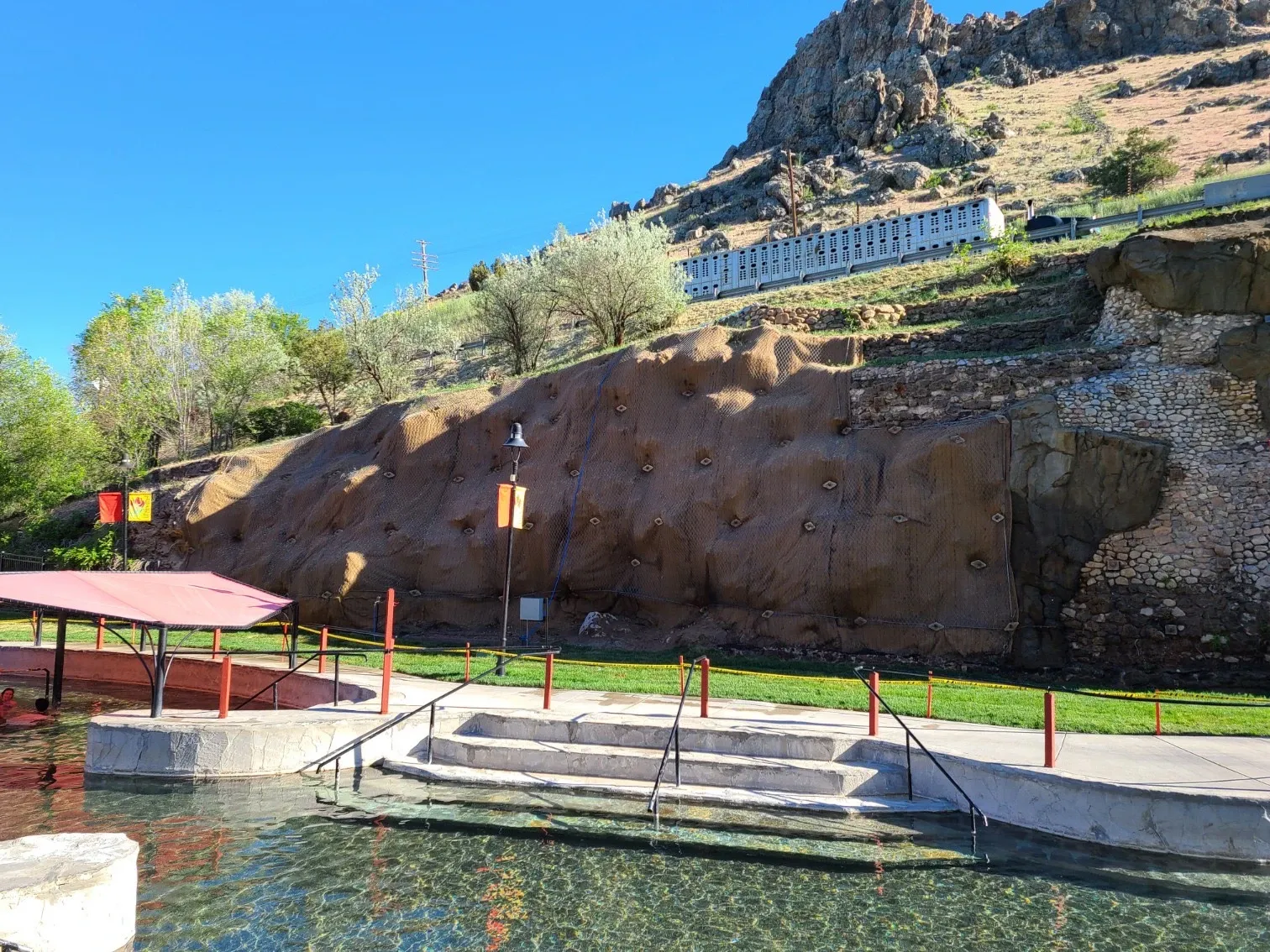
Lava Hot Springs Slope Stabilization
Multi-phase slope stabilization project protecting the historic hot springs resort and Highway 30 from an active landslide.
Soldier Pile Walls FAQ
Client Testimonials
Trusted by DOTs, engineering firms, and property owners nationwide.
Deploy Us
Ready to discuss your project? Our team is standing by to assess your site conditions and develop a custom solution using Soldier Pile Walls and other proven techniques.
Emergency (24/7)
(541) 383-7625Bidding & Estimates
Info@RockSupremacy.comHeadquarters
Licensed in CO, UT, WY, ID, MT, CA, WA, OR, TN, VA
Request Consultation
Related Techniques
Explore other engineering methods we use to deliver comprehensive geotechnical solutions.
Micropiles
Micropiles are small-diameter, high-strength deep foundation elements used to transfer loads into competent ground. Their versatility makes them ideal for underpinning, slope stabilization, and situations with limited access or difficult geology.
Structural Shotcrete
Structural shotcrete is high-strength, reinforced concrete applied pneumatically to create durable retaining walls, tunnel linings, and slope support systems. Engineered to carry significant loads, it provides monolithic construction that conforms to irregular surfaces.
Tieback Anchors
Tieback anchors provide active lateral reinforcement for retaining walls, excavation support systems, and slope stabilization by transferring loads deep into stable ground or rock. These post-tensioned elements are essential for deep excavations and high-load applications.
Weep Drains
Weep drains provide surface-level drainage relief by allowing water trapped behind shotcrete, retaining walls, or stabilized slopes to escape. These drains prevent hydrostatic pressure buildup, which can compromise structural stability.