Energy Sector
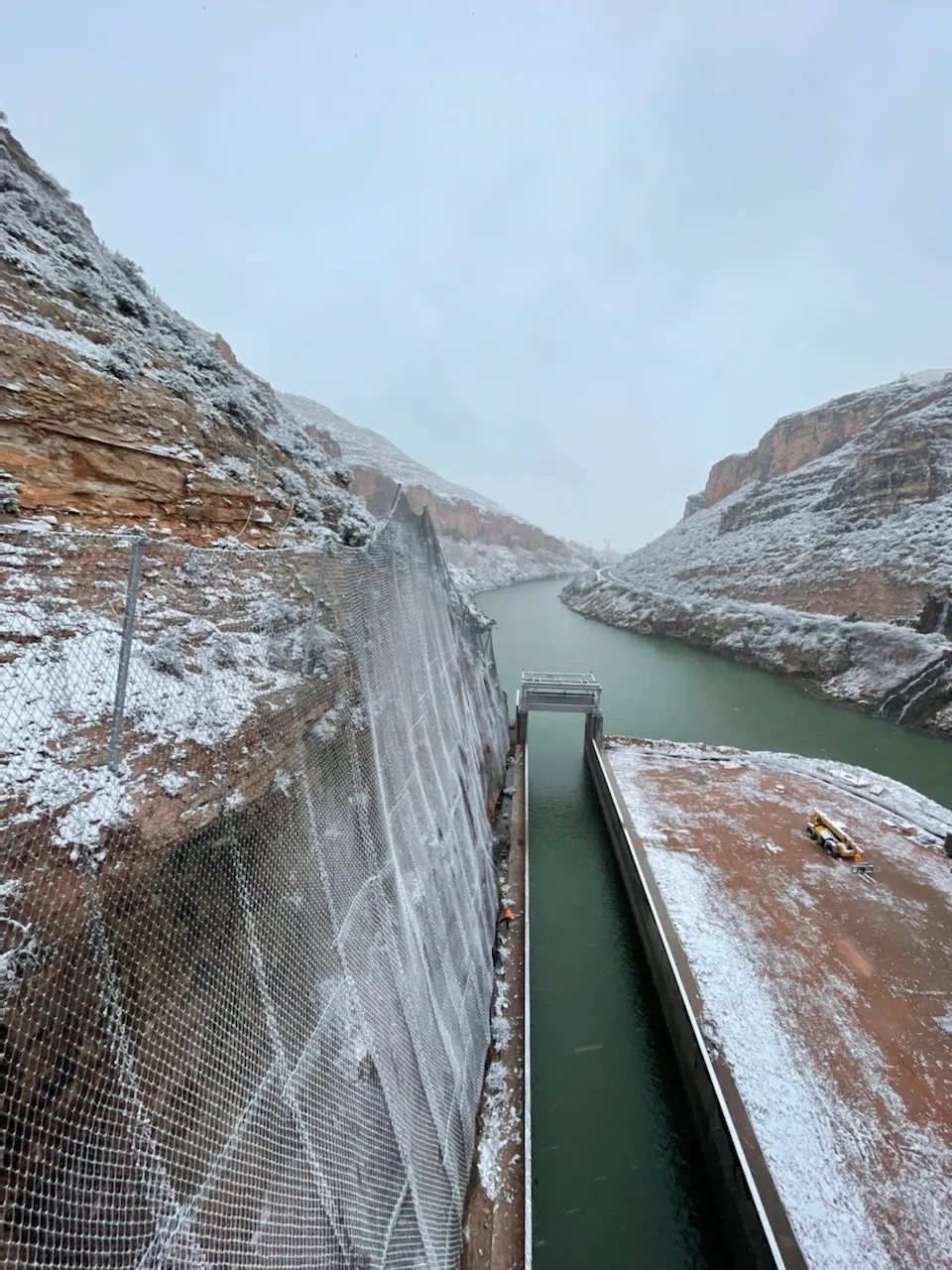
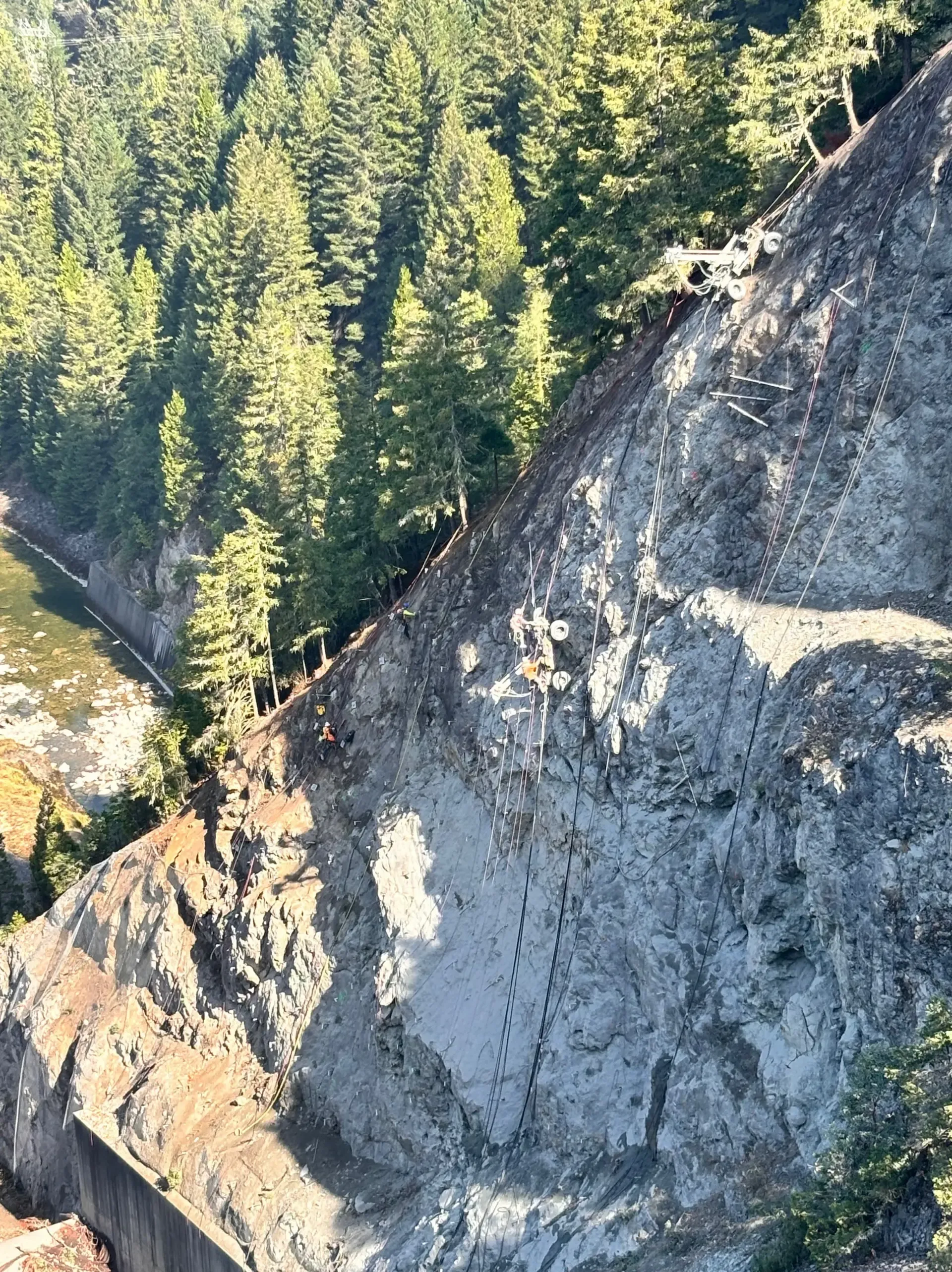
Energy infrastructure often resides in remote, difficult-to-access terrain. From hydroelectric dams anchored in canyon walls to pipelines traversing steep ridges, these assets are vulnerable to rockfall and landslides. Rock Supremacy provides specialized access teams, often helicopter-supported, to inspect and harden these critical facilities.
Energy Sector Challenges
Working in energy sector presents unique geotechnical challenges that require specialized expertise and proven solutions.
Without proper intervention, these conditions typically worsen over time. Early assessment and appropriate remediation can prevent costly emergency repairs and protect the assets and people that depend on stable ground.
Applicable Standards
Common Challenges
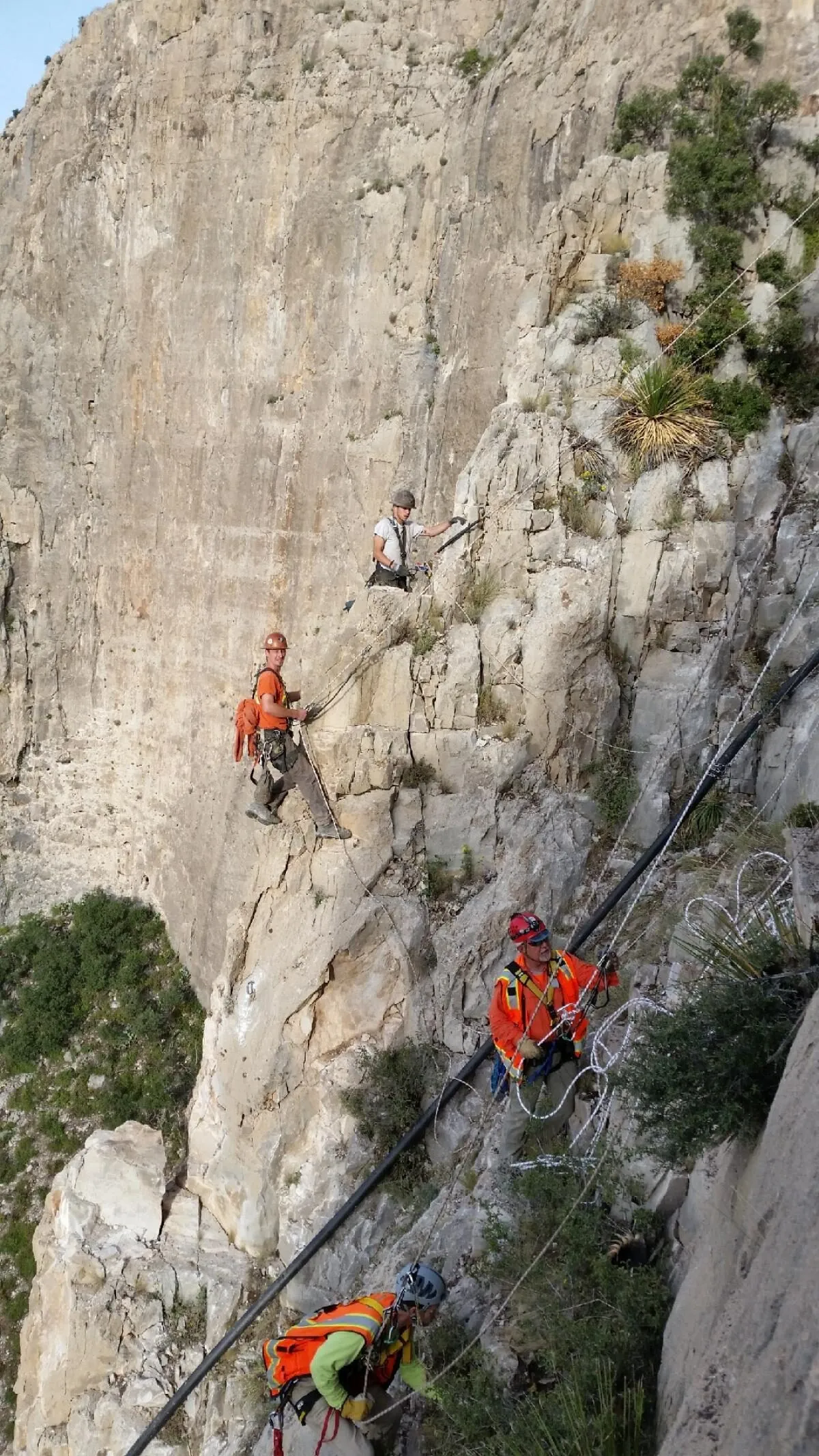
- Remote Access: Sites often lack road access, requiring helicopter transport for crews and drills.
- Critical Failure Risks: Rockfall damaging a penstock or pipeline can cause catastrophic environmental and economic damage.
- Vibration Sensitivity: Work around dams or turbines often has strict vibration limits, ruling out heavy blasting.
How We Solve Energy Sector Problems
We've developed proven methodologies specifically for energy sector applications, combining rapid response with long-term solutions.
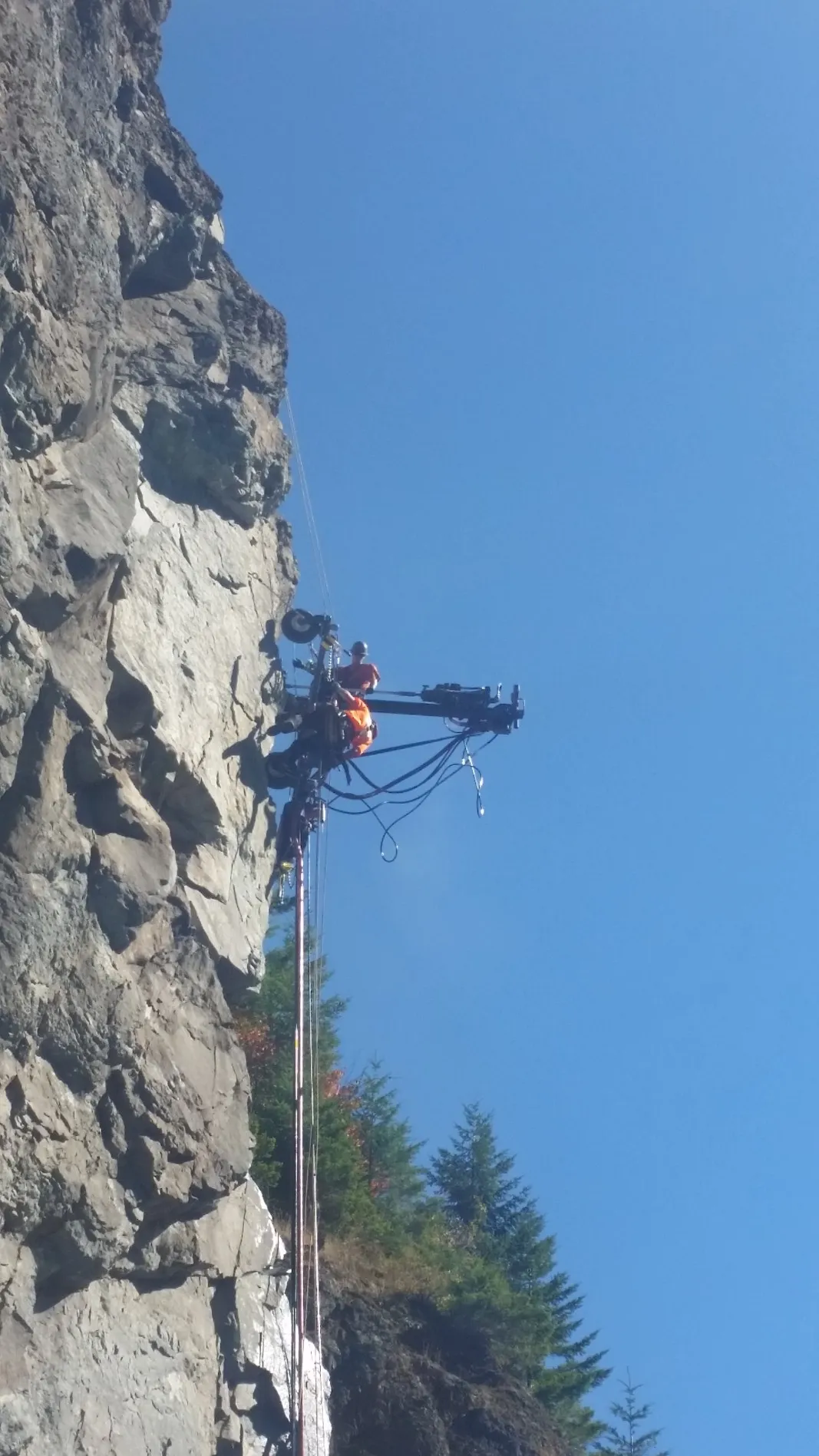
Heli-Portable Drills
Modular drilling rigs that can be flown in and assembled on the slope.
Penstock Protection
Installing rockfall sheds or heavy-duty ring nets above pipelines.
Dam Anchors
High-capacity post-tensioned anchors to improve dam stability.
How We Deliver
Our field services deliver comprehensive solutions tailored to your specific site conditions and requirements.
Why Choose Rock Supremacy
Techniques We Use
Proven engineering methods that deliver long-term stability and protection for energy sector infrastructure.
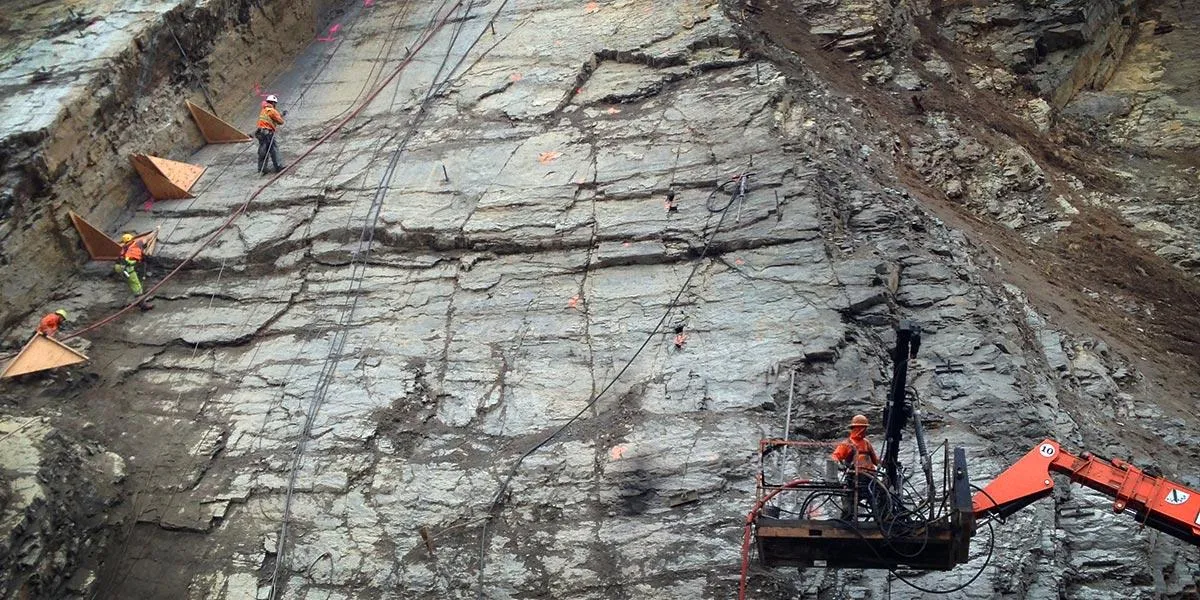

Cable Anchors
Cable anchors use steel strands installed and tensioned in the ground to hold large loads. They can support dams, retaining structures, unstable rock masses, and other heavily loaded works.
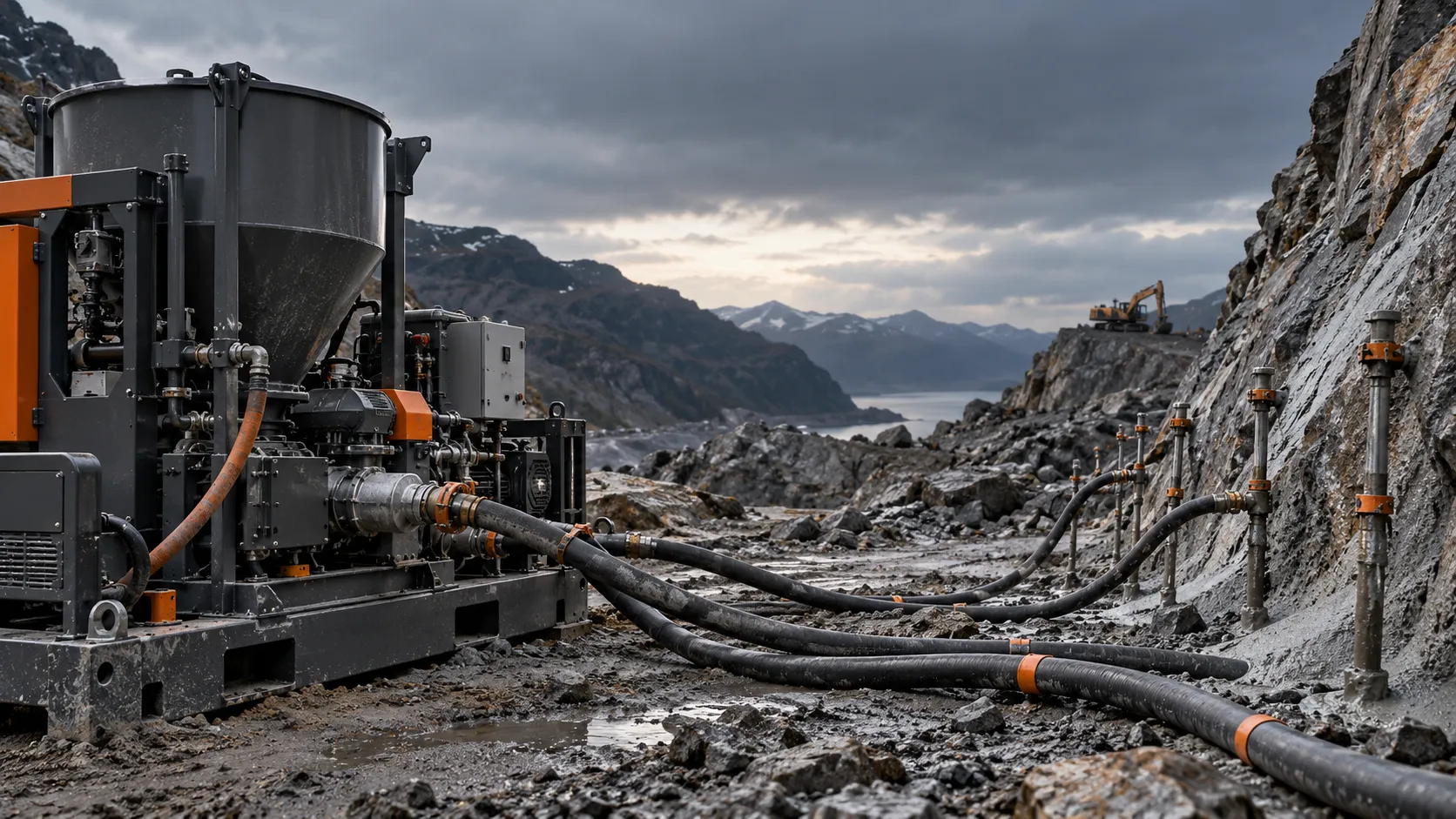

Pressure Grouting
Pressure grouting places grout into the ground to fill voids, strengthen weak areas, or control water movement. The material and installation method depend on the ground and the purpose of the treatment.
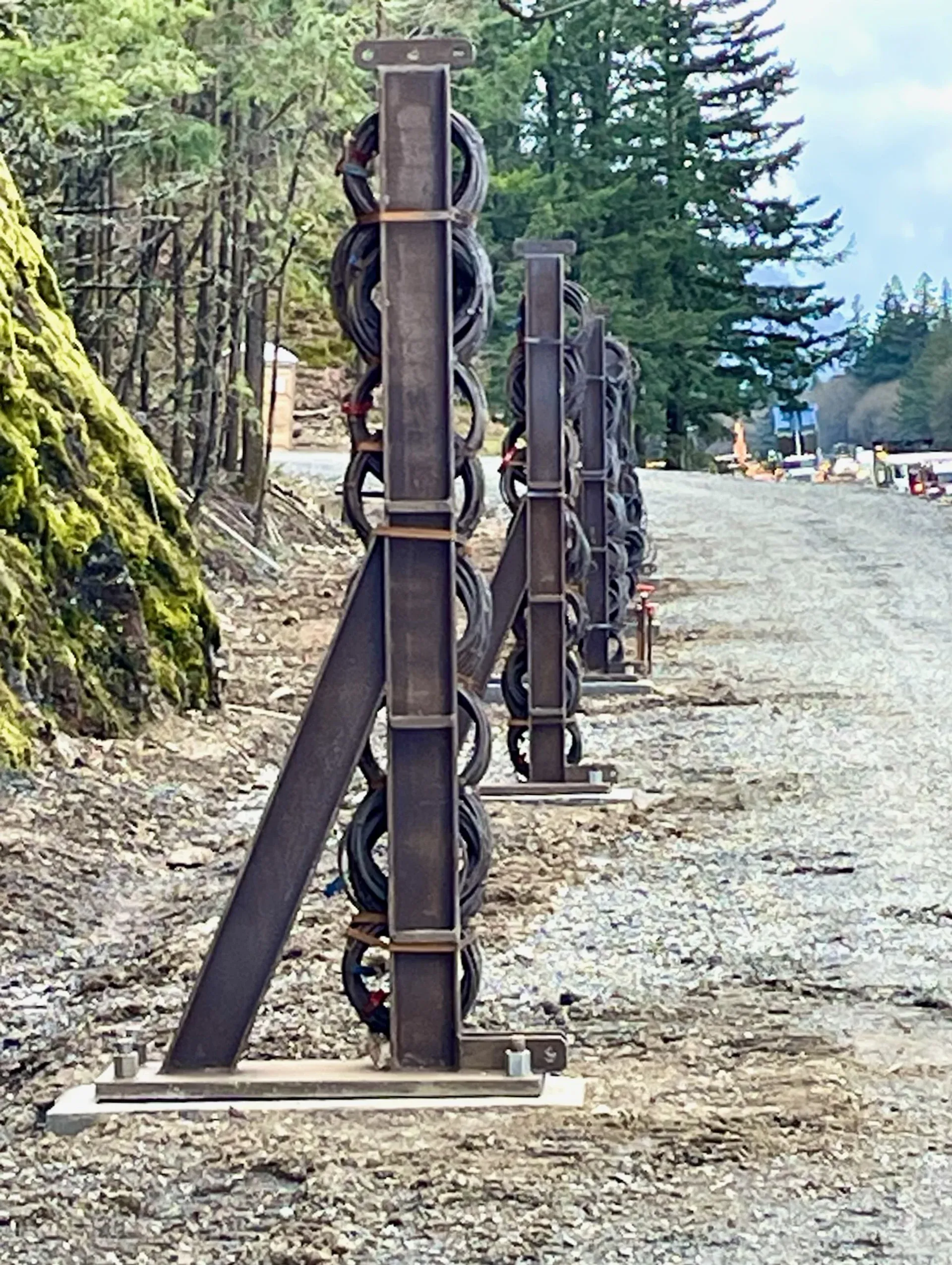

Rockfall Barriers & Fences
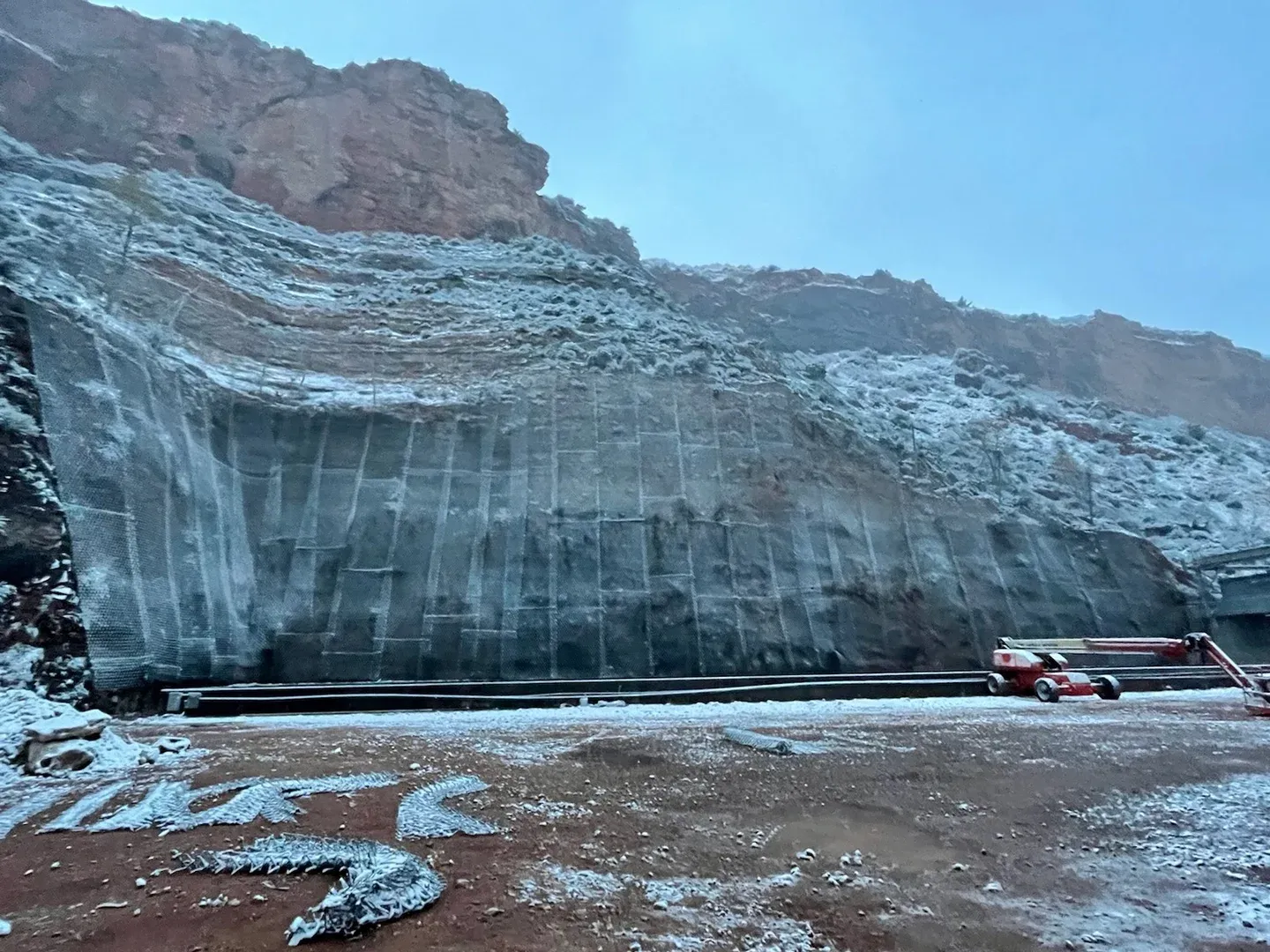
Engineered catch systems that intercept falling rock before it reaches roadways, railways, or infrastructure. Flexible posts, energy-absorbing brake elements, and ring or cable nets dissipate impact energy through controlled deformation.

Tieback Anchors
Geotechnical tieback anchors transfer loads from retaining walls and excavation support into stable ground. Explore how drilled-and-grouted anchors work, or discuss installation requirements for your project.
Solutions for Energy Sector
Comprehensive solutions tailored to address the specific challenges and requirements of energy sector projects.
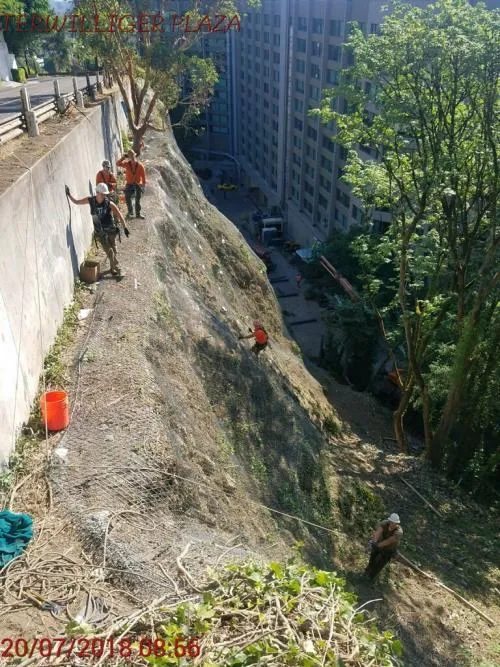
Slope Stabilization
Slope stabilization construction for roads, railways, buildings, and difficult development sites. Discuss soil nailing, anchoring, shotcrete, and drainage work with a team equipped for steep terrain.
Learn More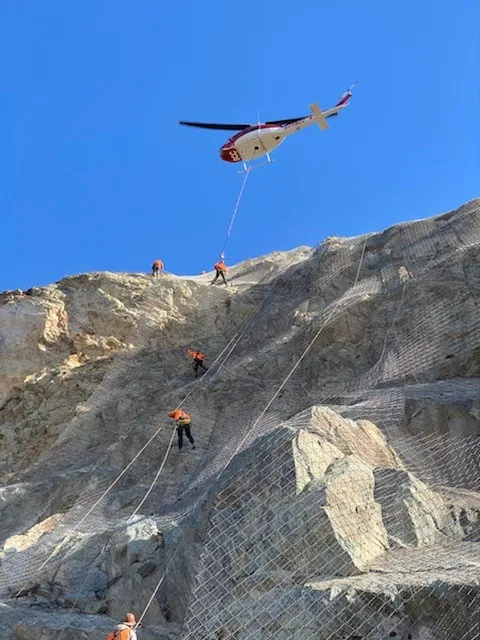
Rockfall Mitigation
Rockfall mitigation for highways, rail corridors, mines, and steep-site projects. Our crews combine scaling, rock anchoring, mesh, and barriers to address your site conditions and access constraints.
Learn More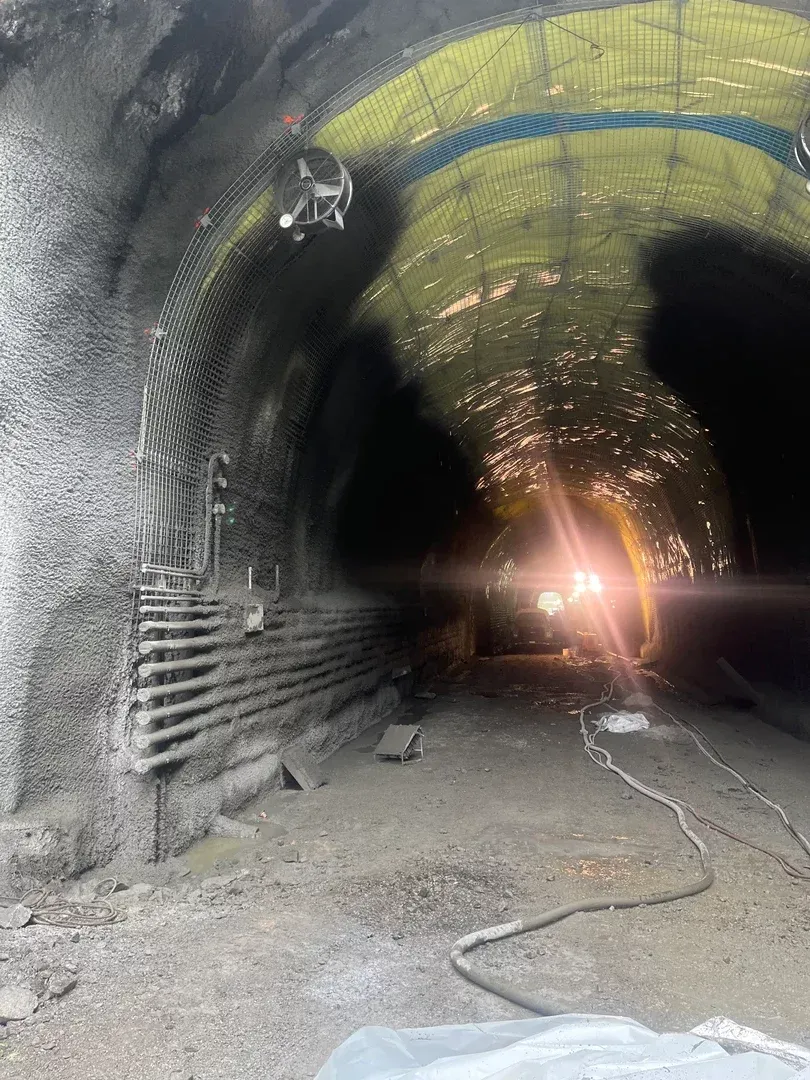
Tunnel & Underground Stabilization
Tunnel rehabilitation, concrete repair, and underground stabilization for rail and highway infrastructure, with construction planned around access and operating windows.
Learn MoreEnergy Sector Work
See how we've delivered solutions for clients in the energy sector sector.
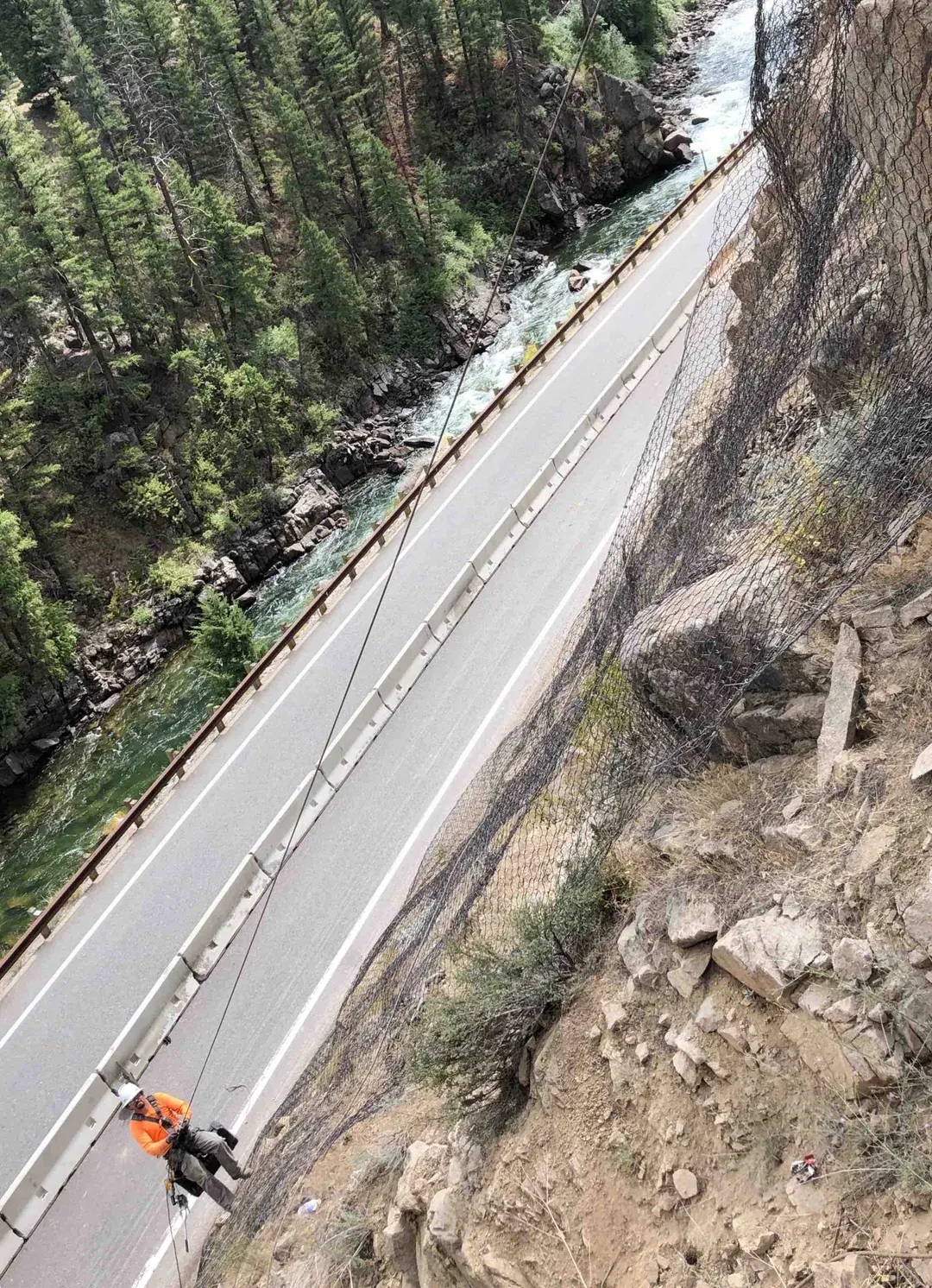
I-70 Corridor Stabilization
Installed 50,000 sq ft of high-tensile mesh and performed extensive scaling after a major weather event.
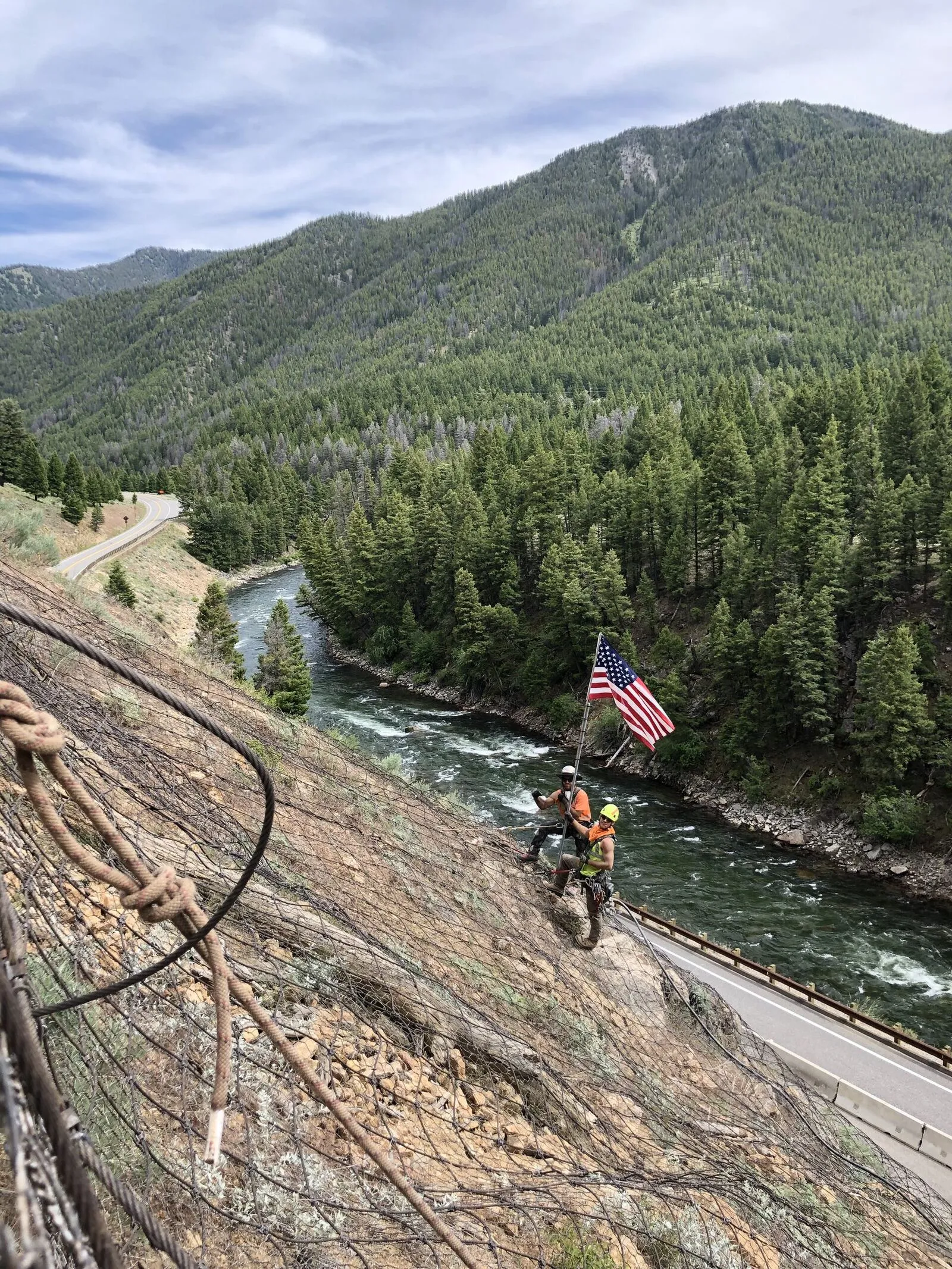
Ketchum-Challis Highway Scaling
Large-scale rock scaling and mesh installation along 3 miles of Highway 75 through the Sawtooth Mountains.
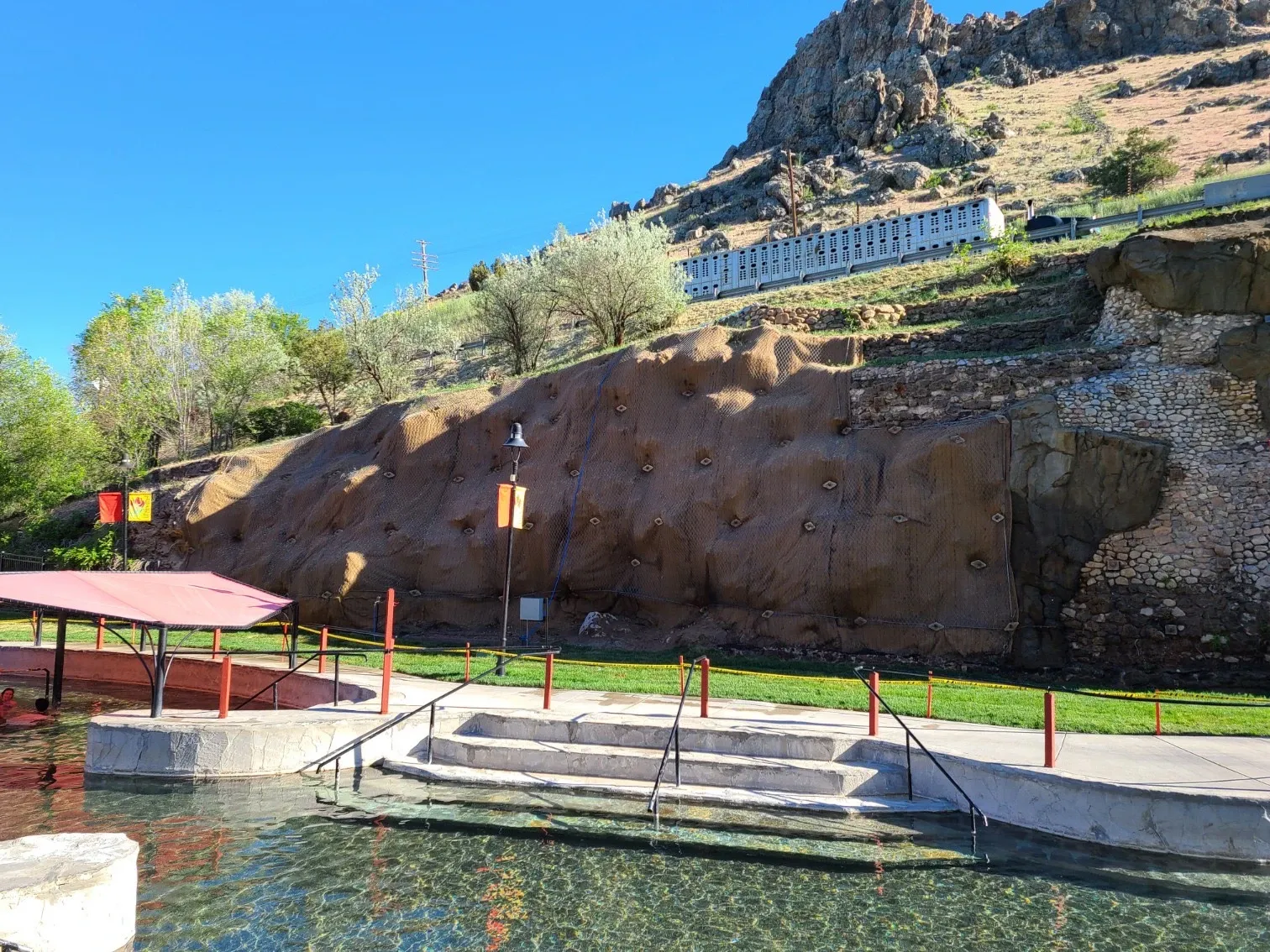
Lava Hot Springs Slope Stabilization
Multi-phase slope stabilization project protecting the historic hot springs resort and Highway 30 from an active landslide.
Energy Sector FAQ
Planning for Safe Work
Site hazards, access, rescue arrangements, and nearby operations shape the work plan. Our crews use safety briefings and equipment inspections to prepare for the work ahead.
Include site induction, training, and crew qualification requirements with your project information. We review these with the owner and construction team before mobilization.
Our Safety ProgramClient Testimonials
Trusted by DOTs, engineering firms, and property owners nationwide.
Deploy Us
Ready to discuss your energy sector project? Our team is standing by to assess your site conditions and develop a custom solution.
Include any licensing, insurance, and crew qualification requirements in your inquiry so we can review them for the project.