Blasting & Boulder Busting
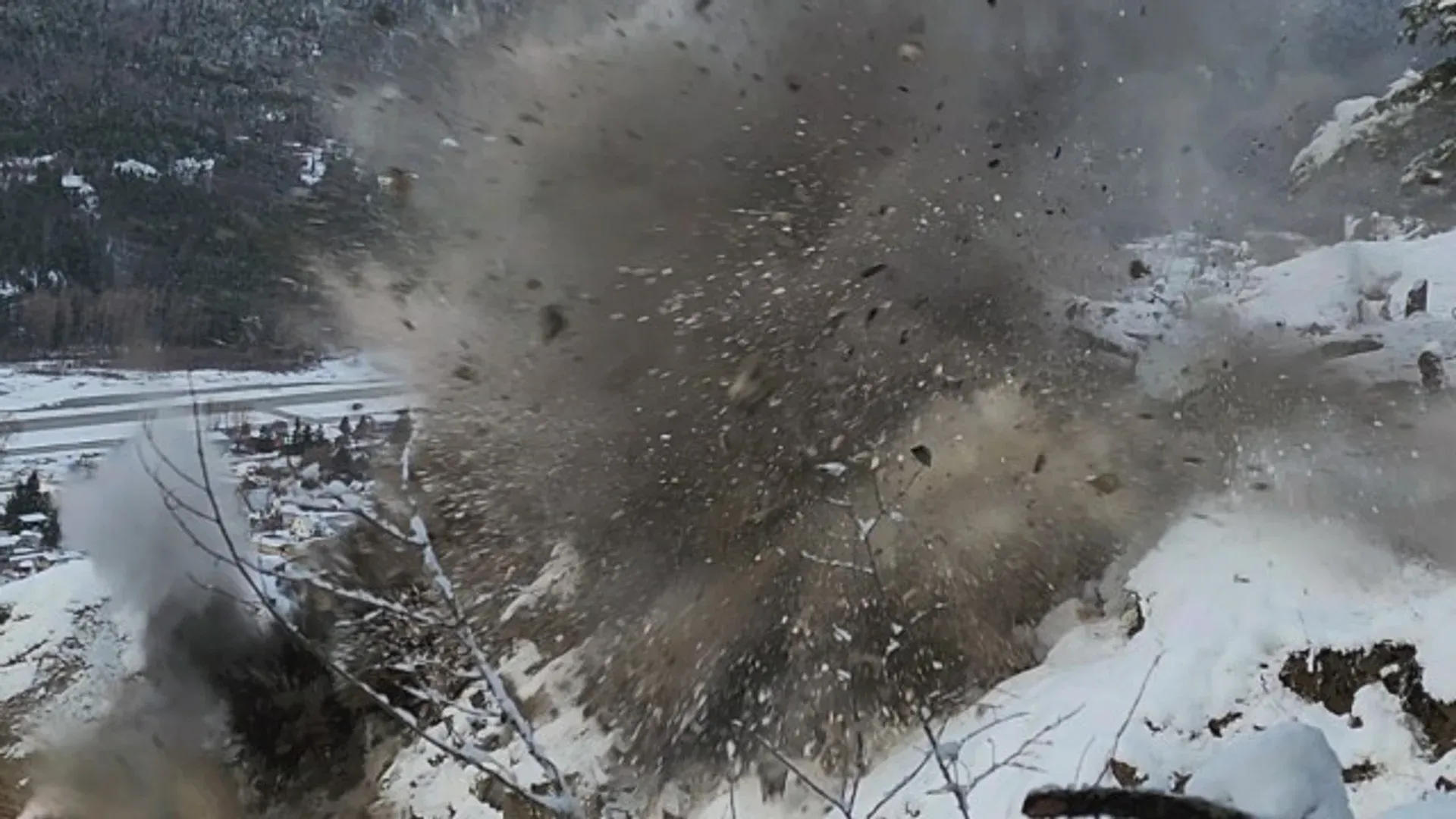
Controlled blasting breaks rock in a precise, predictable manner for excavation, scaling, access road construction, and geotechnical stabilization. When performed by trained specialists, blasting creates clean rock faces, removes hazardous overhangs, and improves slope geometry for long-term stability.
Understanding Blasting & Boulder Busting
Controlled blasting breaks rock in a precise, predictable manner for excavation, scaling, access road construction, and geotechnical stabilization. When performed by trained specialists, blasting creates clean rock faces, removes hazardous overhangs, and improves slope geometry for long-term stability.
Our ATF-licensed blasters deliver safe, efficient rock removal with strict vibration control and flyrock prevention protocols.
This technique is used in our services for:
Typical Applications
How It Works
Our proven methodology ensures consistent, high-quality results for every installation.
Blast Design
Engineer burden, spacing, and timing for desired fragmentation and break planes.
Precision Drilling
Drill blast holes in controlled layout matching design pattern.
Loading & Timing
Charge holes with explosives and connect electronic or non-electric initiation system.
Controlled Detonation
Clear area, conduct final safety checks, and execute controlled blast.
Key Advantages
Precision Rock Removal
Engineered blast designs create predictable fragmentation and clean break planes for improved slope geometry.
Vibration Control
Seismograph monitoring and charge design ensure compliance with vibration limits near structures.
Flyrock Prevention
Proper stemming, burden, and blast mats prevent material from leaving the blast zone.
Efficient Large-Scale Work
Blasting removes more rock in one operation than days of mechanical excavation.
Access Difficult Terrain
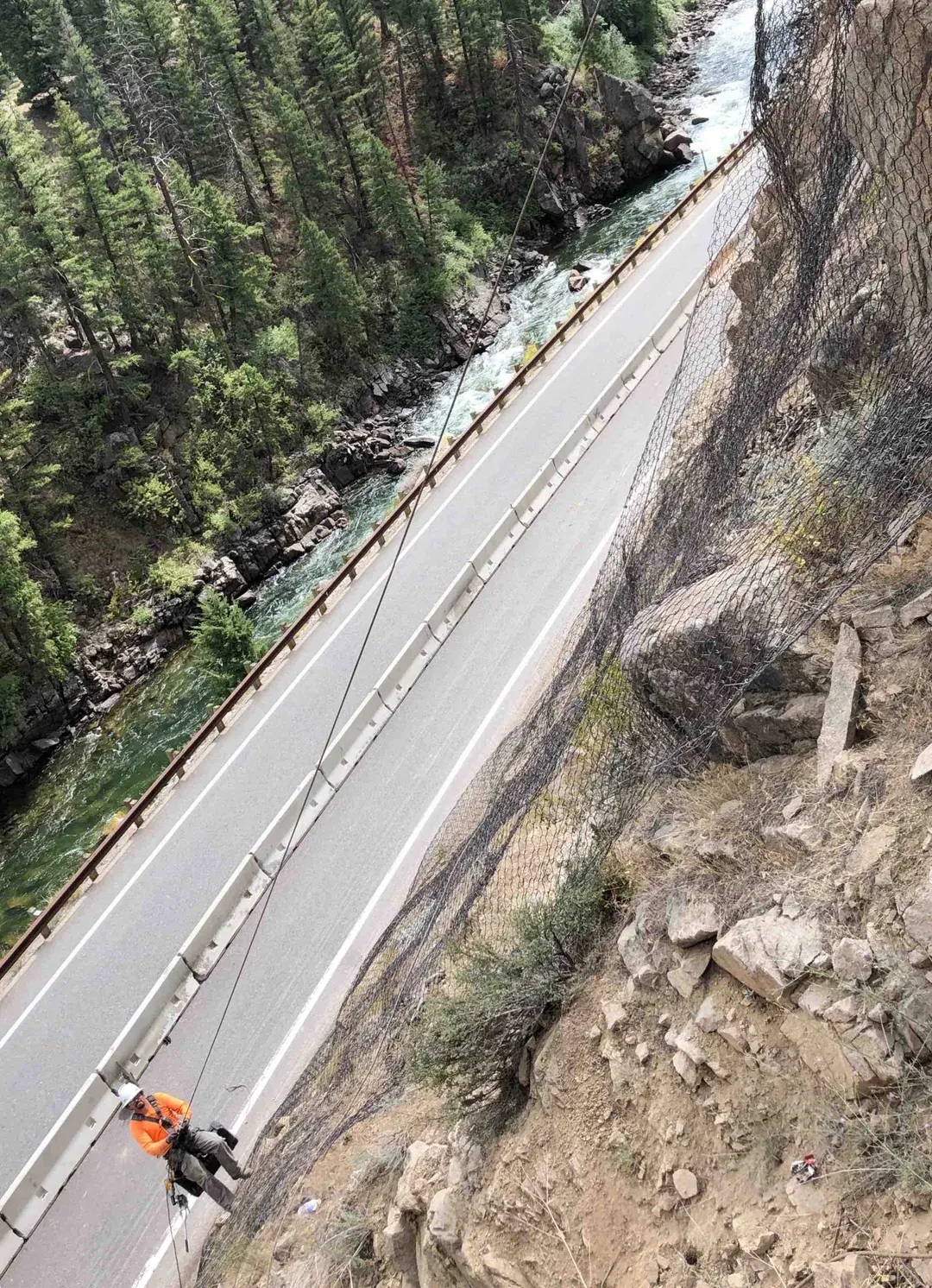
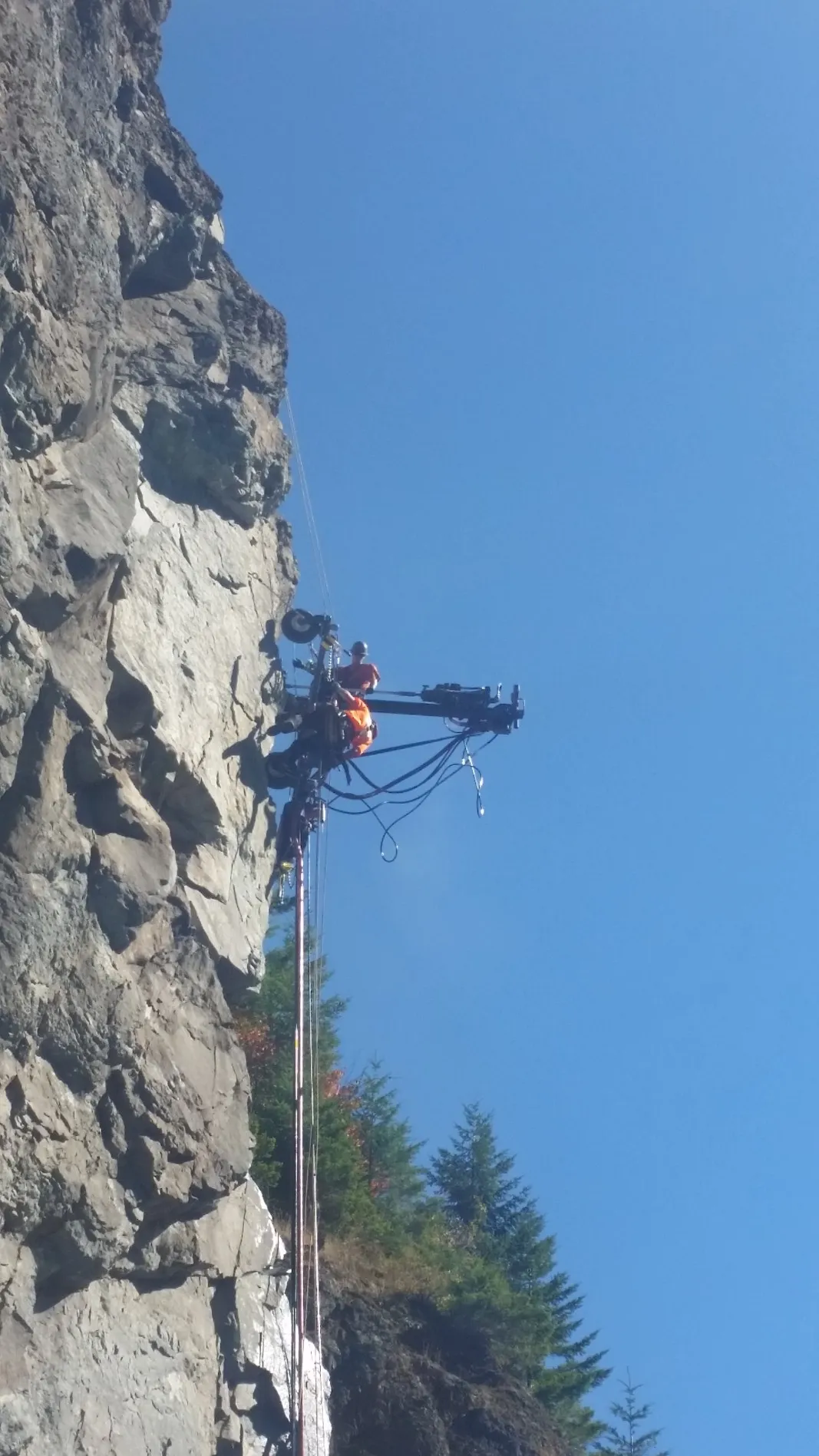
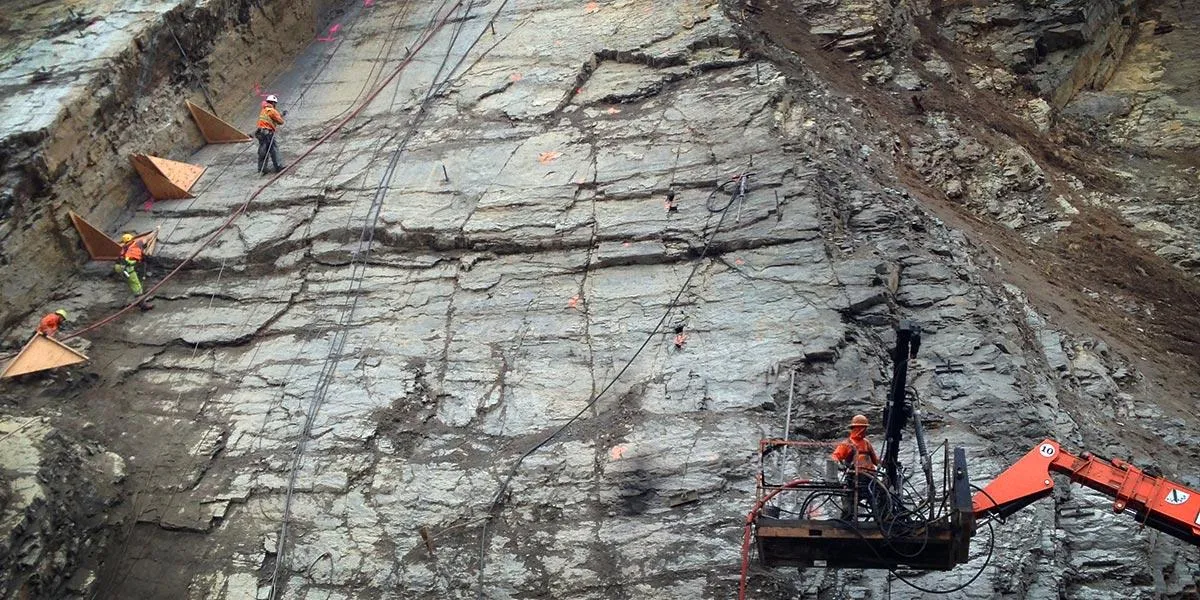
Rope-access drilling and small charges treat hazards where heavy equipment cannot reach.
Technical Considerations
Soil/Rock Conditions
Rock type, fracture patterns, and geology determine blast design. Seismic surveys may inform vibration predictions.
Groundwater
Wet holes require water-resistant explosives. Dewatering may be needed for some applications.
Load Capacity
Not applicable—blasting removes rock rather than supporting it.
Spacing
Hole spacing and burden determined by rock type, desired fragmentation, and vibration limits.
Installation Method
Holes drilled to pattern, charged with appropriate explosives, connected with timing system, detonated in controlled sequence.
Equipment Used
- Track or hand-held rock drills
- Licensed explosives and detonators
- Electronic or non-electric initiation systems
- Seismographs for vibration monitoring
- Blast mats and safety equipment
Limitations
- Requires licensed personnel and permits
- Vibration limits near structures
- Flyrock control zones required
- Weather and safety restrictions on timing
Technical Specifications
System Variations
Production Blasting
High-volume rock removal for excavation and construction projects.
Best For:
- Road construction
- Quarry operations
- Site development
Controlled Blasting
Precision blasting with tight vibration control near sensitive structures.
Best For:
- Urban excavation
- Near structures
- Infrastructure projects
Pre-Split Blasting
Creates clean break plane before production blasting for smooth final face.
Best For:
- Highway cuts
- Permanent rock faces
- Aesthetic requirements
Secondary Breaking
Non-explosive methods (hydraulic splitters, Dexpan) for boulder reduction.
Best For:
- Sensitive areas
- No-blast zones
- Small-scale work
Integration With Other Systems
Rock Scaling
Scaling removes loosened material after blasting and addresses remaining hazards.
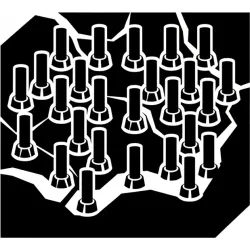
Rock Bolting
Bolts stabilize blast-damaged rock and secure remaining slope.
Learn More
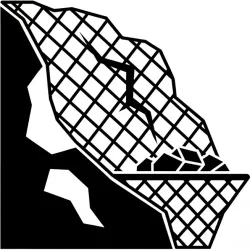
Mesh Systems
Mesh contains residual loose material after blast slope shaping.
Learn More
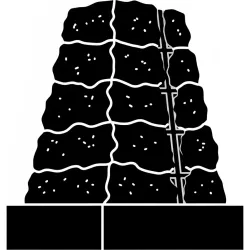
Shotcrete
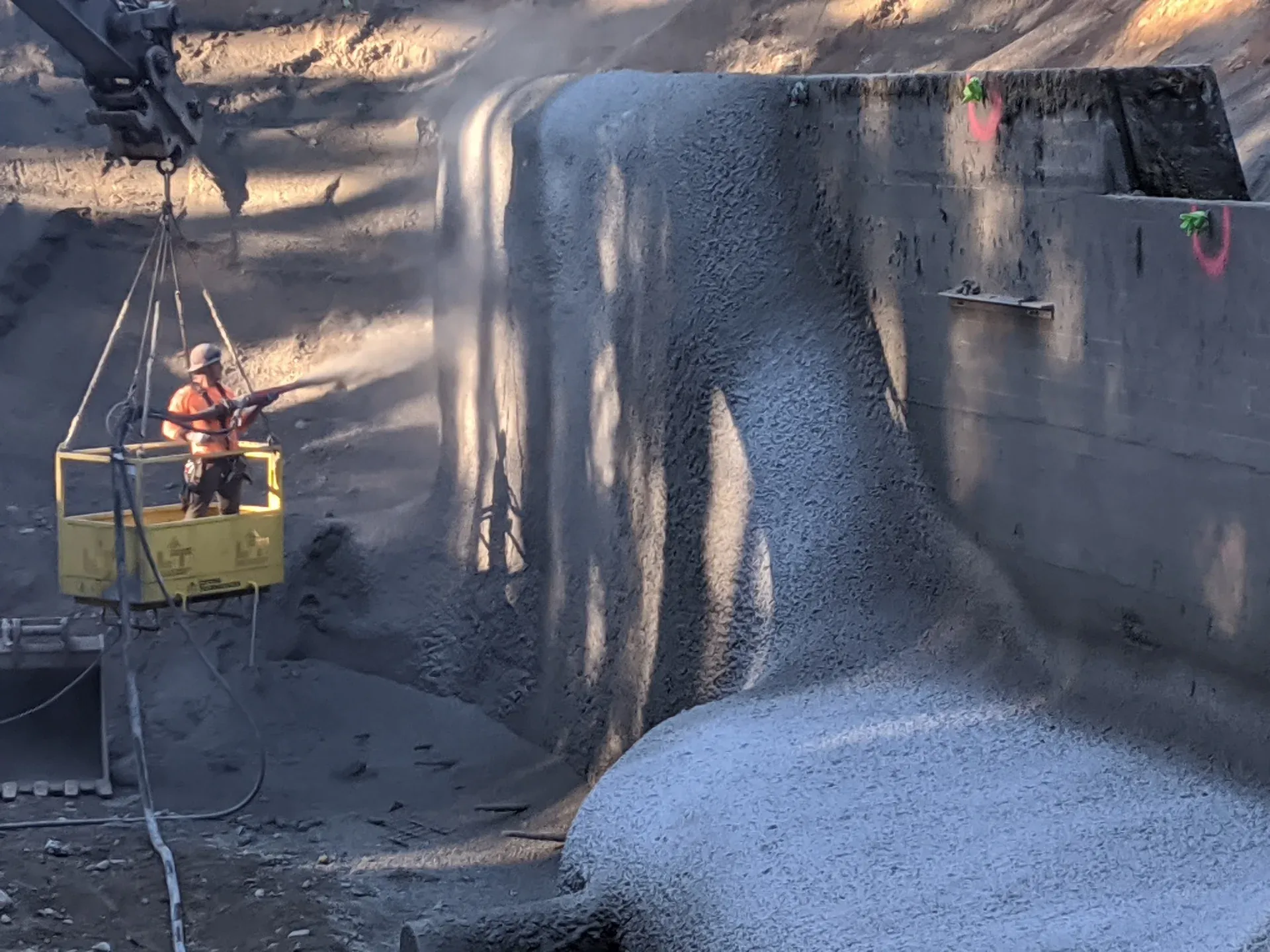
Shotcrete seals and protects blast-created rock faces.
Learn MoreExample Project Types
- Highway rock excavation
- Railroad corridor expansion
- Dangerous overhang removal
- Portal and tunnel construction
- Mining operations
- Emergency rockfall response
- Slope regrading
Before & After
See the transformation this technique delivers. Drag the slider to compare before and after conditions.
Controlled Blasting Operation
Our Work in Action
Why Choose Rock Supremacy for Blasting
Licensed Professionals
ATF-licensed blasters with state certifications and years of controlled blasting experience.
Precision Blast Design
Engineered designs optimize fragmentation while meeting vibration and safety requirements.
Comprehensive Monitoring
Seismograph monitoring documents vibration compliance for regulatory and owner requirements.
Integrated Services
Blasting combined with scaling, bolting, and mesh for complete slope treatment.
Emergency Response
Rapid mobilization for emergency removal of dangerous rock masses threatening infrastructure.
Our Work
See how we've applied this technique and others to solve real-world geotechnical challenges.

Bingham Canyon Mine Support
Highwall stabilization in one of the world's largest open-pit mines to ensure safe ongoing extraction.

I-70 Corridor Stabilization
Installed 50,000 sq ft of high-tensile mesh and performed extensive scaling after a major weather event.

Lava Hot Springs Slope Stabilization
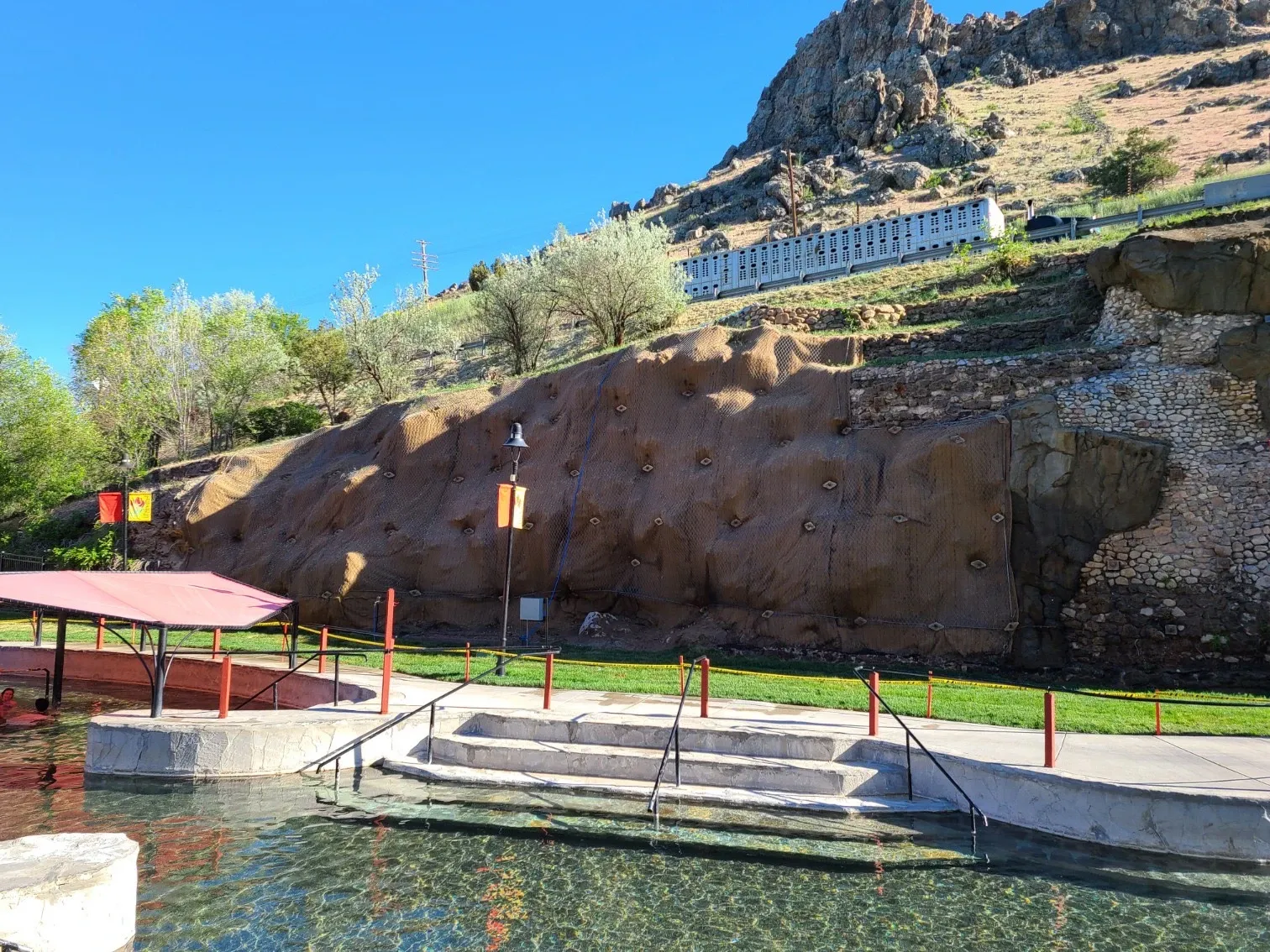
Multi-phase slope stabilization project protecting the historic hot springs resort and Highway 30 from an active landslide.
Blasting & Boulder Busting FAQ
Client Testimonials
Trusted by DOTs, engineering firms, and property owners nationwide.
Deploy Us
Ready to discuss your project? Our team is standing by to assess your site conditions and develop a custom solution using Blasting & Boulder Busting and other proven techniques.
Emergency (24/7)
(541) 383-7625Bidding & Estimates
Info@RockSupremacy.comHeadquarters
Licensed in CO, UT, WY, ID, MT, CA, WA, OR, TN, VA
Request Consultation
Related Techniques
Explore other engineering methods we use to deliver comprehensive geotechnical solutions.
Draped Mesh Systems
Draped mesh systems control loose rockfall by capturing debris and guiding it downslope to a safe catchment area. Unlike pinned mesh, draped systems are not rigidly attached to the entire slope—allowing them to manage high volumes of material efficiently.
Rock Bolting
Rock bolting stabilizes fractured, jointed, or unstable rock masses by anchoring steel bars deep into competent rock. By tying loose blocks back to stable substrate, rock bolts improve the overall strength and cohesion of slopes, cuts, tunnels, and vertical faces.
Structural Shotcrete
Structural shotcrete is high-strength, reinforced concrete applied pneumatically to create durable retaining walls, tunnel linings, and slope support systems. Engineered to carry significant loads, it provides monolithic construction that conforms to irregular surfaces.
Concrete/Sculpted Shotcrete Finishes
Sculpted shotcrete creates natural-looking rock surfaces on stabilized slopes, retaining walls, and landscape features. Artistic carving and staining transform functional shotcrete into aesthetic elements that blend with surrounding geology.