Weep Drains

Weep Drains

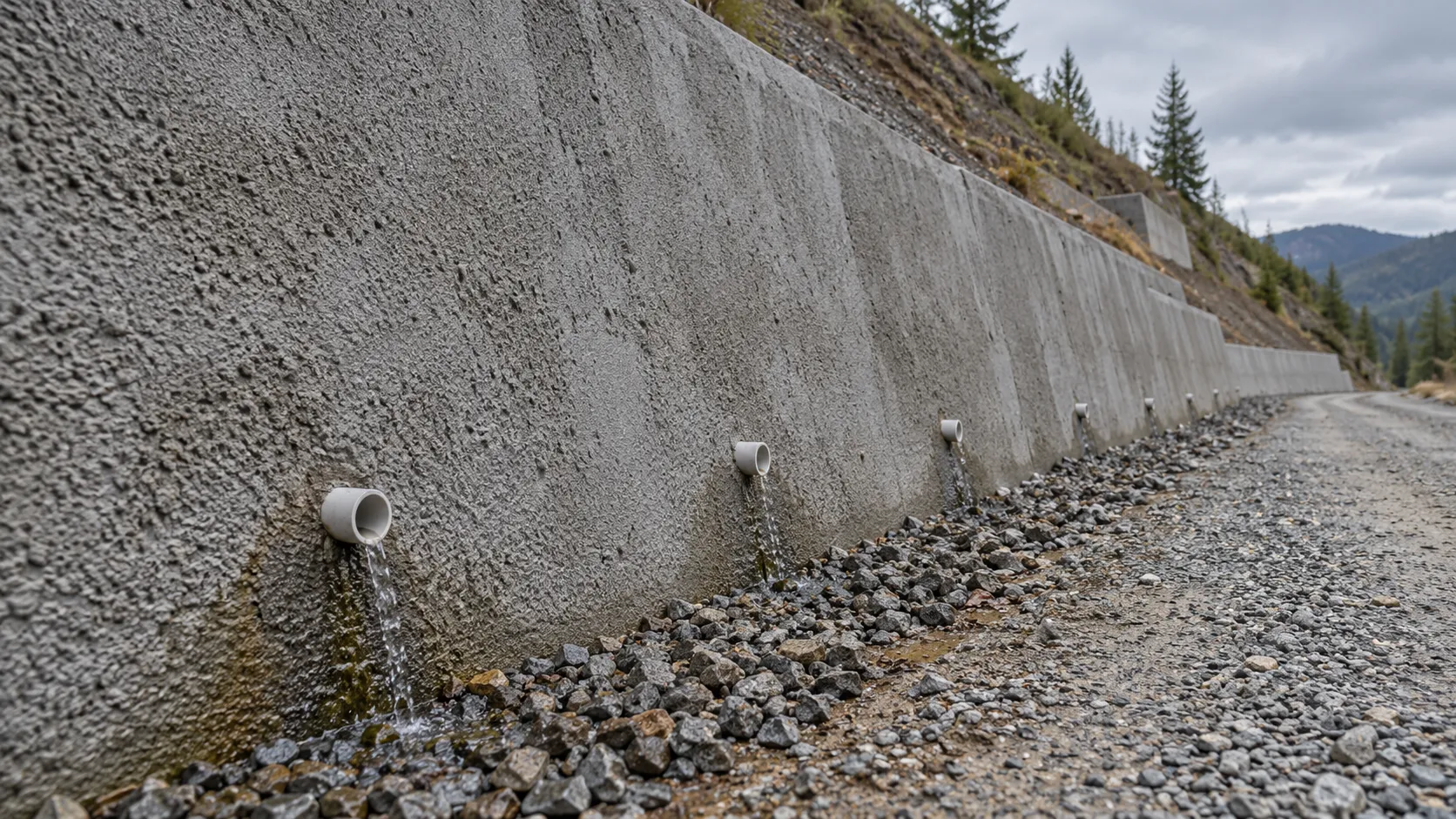
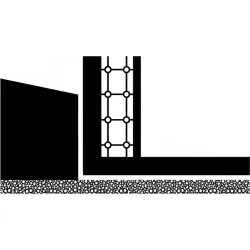
Weep drains provide surface-level drainage relief by allowing water trapped behind shotcrete, retaining walls, or stabilized slopes to escape. These drains prevent hydrostatic pressure buildup, which can compromise structural stability.

Simple
Installation
Low
Maintenance
Essential
For Wall Life
24/7
Passive Flow
Overview

Understanding Weep Drains

Weep drains provide surface-level drainage relief by allowing water trapped behind shotcrete, retaining walls, or stabilized slopes to escape. These drains prevent hydrostatic pressure buildup, which can compromise structural stability or cause shotcrete and facing systems to detach over time.

Simple, cost-effective, and essential for long-term wall performance.

Simple and cost-effective
Essential for long-term stability of facing systems
Prevents shotcrete debonding and wall distress
Reduces maintenance and water-related failures
Passive operation with no moving parts

This technique is used in our services for:

Weep Drains
Use Cases

Typical Applications

Shotcrete-stabilized slopes
Retaining walls and soldier pile walls
Tunnel portals
Concrete facing systems
Slope stabilization projects with visible seepage
Bridge abutments and wing walls
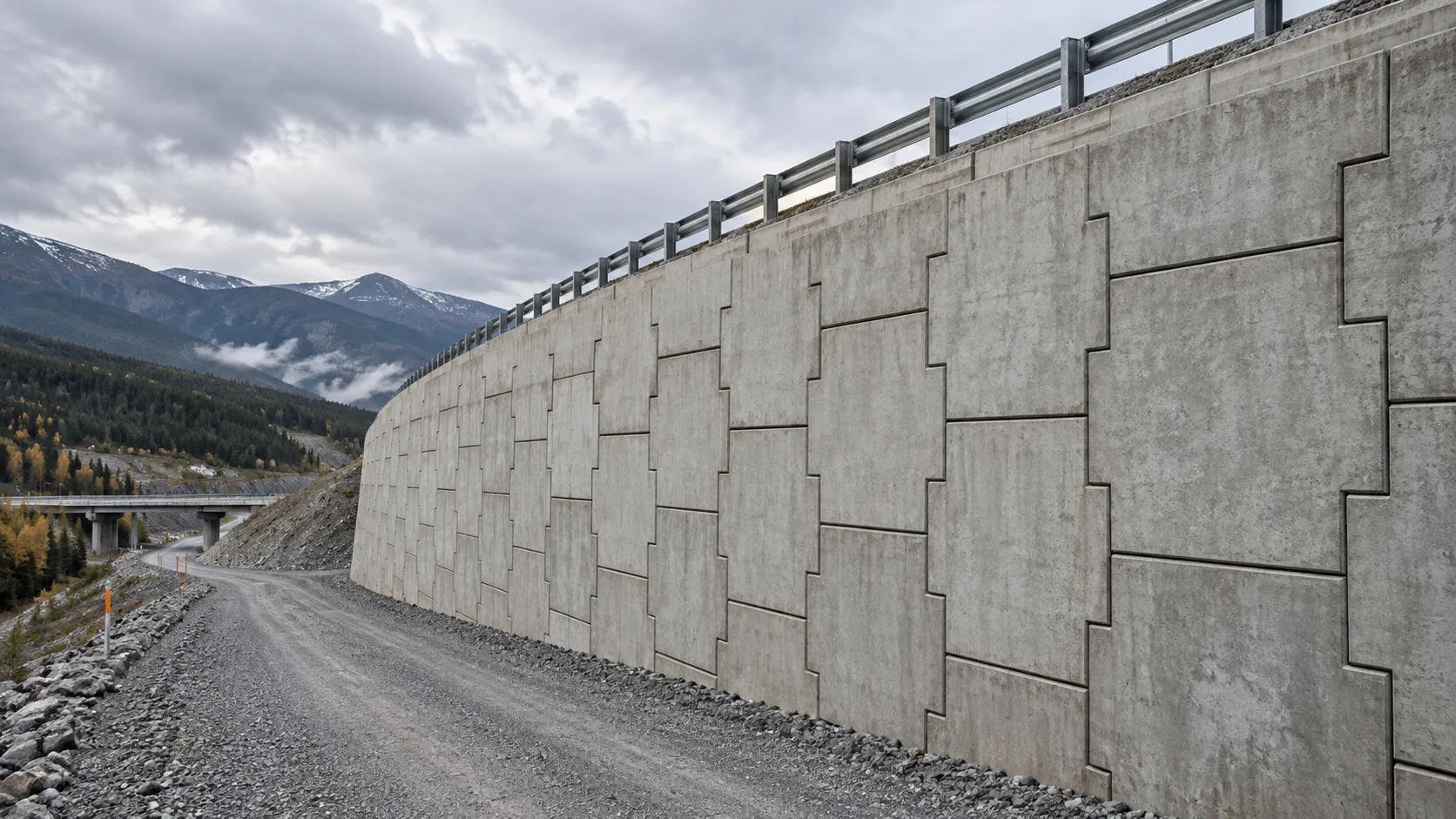
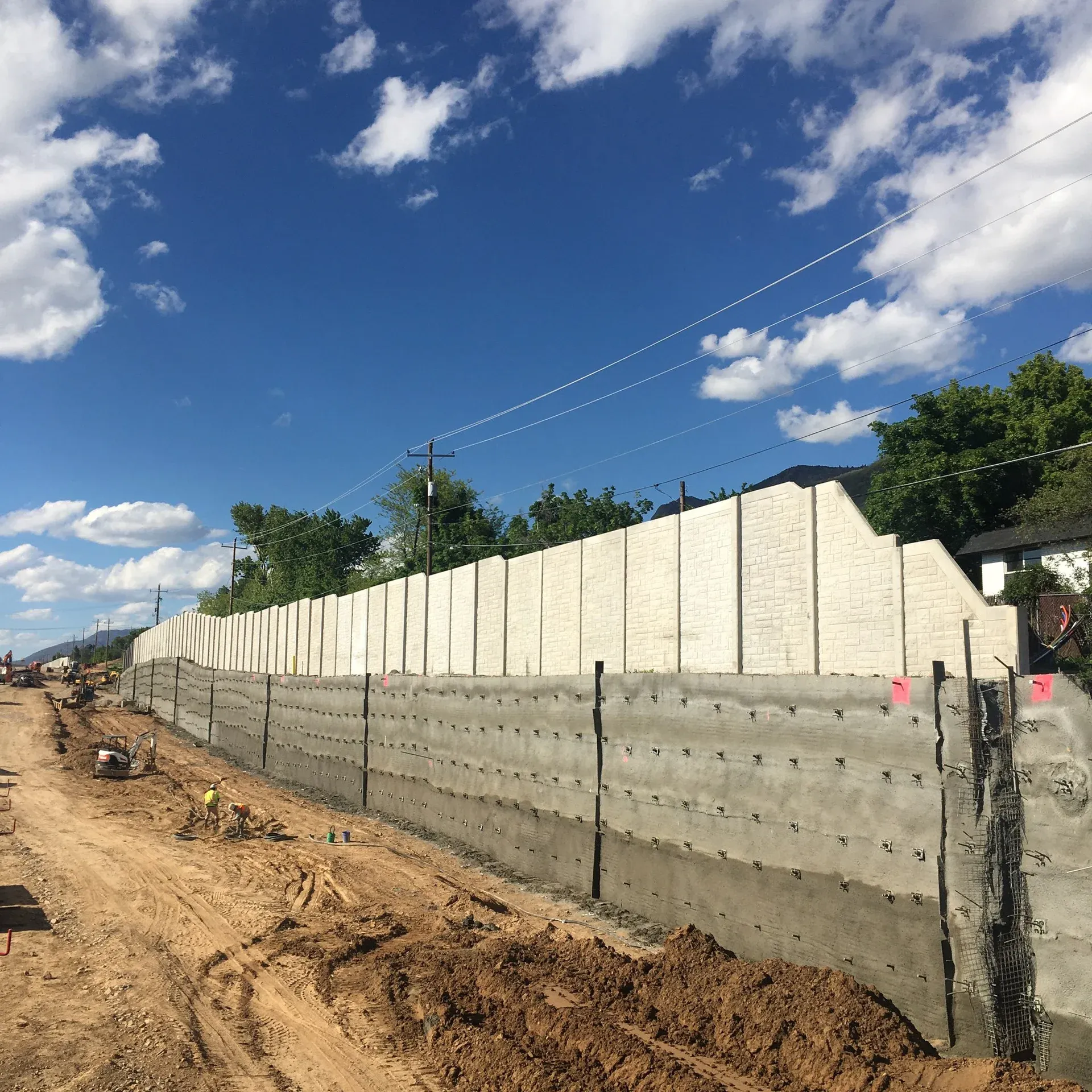
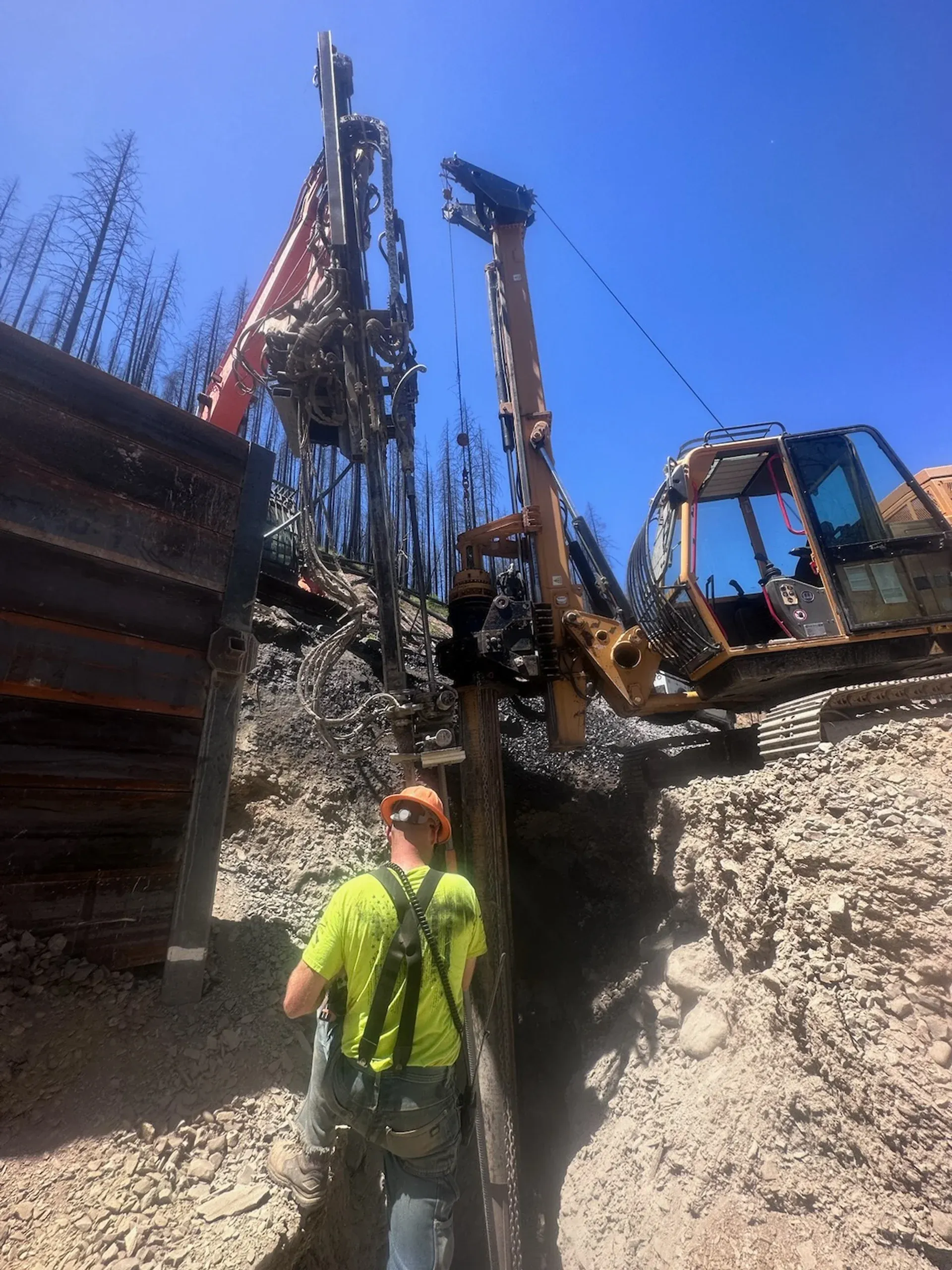
Weep Drains - Image 1
Process

How It Works

Our proven methodology ensures consistent, high-quality results for every installation.

1

Layout Planning

A short perforated pipe or drain element location is marked on a grid pattern.

2

Installation

Drain pipes are installed through the facing during or after construction.

3

Filter Protection

Geotextile wrap or gravel backfill prevents soil migration and clogging.

4

Controlled Drainage

Water behind the wall flows through the pipe, preventing pressure buildup.

Benefits

Key Advantages

Prevents Hydrostatic Failure

Water pressure behind walls is the leading cause of retaining wall failure. Weep drains eliminate this risk.

Simple Installation

PVC pipes installed during construction add minimal cost while providing significant long-term benefits.

Extends Wall Life

Proper drainage prevents freeze-thaw damage, shotcrete debonding, and structural distress.

Low Maintenance

Passive drains require only periodic inspection to verify flow and check for clogging.

Visible Performance

Water flow from weep drains provides visual confirmation that the drainage system is working.

Engineering

Technical Considerations

Soil/Rock Conditions

Weep drains are effective in any soil or rock condition where water accumulates behind facing systems.

Groundwater

Drains must be sized and spaced appropriately for expected water inflow. High groundwater may require supplemental horizontal drains.

Load Capacity

Not applicable—weep drains provide drainage, not structural support.

Spacing

Typical grid spacing of 6-10 ft in both directions. Closer spacing in areas of high seepage.

Installation Method

PVC pipes set through formwork before shotcrete or drilled through existing facing. Filter fabric prevents soil intrusion.

Equipment Used

  • PVC or HDPE drain pipe
  • Filter fabric or geotextile
  • Gravel for filter pack
  • Core drill for retrofit installations

Limitations

  • Must be installed at proper elevation for gravity flow
  • Can clog without proper filter protection
  • Freeze-thaw exposure in cold climates
  • May require supplemental drainage for high water volumes

Technical Specifications

Pipe Size
2" to 4" PVC
Spacing
6 ft to 10 ft grid
Length
12" to 36" beyond facing
Filter
Geotextile wrap or gravel pack
Options

System Variations

Standard PVC Weeps

Simple PVC pipes installed through the wall face at regular intervals.

Best For:

  • General retaining walls
  • Shotcrete slopes
  • Standard applications

Prefabricated Weep Elements

Manufactured drain units designed for easy integration with shotcrete facing.

Best For:

  • High-production projects
  • Soil nail walls
  • Consistent spacing requirements

French Drain Integration

Weep drains connected to subsurface drainage systems for comprehensive water management.

Best For:

  • High groundwater sites
  • Complex drainage requirements
  • Urban construction
Experience

Example Project Types

  • Retaining wall construction
  • Shotcrete slope stabilization
  • Tunnel portal drainage
  • Bridge abutment protection
  • Wall rehabilitation projects
  • Soil nail wall facing
Gallery

Our Work in Action

Expertise

Why Choose Rock Supremacy for Weep Drains

Integrated Installation

Weep drains are properly integrated during wall construction for optimal performance.

Quality Materials

We use durable PVC and proper filter protection for long-term reliability.

Proper Alignment

Drains are installed at correct angles and elevations for effective gravity flow.

Complete Solutions

We design comprehensive drainage systems combining weep drains with horizontal drains as needed.

Questions

Weep Drains FAQ

Hydrostatic pressure behind walls is a leading cause of failure. Weep drains relieve this pressure, preventing structural damage and extending wall life.
Typical spacing is 6-10 feet in both horizontal and vertical directions. Closer spacing may be needed in areas with high seepage or groundwater.
Yes, we can core drill through existing walls to install weep drains as part of rehabilitation projects.
Filter fabric or gravel packs around the drain inlet prevent soil particles from entering and clogging the pipe.
Drains should be designed to prevent freeze damage. Extending pipes beyond the frost line and ensuring positive drainage helps prevent ice blockage.
Testimonials

Client Testimonials

Trusted by DOTs, engineering firms, and property owners nationwide.

Contact

Deploy Us

Ready to discuss your project? Our team is standing by to assess your site conditions and develop a custom solution using Weep Drains and other proven techniques.

Emergency (24/7)

(541) 383-7625

Bidding & Estimates

Info@RockSupremacy.com

Headquarters

Western Division (HQ)
65147 N Hwy 97
Bend, OR 97701
Eastern Division
915 Millennium Ct
Blountville, TN 37617

Licensed in CO, UT, WY, ID, MT, CA, WA, OR, TN, VA

Request Consultation