Foundation and Infrastructure Support
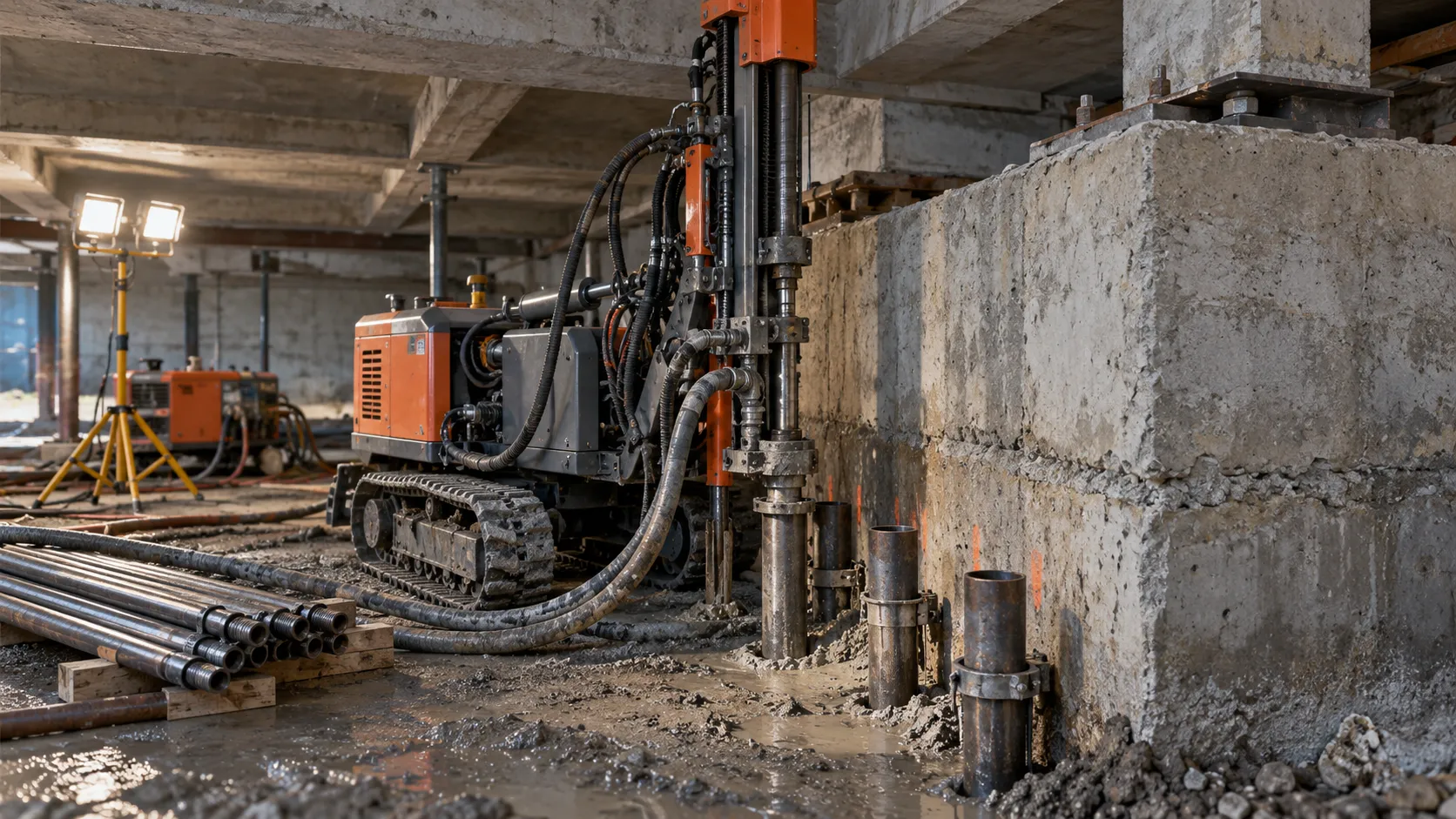
Foundation and infrastructure support using micropiles, underpinning, anchors, and ground improvement. Discuss construction loads, ground conditions, and access.
Construction Support for Structures and Infrastructure
Rock Supremacy works with owners, general contractors, and project engineers on foundation support for structures and infrastructure. Discuss changed loading, support during adjacent construction, ground improvement, or reinforcement of an existing foundation. If your immediate concern is a cracked or settling foundation, visit our foundation repair services for that inquiry.
Installation scope may include micropiles, micropile underpinning, rock anchors and tiebacks, or pressure grouting. The project engineering, ground conditions, loads, and available access determine which systems are appropriate. Discuss installation to an existing design or the engineering coordination needed before construction.
Access and sequencing matter when work takes place inside an existing structure, beneath infrastructure, or beside an active excavation. Share headroom, equipment routes, staging areas, utilities, occupancy constraints, and operator work windows. For earth retention around the excavation, review our shoring services.
For a scope or bid discussion, provide the project location, existing foundation drawings, proposed loading or structural changes, geotechnical information, and target schedule. Include the available design, testing, and monitoring requirements, and identify documents that are still being developed. Contact our team to discuss your foundation support project.
When Foundation Support Is Needed
You may require foundation stabilization or improvement when you notice: settlement or cracking in structures; tilting or rotation of retaining walls; soil loss or void formation beneath slabs or footings; groundwater infiltration or erosion undermining support; increased loading from new construction or road widening; slope movement affecting foundations; or pavement deflection or subsurface voids. Early intervention prevents costly structural damage and safety risks.
Without proper intervention, these conditions typically worsen over time. Early assessment and appropriate remediation can prevent costly emergency repairs and protect the assets and people that depend on stable ground.
Common Causes
- Weak, compressible, or collapsible soils
- Undetected voids or subsurface erosion
- Groundwater pressure and poor drainage
- Overloading or design-life exceedance
- Seasonal moisture changes or frost heave
- Construction vibration or excavation nearby
- Slope movement affecting foundations
- Bearing capacity failure in weak ground
- Deterioration of original foundation materials
- Seismic damage to foundation elements
Restoring Foundation Integrity
We approach foundation problems systematically, first understanding why the foundation is failing, then designing solutions that address root causes while providing lasting support. Our techniques work in any soil condition and can be installed with minimal disruption to occupied structures.
Foundation Assessment
Document existing conditions including crack patterns, settlement measurements, structural distress, and drainage issues. Assessment identifies the failure mechanism and establishes baseline for measuring repair effectiveness.
Subsurface Investigation
Borings and soil testing determine soil properties, depth to competent bearing material, and groundwater conditions. This data is essential for designing underpinning systems that will perform long-term.
Engineering Design
Engineers analyze existing loads, required capacity, and installation constraints to design the optimal foundation support system. Design considers access limitations, vibration sensitivity, and construction sequence.
Deep Foundation Installation
Micropiles, helical piles, or driven piles are installed adjacent to or through existing foundations. Piles extend to competent bearing strata, developing capacity through end bearing, side friction, or both.
Load Transfer
Structural connections transfer loads from existing foundations to new piles. Connections may include pile caps, brackets, grade beams, or direct attachment depending on foundation type and access.
Verification & Monitoring
Load testing verifies pile capacity meets design requirements. Monitoring tracks settlement and confirms stabilization. Documentation provides records for owner, engineer, and insurance purposes.
How We Deliver
Our field services deliver comprehensive solutions tailored to your specific site conditions and requirements.
Why Choose Rock Supremacy
Techniques We Use
Proven engineering methods that deliver long-term stability and protection.

Cable Anchors
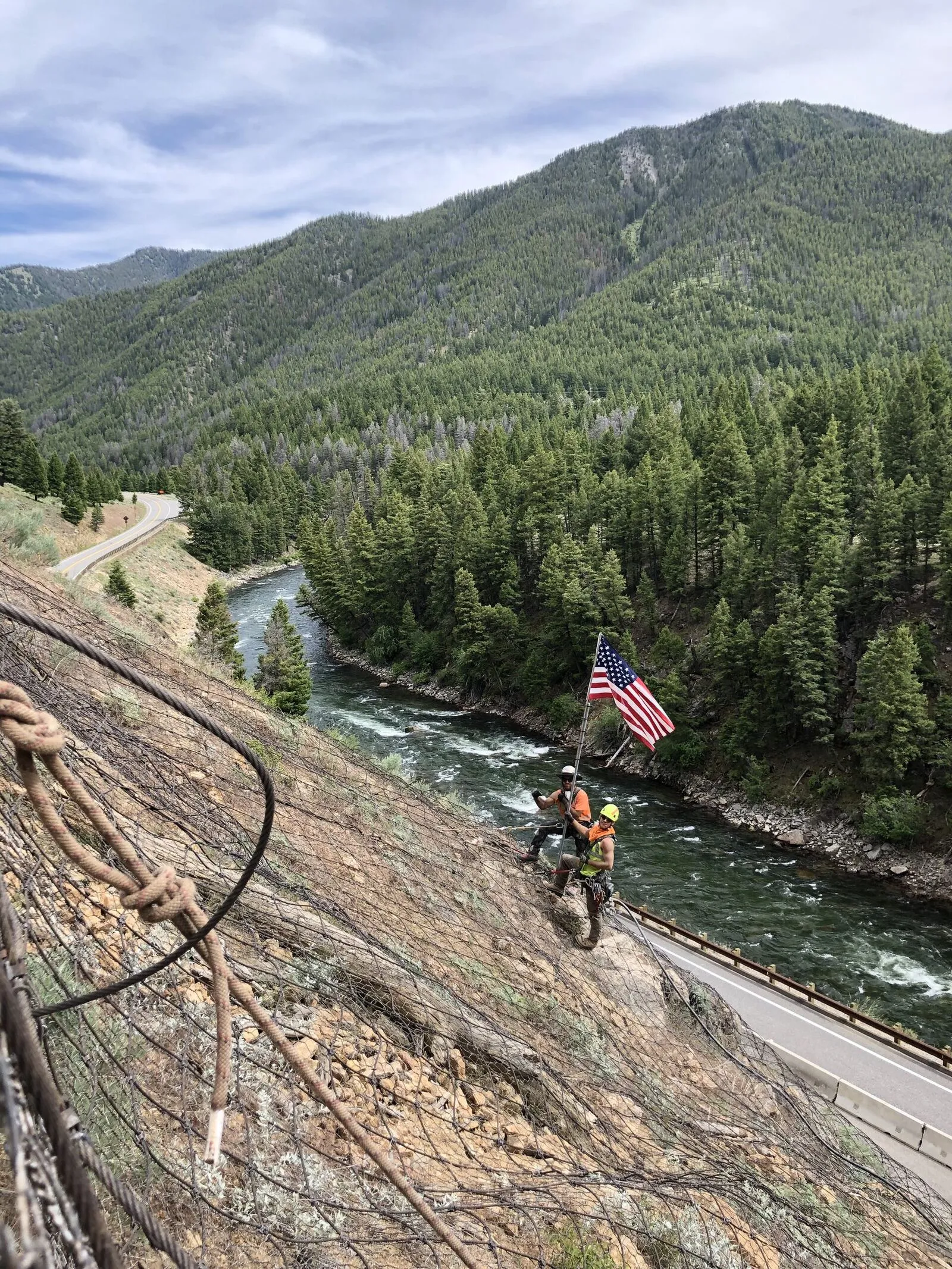
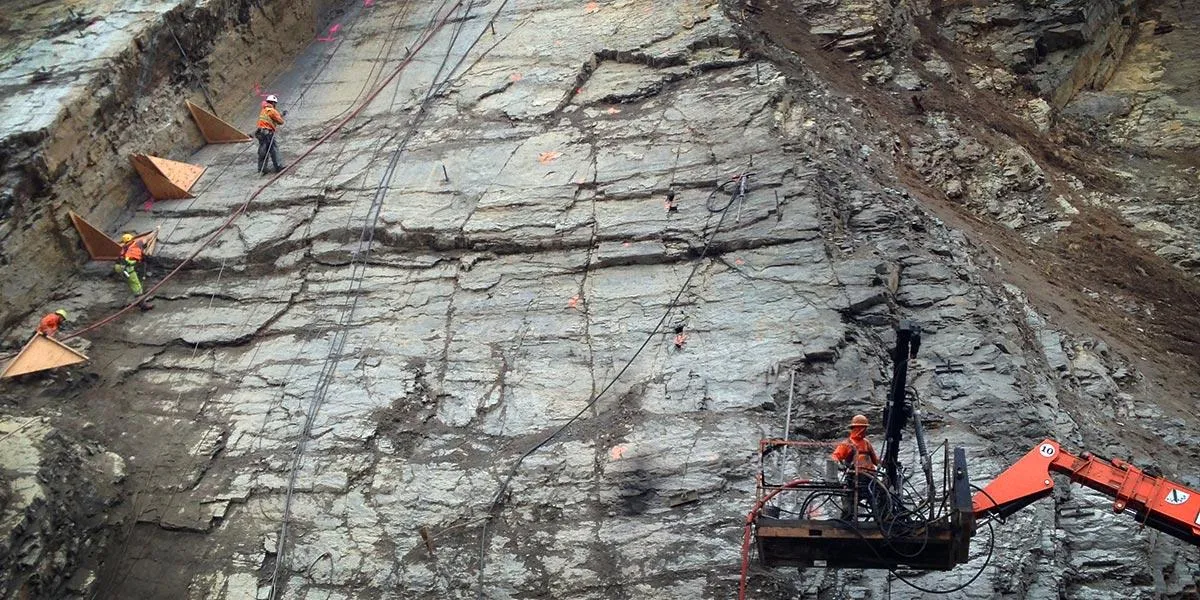
Cable anchors use steel strands installed and tensioned in the ground to hold large loads. They can support dams, retaining structures, unstable rock masses, and other heavily loaded works.

Foundation Underpinning
Foundation underpinning adds or improves support beneath an existing foundation. The method depends on the structure, the cause of movement, and the ground below it.

Epoxy-Grouted Dowels
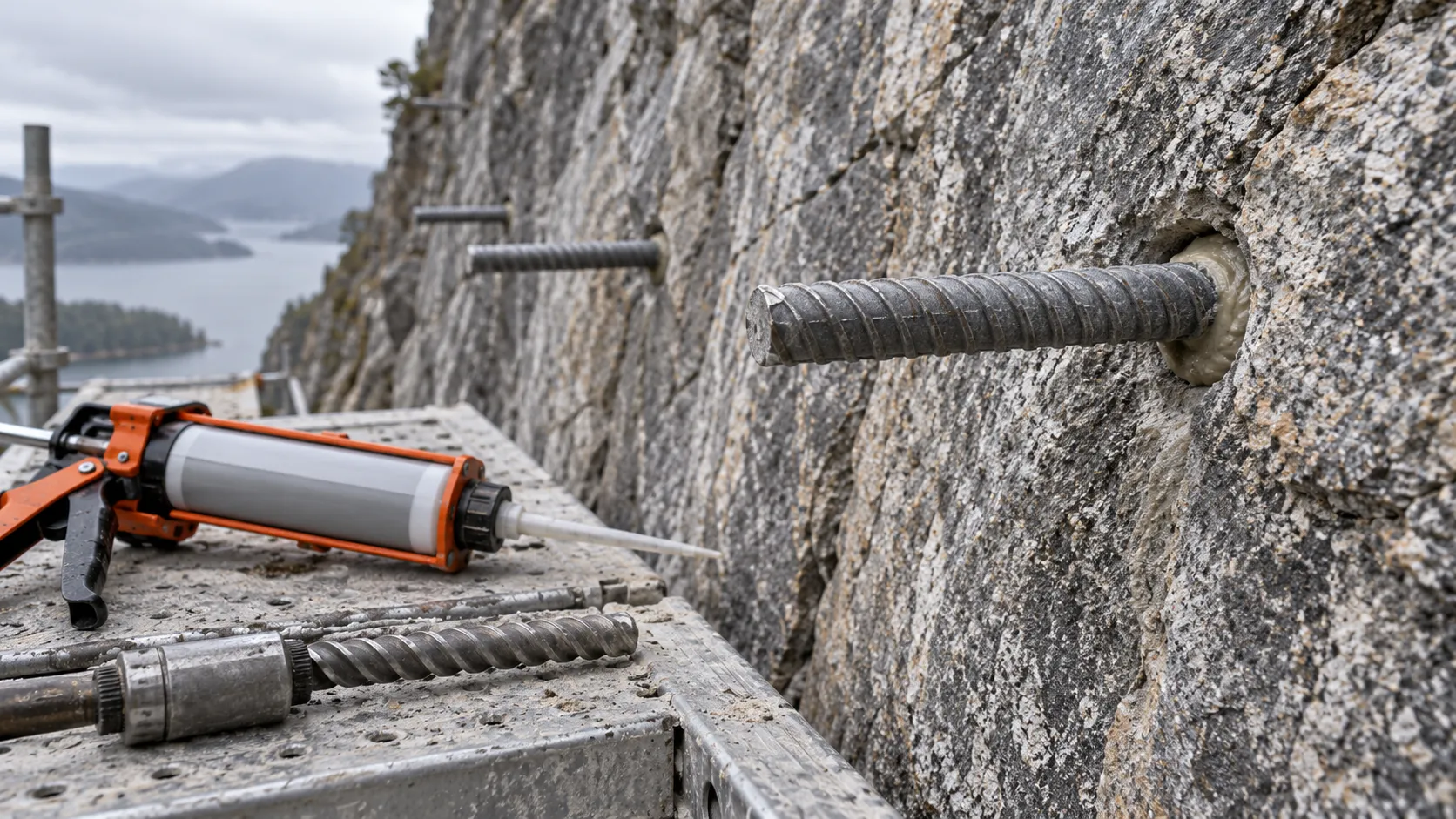
Epoxy-grouted dowels use resin to bond steel bars into drilled holes. Material selection and curing conditions determine when the connection can carry the required load.

H-Pile Walls
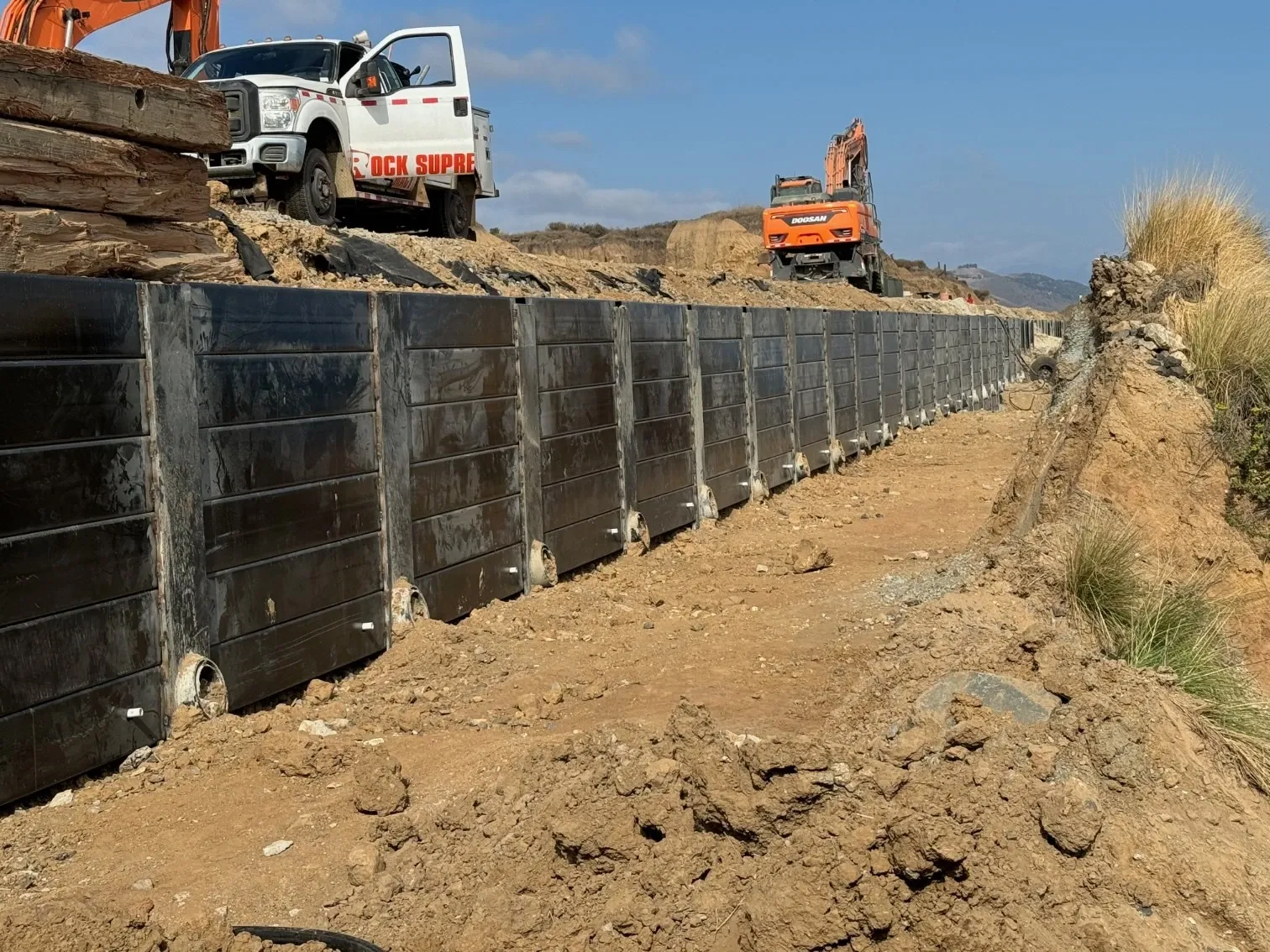
H-pile walls use rolled steel HP-section beams with lagging between the flanges to retain deep excavations, bridge abutment cuts, and permanent infrastructure walls.
Micropile Underpinning
Micropile underpinning adds support beneath an existing structure using small drilled piles. Connections transfer the foundation load to suitable ground below.
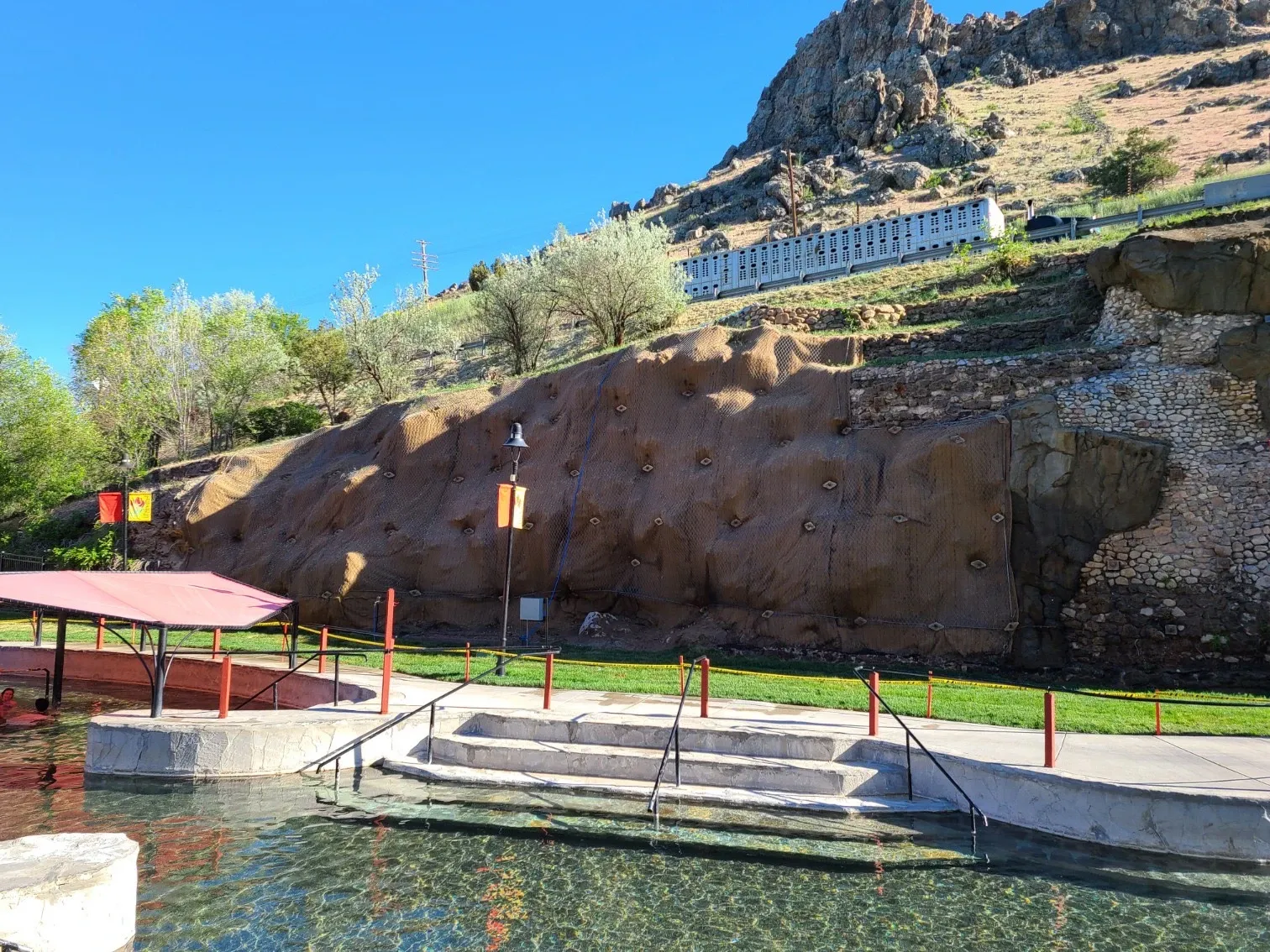

Horizontal Drains
Explore drilled drainage for slopes and landslide repair, then discuss installation access, ground conditions, and the drainage scope for your project.
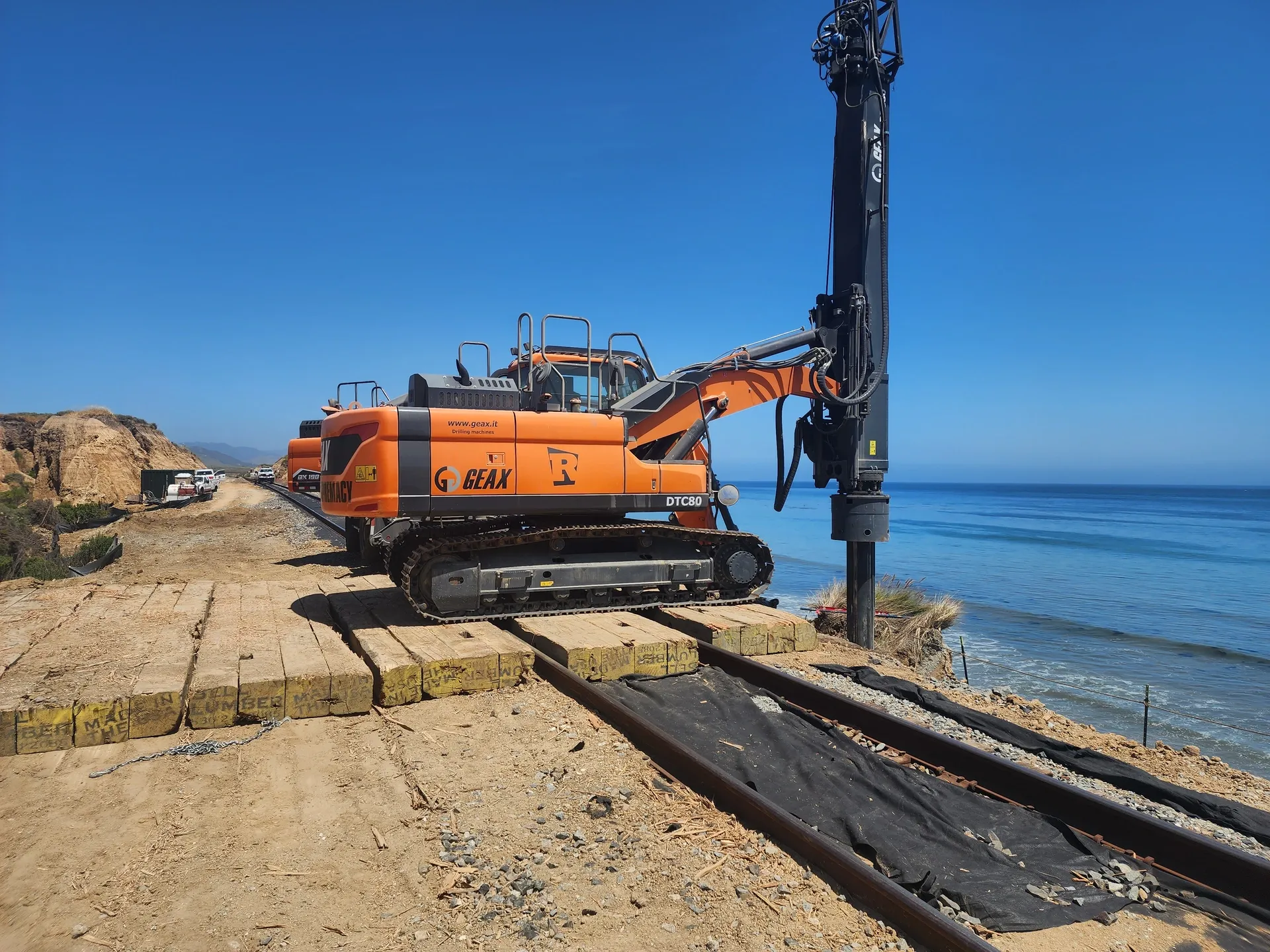
Micropiles
Micropiles are small drilled foundation elements that transfer structural loads into suitable ground. They are useful where access is restricted or an existing foundation needs additional support.
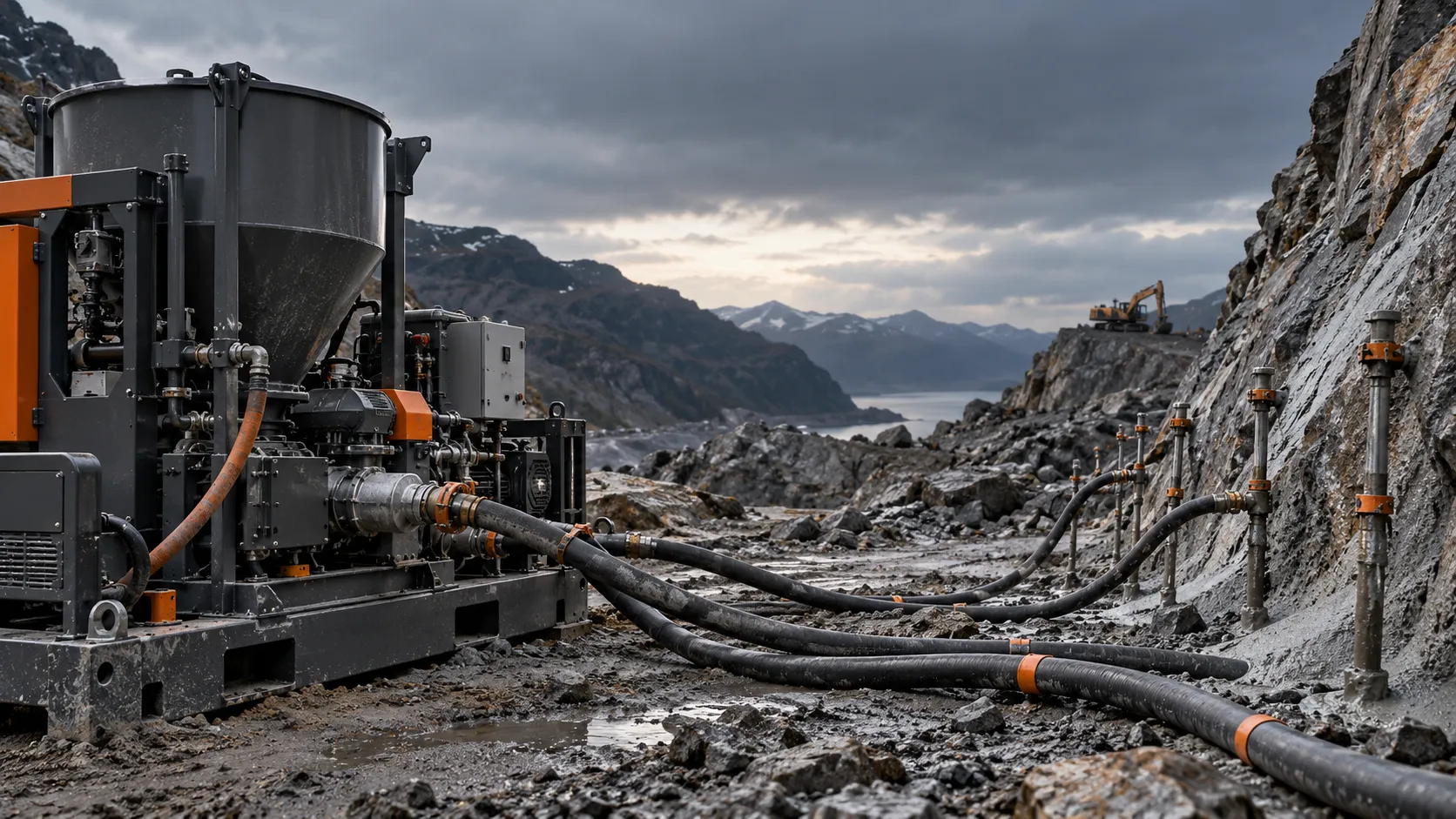

Pressure Grouting
Pressure grouting places grout into the ground to fill voids, strengthen weak areas, or control water movement. The material and installation method depend on the ground and the purpose of the treatment.
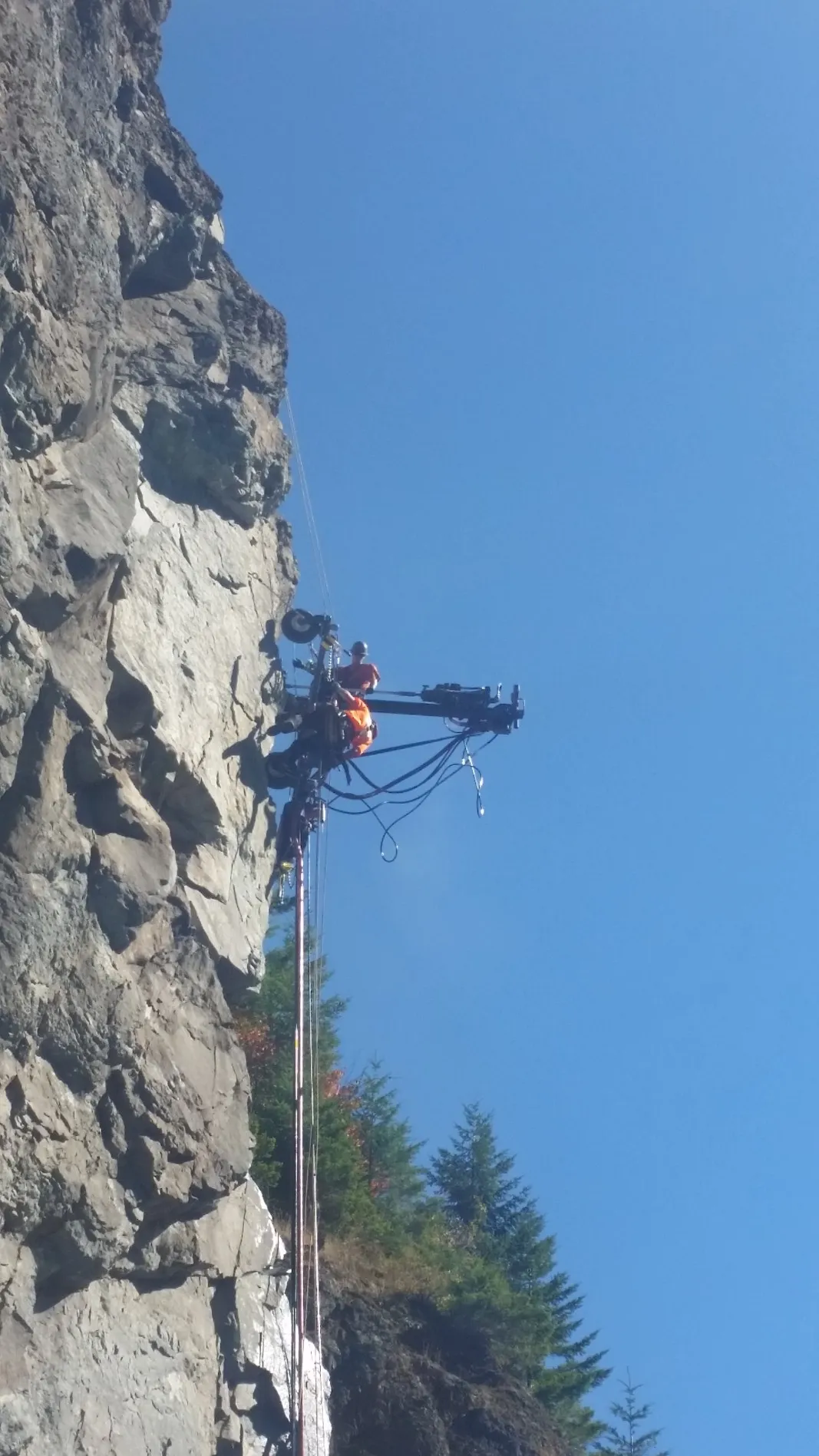

Rock Bolting
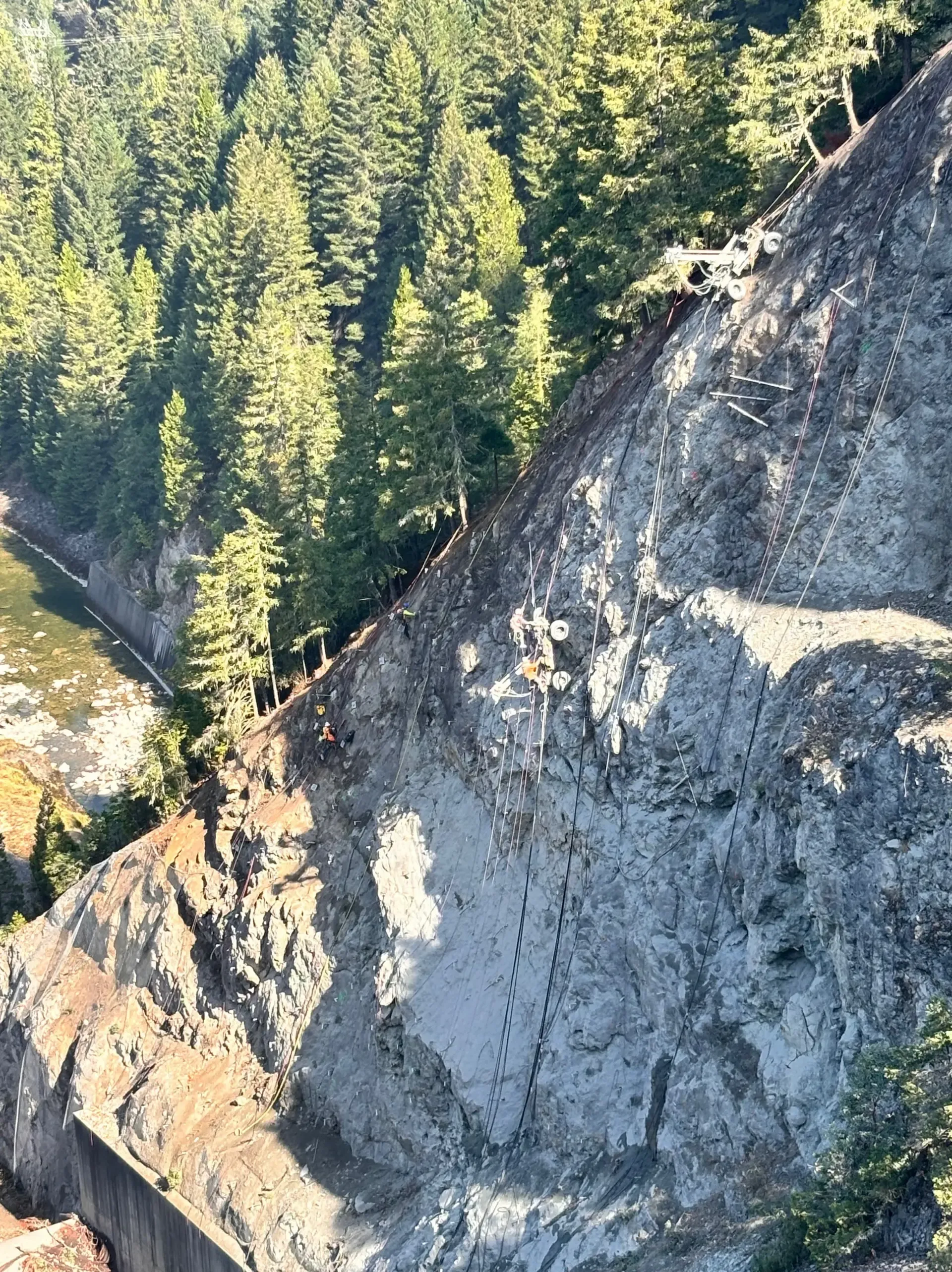
Rock bolting stabilizes fractured, jointed, or unstable rock masses by anchoring steel bars deep into competent rock. By tying loose blocks back to stable substrate, rock bolts improve the overall strength and cohesion of slopes, cuts, tunnels, and vertical faces.
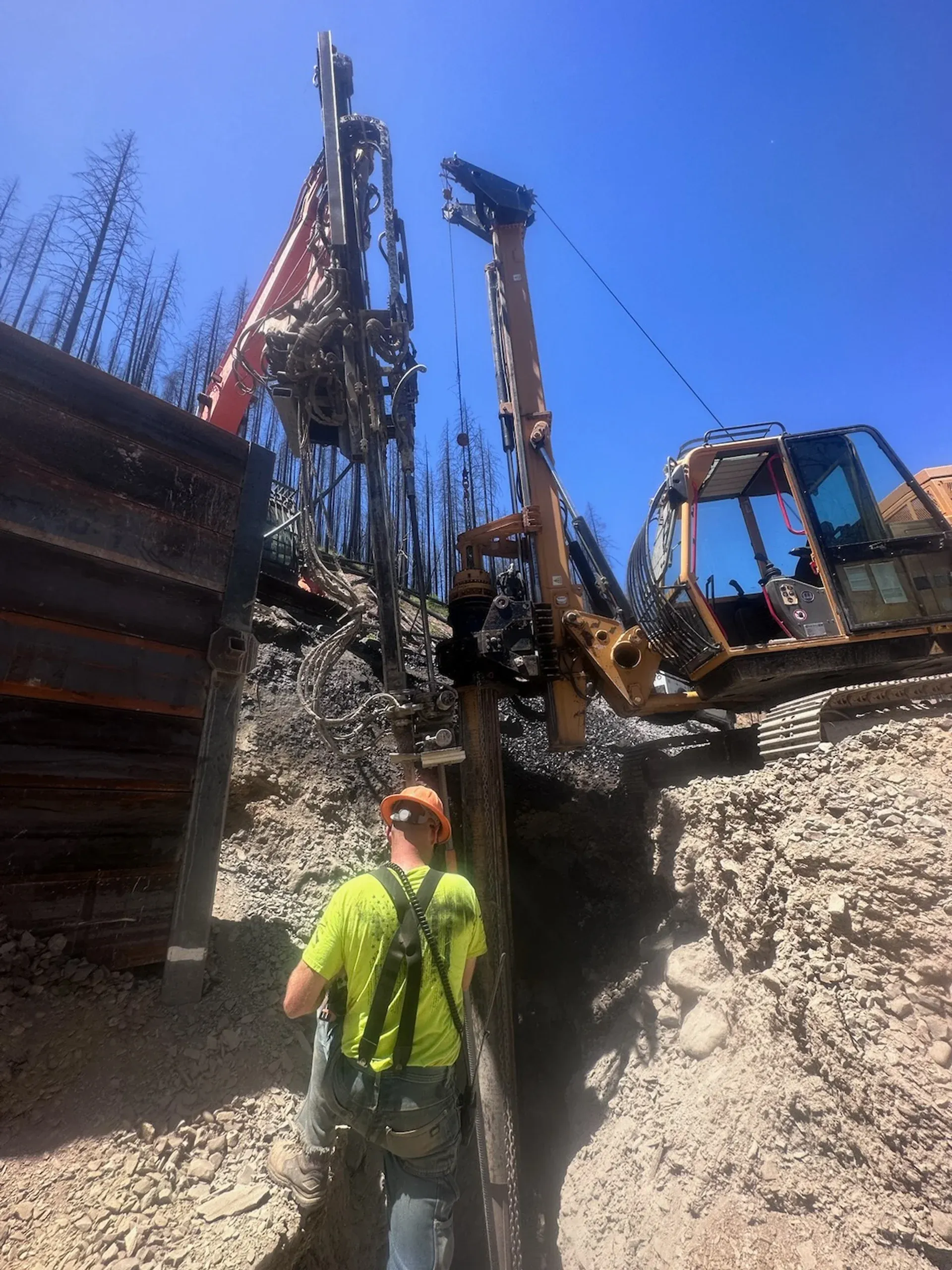

Soldier Pile Walls
Soldier pile walls are proven earth retention systems for stabilizing deep excavations and steep slopes. Steel beams installed at intervals with lagging placed between them provide flexible, economical support that adapts to site constraints.
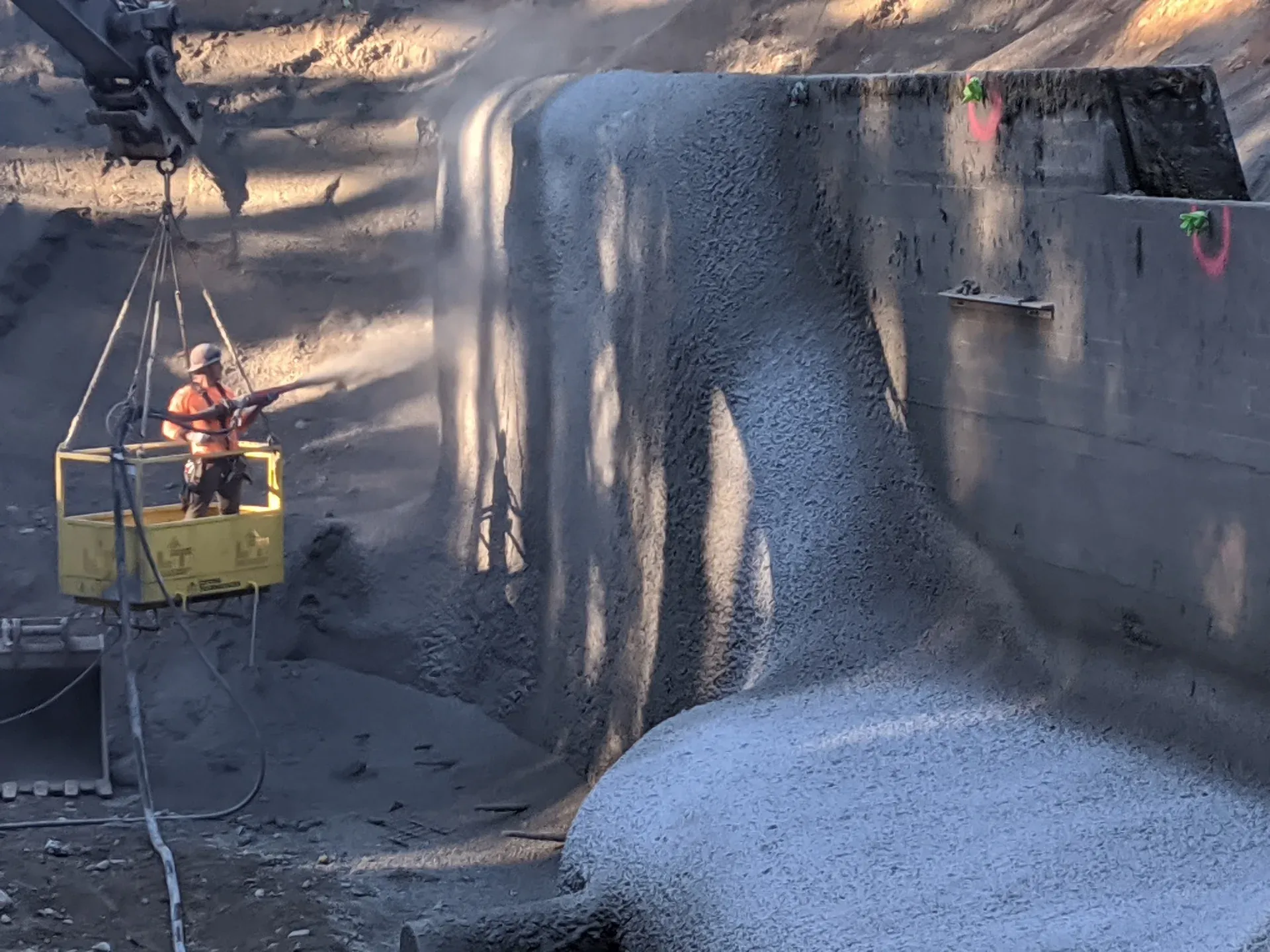

Structural Shotcrete
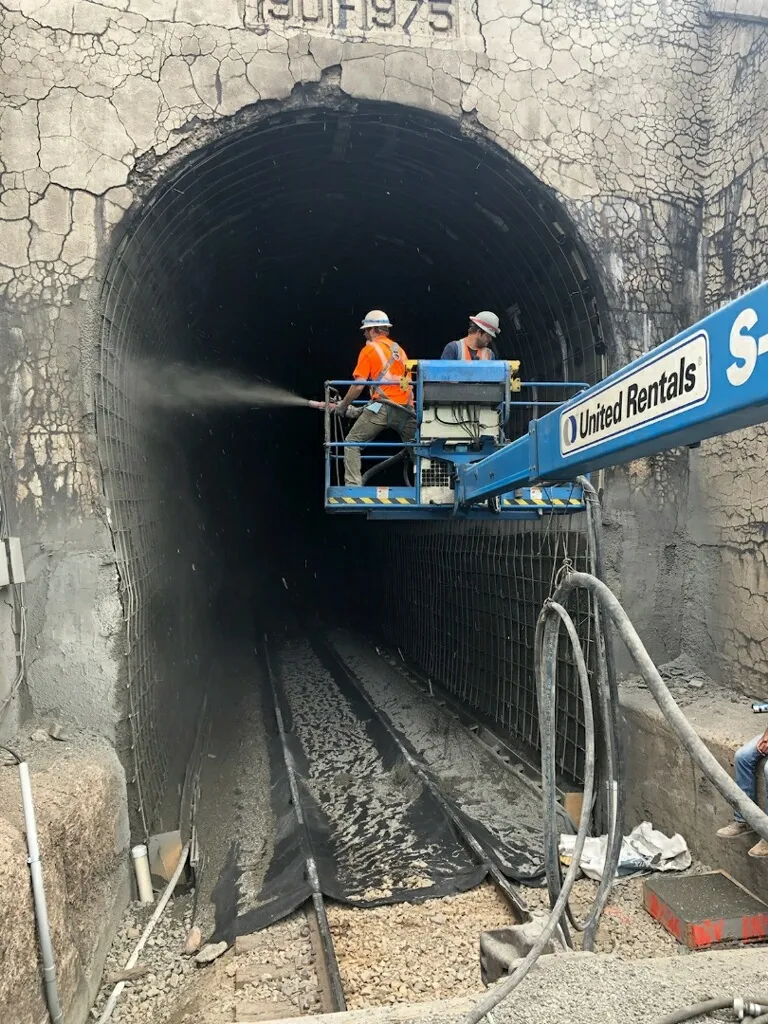
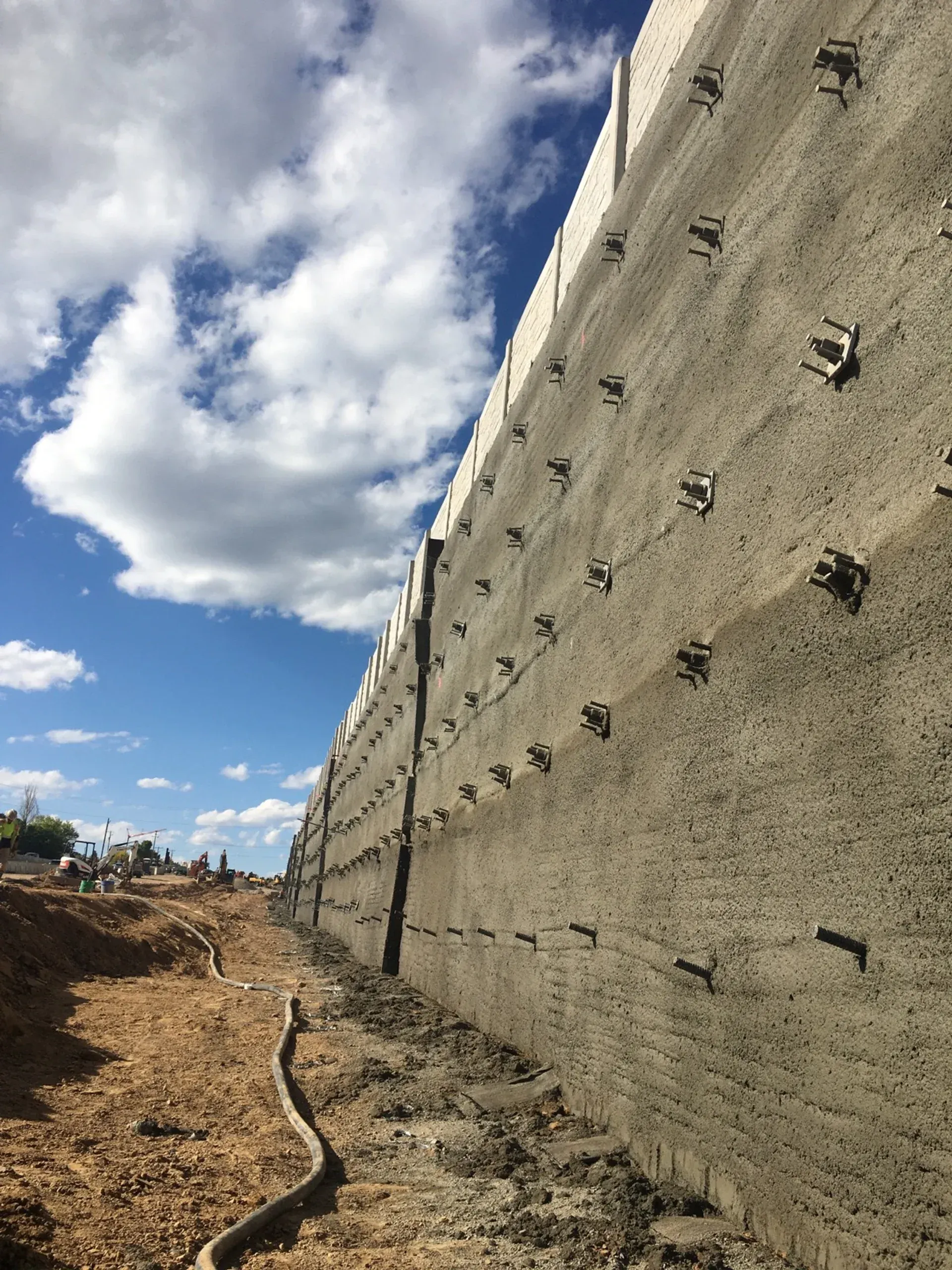
Structural shotcrete is concrete sprayed into place and designed to carry loads. It is used in retaining walls, tunnel linings, and other structures where the concrete needs to follow an irregular surface.

Tieback Anchors
Geotechnical tieback anchors transfer loads from retaining walls and excavation support into stable ground. Explore how drilled-and-grouted anchors work, or discuss installation requirements for your project.
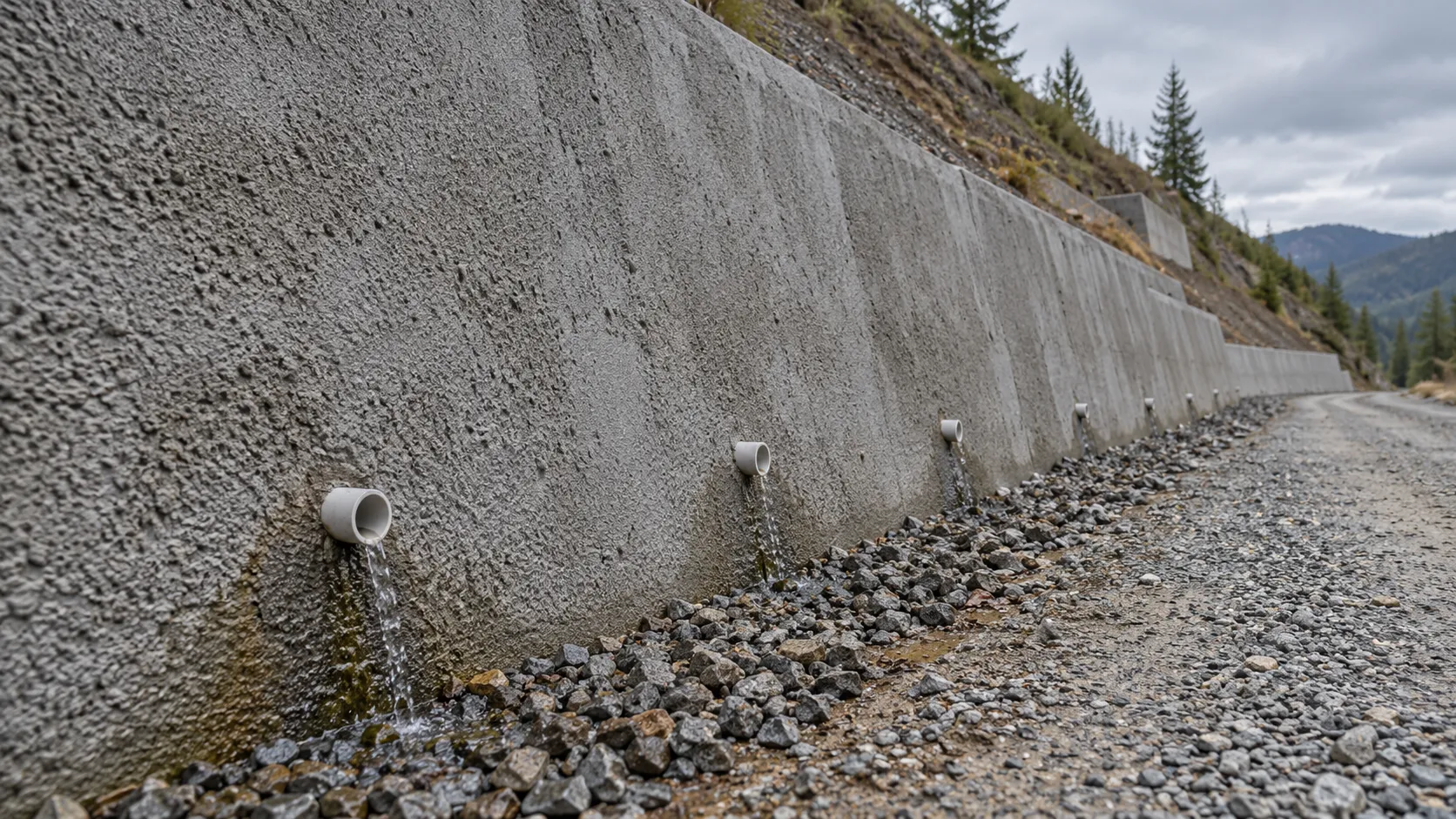

Weep Drains
Weep drains provide outlets for water behind retaining walls and concrete facings. They form part of the drainage system that helps limit water pressure against the structure.
Industries Impacted
We serve these sectors with specialized expertise in their unique challenges and regulatory requirements.

Our Work
See how we've delivered this solution for clients across the country.
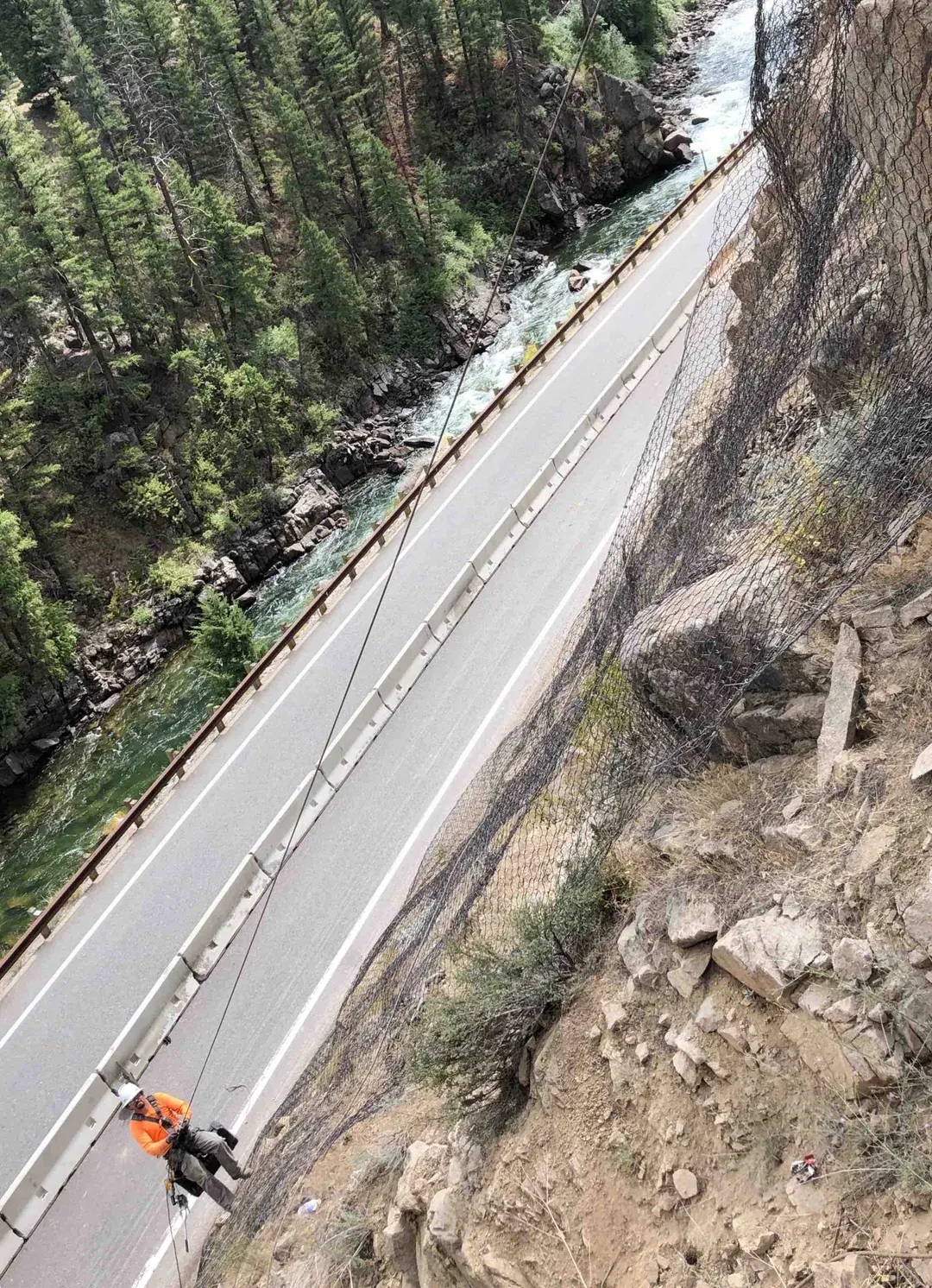
I-70 Corridor Stabilization
Installed 50,000 sq ft of high-tensile mesh and performed extensive scaling after a major weather event.
Lava Hot Springs Slope Stabilization
Multi-phase slope stabilization project protecting the historic hot springs resort and Highway 30 from an active landslide.
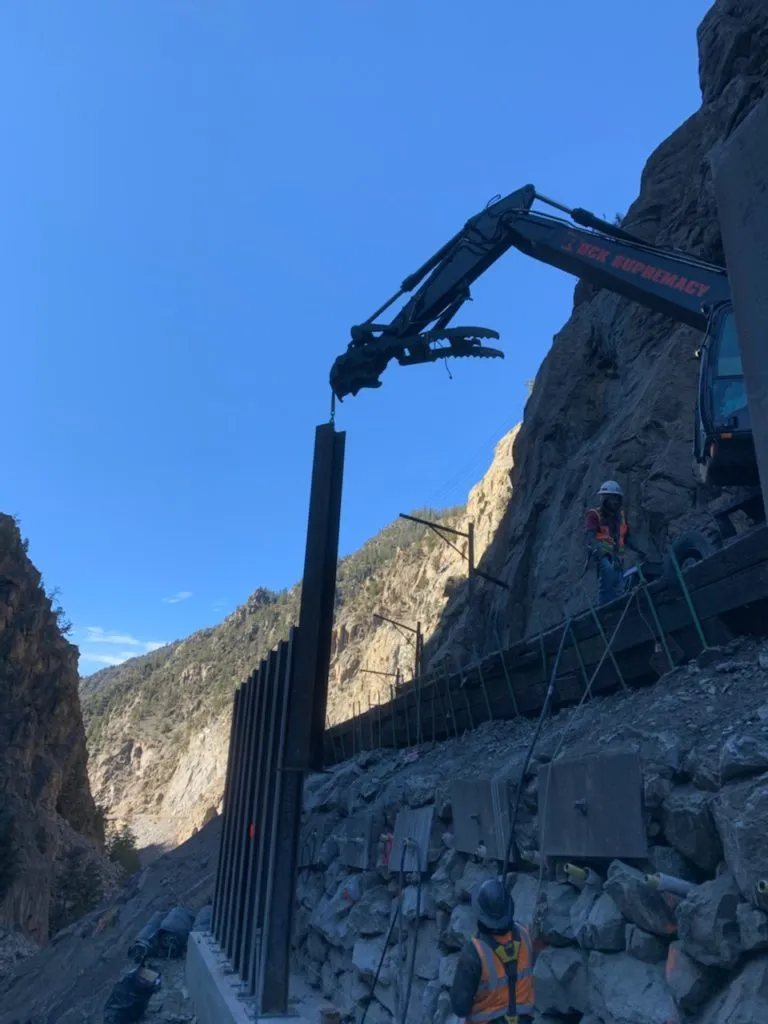
Moffat Subdivision Railroad Stabilization
Large-scale railroad stabilization project with over 10,000 linear feet of drilling to secure train tracks entering the historic Moffat Tunnel.
Foundation & Infrastructure Support FAQ
Our Service Area
Rock Supremacy supports projects across the United States from divisions in Bend, Oregon, and Blountville, Tennessee. Contact us to discuss your location, access, and scheduling needs.
For an active incident, call our team. Dispatch and arrival depend on the hazards, location, access, equipment needs, and crew availability.
Western Division (HQ)
Eastern Division
About Rock Supremacy
Founded in 2011, Rock Supremacy specializes in rockfall mitigation, slope stabilization, and geotechnical construction.
From the steep canyons of Colorado to the coastal bluffs of California, we've developed proven methodologies for stabilizing slopes and protecting critical infrastructure. Our crews are trained to work in the most demanding vertical environments.
Learn More About Us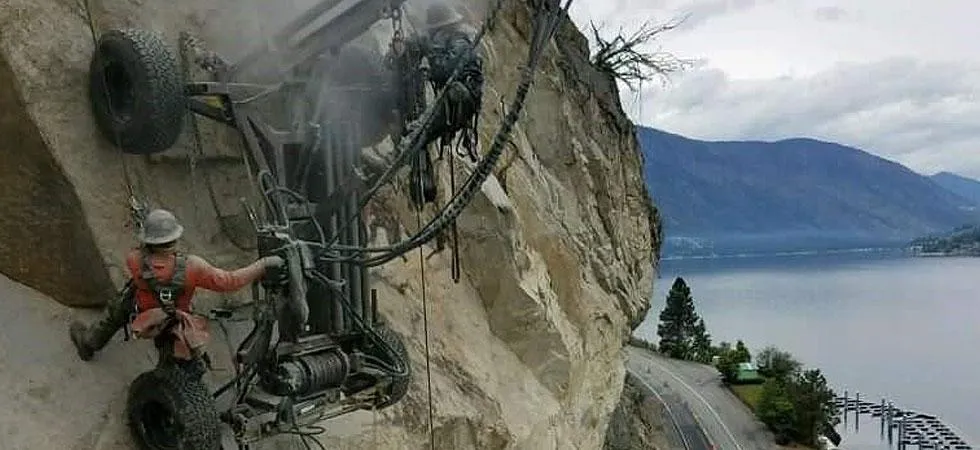
Planning for Safe Work
Site hazards, access, rescue arrangements, and nearby operations shape the work plan. Our crews use safety briefings and equipment inspections to prepare for the work ahead.
Include site induction, training, and crew qualification requirements with your project information. We review these with the owner and construction team before mobilization.
Our Safety ProgramClient Testimonials
Trusted by DOTs, engineering firms, and property owners nationwide.
Deploy Us
Ready to discuss your project? Our team is standing by to assess your site conditions and develop a custom foundation & infrastructure support solution.
Include any licensing, insurance, and crew qualification requirements in your inquiry so we can review them for the project.
Request Consultation
Ready to Get Started?
Our team is standing by 24/7 for emergency response or to schedule a site assessment for your next project.