Landslide Remediation
Comprehensive landslide remediation solutions that stabilize unstable slopes, address root causes of failure, and restore safe conditions for infrastructure and communities with permanent, engineered solutions.
Understanding Landslide Remediation
Landslide remediation requires understanding why slopes fail and addressing all contributing factors. Water is almost always involved: it saturates soils, reduces strength, and adds weight. Our approach combines drainage solutions like horizontal drains and weep drains with structural reinforcement to both remove the driving forces and increase resistance to movement.
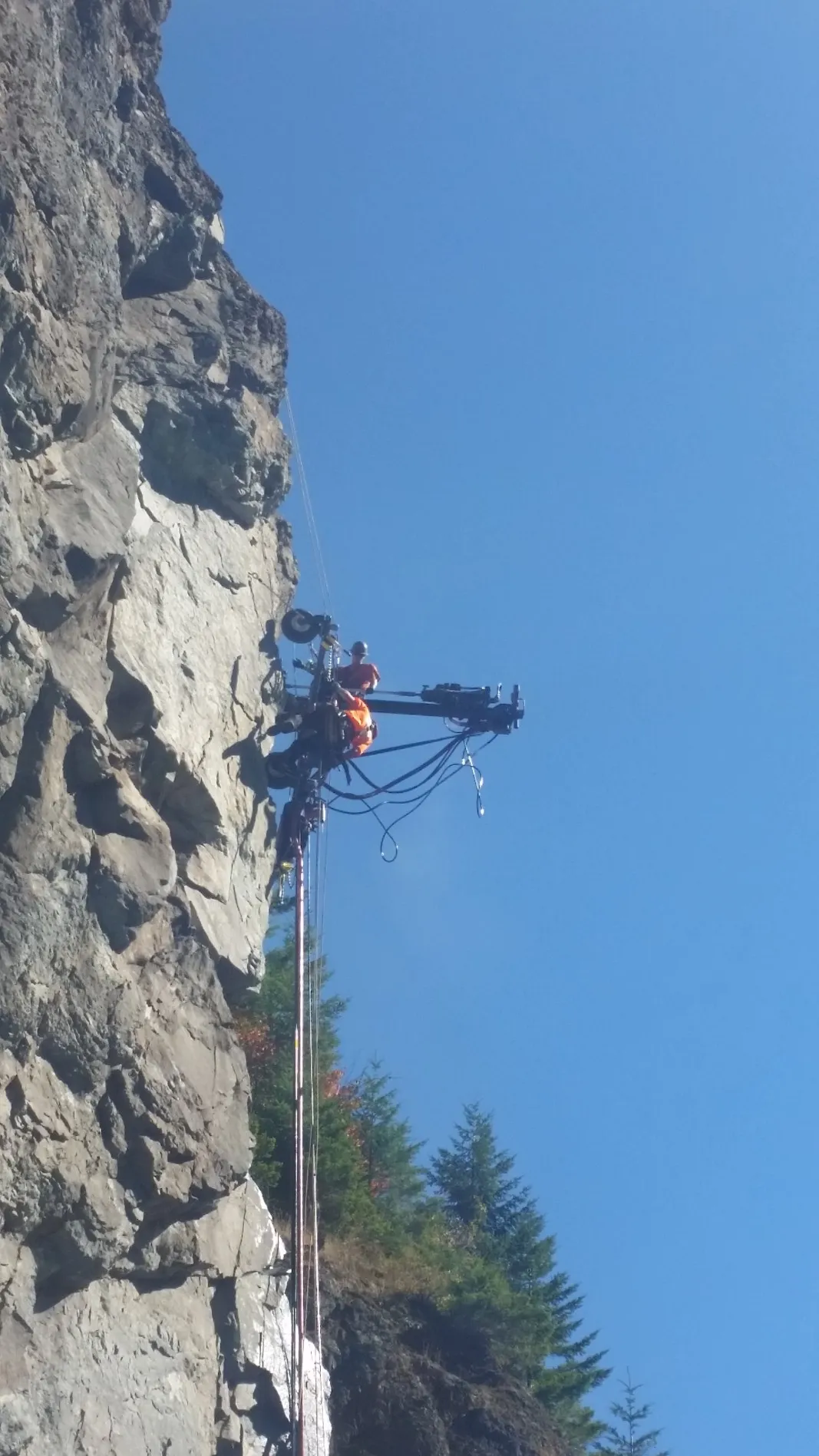
For active slides, we deploy techniques matched to the failure depth and mechanism. Shallow failures often respond to soil nailing combined with structural shotcrete facing. Deep-seated movements require high-capacity tieback anchors or micropiles that transfer loads to stable ground below the failure surface. Our drilling capabilities allow installation of reinforcement in virtually any ground condition.
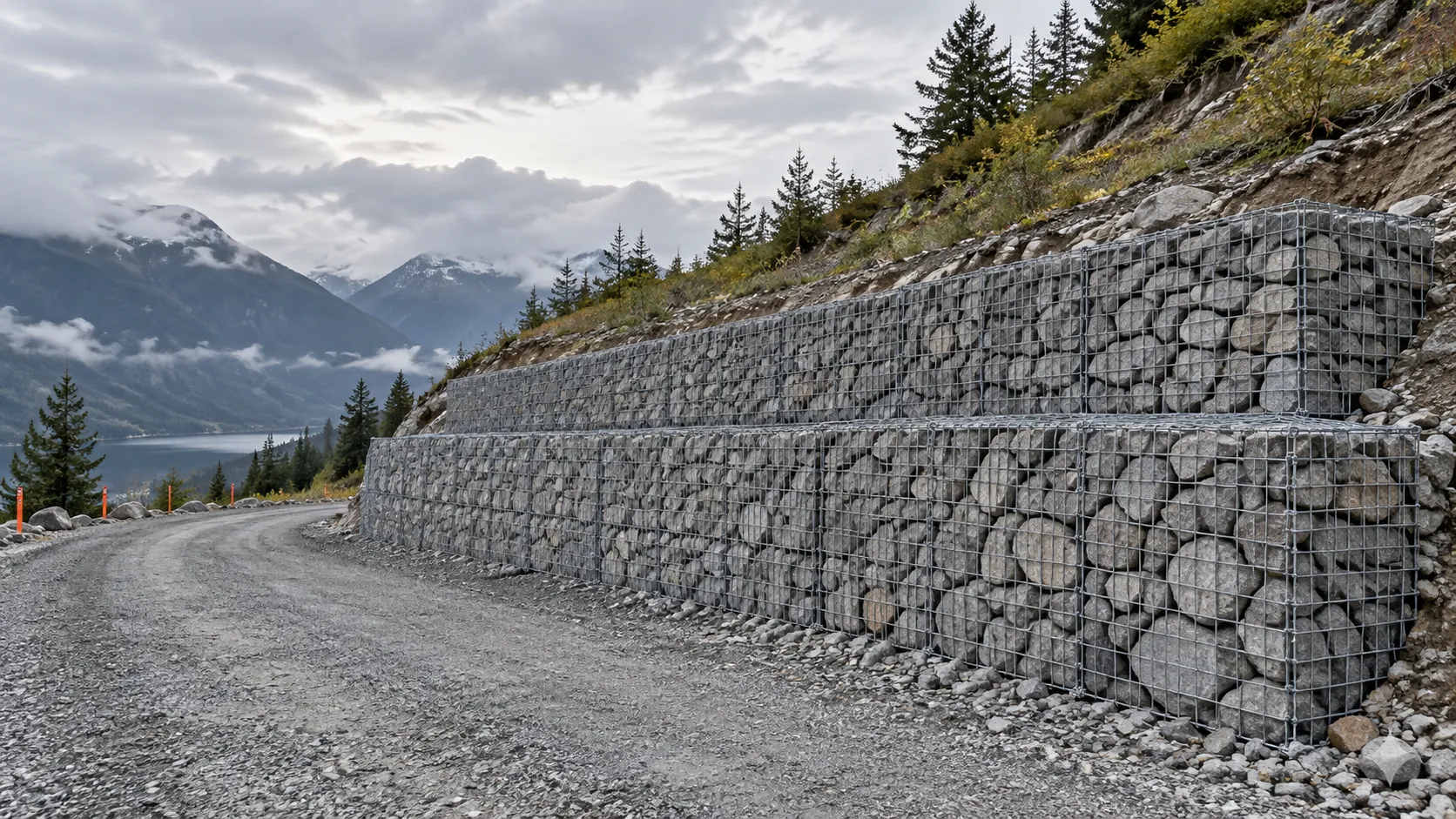
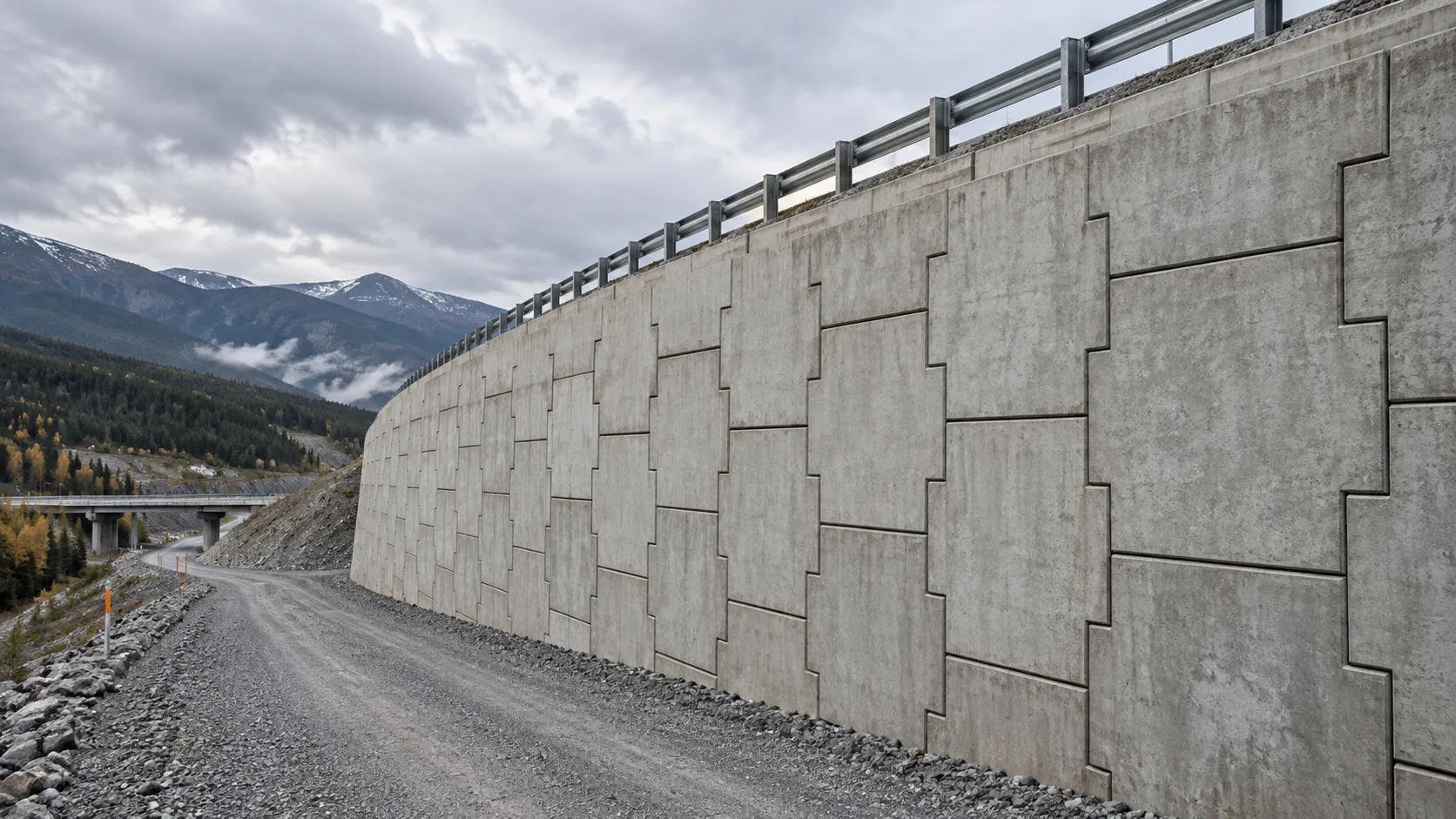
Retaining structures are often essential for landslide repair. Soldier pile walls provide rapid construction when access is limited. MSE walls allow reconstruction of failed slopes with engineered fill. Gabion baskets offer flexible retention that accommodates some ongoing movement while drainage takes effect.
Successful remediation depends on understanding the complete picture. Our geotechnical investigation services identify failure surfaces, water pathways, and soil properties. Slope monitoring confirms that repairs are working and provides early warning if conditions change. This integrated approach (investigation, construction, and monitoring) is what makes landslide repairs last.
When Slopes Fail: Understanding Landslide Hazards
Landslides pose immediate threats to life, property, and critical infrastructure. Once ground begins to move, the situation can escalate rapidly from minor slumping to catastrophic failure, causing road closures, structural damage, utility disruption, and environmental destruction. Early recognition of warning signs allows intervention before small problems become major failures.
Without proper intervention, these conditions typically worsen over time. Early assessment and appropriate remediation can prevent costly emergency repairs and protect the assets and people that depend on stable ground.
Common Causes
- Heavy rainfall and prolonged water saturation
- Groundwater seepage and elevated pore pressures
- Erosion and undermining at slope toe
- Removal of vegetation or root structure
- Slope undercutting from construction or natural erosion
- Additional loading from structures or fill placement
- Seismic activity and earthquake loading
- Freeze-thaw cycles in clay-rich soils
- Weak clay layers or slip-prone geology
- Failed or inadequate drainage systems
Our Systematic Approach to Landslide Remediation
We address landslides through a comprehensive engineering process that stops immediate movement, identifies root causes through investigation, and implements permanent stabilization solutions. Every remediation is custom-designed based on site-specific conditions, there are no one-size-fits-all solutions for landslides.
Emergency Response & Assessment
Our team rapidly deploys to assess the extent of movement, identify immediate hazards, and implement emergency stabilization measures. We document conditions, establish monitoring points, and develop interim protection to prevent further damage while permanent solutions are designed.
Geotechnical Investigation
We conduct thorough subsurface investigations including drilling, soil sampling, groundwater monitoring, and inclinometer installation to locate failure surfaces and understand the failure mechanism. This data is essential for designing repairs that address root causes rather than symptoms.
Engineering Analysis & Design
Our engineers analyze slope stability using industry-standard software, evaluate multiple remediation alternatives, and design solutions optimized for effectiveness, constructability, and cost. Designs address all contributing factors, drainage, reinforcement, erosion protection, for comprehensive repair.
Drainage Solutions
Water is the primary driver in most landslides. We install horizontal drains to lower groundwater tables, French drains to intercept surface water, and collection systems to manage flow. Drainage reduces groundwater pressures that can contribute to movement.
Structural Stabilization
Depending on failure depth and mechanism, we deploy soil nails for shallow failures, high-capacity tieback anchors for deep-seated slides, micropile walls for structural support, or MSE walls for reconstruction. Techniques are matched to site conditions for optimal performance.
Monitoring & Verification
Post-remediation monitoring confirms stabilization performance and provides early warning if conditions change. We install inclinometers, piezometers, and survey monuments to track long-term behavior. This data validates repairs and informs maintenance requirements.
How We Deliver
Our field services deliver comprehensive solutions tailored to your specific site conditions and requirements.
Why Choose Rock Supremacy
Techniques We Use
Proven engineering methods that deliver long-term stability and protection.

Gabion Baskets
Gabion baskets are wire containers filled with rock. They can retain soil, protect streambanks, or support slopes while allowing water to pass through the rock fill.

Horizontal Drains
Explore drilled drainage for slopes and landslide repair, then discuss installation access, ground conditions, and the drainage scope for your project.

Micropiles
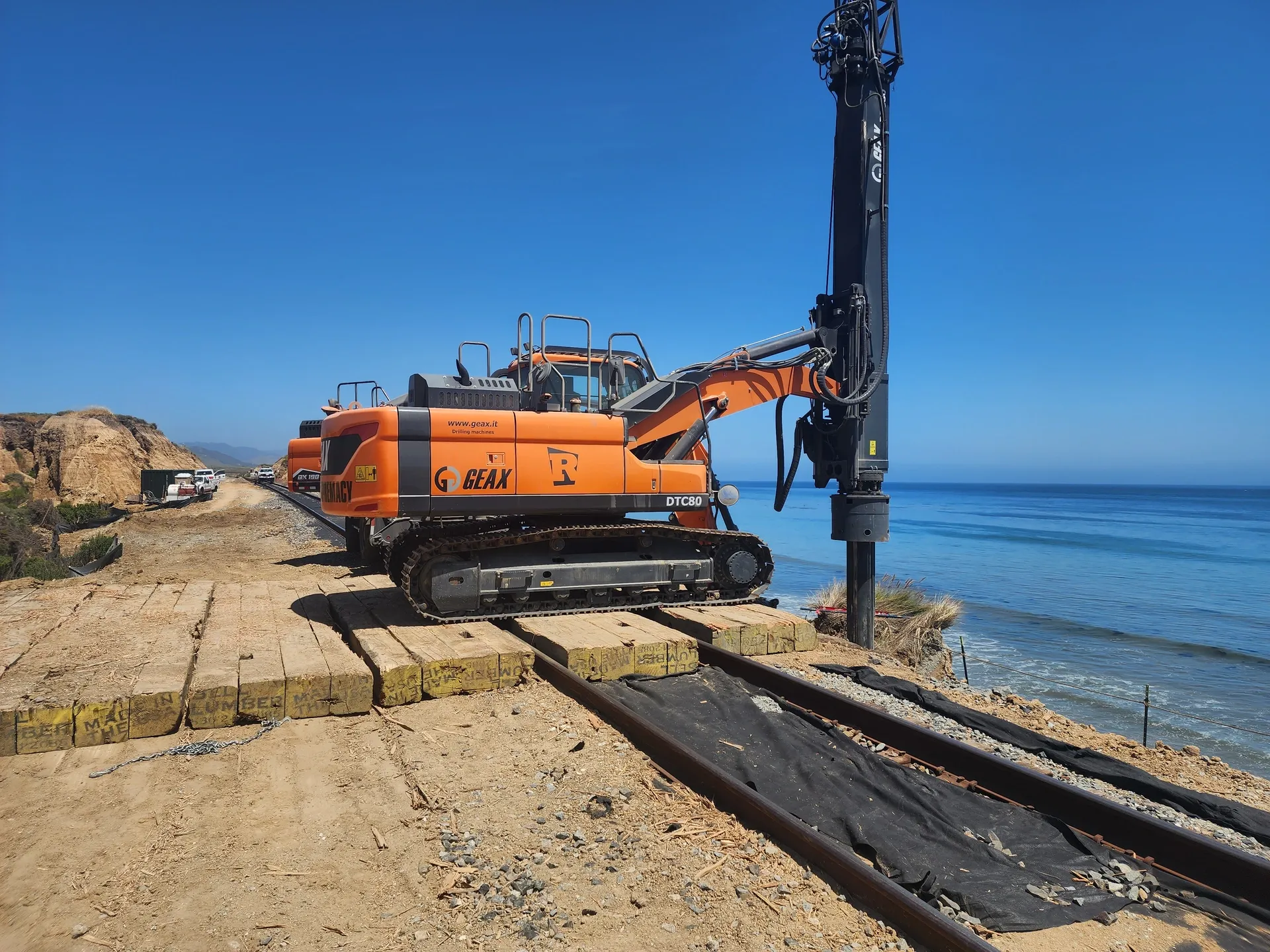
Micropiles are small drilled foundation elements that transfer structural loads into suitable ground. They are useful where access is restricted or an existing foundation needs additional support.

Mechanically Stabilized Earth (MSE) Walls
MSE walls are reinforced soil retaining structures built using engineered backfill and steel or geosynthetic reinforcement layers. Faced with precast panels, welded wire baskets, or vegetated facings, MSE walls provide cost-effective, flexible earth retention for infrastructure and commercial projects.
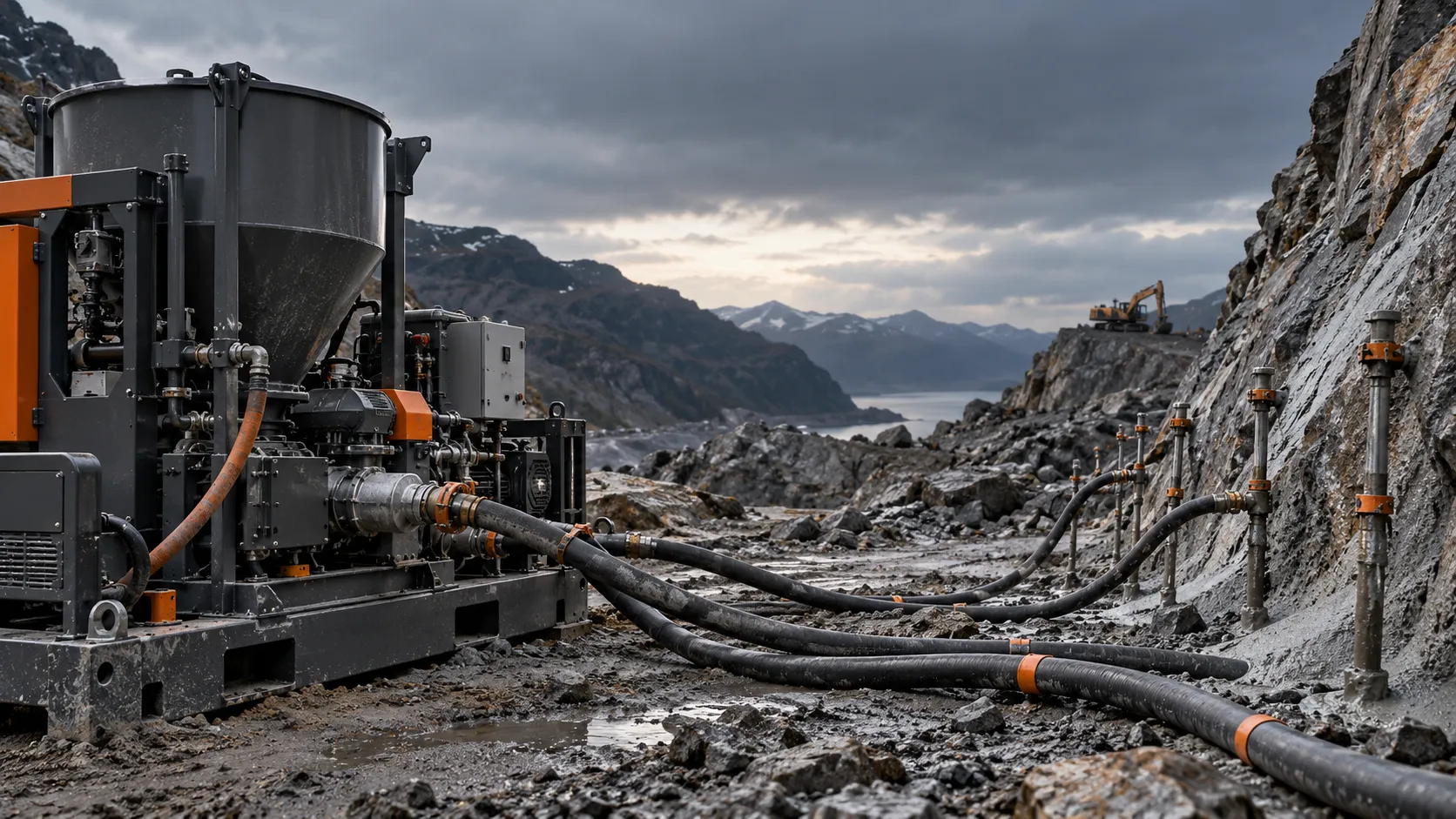

Pressure Grouting
Pressure grouting places grout into the ground to fill voids, strengthen weak areas, or control water movement. The material and installation method depend on the ground and the purpose of the treatment.
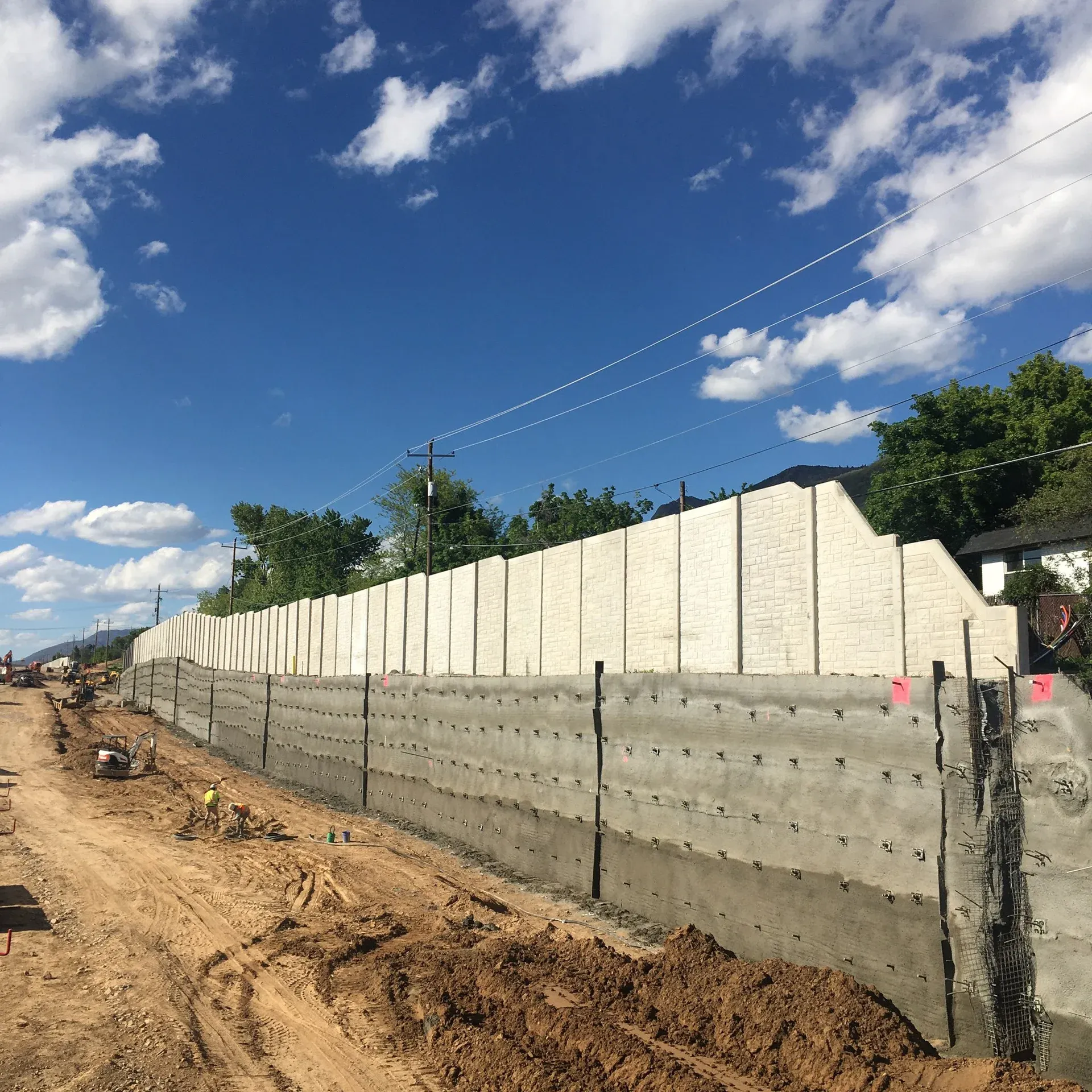

Soil Nailing
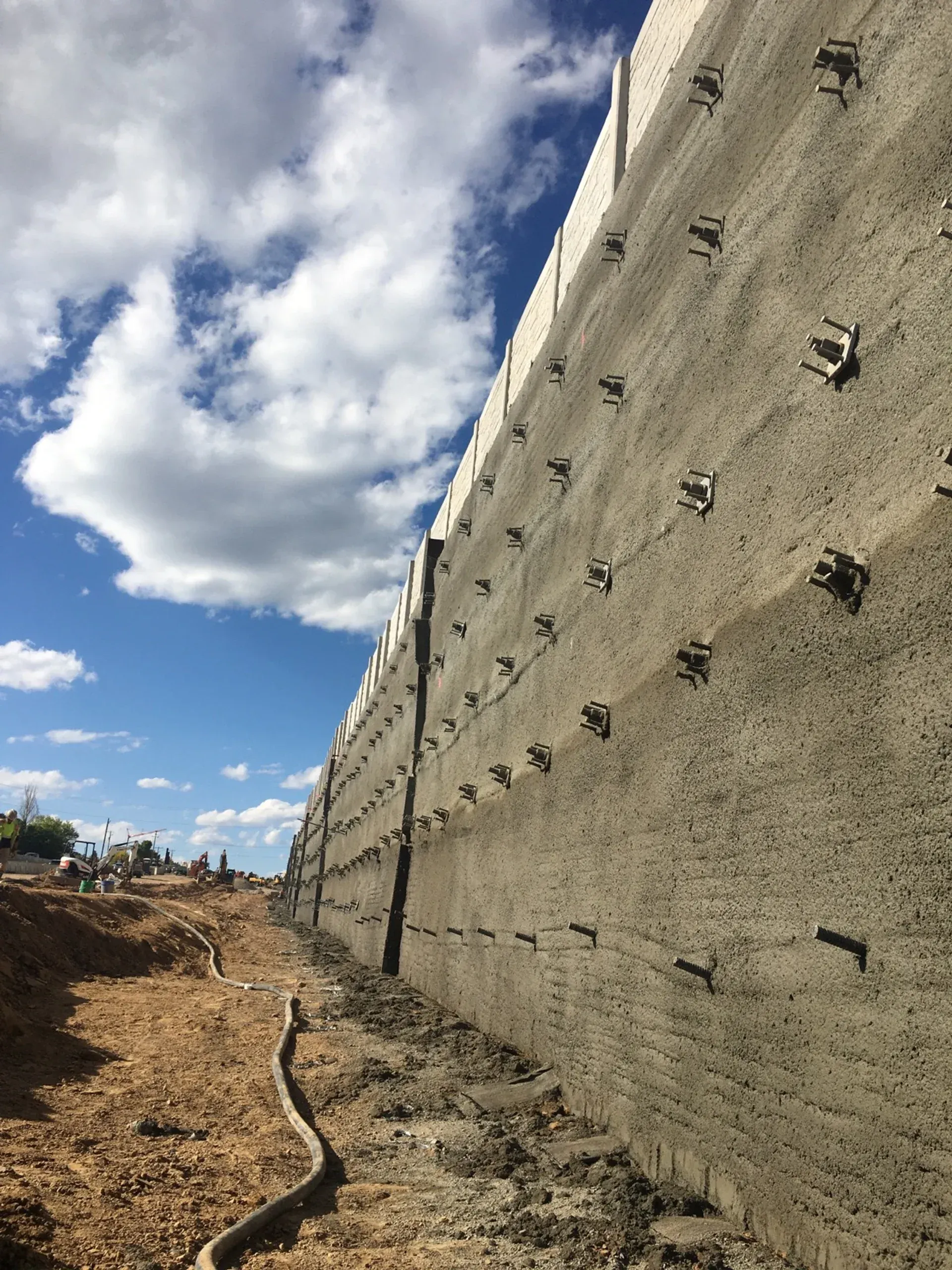
Learn how soil nails, grout, facing, and drainage form an earth retention system. Explore construction methods and design considerations, or discuss soil nail installation for your project.
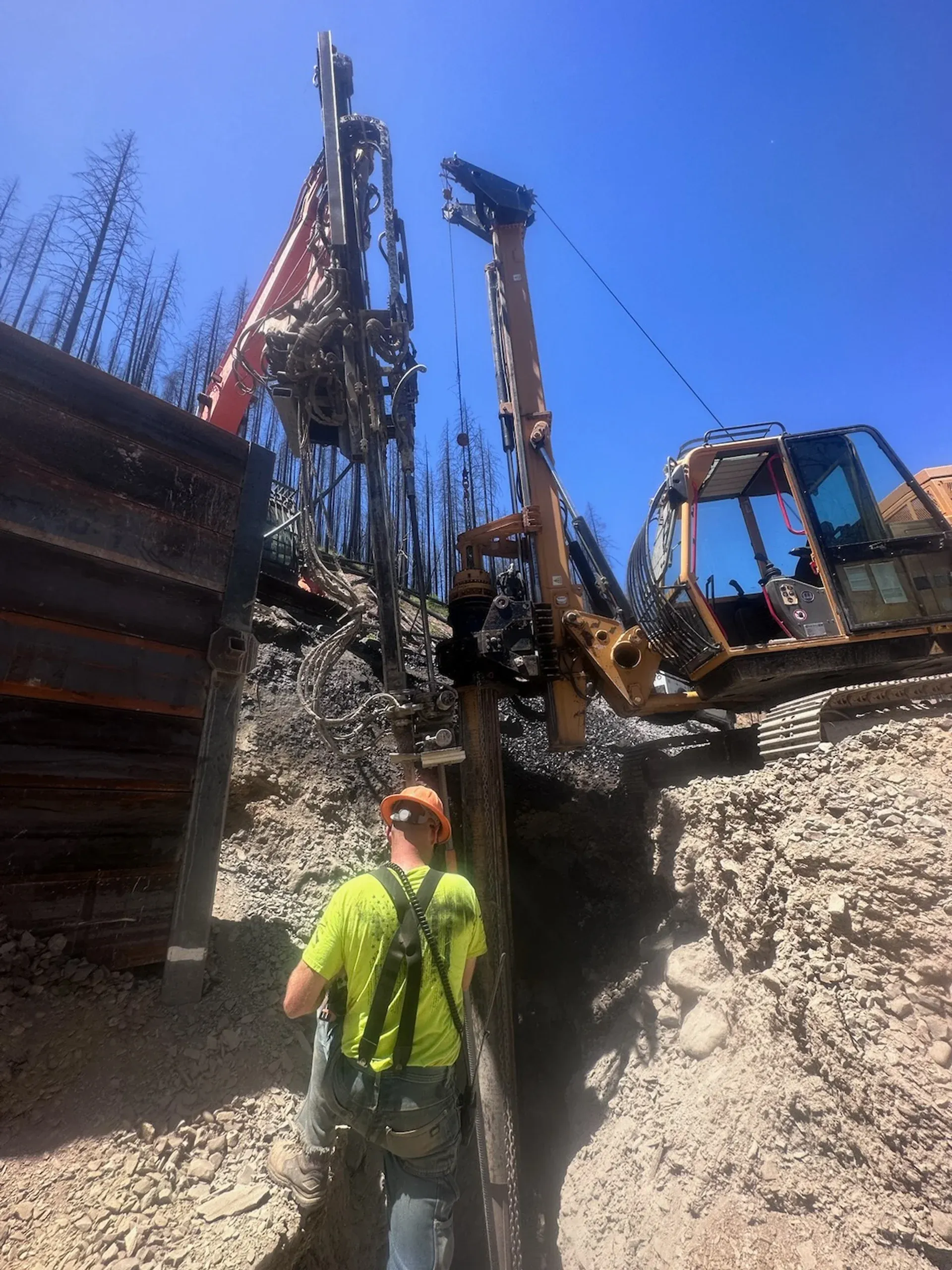

Soldier Pile Walls
Soldier pile walls are proven earth retention systems for stabilizing deep excavations and steep slopes. Steel beams installed at intervals with lagging placed between them provide flexible, economical support that adapts to site constraints.
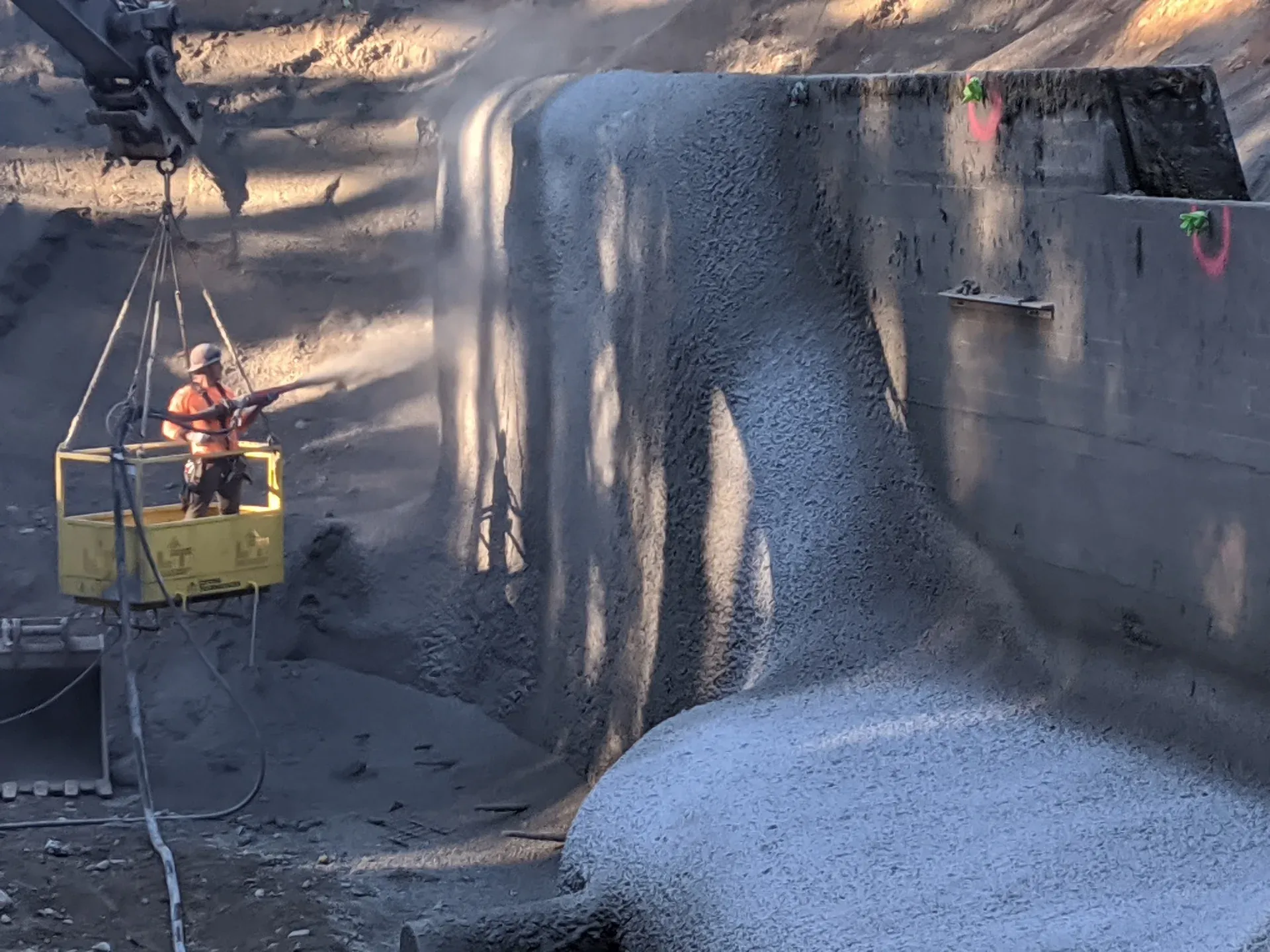

Structural Shotcrete
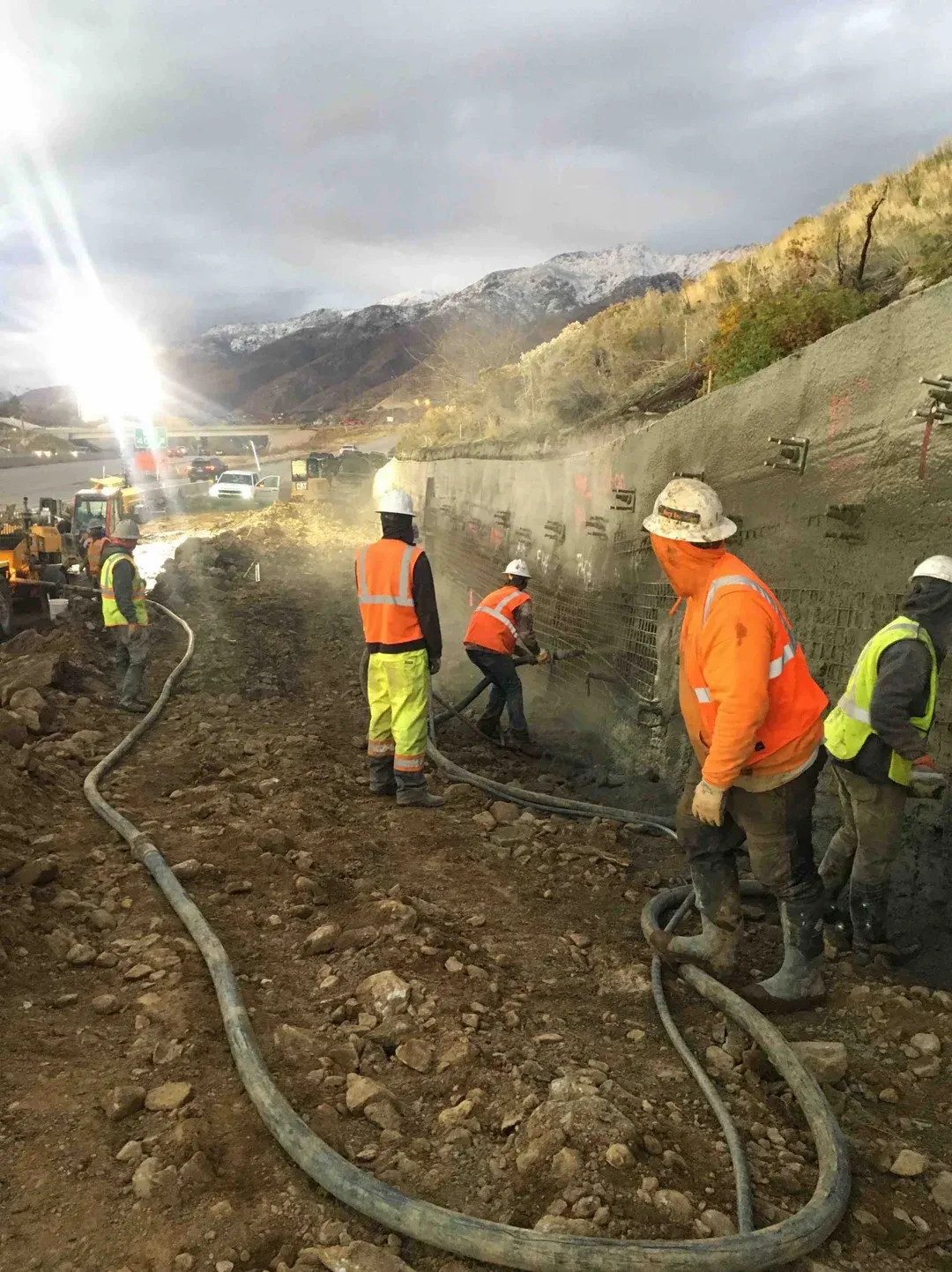
Structural shotcrete is concrete sprayed into place and designed to carry loads. It is used in retaining walls, tunnel linings, and other structures where the concrete needs to follow an irregular surface.
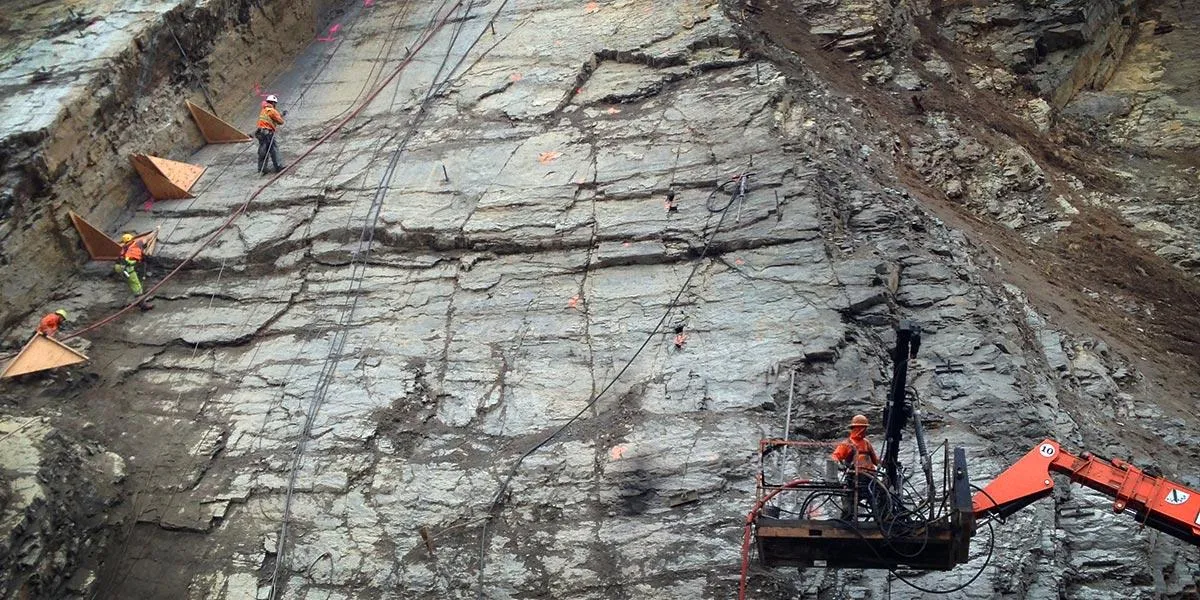

Tieback Anchors
Geotechnical tieback anchors transfer loads from retaining walls and excavation support into stable ground. Explore how drilled-and-grouted anchors work, or discuss installation requirements for your project.
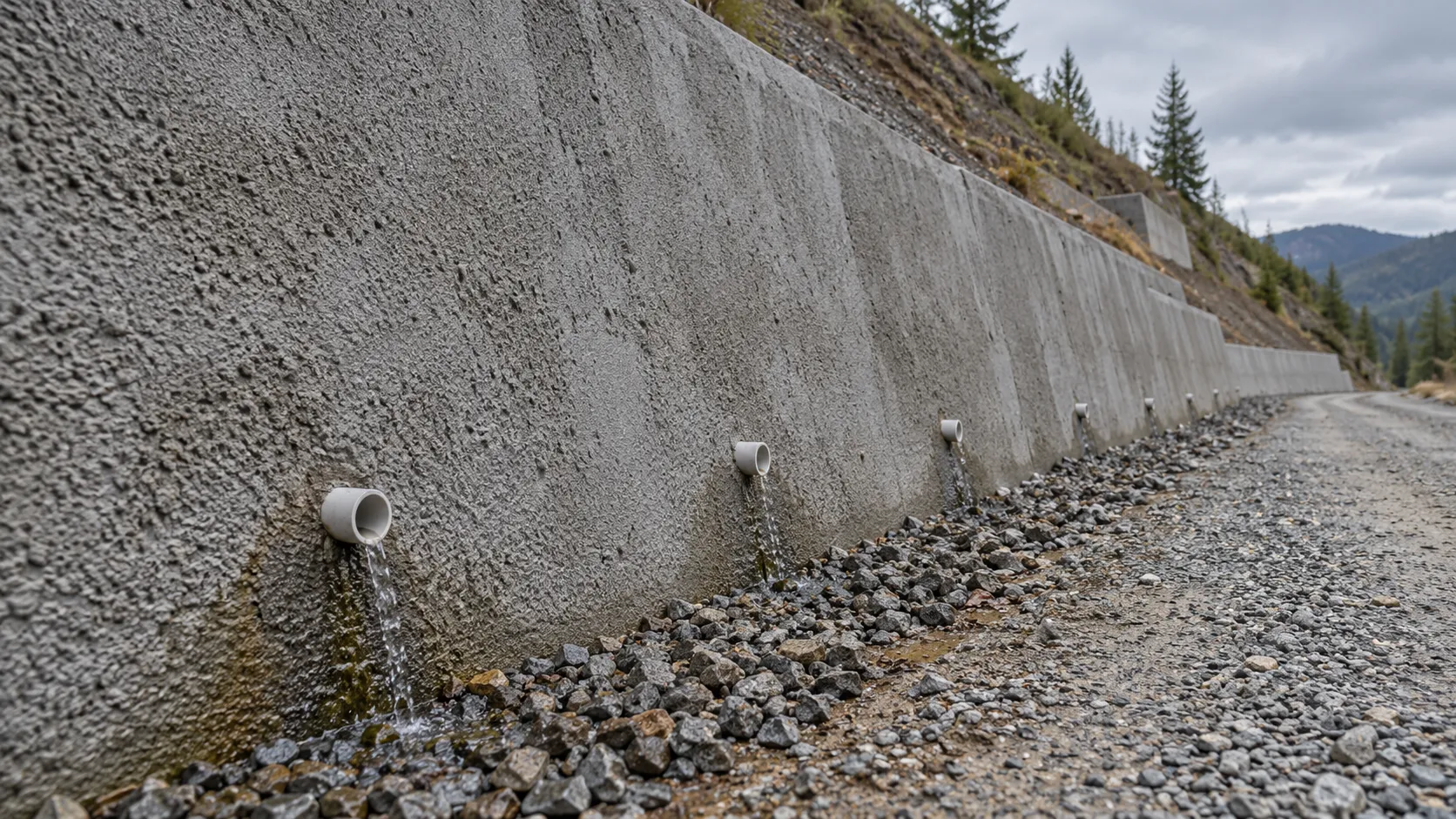

Weep Drains
Weep drains provide outlets for water behind retaining walls and concrete facings. They form part of the drainage system that helps limit water pressure against the structure.
Industries Impacted
We serve these sectors with specialized expertise in their unique challenges and regulatory requirements.

Our Work
See how we've delivered this solution for clients across the country.
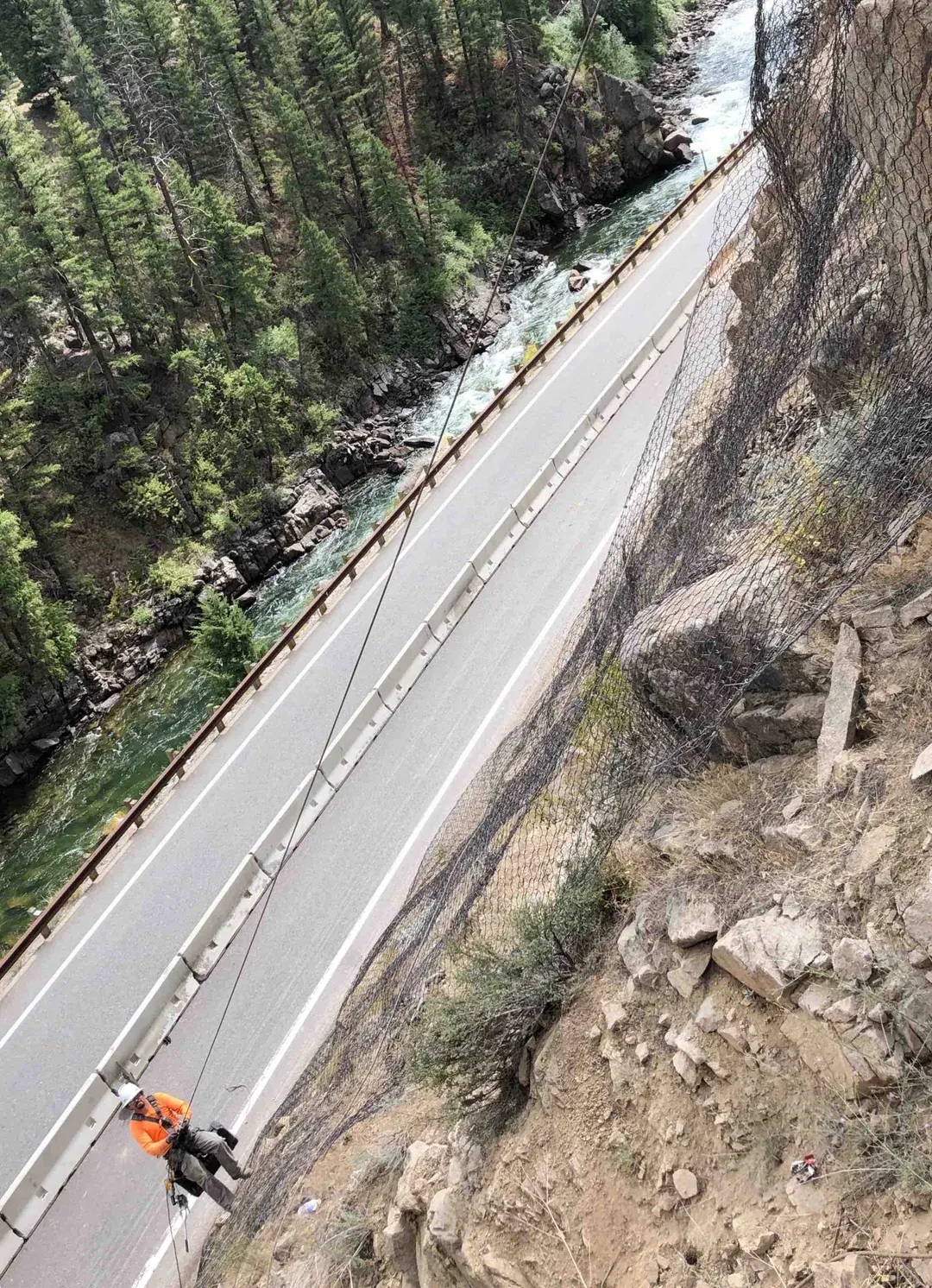
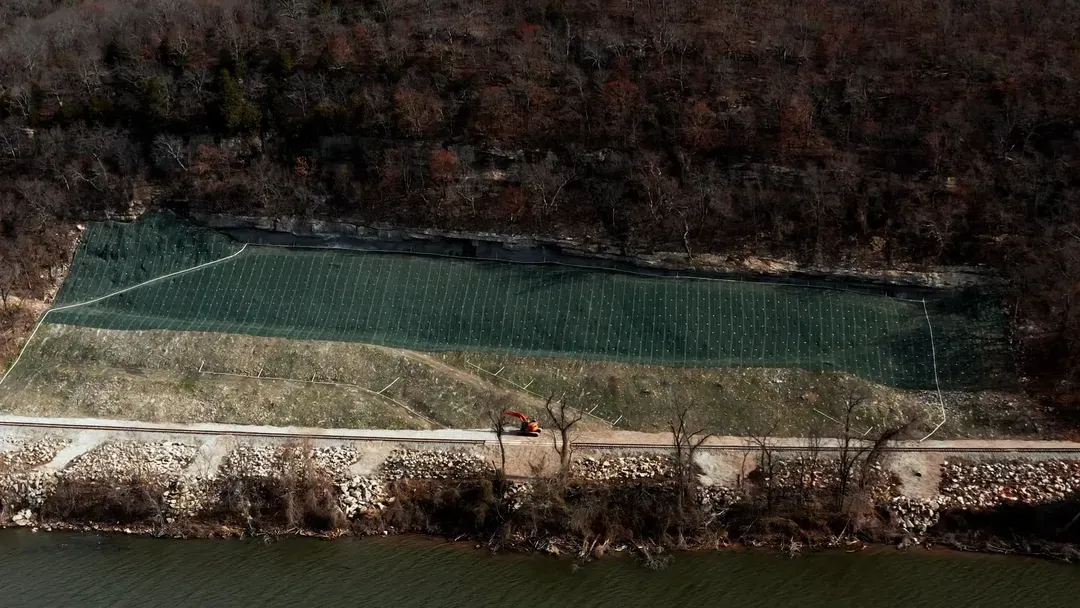
I-70 Corridor Stabilization
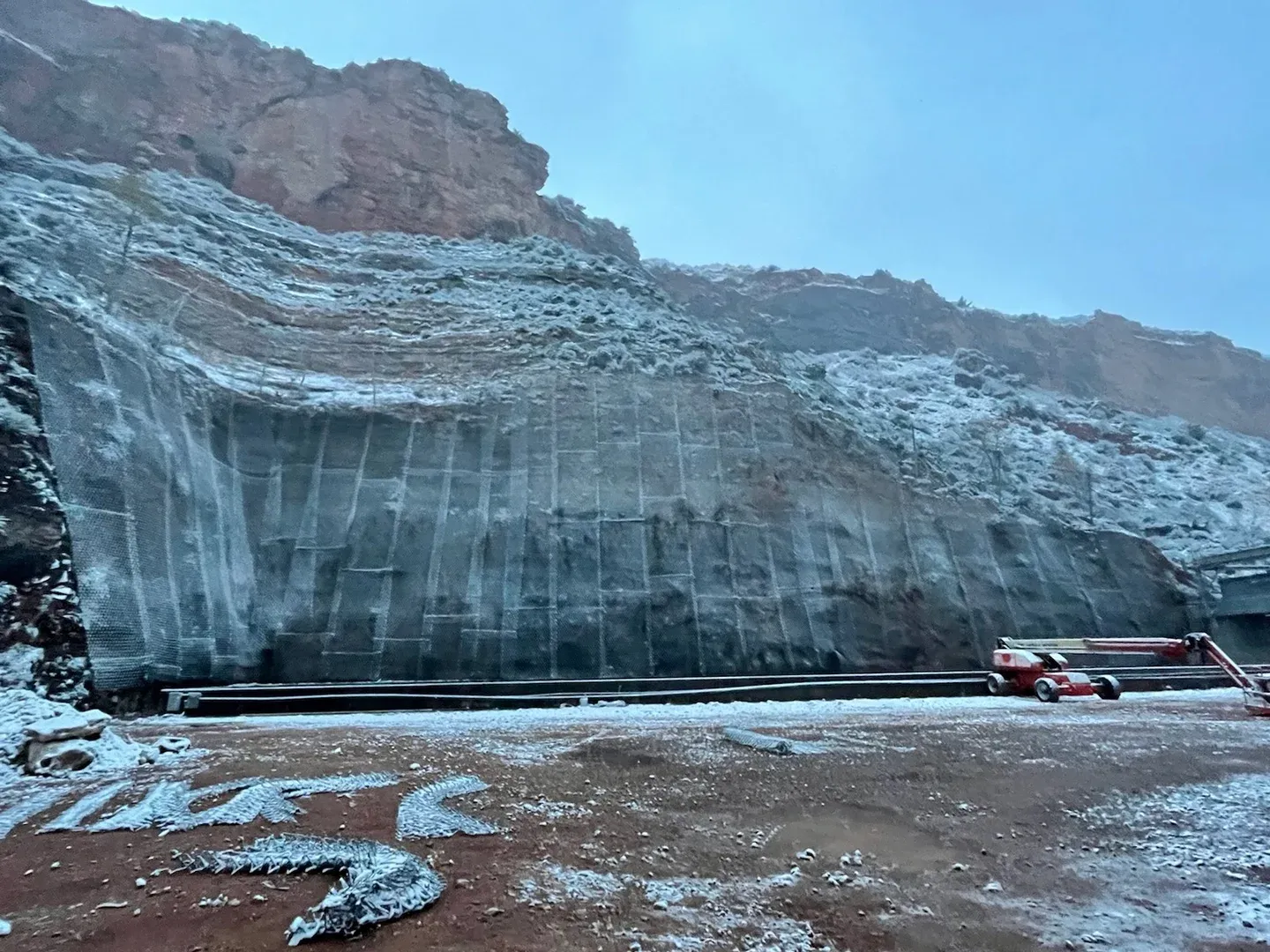
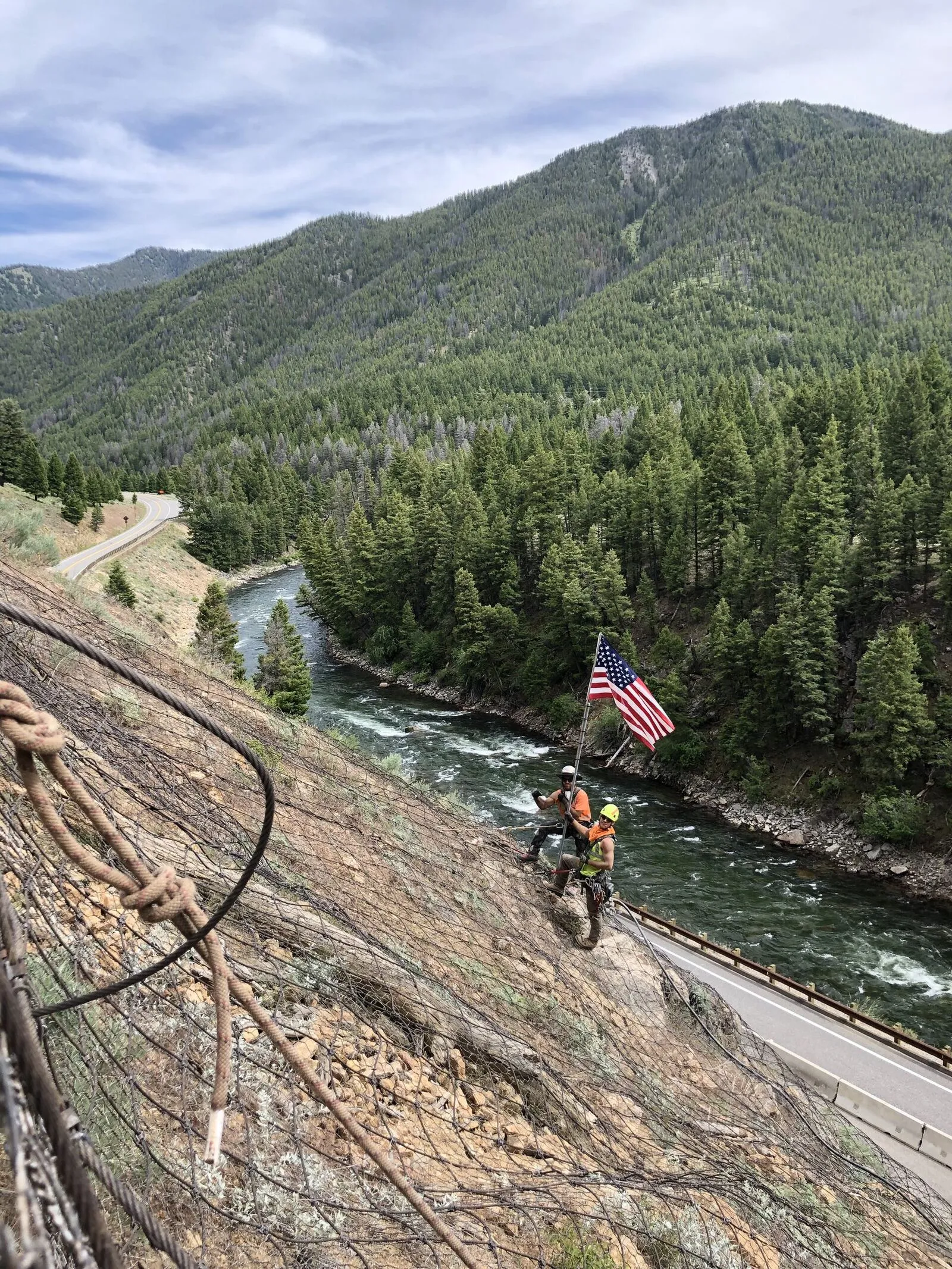
Installed 50,000 sq ft of high-tensile mesh and performed extensive scaling after a major weather event.
Ketchum-Challis Highway Scaling
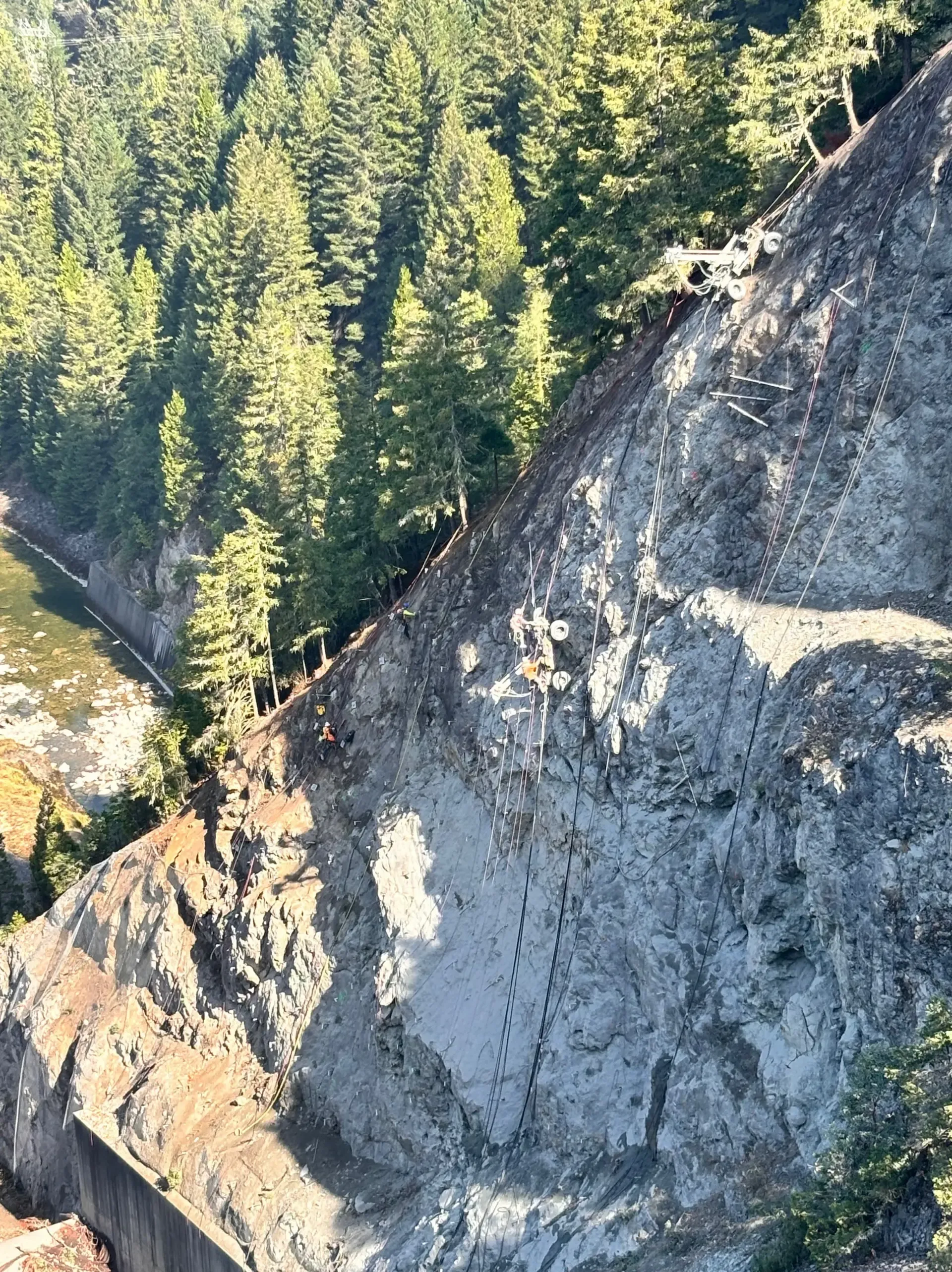
Large-scale rock scaling and mesh installation along 3 miles of Highway 75 through the Sawtooth Mountains.
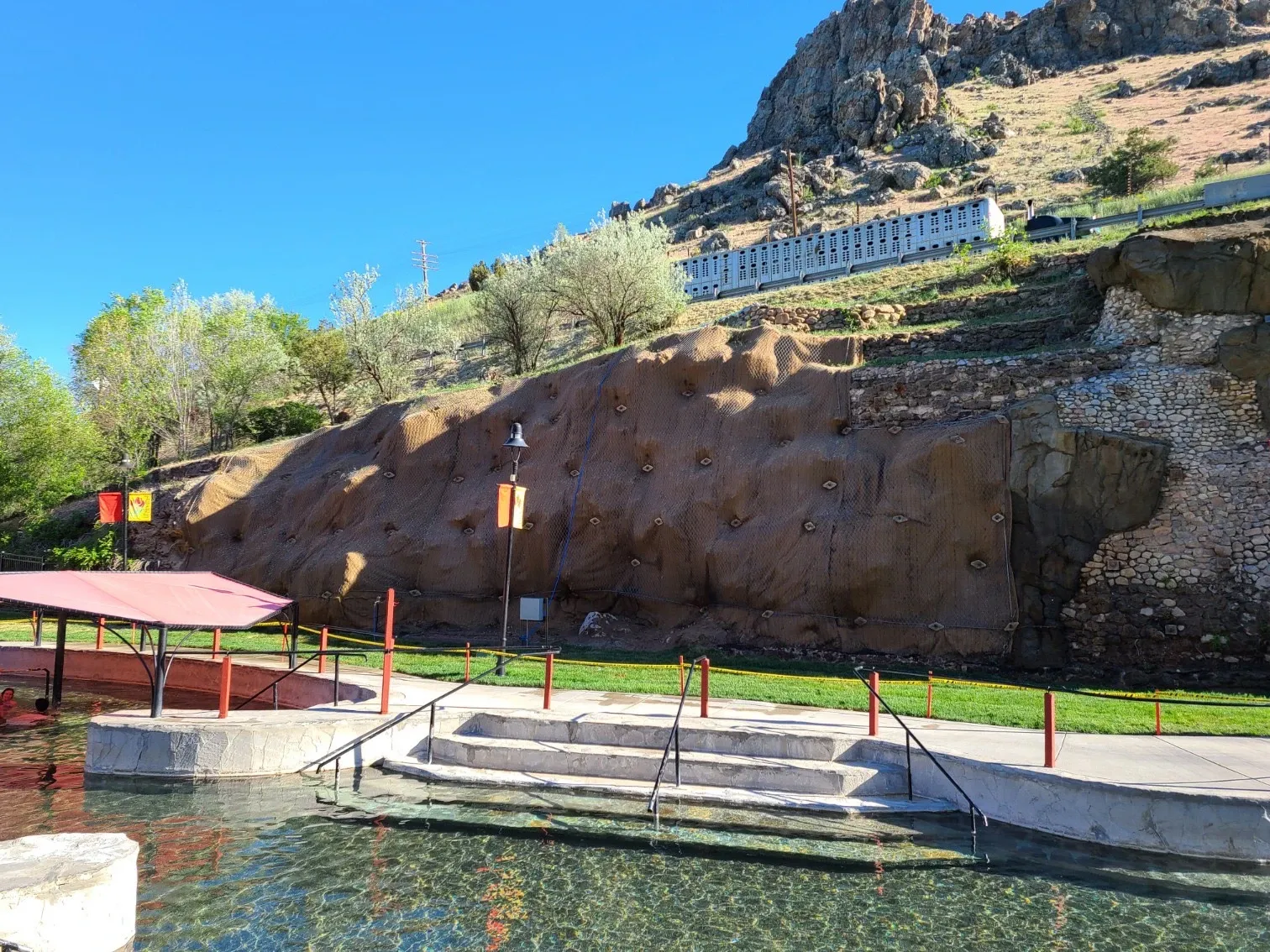
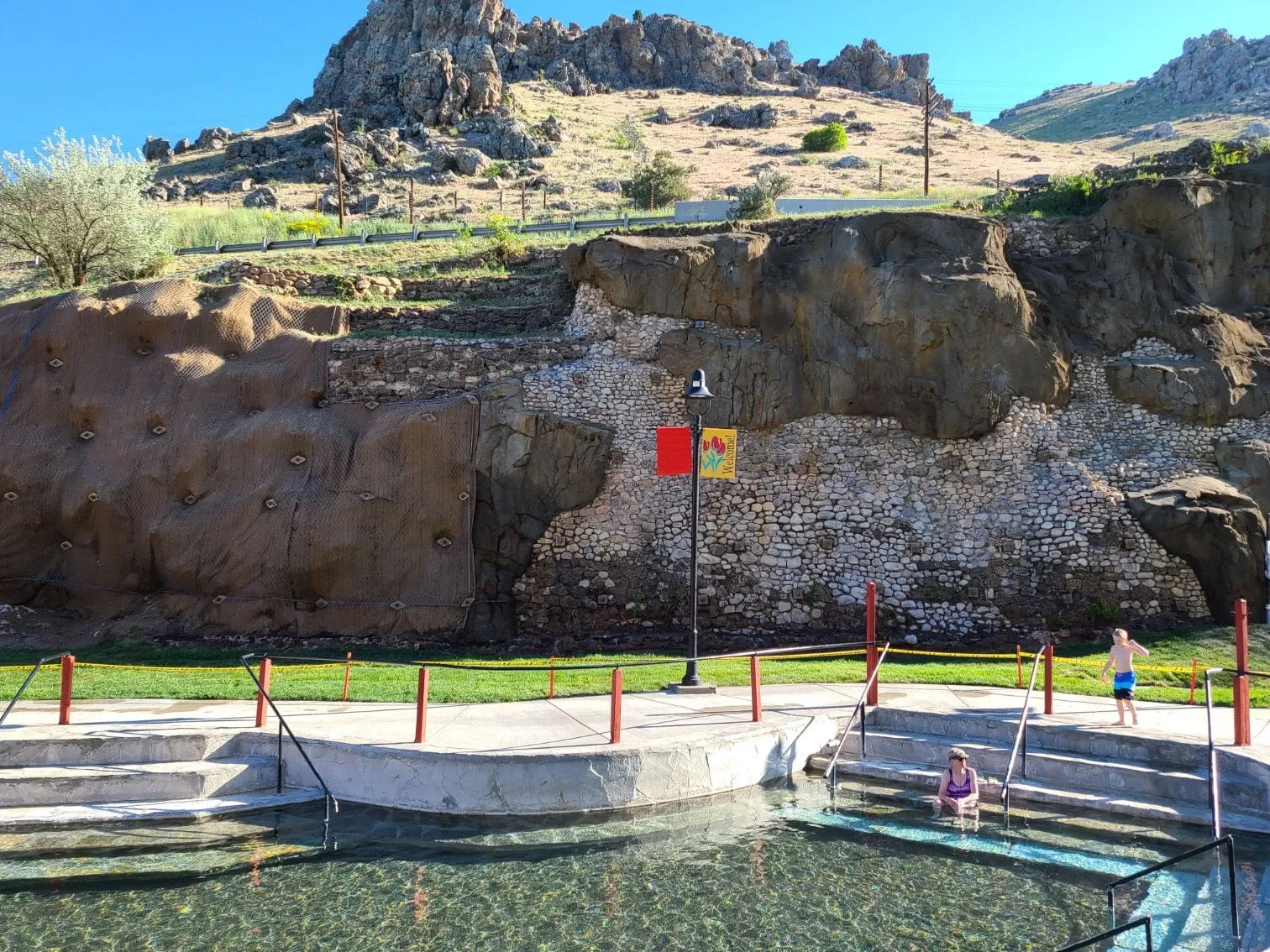
Lava Hot Springs Slope Stabilization
Multi-phase slope stabilization project protecting the historic hot springs resort and Highway 30 from an active landslide.
Landslide Remediation FAQ
Our Service Area
Rock Supremacy supports projects across the United States from divisions in Bend, Oregon, and Blountville, Tennessee. Contact us to discuss your location, access, and scheduling needs.
For an active incident, call our team. Dispatch and arrival depend on the hazards, location, access, equipment needs, and crew availability.
Western Division (HQ)
Eastern Division
About Rock Supremacy
Founded in 2011, Rock Supremacy specializes in rockfall mitigation, slope stabilization, and geotechnical construction.
From the steep canyons of Colorado to the coastal bluffs of California, we've developed proven methodologies for stabilizing slopes and protecting critical infrastructure. Our crews are trained to work in the most demanding vertical environments.
Learn More About Us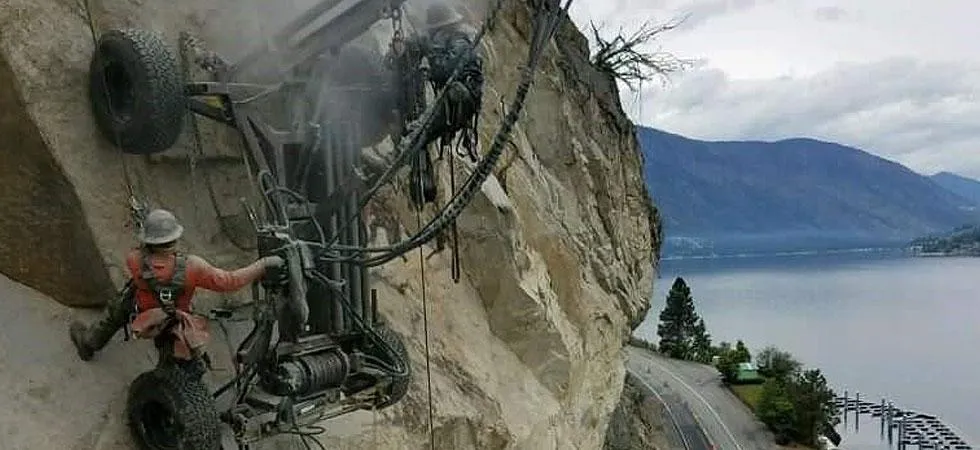
Planning for Safe Work
Site hazards, access, rescue arrangements, and nearby operations shape the work plan. Our crews use safety briefings and equipment inspections to prepare for the work ahead.
Include site induction, training, and crew qualification requirements with your project information. We review these with the owner and construction team before mobilization.
Our Safety ProgramClient Testimonials
Trusted by DOTs, engineering firms, and property owners nationwide.
Deploy Us
Ready to discuss your project? Our team is standing by to assess your site conditions and develop a custom landslide remediation solution.
Include any licensing, insurance, and crew qualification requirements in your inquiry so we can review them for the project.
Request Consultation
Ready to Get Started?
Our team is standing by 24/7 for emergency response or to schedule a site assessment for your next project.